
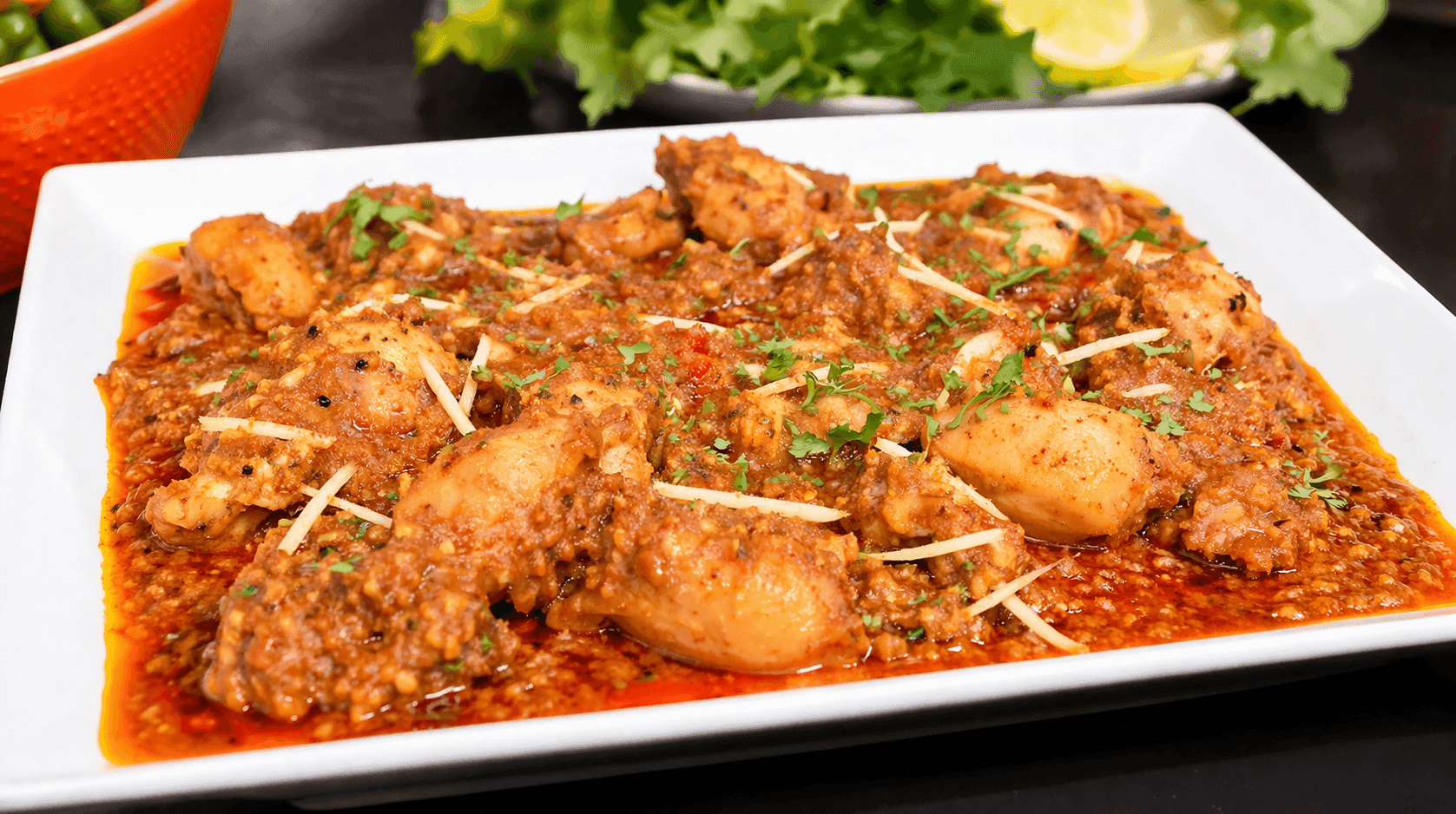
Shadi Wala Chicken Qorma
Chef Zakir (Late)
Chef
“He is a renowned Pakistani chef and television personality, celebrated for his expertise in traditional and modern cuisine. His engaging cooking shows and recipes have inspired countless home cooks across Pakistan.”

Aarif
Food Journalist
Aarif is a devoted content writer at Regional Heritage Food (RHF), passionate about cooking and travel. He shares his culinary experiences and discoveries, inspiring others to explore new recipes and flavors.
The Dum-Sealed, Ghee-Rich Wedding Qorma That Generations Have Cooked
Close your eyes and picture a Pakistani wedding. Before the music, before the lights, before anything else, there is that smell drifting from the back kitchen. Deep, ghee-soaked, slow-cooked, fragrant with whole spices and caramelized onion. That is Shadi Wala Chicken Qorma. And once you have eaten it at a real dawaat, nothing else ever tastes quite the same.
Qorma is one of the oldest dishes in the Mughal culinary tradition, carried into the subcontinent's wedding kitchens centuries ago and perfected by generations of daig cooks who never once wrote down a recipe. Chef Zakir Qureshi, Pakistan's most respected classically trained chef, spent years in professional shadi kitchens before television, and his version is the closest any home cook can get to the real daig formula.
What separates shadi qorma from everyday qorma is not one thing. It is the combination of properly caramelized onions cooked to a very precise dark amber, whole spices bloomed in pure ghee, yogurt tempered slowly so it never splits, and the final dum that seals all those layers of flavour together under low heat. This recipe does all of that. Follow it faithfully and your guests will ask who your daig cook was.
Why This Recipe Works Better Than Others
Fry the Onions to Dark Amber, Not Golden
The entire flavour foundation of shadi qorma depends on onions fried to a very specific dark amber. Golden onions are too mild and black onions are bitter. Dark amber is the point where the natural sugars have fully caramelized into something deeply savory and rich. This is what gives shadi qorma its unmistakable depth that no paste or pre-made onion can replicate.
Add Yogurt Slowly or It Will Split
Adding yogurt all at once over high heat causes it to split into white curds floating in greasy gravy. The correct method is to add whisked yogurt in three small additions on medium-low heat, stirring constantly between each one. This allows the protein in the yogurt to bind gradually with the fat and produce the smooth, velvety gravy that shadi qorma is known for.
Seal the Dum Properly
The pot is sealed with dough or a heavy weight and finished on the lowest possible heat for 20 to 25 minutes. During dum the chicken steams in its own moisture, the spices continue to develop without evaporation, and the gravy thickens into the glossy consistency that daig qorma is famous for. Open heat cooking for the same amount of time does not produce the same result.
prep time
30 min
cook time
1h 30m
total time
2h
servings
5
Ingredients
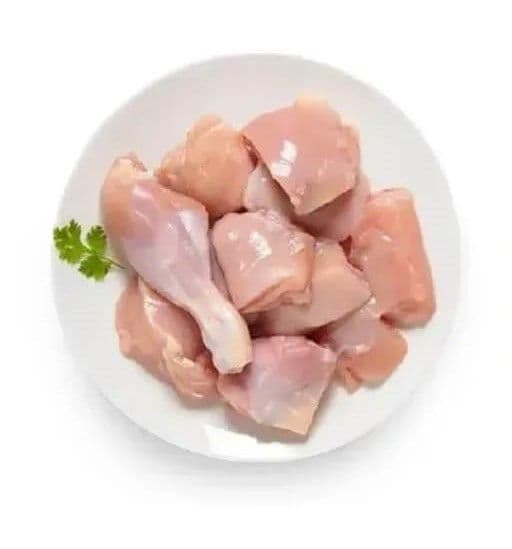 Chicken1.5 kg
Chicken with bone, cut into 12 medium pieces, skin removed
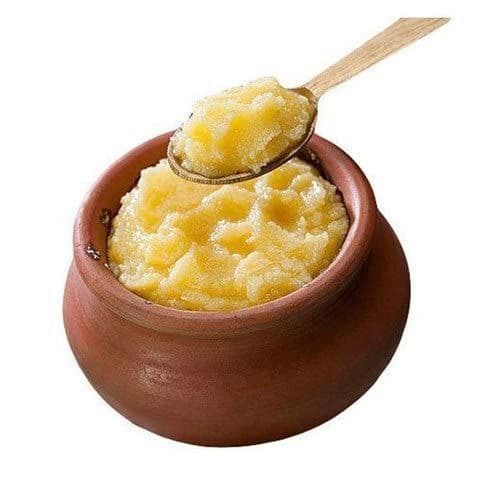 Ghee7 tbsp
no oil substitution for authentic flavour, 1 tbsp for dum
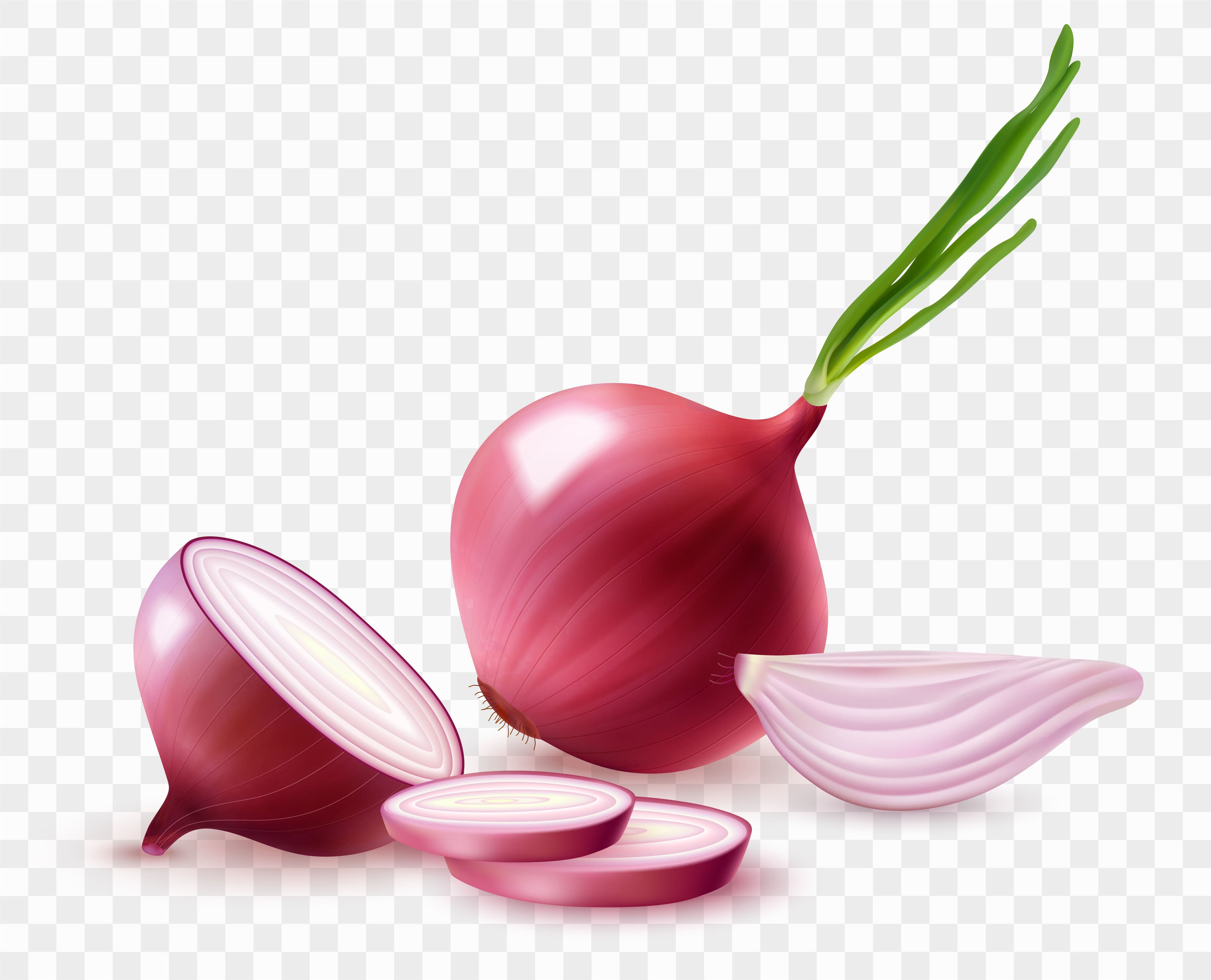 Onions500 g
thinly sliced
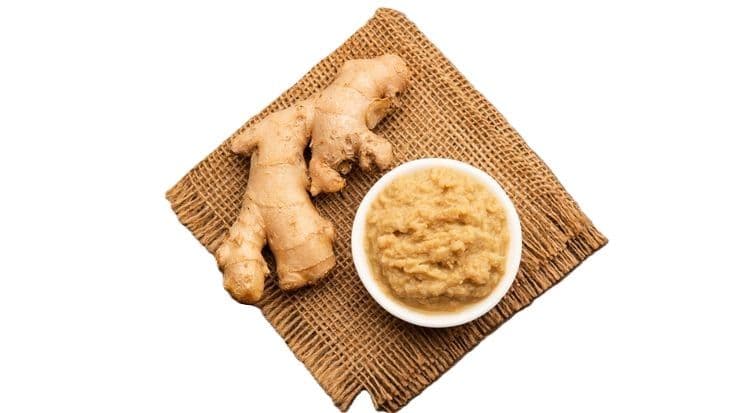 Ginger paste1.5 tbsp
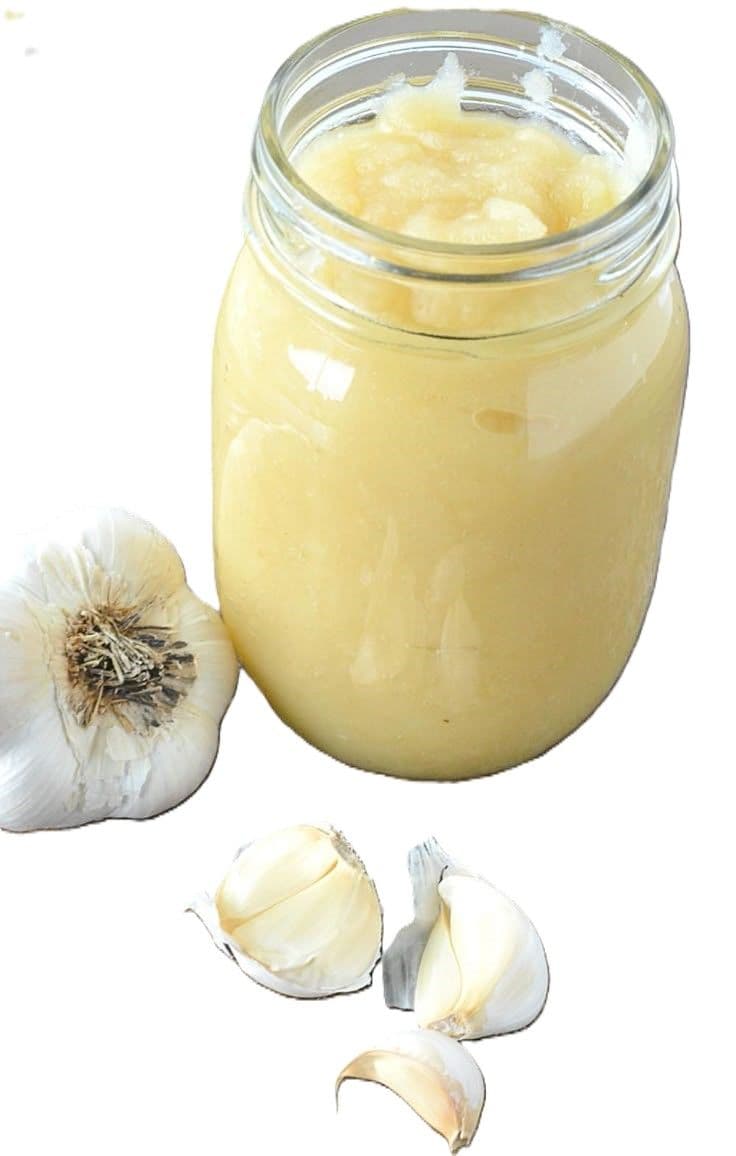 Garlic paste1.5 tbsp
Method
FRY THE ONIONS TO DARK AMBER
Heat ghee in a heavy-bottomed pot on medium-high.
Add all sliced onions and fry, stirring frequently, for 25–30 minutes. The onions will go through stages: softening (10 min), turning golden (18 min), then reaching dark amber and collapsing (25–30 min).
At the dark amber stage, the onions will be crisp, deeply coloured, and significantly reduced.
Remove two-thirds with a slotted spoon and spread on a paper towel to crisp further, use these for garnish. Leave one-third in the pot.
Chef Zakir's Tip:
The single most common mistake in qorma is under-frying the onions. Golden is not enough. You need dark amber with the colour of strong tea. Patience here is non-negotiable. If you rush on high heat, the outside burns while the inside stays raw and sharp. Medium-high, constant stirring, full 25–30 minutes.
BLOOM THE WHOLE SPICES
In the same pot with remaining fried onions and ghee, reduce heat to medium.
Add all whole spices together: green cardamom, black cardamom, cloves, cinnamon, bay leaves, black peppercorns, star anise, and mace.
Stir for 60–90 seconds until they sizzle and release their fragrance. The ghee will become deeply aromatic.
Do not let the spices darken.
Chef Zakir's Tip:
Whole spices must be added to fat (ghee) not in water, not dry heat. The fat extracts the fat-soluble flavour compounds that water cannot reach. This blooming step is what gives shadi qorma its layered, complex fragrance. Work quickly as spices go from fragrant to bitter in under 30 seconds on high heat.
COOK THE GINGER-GARLIC & GROUND SPICES
Add ginger-garlic paste to the bloomed spices.
Stir vigorously on medium heat for 3–4 minutes until the raw smell disappears completely and the paste turns lightly golden.
Add turmeric, red chilli powder, coriander powder, cumin powder, and salt.
Stir for 90 seconds. Add 2 tbsp water if the spices begin to stick. The base should be dark, fragrant, and thick.
Chef Zakir's Tip:
Add ginger and garlic at the same time, never separately as they cook at the same rate together and the combined paste creates a more unified flavour than if added in stages. The paste is ready when it stops smelling raw and starts smelling roasted and nutty.
ADD CHICKEN & SEAL WITH MASALA
Add the chicken pieces to the pot. Increase heat to high.
Bhuno the chicken with the masala for 8–10 minutes, turning constantly, until every piece is coated and the chicken has changed colour completely from pink to white-opaque throughout.
A little browning on the edges of each piece is desirable. Do not add any liquid at this stage.
Chef Zakir's Tip:
The chicken must be at room temperature before it goes into the pot, the cold chicken immediately drops the temperature of the masala and causes steaming instead of searing. Take the chicken out of the refrigerator 20 minutes before cooking.
TEMPER THE YOGURT: IN THREE ADDITIONS
Reduce heat to medium-low.
Take the well-whisked room-temperature yogurt.
Add one-third of the yogurt to the pot and stir constantly for 2 minutes until it is fully absorbed into the masala and no white streaks remain.
Add the second third and repeat.
Add the final third and stir for another 2–3 minutes.
Once all yogurt is incorporated, increase heat to medium and cook for 5 minutes until the ghee visibly separates at the edges.
Chef Zakir's Tip:
Never add yogurt all at once. Never add cold yogurt. Never stop stirring after adding yogurt. These three rules prevent splitting. If your yogurt does split, lower the heat immediately, add 2 tbsp warm water, and stir vigorously. You can often bring a split gravy back together if you catch it early.
ADD SAFFRON MILK & PREPARE FOR DUM
Add the saffron-infused warm milk to the pot and stir gently.
The gravy will take on a beautiful golden hue.
Taste and adjust salt.
Add green chilies on top of the chicken.
Drizzle the extra 1 tbsp ghee evenly across the surface.
Sprinkle kewra water and rose water directly over the top.
Scatter the reserved fried onions and sliced almonds across the surface.
Chef Zakir's Tip:
Kewra water and rose water must go on at this stage and never earlier. They are highly volatile and their fragrance evaporates within minutes of heat. Added just before sealing the dum, they infuse into the steam rather than boiling off, which is precisely how shadi qorma gets its unforgettable floral-herbal aroma.
SEAL THE DUM
Place a sheet of aluminium foil over the top of the pot, then press the lid firmly on top to create a tight seal.
Alternatively, use the traditional method, roll a long rope of dough (flour and water) and press it around the rim of the lid to seal completely.
Place the pot on the lowest possible flame.
If using a gas stove, place a flat griddle (tawa) under the pot to diffuse the heat. Dum for 20–25 minutes without opening the lid.
Chef Zakir's Tip:
The dum is complete when a faint steam escapes from the sealed edges and the kitchen fills with the combined fragrance of kewra, saffron, and whole spices all at once. Do not open the lid early out of curiosity. Every time the lid is lifted, the pressurized steam that is doing the cooking escapes and cannot be recovered.
REST & SERVE
Remove from heat and let the sealed pot rest for 10 full minutes before opening.
This resting period allows the dum to complete its work as the residual heat continues cooking gently.
Open the lid tableside if possible as the first release of steam is a moment worth sharing.
Garnish with fresh coriander and serve with naan, sheermal, or fragrant basmati rice.
Chef Zakir's Tip:
Qorma always tastes better the next day. If cooking for a wedding or dawaat, cook the day before, cool completely, refrigerate, and reheat gently with a splash of warm milk. The overnight rest allows all the spices to fully meld into the gravy and the flavour deepens noticeably.
Master Tip: The Onion Ratio Is Non-Negotiable
Chef Zakir's shadi qorma uses 500g of raw onions for 1.25 kg of chicken, a ratio of nearly 1:2.5. This is far more onion than any everyday qorma. In the daig tradition, the caramelized onion IS the gravy thickener, the colour agent, the sweetness source, and the body of the sauce i.e. all in one ingredient. Reducing the onion quantity to save time produces a pale, thin, sweet-tasting qorma that bears no resemblance to the real thing. Do not halve the onions. Do not rush their cooking. The onion IS the recipe.
Nutritions
Per Serving (~280g)
People Also Ask
Yes. The most practical home method: place a heavy flat griddle (tawa) on the lowest burner. Place the pot on the griddle. Cover with the tightest-fitting lid you have and press down with a heavy pot of water placed on top to create pressure. This is not as perfect as a dough seal but achieves 80% of the same dum effect. Alternatively, place the sealed pot in a preheated oven at 150°C for 20 minutes as this is actually very close to traditional daig dum conditions.
Almost certainly an onion problem. Pale qorma means the onions were under-cooked and they need to reach dark amber, not golden. Watery qorma means either the yogurt was added too quickly, or the ghee did not visibly separate after the yogurt was incorporated, meaning the masala was not reduced enough before dum. Solution: cook the onions longer, temper the yogurt more patiently, and ensure oil separation before sealing the dum.
Technically yes, but this is the one recipe where ghee is truly not replaceable. Ghee has a higher smoke point than oil, which is essential for properly blooming whole spices and caramelizing onions without burning. More importantly, ghee carries fat-soluble flavour compounds from the whole spices and distributes them through the entire dish in a way that neutral oil cannot. Using oil produces a qorma that looks similar but tastes noticeably thinner and less rounded. If cost is a concern, use 4 tbsp ghee minimum and 2 tbsp neutral oil for the rest.
Qorma is a specific Mughal-origin cooking method where the protein is braised in a fat-rich, yogurt-based gravy with whole spices, sealed under dum. It is not a tomato-based dish, there are no tomatoes in authentic qorma. Curry is a broad Western term that covers many different Pakistani and Indian dishes. The defining characteristics of qorma are: no tomatoes, yogurt-based gravy, heavy whole spice use, caramelized onion base, and mandatory dum finish. If it has tomatoes or no dum, it is a different dish entirely.