
Chicken Karahi

Kitchen with Amna
Chef
“Chef Amna, creator of "Kitchen with Amna," is a popular Pakistani food vlogger known for her easy-to-follow recipes. Her engaging videos help home cooks master both traditional and modern dishes.”

Aarif
Food Journalist
Aarif is a devoted content writer at Regional Heritage Food (RHF), passionate about cooking and travel. He shares his culinary experiences and discoveries, inspiring others to explore new recipes and flavors.
Amna's Family Recipe, Passed Down the Right Way, Tomato-Rich & Rooted in Pakistan's Homemade Karahi Tradition
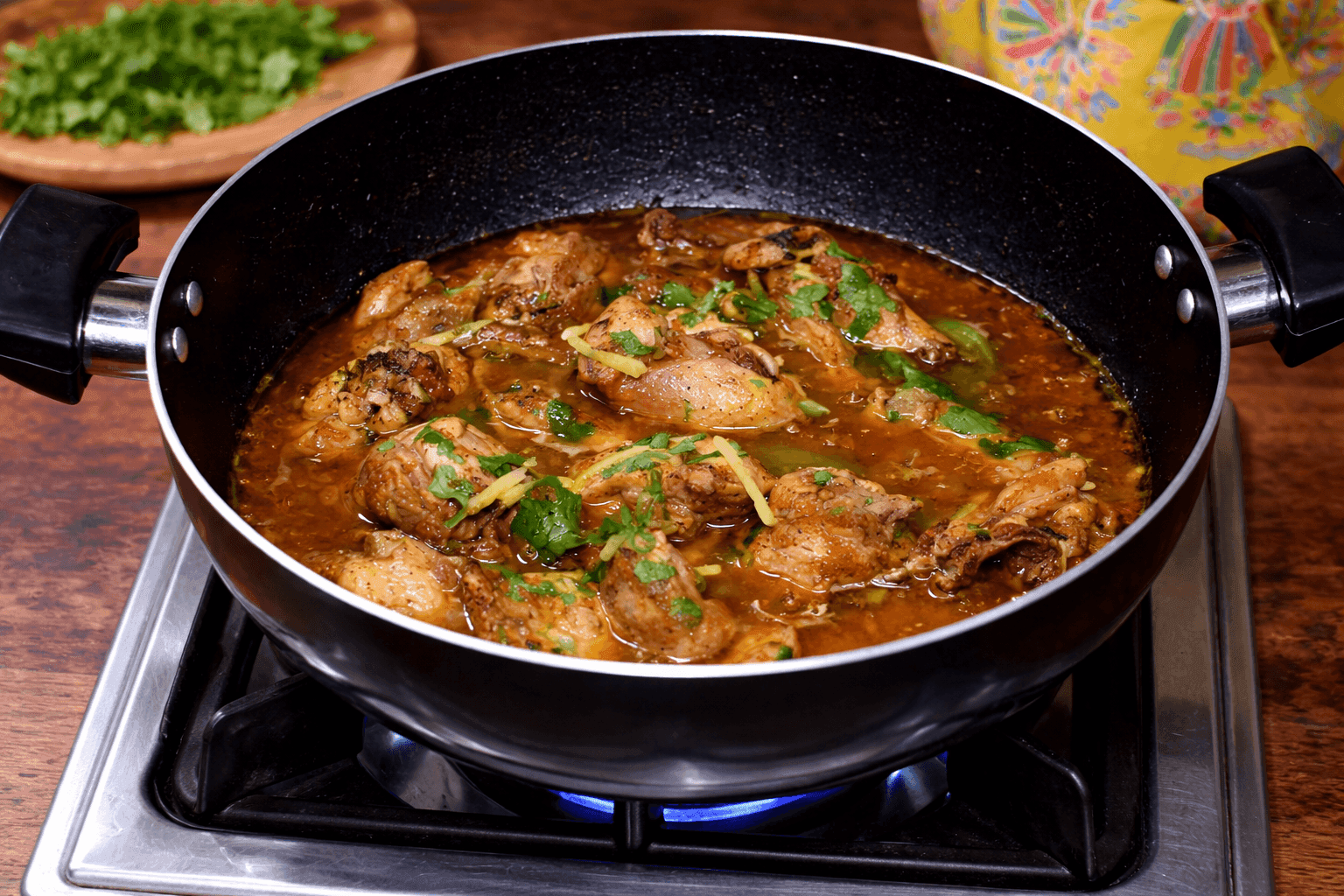
Some recipes don't come from cookbooks. They come from watching your mother's hands move confidently over a hot karahi, the smell of ginger filling every corner of the kitchen. That is exactly where Kitchen with Amna's Chicken Karahi begins.
Chicken Karahi is Pakistan's most beloved everyday dish and its most misunderstood. Most restaurant versions drown it in onions, water, and shortcut spices. Amna's version does the opposite, she strips it all back to the original three-ingredient truth: chicken, tomatoes, ginger. The rest is heat, patience, and the right technique.
Why This Recipe Works Better Than Others
No-Water Rule:
Amna builds the entire masala without adding a single drop of water. The tomatoes provide all the moisture needed. This forces the masala to cook in its own juices under high heat, concentrating the flavour into something far deeper and richer than any water-based version can achieve.
Sear First, Sauce Second:
Every piece of chicken is seared separately on high heat before any masala is added. This locks in the juices and creates a lightly caramelized surface on each piece, giving the finished karahi that distinct dhaba texture that home recipes usually miss.
Fresh-Roasted Whole Spices:
Unlike shortcuts that use chilli flakes or ready powder, Amna dry-roasts whole cumin and coriander seeds and then crushes them coarsely by hand just before cooking. This releases the volatile oils inside the seeds at exactly the right moment, giving the masala a warm, nutty fragrance no pre-ground spice can match.
Peeled Tomato Masala:
Amna peels the tomatoes, either by blanching or by the in-pan steaming method before mashing them into the masala. This gives the sauce its famously smooth, glossy, skin-free texture that sets home-cooked karahi apart from restaurant versions where skins are left in.
Butter + Kasuri Methi Finish:
The final step is by adding fresh butter and dried fenugreek leaves (kasuri methi) off the heat is Amna's defining finishing move. It gives the karahi a subtle creaminess, a faint herbal aroma, and the glossy restaurant-quality finish that makes guests ask for the recipe every time.
Prep Time
15 min
Cook Time
45 min
Total Time
1h
Servings
4
Ingredients
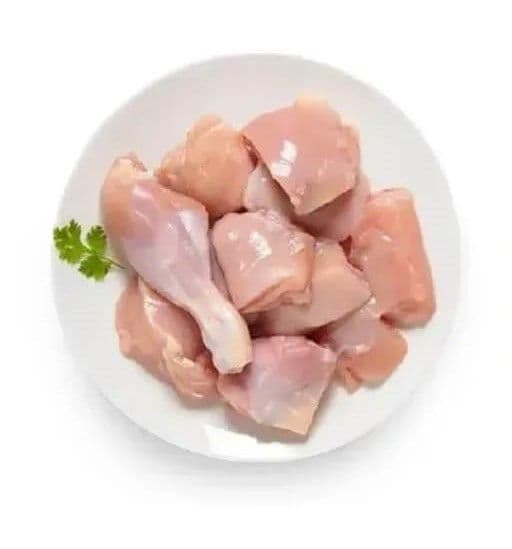 Chicken1 kg
Chicken with bone, karahi cut, small pieces, skin removed
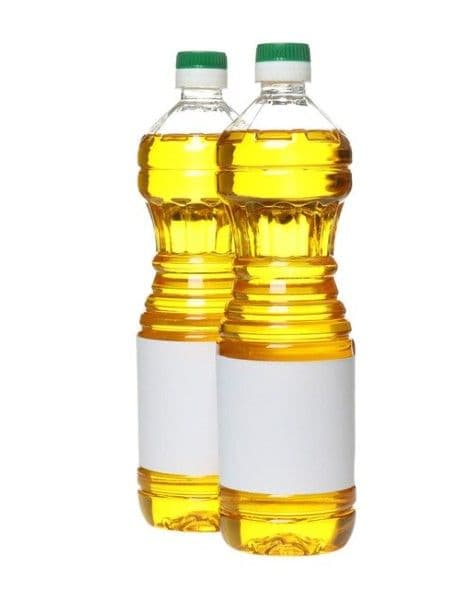 Cooking oil4 tbsp
mustard oil preferred for authenticity
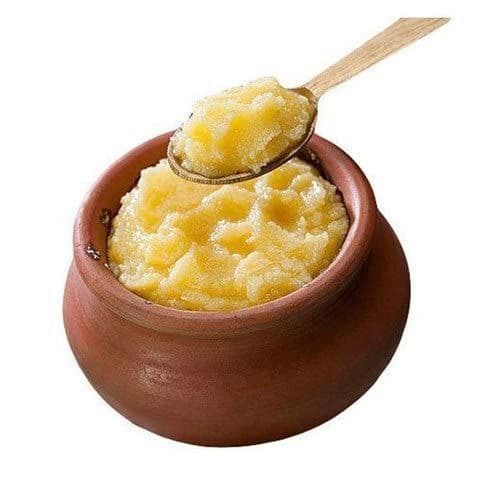 Ghee1 tbsp
added with oil for depth of flavour
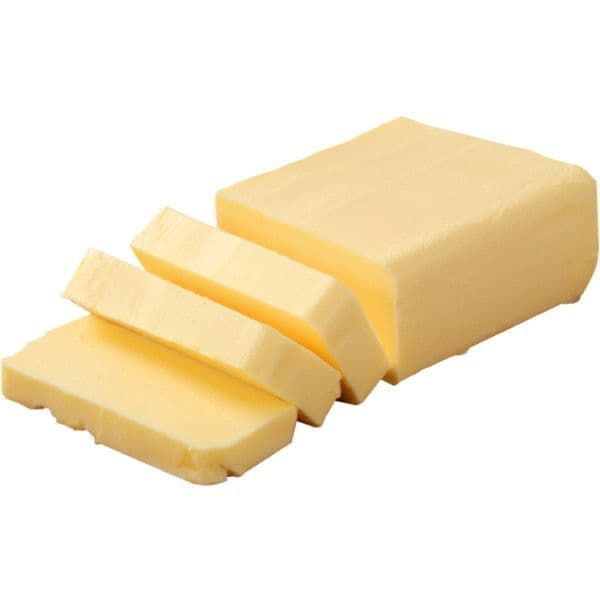 Butter2 tbsp
finishing only, added off-heat
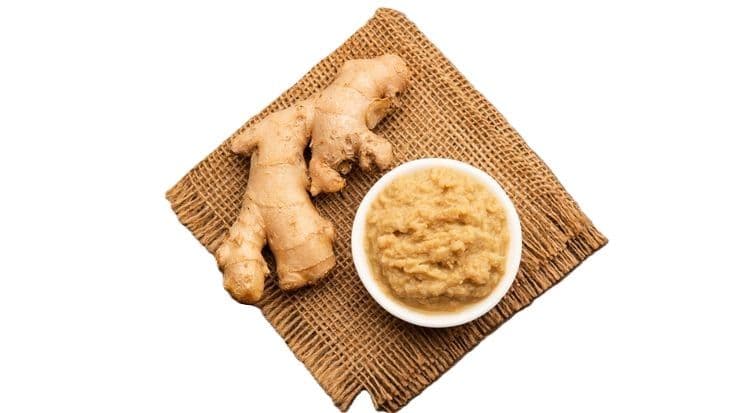 Ginger paste1.5 tbsp
Method
DRY-ROAST & CRUSH THE SPICES
Place a small dry pan on medium heat. Add cumin seeds and coriander seeds together. Roast for 90 seconds, stirring constantly, until they darken one shade and release a warm, toasted aroma. Remove immediately from the heat and transfer to a mortar. Crush coarsely, not into powder, you want small broken fragments. Set aside.
Amna's Tip:
Roasting kills the raw, musty edge of whole spices and wakes up their natural oils. Do not roast on high heat, the seeds will burn on the outside while staying raw inside. Medium heat, patience, and your nose are your tools here.
PEEL THE TOMATOES
Score a small X on the bottom of each tomato. Place in a bowl and pour boiling water over them. Leave for 60 seconds. Drain and peel, the skins will slip off easily. Roughly chop the peeled tomatoes and set aside. Do not use canned tomatoes for this recipe.
Amna's Tip:
Peeling takes 4 extra minutes and changes the final texture completely. Tomato skins become tough and bitter when cooked at high heat, removing them gives you a velvety, smooth masala that coats every piece of chicken perfectly.
SEAR THE CHICKEN
Heat oil and ghee together in a karahi or heavy wok on HIGH flame until the oil shimmers and is very hot. Add chicken pieces in a single layer, do not crowd the pan. Sear without moving for 3–4 minutes per side until each piece has a golden-brown surface. Work in batches if needed. Remove seared chicken and set aside on a plate.
Amna's Tip:
Resist the urge to stir the chicken immediately. Letting it sit on one side undisturbed is what creates the golden crust. If you move it too early, it will stick and tear. It releases naturally when it is ready to be turned.
BUILD THE MASALA BASE
In the same karahi with remaining oil, reduce heat to medium. Add grated ginger and garlic together. Stir constantly for 2 minutes until the raw smell disappears and the paste turns lightly golden at the edges. Add turmeric, red chilli powder, and salt. Stir for 30 seconds, then immediately add the chopped peeled tomatoes.
Amna's Tip:
Add the tomatoes the moment the spices go in. The moisture in the tomatoes stops the spices from burning. If you delay even 10 seconds, the chilli powder will scorch and turn bitter. Keep your tomatoes ready before this step.
COOK THE TOMATO MASALA DOWN
Turn heat to HIGH. Stir the tomato masala aggressively for 10–12 minutes without covering the pan, breaking the tomatoes as they soften. Keep stirring and scraping the base of the karahi. The masala is ready when: the tomatoes have completely broken down, the mixture has thickened significantly, and the oil visibly separates and pools at the edges of the karahi.
Amna's Tip:
Never cover the karahi during this step. A lid traps steam and turns the masala into a watery curry. The open-pan high-heat method is what concentrates the flavour. Only the steam that escapes creates the depth you are looking for.
ADD CHICKEN & FINISH BHUNAI
Return the seared chicken to the karahi. Add the crushed roasted cumin and coriander, freshly crushed black pepper, and slit green chilies. Toss everything together on HIGH flame for 6–8 minutes, turning and folding the chicken through the masala constantly. The masala should cling thickly to every piece of chicken. Add a tiny splash (2 tbsp) of hot water only if the masala is catching and burning.
Amna's Tip:
This final bhunai step is where all the flavours fuse. The chicken absorbs the masala, the spices bloom in the fat, and the whole karahi develops that unmistakable concentrated flavour. Do not rush or reduce the heat here, these 6–8 minutes are the most important in the entire recipe.
THE SECRET FINISH — BUTTER, METHI & GARNISH
Turn off the heat completely. Add butter and let it melt silently. Crush kasuri methi between your palms and sprinkle over the karahi. The warmth of the pan is enough to release its fragrance. Squeeze lemon juice evenly across the top. Pile on fresh coriander, julienned raw ginger, and extra green chilies. Cover for 2 minutes to let the garnish steam gently, then serve directly from the karahi.
Amna's Tip:
Always add kasuri methi off the heat and crush it between your palms first, the pressure releases the essential oils. Adding it to a hot pan burns it and turns it bitter. This two-minute dum at the end is what separates a great karahi from an outstanding one.
Master Tips
Secret Ingredient: Kasuri Methi (Dried Fenugreek Leaves)
Kasuri methi is the single ingredient that most home cooks leave out and it is the one that professional chefs never skip. When crushed between the palms and added off-heat, it gives the karahi a subtle herbal warmth, a faint creaminess, and a fragrance that makes the dish smell exactly like a top-tier restaurant karahi.
Master Tip: The Two-Stage Ginger Method
Amna uses ginger in two completely different ways in the same recipe. Grated ginger goes into the masala base early, it cooks down and becomes the backbone of the curry's flavour, warm and deep. Then raw julienned ginger is piled on top at the very end as a garnish. It stays sharp, bright, and pungent. The contrast between cooked ginger (soft and integrated) and raw ginger (fresh and biting) in the same dish is the signature characteristic of a true heritage Chicken Karahi. Never substitute one for the other
Nutritions
Per serving 250 g
People Also Ask
Yes, but with changes. Boneless chicken cooks in half the time, reduce the bhunai phase to 4–5 minutes or the chicken will dry out. Bone-in chicken is strongly preferred because the bones release collagen and marrow into the masala during cooking, creating richness that boneless simply cannot provide. If using boneless, use chicken thighs (not breast) for more fat and flavour.
Technically yes, but the result will have chewy bits of skin throughout the masala. A quick alternative: instead of blanching, place whole tomatoes directly in the hot karahi, cover for 5 minutes, and the skins will blister and peel off with tongs. Or blend the tomatoes into a smooth puree before adding. The peel-free masala is not optional for restaurant-quality results, it is a defining characteristic of Amna's version.
The recipe uses 4 tbsp oil plus ghee and butter, this is the minimum for authentic karahi. Less oil means the masala will not bhuno properly and the oil will never visibly separate, which is your key visual signal that the cooking is complete. You can skim excess oil off the top at the end of cooking if concerned about fat content, but do not reduce it during cooking.
Fresh fenugreek leaves (methi leaves) can be used, add 1 tbsp chopped fresh leaves with the garnish. No methi at all? Substitute with a small pinch of dried thyme (ajwain), it is not the same, but provides a similar herbal lift. Do not skip the step entirely; even a tiny amount of kasuri methi changes the finish of the dish more than any other single ingredient.
A cast iron wok or heavy-bottomed stainless steel pan with a wide base works well. The wide surface is key, it allows moisture to evaporate quickly, which is essential for the bhunai process. Avoid non-stick pans for this recipe as high-heat bhunai will damage the coating. A thin-bottomed pan will cause the masala to burn before it concentrates properly