
Butter Chicken

Joshua Weissman
Chef
“Joshua Weissman is a renowned culinary creator and chef known for his high-quality, entertaining cooking videos. He focuses on making premium versions of everyday staples from scratch, prioritizing culinary excellence and accessible techniques that inspire home cooks to improve their skills.”

Aarif
Food Journalist
Aarif is a devoted content writer at Regional Heritage Food (RHF), passionate about cooking and travel. He shares his culinary experiences and discoveries, inspiring others to explore new recipes and flavors.
Tender Marinated Chicken Simmered in a Silky Tomato Cream Sauce
Butter Chicken, or Murgh Makhani as it is known in its homeland, is one of the most loved dishes to come out of India. It is creamy, slightly smoky, gently spiced and satisfying in a way that feels almost effortless to eat. Joshua Weissman's version of this dish is built for home cooks who want restaurant results without a restaurant kitchen. No tandoor required, no overnight prep, just clear technique and good ingredients used the right way.
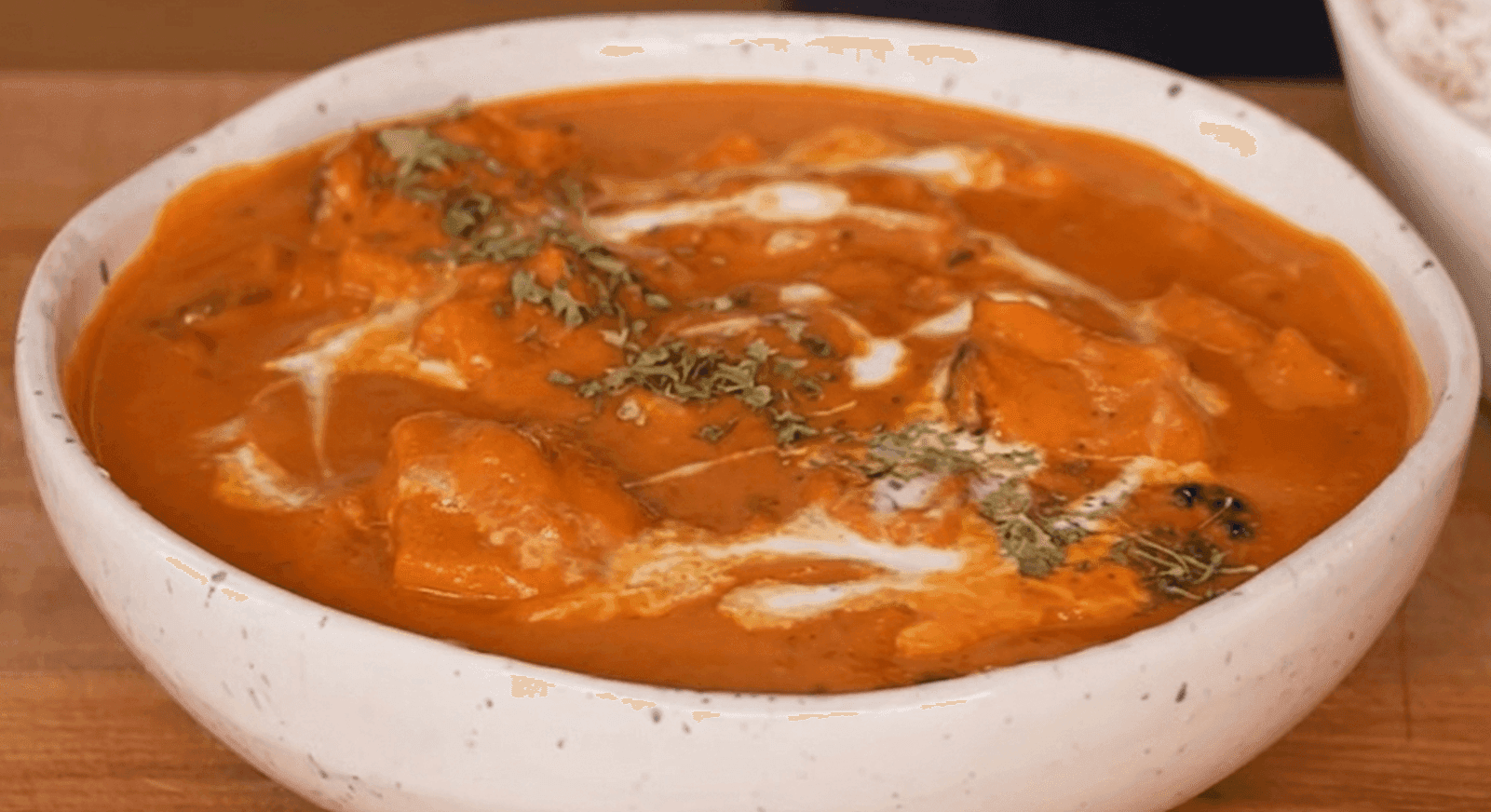
What you get at the end is a plate of chicken pieces coated in a deep orange sauce that is smooth, rich and just a little warm from the Kashmiri chilli. The marinade works overnight if you have the time or in thirty minutes if you do not. The sauce is blended until perfectly smooth so every bite has that velvety coating that makes butter chicken so hard to put down. Finish with a swirl of butter and a handful of fresh coriander and it tastes like something you ordered rather than cooked.
This recipe is honest about what makes butter chicken great. It is the marinade that gets the flavor deep into the meat. It is the blended sauce that gives that signature smooth body. And it is the final butter that rounds everything off and gives the dish its name. Joshua Weissman keeps each of these steps simple and straightforward so that the result is repeatable every single time you make it.
Why This Recipe Works Better Than Others
The Marinade Does More Than You Think
Most butter chicken recipes treat the marinade as a quick step, something you do just before cooking. This recipe respects it as the most important part of the whole process. The yogurt breaks down the surface of the chicken gently so the spices actually get inside the meat rather than sitting on the outside. The Kashmiri chilli and garam masala in the marinade means every piece of chicken is already seasoned through and through before it ever touches the pan. You are not chasing flavor in the sauce later because the flavor is already built into the chicken itself.
Searing the Chicken First Creates a Flavor Layer the Sauce Cannot
The marinated chicken goes into a hot pan with ghee and gets seared on all sides until golden brown before anything else happens. That golden crust on the outside of each piece is not just about texture. It creates a layer of toasted, caramelized flavor from the marinade spices that you simply cannot get by simmering raw chicken directly in a sauce. When the chicken later finishes cooking inside the sauce it brings all that seared depth with it and the two flavors blend together into something more complex than either one alone.
Blending the Sauce Until Smooth Is Not Optional
The difference between a good butter chicken and a great one is almost entirely in the sauce texture. This recipe cooks down the onions, garlic, ginger and crushed tomatoes into a thick, concentrated base and then blends the whole thing with an immersion blender until it is completely smooth. No chunks, no bits of onion, no uneven texture. That smooth sauce is what coats the chicken properly and gives every bite that luxurious, restaurant quality feel. If you skip or rush the blending the sauce stays uneven and the dish never quite gets there.
Fenugreek Powder Is the Secret Most People Leave Out
If you have ever eaten butter chicken at a good Indian restaurant and wondered why your home version never tastes quite the same, the answer is almost certainly fenugreek. It is a spice with a faintly maple and slightly bitter edge that sits underneath everything else and gives the dish that distinctive warm depth. Joshua Weissman keeps it in the recipe because it is what makes this taste like proper butter chicken rather than just tomato cream chicken. It is available in any South Asian grocery and even some larger supermarkets. Once you use it you will not make this dish without it.
Butter Goes in at the End with the Heat Off
The butter at the end is not just for richness. It goes in after the heat is cut precisely because butter emulsifies into the sauce when the temperature drops slightly, creating a glossy, velvety finish that you cannot get by adding it while the pan is still on a high flame. At high heat the butter separates and makes the sauce greasy. Off the heat it blends in smoothly and gives the sauce that characteristic silky coat. This single step done correctly is what makes the finished dish look and taste genuinely beautiful.
prep time
15 min
cook time
30 min
Servings
4
Ingredients
- Boneless chicken680 g
cut into 1 inch sized pieces
- Yogurt145 g
- Kashmiri chilli powder2.5 tsp
- Turmeric powder1 tsp
- Lemon juice2 tsp
Method
Marinate the Chicken and Get It Ready
Cut the chicken into proper bite sized pieces, roughly one and a half to two inches. Not too small or they will dry out quickly in the pan, not too big or they will not cook through in the sauce.
Place all the chicken in a bowl. Add the yogurt, Kashmiri chilli powder, turmeric, lemon juice, cumin, garam masala, salt and grated ginger. Mix everything together thoroughly with your hands or a spoon so every piece of chicken is completely coated in the marinade.
Cover the bowl with plastic wrap and leave it to marinate. Thirty minutes at room temperature works if you are short on time. Several hours in the fridge or even overnight will give you noticeably more flavor. The choice is yours depending on what your schedule allows.
Chef's Tip:
Do not skip the lemon juice in the marinade. It is not just for flavor. The acid in the lemon juice combined with the yogurt gently starts breaking down the surface of the chicken so the spices can get inside. This is what gives you juicy, deeply flavored chicken rather than pieces that taste seasoned on the outside only.
Sear the Chicken Until Golden Brown
Heat a large nonstick skillet over medium high heat. Add the ghee and wait until it melts and just starts to shimmer. Ghee has a higher smoke point than butter which is why the recipe uses it here. It gives the chicken good color without burning.
Add the marinated chicken pieces in a single layer. Do not crowd the pan. If your pan is not large enough to fit them all with a little space between each piece cook them in two batches. Crowding the pan traps steam and you end up with steamed chicken instead of seared chicken.
Let the chicken sit without moving it for two to three minutes until the side touching the pan is golden brown. Then turn each piece and sear the other sides as well. The chicken does not need to be cooked all the way through at this point. Getting good color on the outside is what matters here.
Remove the seared chicken pieces from the pan and set them aside on a plate or baking sheet. Leave the pan on the heat as you will use it for the sauce next.
Chef's Tip:
The marinade on the outside of the chicken will get dark and look almost caramelized. That is what you want. Those dark edges carry a huge amount of toasted spice flavor that goes straight into the sauce later. Do not be alarmed if some of it sticks to the pan a little. When the onions and liquid go in those stuck bits come up and become part of the sauce.
Build the Sauce and Blend It Smooth
In the same pan add the sliced onions. Season them with a pinch of salt and cook over medium heat, stirring often, until they are fully soft and starting to turn golden. This takes about eight to ten minutes. Cover the pan with a lid if you want to speed things up a bit.
Add the chopped garlic and grated ginger to the soft onions. Cook for another two minutes, stirring regularly, until the raw smell of the garlic softens into something warm and mellow.
Add the garam masala, Kashmiri chilli powder, turmeric, fenugreek powder and granulated sugar all at once. Stir everything together so the spices coat the onions completely and cook for about one minute. You want them to bloom in the heat rather than sitting raw in the sauce.
Pour in the crushed tomatoes. Stir and cook for two minutes, letting the sauce reduce slightly and the tomato flavors concentrate.
Take the pan off the heat. Use an immersion blender to blend the sauce directly in the pan until it is completely smooth. If you do not have an immersion blender carefully transfer the sauce to a regular blender, blend until smooth, then pour it back into the pan. The sauce should be a deep orange color with no visible chunks.
Chef's Tip:
The sugar is not there to make the dish sweet. It is there to balance the acidity of the crushed tomatoes. Canned tomatoes can vary a lot in how sharp they are and a small amount of sugar brings the sauce into balance without you having to taste and adjust with pinch after pinch of salt. Keep it in the recipe.
Add the Chicken Back and Simmer Everything Together
Put the pan back on medium heat. Add the seared chicken pieces back into the smooth sauce and stir so every piece is coated.
Cover with a lid and let everything simmer together for ten minutes. The chicken will finish cooking all the way through in the sauce and the sauce will thicken slightly as it heats.
Remove the lid and pour in the heavy cream. Stir it through and let the sauce simmer uncovered for another three to five minutes until it thickens to the consistency you like. It should coat the back of a spoon and leave a clear line when you run your finger through it.
Chef's Tip:
Check the thickest piece of chicken by pressing it firmly with a spoon. Fully cooked chicken feels firm and springs back. If you are not sure cut one piece open and check the center. It should be white all the way through with no pink at all. If pieces are thick the covered simmer may need an extra five minutes.
Finish with Butter, Season and Serve
Turn the heat off completely. Add the two tablespoons of unsalted butter directly into the sauce and stir gently until it melts and blends in. The sauce will become noticeably glossier and smoother as the butter emulsifies into it.
Taste the sauce and season with salt as needed. The marinade and the sauce both have salt already so add cautiously and taste as you go.
Serve immediately over steamed basmati rice. Scatter a handful of fresh coriander leaves over the top. The coriander adds a bright, clean freshness that cuts through the richness of the sauce.
Chef's Tip:
Serve this straight from the pan into a pre warmed bowl or serving dish. Butter chicken thickens quickly as it cools and the surface can develop a skin if it sits out for too long. A warm bowl keeps the sauce at the right texture all the way to the table.
The One Truth About Butter Chicken Nobody Talks About
Most people think making butter chicken at home means getting the spice list right. They hunt down every ingredient, measure everything perfectly, and still end up with something that tastes a bit flat compared to what they expected.
The spices are not the hard part. The hard part is giving each stage of this recipe the time it actually needs. The marinade needs time to work into the chicken. The onions need to soften properly before the spices go in. The sauce needs to reduce before the cream is added. And the butter needs to go in off the heat so it blends in smoothly rather than separating.
Butter chicken is not a difficult dish. It is a patient one. Follow the steps in order, do not rush the soft stages, and what you get at the end is a sauce so smooth and rich it is hard to believe you made it in your own kitchen.
Nutritions
Per serving (approximately 200g of butter chicken with sauce)
People Also Ask
Yes and honestly thighs work even better. They have more fat in them which keeps them moist through the searing and simmering stages. Breasts are leaner and can dry out if the heat is too high or the simmering goes on a few minutes too long. If you use thighs you have a slightly more forgiving margin and the finished dish tends to be juicier. Both work well. Thighs just have a little more room for error which is helpful when you are making this for the first time.
You can leave it out but the dish will taste noticeably different. Fenugreek is what gives this sauce that particular warm depth that makes it taste like restaurant butter chicken rather than tomato chicken in cream. If you cannot find the powder look for dried fenugreek leaves, called kasoori methi, which are easier to find. Crumble them between your palms before adding to release the aroma and use about a teaspoon and a half. Any South Asian grocery store will have both the powder and the dried leaves and they are very inexpensive.
Simply leave the lid off and let it simmer on medium heat for a few extra minutes. As the water cooks off the sauce concentrates and thickens on its own without needing any starch or thickener. Check every couple of minutes and stir from the bottom so it does not catch. The sauce should coat the back of a spoon before you serve it. If it is very thin the most common reason is that the crushed tomatoes were not reduced enough before the cream went in. Give that reduction stage a full two minutes next time.
Butter chicken is actually one of those dishes that gets better the next day as the spices settle and deepen overnight. Store it in a sealed container in the fridge for up to two days. When you reheat it add a splash of water or a little extra cream and warm it gently on low heat, stirring often. Do not boil it hard or the cream can separate and the sauce loses that smooth finish. If you are making it ahead for a dinner party the whole dish can be fully prepared and simply reheated when guests arrive. It holds very well.