
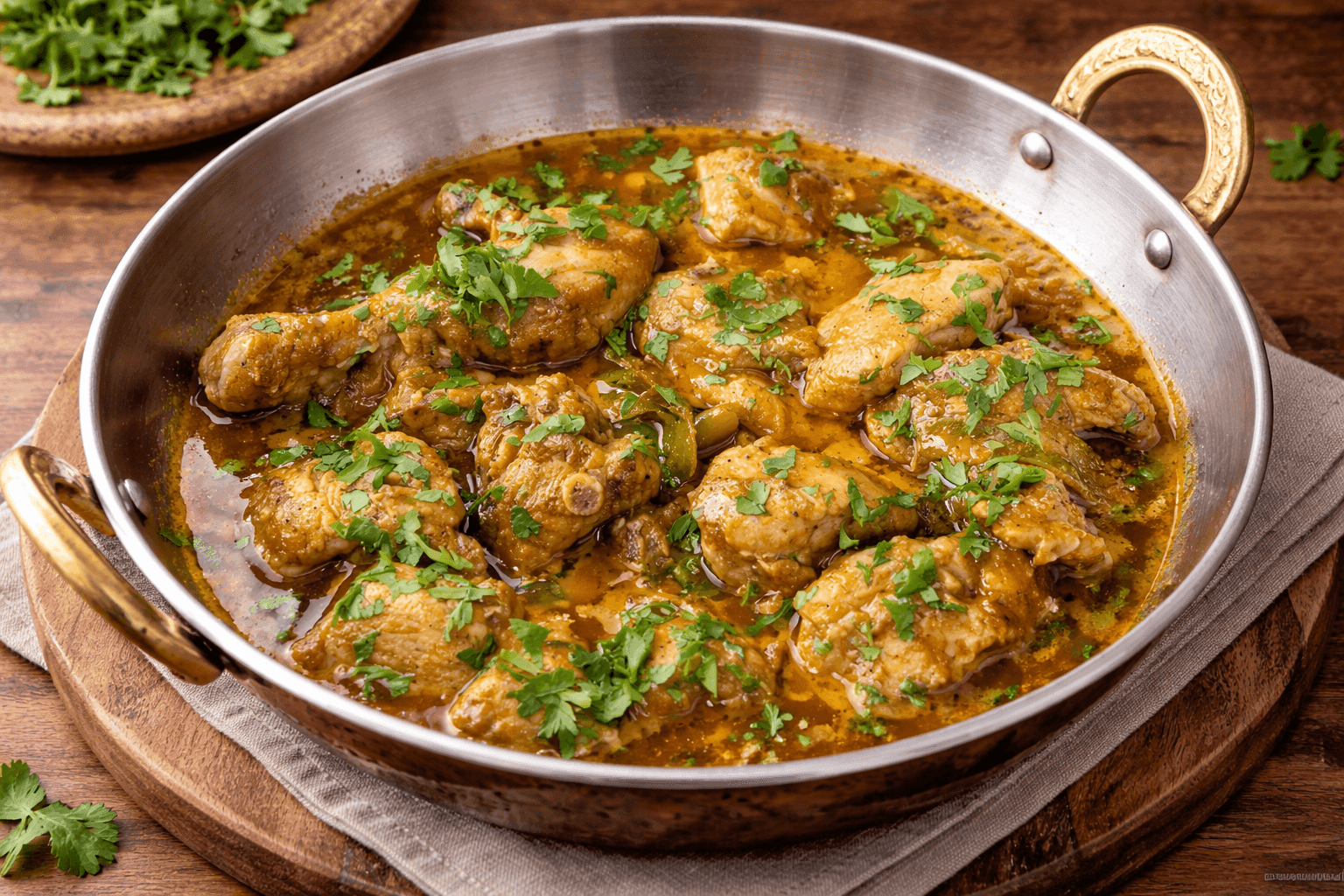
Afghani Chicken Karahi

Food Fusion
Chef
“Asad Memon and Saima Asad are the founders of Food Fusion, Pakistan’s leading digital food channel. They revolutionized home cooking with short, high-quality, and easy-to-follow video recipes for global audiences.”

Aarif
Food Journalist
Aarif is a devoted content writer at Regional Heritage Food (RHF), passionate about cooking and travel. He shares his culinary experiences and discoveries, inspiring others to explore new recipes and flavors.
No Onions, Pure Smoke & Bold Spice| The GT Road Dhaba Karahi Made at Home in Under 30 Minutes.
There is a specific kind of stop that happens on the GT Road late at night. The bus has pulled over at a dhaba somewhere between Lahore and Peshawar, or between Islamabad and Attock, and you have fifteen minutes. The chicken karahi arrives in under ten minutes and it is nothing like anything you have made at home.
This is Food Fusion's Highway Style Afghani Chicken Karahi, and the first thing to understand about it is what it is not. It is not a slow-cooked home curry layered with whole spices and a long ingredient list. It is not a restaurant karahi built on an onion base and simmered for an hour. It is a dhaba dish, which means it is built for speed and maximum flavour from a minimal set of ingredients. The entire cook from raw chicken to garnished plate is under 30 minutes.
The spice list is three items: black pepper, garam masala, and salt. There is no onion anywhere in the recipe. What produces the depth in this dish is not complexity of ingredients but ferocity of technique. The bhunai, the high-heat, continuous stirring that drives off moisture, caramelizes the tomato masala, and separates the oil from the gravy.
Why This Recipe Works Better Than Others
No Onion Is the Correct Choice
Onion takes time to cook and adds sweetness. Dhaba karahi is not sweet, it is sharp, smoky, and tomato-forward. Leaving onion out lets the tomato's natural acidity come through cleanly, and gives the black pepper and ginger nothing to compete with.
Fresh Tomato Puree Makes a Cleaner Base
Tinned tomatoes are processed at high heat and carry a faint sweetness that makes home karahi taste slightly flat. This recipe steams five fresh tomatoes, removes the skins, and blends them in four minutes. The result is a base that is brighter, more acidic, and tastes like actual tomatoes.
Black Pepper Is the Defining Spice
Most karahi recipes use red chili for heat. This recipe uses black pepper as the primary spice, which is what makes it taste Afghani. Black pepper's heat is sharp and immediate and fades quickly. It gives the karahi a bold, punchy character without the sustained burn of red chili.
Bhunai Creates the Depth
The bhunai is not just cooking the chicken and tomatoes together. High heat with continuous pressing against the pan does three things: it drives off moisture so the masala concentrates, caramelizes the tomato sugars for roasted depth, and separates the oil from the masala. When the oil rises and pools on the surface, the bhunai is done.
Yogurt Goes in Last for a Glossy Finish
Yogurt added after the bhunai emulsifies with the separated oil and concentrated masala into a smooth, glossy gravy. It adds tang, rounds the acidity, and makes the sauce cling to bread. It must be whisked smooth and at room temperature before it goes in because cold or lumpy yogurt in a hot pan splits immediately.
Prep Time
10 min
COOK TIME
20 min
Total Time
30 min
Servings
4
Ingredients
 Chicken750 g
mix boti and curry pieces
 Tomatoes5 units
Medium
 Water0.5 cup
 Cooking oil0.5 cup
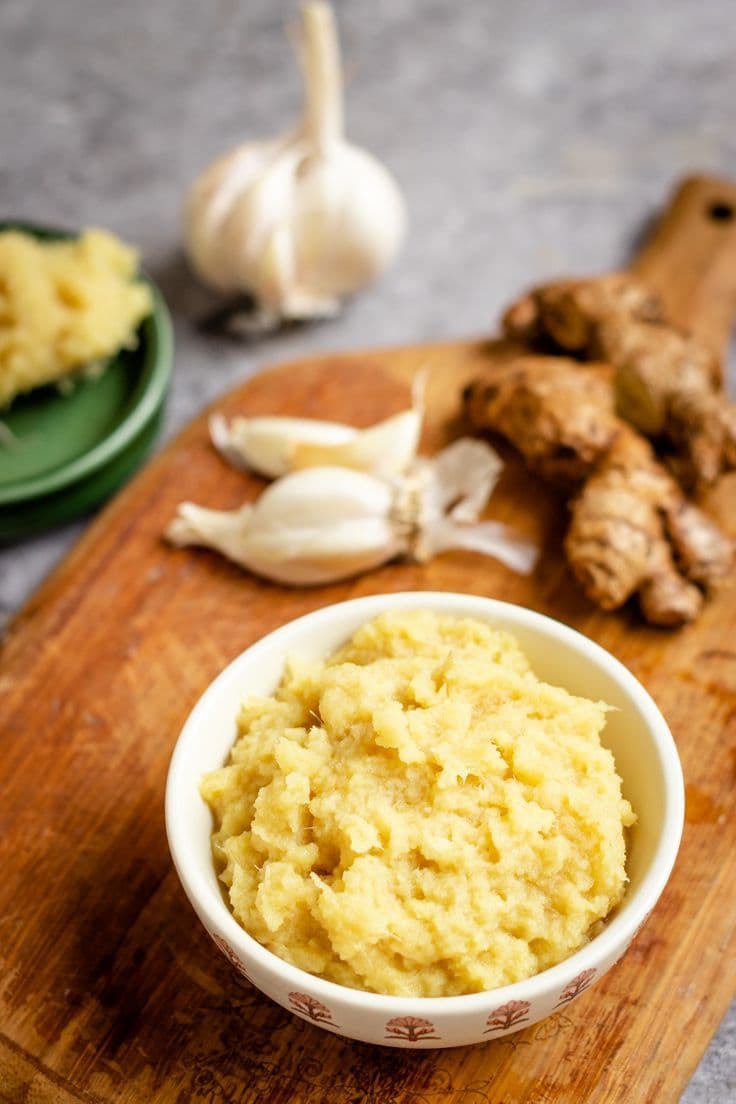 Ginger-garlic paste2 tbsp
Method
MAKE THE FRESH TOMATO PUREE
Cut all 5 tomatoes in half. Place them cut-side down in a frying pan or small pot.
Add half a cup of water and cover with a lid.
Cook on medium flame for 2 to 3 minutes until the skins have loosened visibly and the tomatoes are soft and beginning to collapse.
Remove from heat and allow to cool for 2 minutes to handle. Use tongs or a spoon to peel away and discard all the tomato skins.
Transfer the skinned tomatoes and any liquid in the pan to a blender and blend until completely smooth. Set the puree aside near the stove.
Chef's Tip:
Begin heating the oil in the karahi while the tomatoes steam, the two preparations can run simultaneously and save several minutes. The tomato puree should be ready by the time the chicken has been cooking for 3 to 4 minutes in Step 2. Blend the puree thoroughly until there are no chunks remaining. A partially blended puree with tomato pieces creates an uneven gravy where some parts are thick and some are thin. Smooth puree distributes evenly through the masala during bhunai.
SEAR THE CHICKEN ON HIGH HEAT
Heat half a cup of cooking oil in a heavy-bottomed karahi or wok over high flame until it is visibly hot and a drop of water flicked into it sizzles immediately on contact. Add all the chicken pieces.
Spread them out and cook on high heat, stirring occasionally, until the chicken has changed colour on all surfaces and the outside is no longer visibly raw or pink, approximately 5 minutes.
The karahi should sound loud and active throughout.
Chef's Tip:
Do not reduce the heat and do not add any liquid. The chicken releases its own moisture as it cooks on high heat and this moisture evaporates rapidly in the hot oil. This evaporation is what concentrates the chicken flavour at the surface of each piece. Chicken cooked on medium heat in too much liquid at this stage tastes boiled rather than seared. The karahi must be genuinely hot, not warm when the chicken goes in.
ADD GINGER-GARLIC PASTE AND GREEN CHILIES
Add 2 tablespoons of ginger-garlic paste to the chicken in the hot karahi. Stir thoroughly to coat all the chicken pieces.
Cook on high heat for 2 to 3 minutes, stirring regularly, until the raw smell of the ginger and garlic has completely disappeared and the paste has cooked into the chicken surface.
Add the julienned green chilies. Stir to combine and cook for a further 1 to 2 minutes until the chilies begin to soften and their aroma opens into the hot oil.
Chef's Tip:
The raw smell test for ginger-garlic paste is important. Undercooked ginger-garlic paste has a sharp, slightly acrid raw note that carries through to the finished dish. Cook it until the kitchen smells roasted and aromatic rather than raw. This usually takes 2 full minutes on high heat with continuous stirring. Julienned green chilies rather than roughly chopped ones are specified because thin strips wilt and integrate smoothly into the masala during bhunai rather than sitting as visible pieces in the finished gravy.
ADD TOMATO PUREE AND BHUNAI
Pour the blended fresh tomato puree over the chicken and spiced oil. Stir everything together thoroughly.
Now begin the bhunai. Increase the heat to the highest possible flame. Using a wooden spoon or spatula, cook the mixture while continuously stirring, pressing, and scraping the masala against the sides and base of the karahi in an active, rhythmic motion.
Do not pause. Cook this way for 8 to 10 full minutes.
Watch the masala as it changes. The puree will bubble vigorously at first, then gradually lose its wet, liquid character as the moisture evaporates.
The colour will deepen. The mixture will start to look concentrated and almost dry.
When the oil separates visibly from the masala and pools at the edges and surface of the karahi, the bhunai is complete.
Chef's Tip:
This is the most important step in the entire recipe and most people shortcut by reducing heat or stepping away. The bhunai must be performed on the highest flame you have, with continuous active stirring, for the full 8 to 10 minutes. It cannot be simmered. It cannot be occasionally stirred. The physical combination of high heat, continuous motion, and the reduction of moisture is what produces the caramelized, roasted depth that makes this dish taste like a dhaba. A Karahi that has been properly bhunai and one that has been merely simmered taste like two different dishes.
ADD THE SPICES
Add 1 teaspoon of salt, 1.5 teaspoons of black pepper powder, and half a teaspoon of garam masala powder directly to the hot masala.
Stir immediately and thoroughly so the spices distribute evenly through the concentrated tomato and chicken mixture with no dry powder pockets remaining.
Cook for 1 minute, stirring, to bloom the spices in the hot, oil-rich masala.
Chef's Tip:
The spices are added after the bhunai is complete, not before. Adding ground spices to a wet tomato puree at the start and then bhunai them for 10 minutes would burn them before the moisture evaporated. Adding them to an already-concentrated, oil-separated masala allows them to bloom quickly and evenly in the hot fat without risk of burning. One minute of cooking after adding is enough, the masala is hot and concentrated and the spices activate very quickly.
ADD WHISKED YOGURT AND FINAL FINISH
Remove the yogurt from the refrigerator at the start of Step 1 so it has time to reach room temperature. Whisk it smooth immediately before this step.
Add the half cup of whisked, room-temperature yogurt to the karahi.
Stir quickly and continuously from the moment it goes in to prevent splitting.
Cook for 3 to 4 minutes, continuing to stir, until the oil separates again from the yogurt-masala mixture and the gravy reaches a thick, glossy, cohesive consistency.
The gravy should look visibly richer and more unified than before the yogurt was added.
Chef's Tip:
Two conditions must be met simultaneously for the yogurt not to split. It must be at room temperature and it must be whisked completely smooth before adding. A yogurt that is at room temperature but not fully whisked will have lumps that do not integrate before the heat seizes them. A yogurt that is smooth but cold will experience thermal shock from the hot masala and the proteins will seize into separate white curds floating in yellow oil. Both conditions together prevent splitting entirely. Stir continuously for the first full minute after adding.
GARNISH AND SERVE IMMEDIATELY
Remove the karahi from the heat.
Scatter fresh coriander generously over the top and lay ginger julienne across the surface.
Serve immediately from the karahi. This dish is at its absolute best in the first 5 to 10 minutes after coming off the heat when the gravy is hot, glossy, and still moving.
Place the karahi directly on the table with naan or tandoori roti alongside.
If using the optional coal smoking technique, do it now: place a small piece of burning coal in a foil cup in the center of the karahi, drizzle two or three drops of oil directly onto the coal, and cover immediately with a lid for 2 minutes. Remove the foil cup before serving.
Chef's Tip:
The coal smoking step, called dhuan, is the single addition that moves this dish from excellent home cooking to the precise smell and experience of a GT Road dhaba. The smoke from the coal infuses into the gravy in two minutes and produces a depth of smoky aroma that no spice can replicate. Small pieces of coal suitable for dhuan are available at most Pakistani grocery stores. Use only natural charcoal, not briquettes with lighter fluid. The coal must be genuinely burning and glowing before it goes into the dish, a piece that is only warm will not produce enough smoke.
Secret Technique: The Bhunai Is the Dish
Most people who make this recipe for the first time and find it does not taste like the dhaba version have made the same mistake: they reduced the heat during Step 4, or they added a splash of water when the masala looked too dry, or they stirred occasionally rather than continuously. Any one of these three actions stops the bhunai and converts the cooking process from caramelization to simmering. Simmered tomato with chicken is a curry. Bhunai-ed tomato with chicken is a karahi. The difference is audible a properly bhunai-ing karahi is loud and crackling. A simmering pot is quiet and gentle. If your karahi sounds quiet during Step 4, the heat is too low. The masala will look alarmingly dry and concentrated in the final two minutes before the oil separates, this is correct. This is the moment the flavour compounds in the tomato are caramelizing against the hot karahi surface and the fat is carrying those compounds throughout the dish. If it looks too dry, do not add water. Keep stirring. The oil separation that follows is the reward for holding the heat.
Nutritions
Per Serving (approx. 220g with gravy)
People Also Ask
This is not a missing ingredient. It is the defining characteristic of highway and dhaba style karahi. Onion takes time to soften and caramelize and it adds sweetness to the base. Dhaba cooking prioritizes speed and a clean, bold tomato-forward flavour profile that onion sweetness dilutes. Without onion, the tomato puree, black pepper, and ginger-garlic paste are the only flavour foundations, and they produce a sharper, more direct result that is characteristic of roadside restaurant karahi. The absence of onion is what makes this recipe taste different from a standard home curry.
Bhunai is the active, continuous, high-heat stirring and pressing of ingredients against the karahi walls that is the central technique of karahi cooking. It is not an occasional stirring. It is not simmering. It is loud, hot, and requires full attention for 8 to 10 minutes. You know bhunai is complete when the oil visibly separates from the masala and pools at the edges and surface of the karahi. The masala will look concentrated, darker, and almost dry at the moment before the oil separates. This is correct and should not be interrupted with water.
Two conditions must both be met to prevent yogurt from curdling: it must be at room temperature when added, and it must be whisked completely smooth before adding. Cold yogurt experiences thermal shock from the hot masala. Unwhisked yogurt has lumps that seize before they can integrate. If both conditions are met and you stir continuously from the moment the yogurt goes in, curdling does not happen. Take yogurt from the refrigerator at the start of the recipe, not five minutes before Step 6. Whisk it just before adding. Stir without pausing for the first full minute.
Yes, but the result will be noticeably lighter. Bone-in chicken releases collagen and natural fat from the marrow and connective tissue into the gravy as it cooks, producing a richer, more body-forward sauce. Boneless chicken produces a thinner gravy with a cleaner chicken flavour. If using boneless, reduce the cooking time in Step 2 by 1 to 2 minutes and watch carefully in Step 4 to avoid overcooking during the bhunai. The spice quantities remain the same.
Store in an airtight container in the refrigerator for up to 2 days. The oil in the gravy will solidify when cold, this is normal. Reheat gently in a pan over medium heat, adding a splash of hot water if the gravy looks too thick, and stir regularly until hot throughout. Do not microwave, it heats unevenly and can make the chicken rubbery. Unlike slow-cooked dishes, this karahi is best fresh and is at its absolute peak in the first 10 minutes after cooking. Reheated next-day karahi is still good but noticeably different from the fresh version.