
Stuffed Bhindi

Kabita's kitchen
Chef
“Kabita Singh, creator of Kabita’s Kitchen, is an Indian YouTuber and self-taught cook known for her simple, home-style recipes. Starting as a homemaker, she turned her passion for cooking into a digital career, amassing over 14 million YouTube subscribers and becoming a leading culinary influencer in India”

Aarif
Food Journalist
Aarif is a devoted content writer at Regional Heritage Food (RHF), passionate about cooking and travel. He shares his culinary experiences and discoveries, inspiring others to explore new recipes and flavors.
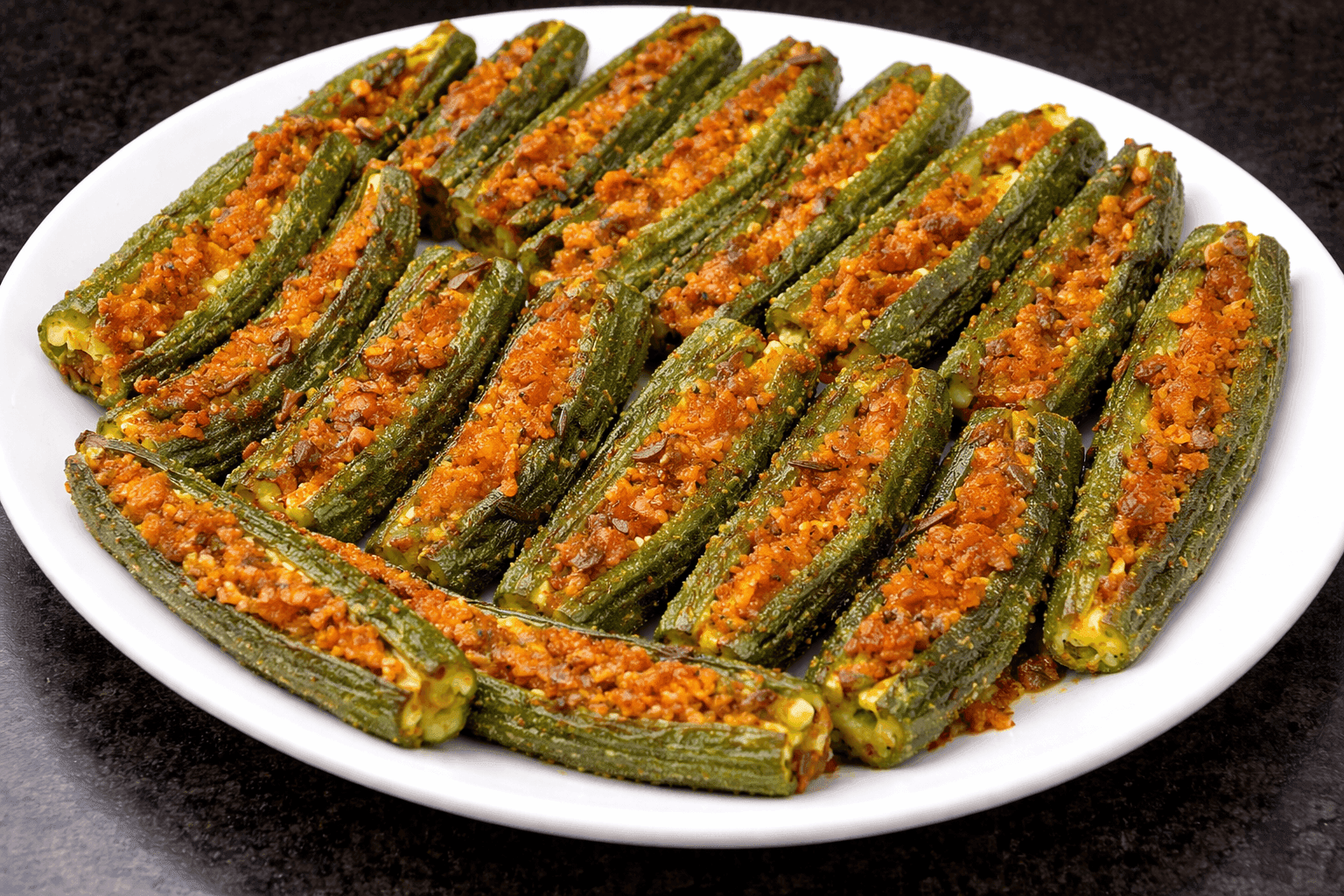
Spice-Packed Whole Bhindi Okra: Dry-Roasted Filling and the Low-to-High Flame Crunch.
Bhindi divides a room. People who love it eat it every chance they get. People who do not love it have almost always had it cooked wrong like waterlogged, slimy, with the filling leaking out into the oil and the okra collapsing into a soft mush before it reaches the plate. The problem is never the bhindi. The problem is the technique. And the technique for bhindi, more than almost any other vegetable in Indian and Pakistani cooking, is specific and unforgiving of shortcuts.
Kabita's Stuffed Bhindi recipe is built around four decisions that eliminate every common bhindi failure at once: washing and completely drying the okra before any knife touches it, using a dry besan masala filling that contains no liquid, cooking without adding any water whatsoever, and finishing on high heat for 30 seconds at the very end to crisp what the low-flame cook has made tender.
The result is bhindi that is tender all the way through with a filling that has dried into the cavity rather than leaked out, cooked without a trace of sliminess, with a slight crispness on the exterior that no wet-cooked okra can produce. It is a dish that regularly converts people who believe they do not like bhindi because what they had before was never this.
Why This Recipe Works Better Than Others
Sliminess Explained and Eliminated:
Mucilage, a soluble fiber in the pod interior, is released when the cut surface contacts moisture. Two conditions trigger it: cutting wet bhindi and adding water during cooking. This recipe eliminates both. The bhindi is dried completely before cutting, the besan filling contains no liquid, and no water enters the pan at any point. Follow the drying instructions precisely and the finished bhindi will be completely slime-free every time.
Dry Besan Filling Does Not Leak:
Wet fillings liquefy as heat rises, leak into the pan, and burn on the surface while leaving the vegetable underfilled and under-seasoned. The besan filling here is entirely dry. Besan absorbs residual moisture from the bhindi interior during cooking rather than releasing any of its own. By the time the okra is cooked, the filling has toasted against the interior walls and become integrated into the pod rather than a separate layer that fell out.
Amchur Provides Acidity in a Dry Format:
In a dry stuffed vegetable where no liquid can be added, lemon juice, yogurt, and tomatoes are all impossible. Amchur (dry mango powder) provides fruity tartness in completely dry powder form. Half a teaspoon is what makes the filling taste balanced and interesting rather than just spicy and flat. Without it the same filling with all other spices identical tastes noticeably flatter.
Two-Stage Heat Produces Tenderness and Crispness Together:
Low heat with a half-covered lid for 6 to 8 minutes allows the bhindi to cook completely from the inside while steam escapes so the okra stays dry. Then the lid comes off, the flame goes to high for 30 seconds, and the exterior crisps against the hot pan surface. Neither high-heat frying alone nor fully covered low-heat cooking produces this result.
Cumin Bloomed in Oil Before the Bhindi Creates the Aromatic Base:
Cumin seeds given 30 seconds alone in hot oil release their fat-soluble aromatic compounds into the cooking fat before any other ingredient arrives. The bhindi then cooks on this cumin-infused oil throughout the entire low-flame stage, producing a cohesive fragrance across the whole dish rather than two separate elements in the same pan.
prep time
10 min
STUFFING
10 min
cook time
15 min
Total Time
35 min
servings
2
Ingredients
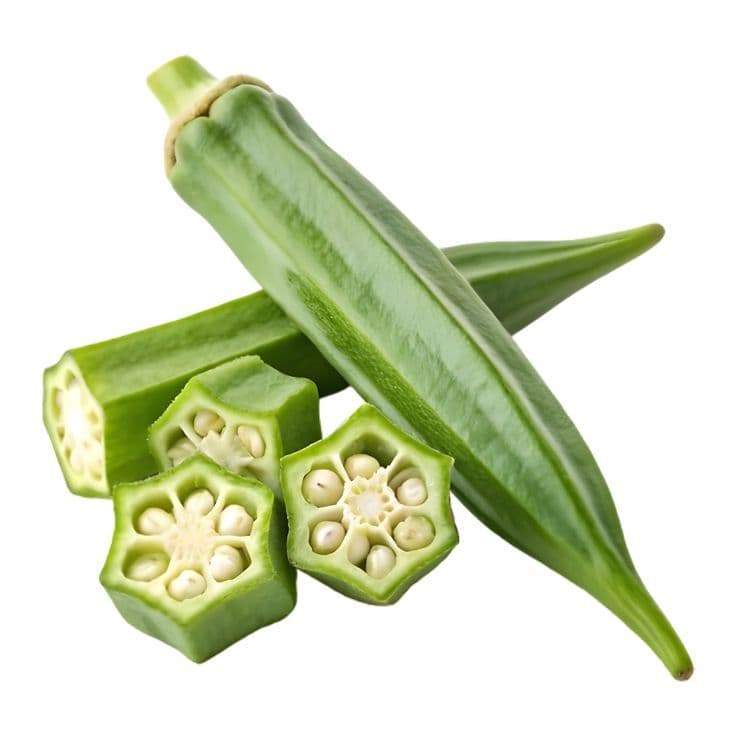 Bhindi (okra)250 g
uniformly dark green pods that snap cleanly when bent. Medium-sized pods of 7 to 10 cm are ideal for stuffing. Avoid soft, spotted, or spongy pods.
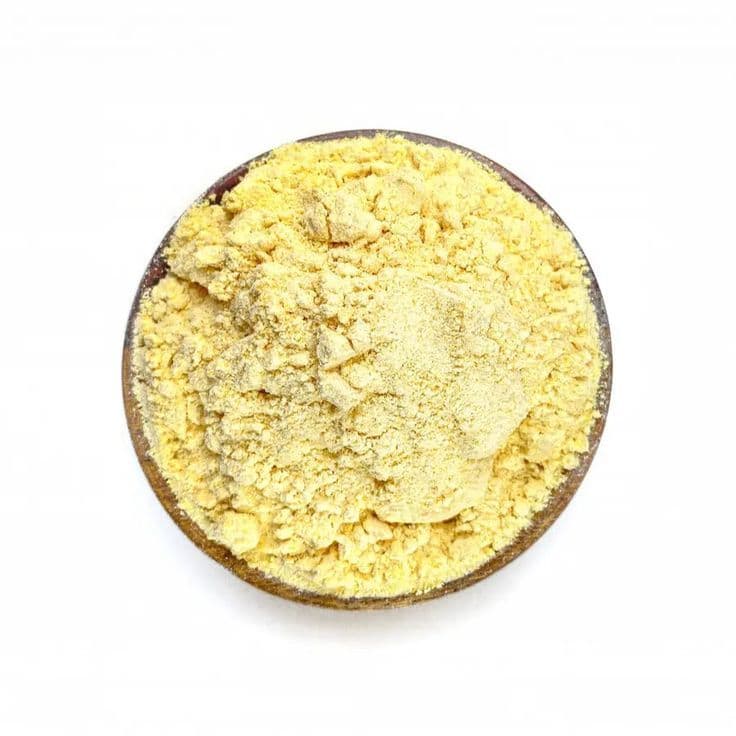 Besan (gram flour)3 tbsp
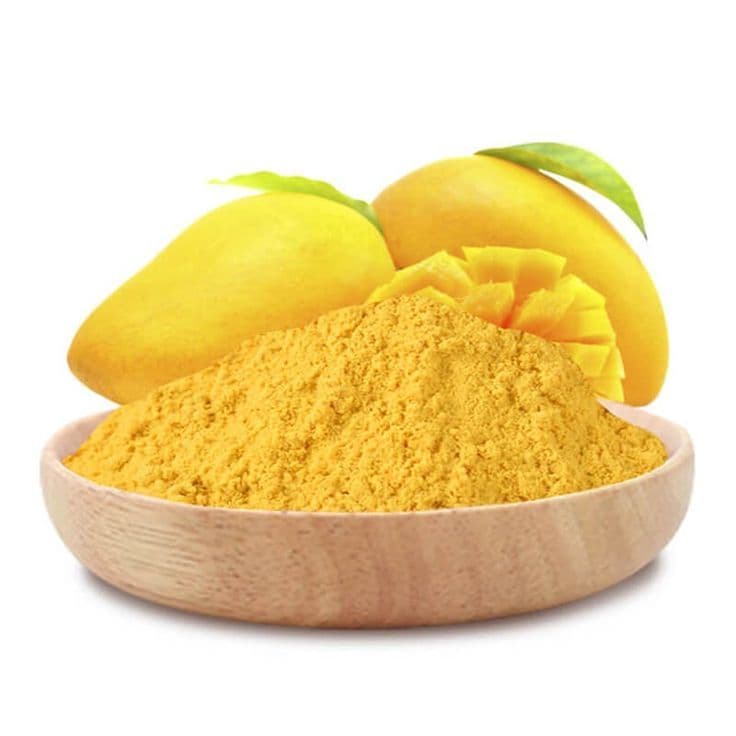 Dry mango powder (amchur)0.5 tsp
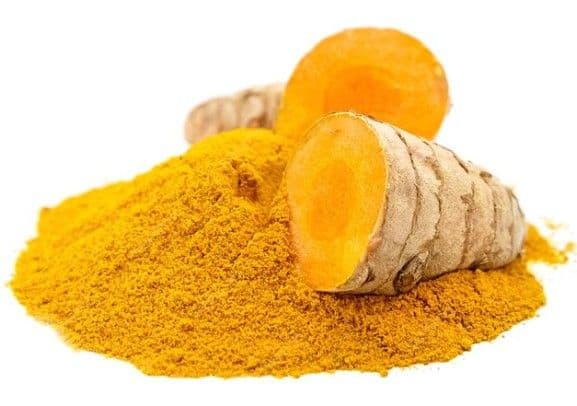 Turmeric powder0.3 tsp
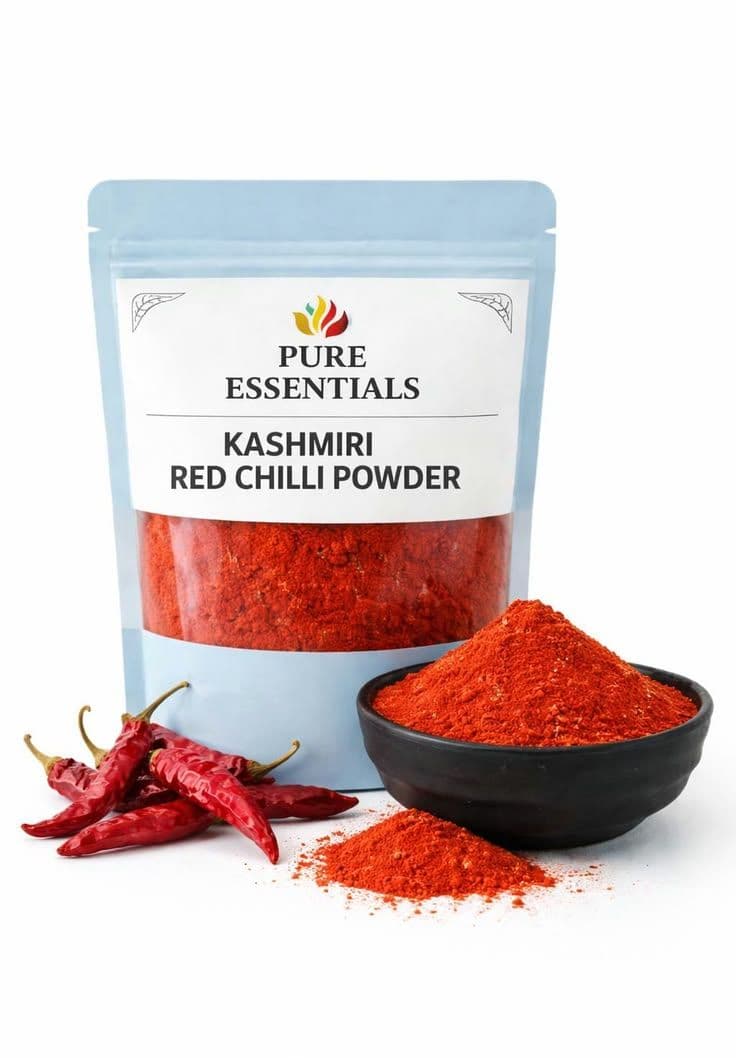 Red chili powder0.3 tsp
Method
Wash, Dry, And Slit The Bhindi
Wash all 250g of bhindi under cold running water. Spread on a clean dry cloth and pat every surface of every pod thoroughly dry. Leave to air-dry for 5 minutes.
Once completely dry, trim the hard stem end of each pod. Make a lengthwise slit along the top surface of each pod from just below the stem to about 1 cm from the tail.
The slit should open the cavity without cutting through to the other side, leaving the bhindi in one piece like an open pocket.
After slitting, use a dry cloth to gently blot the inside of each slit to remove any interior moisture the knife has exposed.
Chef's Tip:
Dry the bhindi twice, outside after washing, inside after slitting. The interior of a fresh okra pod is significantly wetter than the outer skin. Blotting each slit adds 10 seconds per pod and is the difference between stuffing that adheres cleanly and stuffing that slides out during cooking. This double-drying technique eliminates sliminess even in humid kitchens
Mix The Dry Stuffing
In a small bowl combine 3 tablespoons of besan, half a teaspoon of amchur, one-third teaspoon each of turmeric and red chili powder, half a teaspoon of garam masala, salt to taste, and 1 tablespoon of crushed fresh ginger or garlic paste.
Mix thoroughly until all spices are evenly distributed through the besan and the paste is worked in without large lumps.
The mixture should feel slightly damp from the paste but still crumbly overall and not wet enough to clump into a solid ball.
Chef's Tip:
Taste the raw stuffing mixture before filling. It should taste boldly spiced and assertive. The flavour mellows noticeably during cooking inside the bhindi. If the raw mixture tastes only mildly spiced, the finished bhindi will be under-seasoned. Adjust salt, red chili, and amchur now. Once the pods are stuffed and in the pan, seasoning cannot be corrected.
Stuff The Bhindi
Hold each slit bhindi with the opening facing up. Use a small spoon or the tip of a finger to press a pinch of the stuffing mixture into the cavity, filling from stem end to tail end.
Press firmly enough that the filling sits inside without spilling when the bhindi is turned upright, but do not overfill to the point where the slit is forced completely open.
The okra should close partially over the filling. Place each stuffed pod flat on a plate as you go. Do not stack them.
Chef's Tip:
Use approximately half to one teaspoon of filling per pod depending on size. Distribute all the stuffing mixture evenly across all the bhindi for consistent filling ensures even seasoning and uniform cooking. If any raw filling mixture remains after all pods are stuffed, press a little extra into each one before cooking
Bloom The Cumin Seeds
Heat 2 tablespoons of oil in a wide, flat pan or tawa over medium heat until a single cumin seed dropped in sizzles immediately on contact.
Add the half teaspoon of cumin seeds. Allow them to sizzle for 20 to 30 seconds, stirring once, until fragrant and slightly darkened from their raw colour.
Do not let them turn black, burnt cumin is bitter and carries that bitterness into the oil the bhindi will cook in.
Chef's Tip:
A wide pan is essential for this recipe. All 250g of stuffed bhindi must sit in a single layer with space between each pod during the covered cook. Overcrowding creates steam between the pods that activates the mucilage in the okra and causes sliminess. If the pan cannot fit all the bhindi in a single layer, cook in two batches rather than overcrowding.
Low-Flame Covered Cook
Place all the stuffed bhindi in the cumin-oil pan in a single layer, filling-side up where possible, to keep the stuffing inside during the early part of the cook.
Reduce the flame to low. Place a lid over the pan but leave it slightly ajar and approximately a 1 cm gap.
This half-covered position allows gentle heat to accumulate while letting steam escape so the okra cooks through without becoming wet.
Cook on low flame for 6 to 8 minutes. After 6 minutes, press the thickest part of one pod gently, it should feel noticeably softer.
Turn or toss the bhindi gently once or twice during this stage.
Chef's Tip:
The half-open lid position is deliberate and specific. A fully sealed lid traps steam and makes the bhindi wet and slimy even if the pods were dried perfectly. A fully open pan on low heat may not generate enough warmth to cook thicker pods all the way through. If the lid has no steam vent, tilt it against the rim of the pan to leave the correct gap.
High-Flame Crisp Finish
Once the bhindi is tender throughout, remove the lid completely. Increase the flame to high.
Toss the bhindi gently and cook on high for 30 seconds, turning once, until the surfaces in contact with the hot pan develop a slight crispness and any residual surface moisture evaporates.
The bhindi will look slightly darker and more concentrated in colour. Remove from the heat immediately.
Chef's Tip:
The 30-second high-heat finish is precise and less than 20 seconds and the crispness does not fully develop, more than 45 to 60 seconds and the besan filling at the edges begins to over-brown and turn bitter. The visual cue is a slight tightening and colour deepening of the exterior skin. Remove the moment you see this.
Serve Immediately
Transfer the stuffed bhindi to a serving plate and serve hot at once. Best eaten within a few minutes of cooking while the exterior is still slightly crisp and the filling is warm and fragrant.
Serve as a side dish with fresh chapati, roti, or phulka. For a tiffin or lunchbox, pack in a dry container without sauce, the dry cooking method means the bhindi holds its texture for 2 to 3 hours without becoming soggy.
Chef's Tip:
Do not cover the serving plate if not serving immediately. Covering traps steam and softens the exterior crispness within minutes. Leave uncovered at room temperature, the bhindi holds its texture better uncovered for 10 minutes than covered for 5. For a gathering, complete the low-flame covered stage in advance and hold uncovered, then do the 30-second high-flame finish immediately before bringing to the table
Secret Ingredient: Amchur, The Dry Powder
Amchur, made from unripe green mangoes that are sliced, sun-dried, and ground into a fine powder, is the souring agent most specifically suited to dry-cooked vegetable dishes. In a wet curry, acidity comes from tomatoes, yogurt, or lemon juice.
In a dry stuffed bhindi where no liquid can be added, none of those alternatives are possible without ruining the technique. Amchur provides fruity tartness in completely dry powder form. It dissolves into the besan during cooking and distributes evenly through the filling without any moisture.
Half a teaspoon is what makes the filling taste layered, bright, and complete rather than just spicy and flat. Without it the same filling with all other spices identical tastes noticeably flatter.
Nutritions
Per Serving (approx. 80 to 90g cooked bhindi)
People Also Ask
Sliminess is caused by mucilage, a soluble fiber released when the cut surface of the pod contacts moisture. Two conditions trigger it: cutting wet bhindi and adding water during cooking. This recipe eliminates both. The bhindi is dried completely before cutting, the besan filling contains no liquid, and no water is added to the pan at any point. Follow the drying instructions precisely and the finished bhindi will be completely slime-free every time.
Three causes account for this. The slit was cut too deep and the bhindi is opening fully, make the slit shallower, stopping well before cutting through to the other side. The filling was overstuffed and the pod cannot close over it. Use slightly less per pod and press the slit edges gently closed after stuffing. The bhindi were turned too aggressively. Use tongs and turn as few times as necessary during the covered stage.
Yes. Fine semolina (sooji) provides similar binding and toasting quality. Finely crushed peanuts make a nuttier filling with good binding. The cooking method is identical. Besan is preferred because it is neutral in flavour, absorbs residual bhindi moisture, and toasts to a subtle nuttiness during cooking that complements the spices without competing with them.
Yes. Lightly brush or spray the stuffed bhindi with oil and arrange in a single layer in the air fryer basket. Air fry at 180 to 190 degrees Celsius for 10 to 12 minutes, shaking gently halfway through. The air fryer produces a crispier exterior than the pan method. Do not stack the bhindi in the basket.
Select pods that are firm when squeezed and snap cleanly when bent. The skin should be uniformly dark green with no brown spots or soft areas. Spongy pods are past peak freshness and will turn mushy during cooking. Medium-sized pods of 7 to 10 cm are ideal, large pods have denser skin that takes longer to cook through, small pods are difficult to slit and fill without cutting through.