
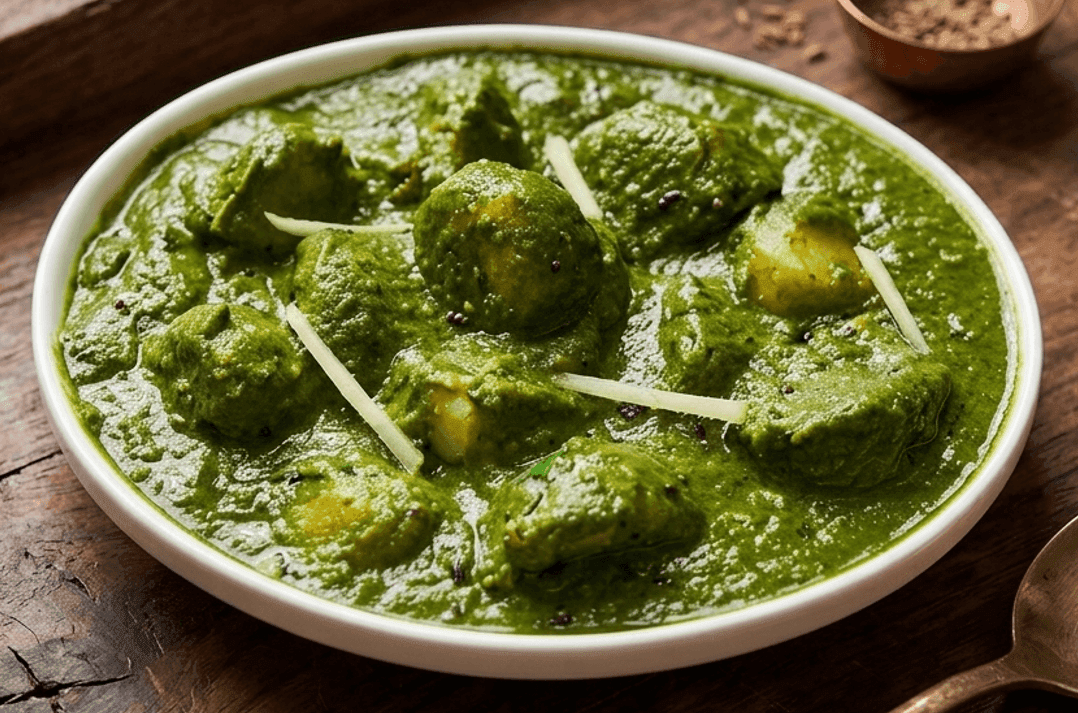
Aloo Palak

Nisha Madhulika
Chef
“Nisha Madhulika is an iconic Indian chef and entrepreneur, revered for simplifying classic vegetarian recipes on YouTube. Her massive channel provides accessible, homely guidance to millions, significantly shaping India's digital food culture and inspiring domestic cooks across the globe.”

Aarif
Food Journalist
Aarif is a devoted content writer at Regional Heritage Food (RHF), passionate about cooking and travel. He shares his culinary experiences and discoveries, inspiring others to explore new recipes and flavors.
A Simple, Healthy Spinach and Potato Vegetable Curry | Dry or Gravy Version
Spinach is one of those vegetables that every Asian kitchen uses but few recipes do justice to. In its most authentic form it requires no onion, no garlic, and no elaborate spice blends: just the sweet nuttiness of cumin crackling in oil, the warmth of asafoetida (hing), a little heat from green chillies, the earthiness of turmeric, and the clean green intensity of fresh spinach cooked together quickly so the palak keeps its colour and the potatoes keep their structure.
Nisha Madhulika, the beloved home-cook educator, presents Aloo Palak in its two most practical forms: a dry bhujia version (palak aloo sookhi sabzi) where the water is cooked off and the vegetables are coated in dry spice, and a gravy version (aloo palak curry) where tomatoes and a little flour or gram flour create a light, clinging sauce. Both versions begin identically and diverge only at the tomato stage.
Why This Recipe Works Better Than Other
No Onion, No Garlic and Still Full of Flavour
Nisha Madhulika's Aloo Palak uses neither onion nor garlic, a deliberate choice that reflects both her cooking philosophy and a practical truth: spinach has a strong, clean flavour that is easily overpowered by onion. Without onion, the cumin and asafoetida bloom directly in the oil and their flavours transfer cleanly into the spinach without competition.
Direct Method Preserves the Green Colour
For the gravy version, Nisha Madhulika blanches the spinach in hot water for 4-5 minutes, then immediately transfers it to cold water before blending to a puree. This blanch-and-shock method sets the chlorophyll and keeps the finished gravy a vivid, appetising green rather than the dull olive-brown that spinach turns when boiled in gravy without blanching. For the dry version, the spinach is added directly to the pan and cooked rapidly on high heat, the speed of cooking preserves the colour without needing a blanch.
Lemon Juice Added at the End Brightens the Entire Dish
A teaspoon of fresh lemon juice stirred into the finished sabzi just before serving is one of Nisha Madhulika's signature finishing moves. Acid brightens and sharpens every flavour already in the pan, the spinach tastes greener, the spices taste more defined, and the potatoes taste less starchy. This last-minute addition costs nothing and takes two seconds, and it transforms a competent aloo palak into a memorable one.
Two Versions from One Recipe Base: Dry and Gravy
The bhujia (dry) version and the curry (gravy) version share exactly the same first four steps. The recipes diverge only when tomatoes are added for the gravy version. This means home cooks can make a decision about consistency at the tomato stage based on what they are serving it, dry bhujia with paratha, gravy with rice or roti.
prep time
10 min
Wash & Chop
10 min
Cook time
35 min
servings
3
Ingredients
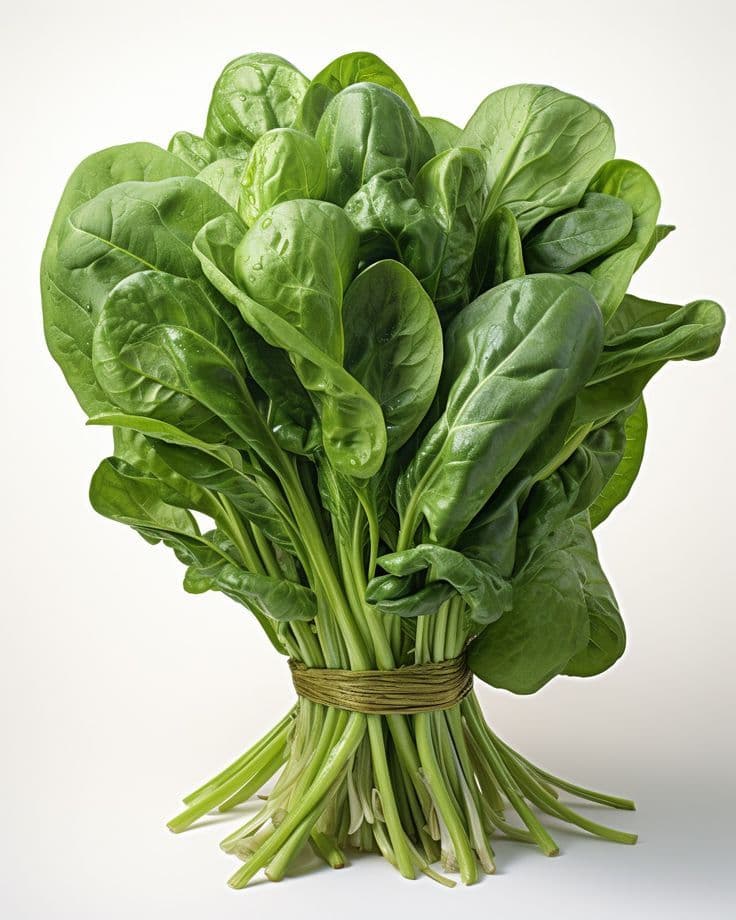 Spinach500 g
washed and stems removed
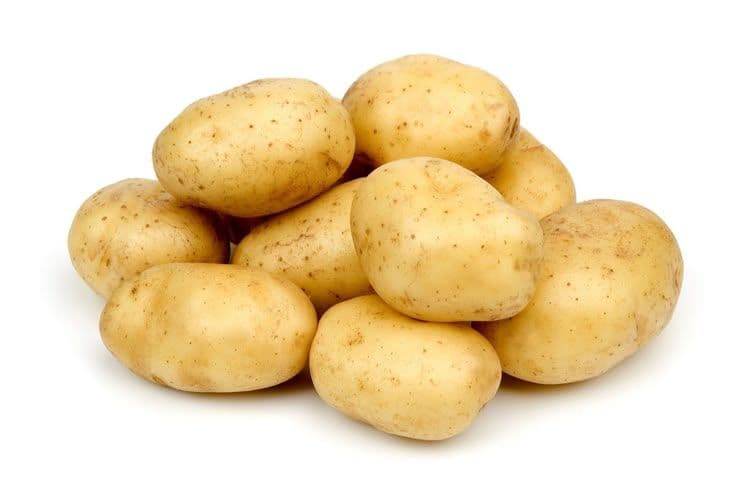 Potatoes250 g
peeled and cubed (1-inch)
 Oil1.5
 Asafoetida (hing)2 pinches
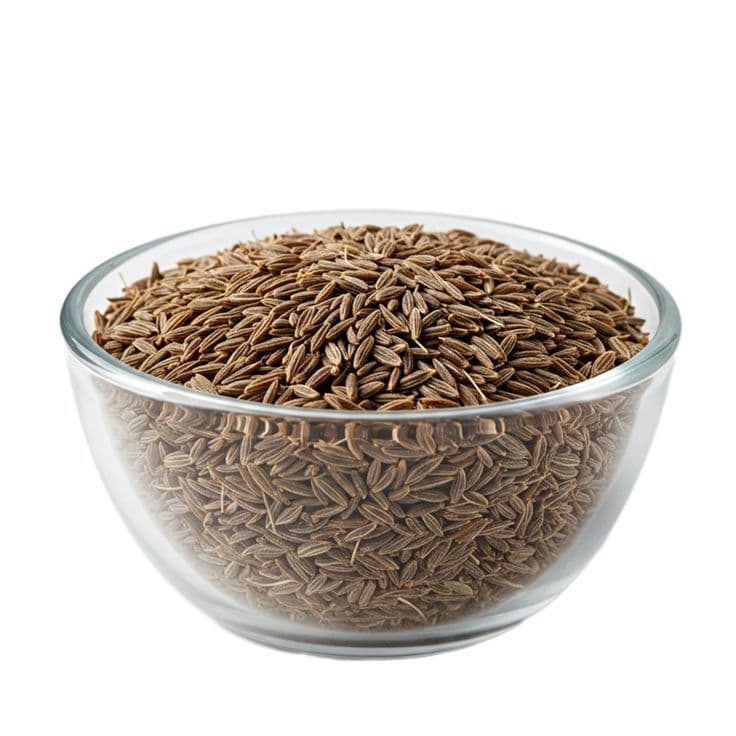 Cumin seeds (jeera)0.25 tsp
Method
Prepare the Spinach
Remove the stems from 500g of fresh spinach.
Wash the leaves thoroughly in two changes of fresh water, lifting the leaves out of the water rather than pouring the water off, this leaves any grit behind in the bowl.
Place the washed spinach in a colander and allow to drain for 2-3 minutes.
Once drained, finely chop the spinach leaves.
For the gravy version,
blanch the spinach first: boil 2-3 cups of salted water, switch off the heat, add the washed spinach, cover and let it sit for 4-5 minutes.
Drain, plunge immediately into cold water for 3-4 minutes, drain again, then blend with the green chillies into a smooth or slightly coarse puree.
Chef's Tip:
Washing spinach by submerging in a large bowl of water and lifting the leaves out rather than rinsing under running water, ensures all the grit and sand settles to the bottom of the bowl and is left behind. Spinach grown in sandy soil can carry significant grit that is invisible on the leaf surface but very noticeable in the finished dish.
Prepare the Potatoes
Peel 250g of potatoes and wash well.
Cut into 1-inch cubes, not too small, or they will disintegrate during cooking, and not too large, or they will not cook through in the time the spinach takes.
Keep the cut potatoes submerged in a bowl of cold water until needed, this prevents browning and washes off surface starch, which would otherwise make them sticky.
Chef's Tip:
For the dry bhujia version, the potato cubes should be uniform 1-inch pieces so they cook evenly. For the gravy version, slightly smaller 3/4-inch pieces are better as they soften more quickly and absorb the spinach gravy more thoroughly. Pre-boiling or par-cooking the potatoes (3-4 minutes in the microwave or in boiling water) before adding to the pan significantly reduces the total cook time and ensures the potatoes cook through completely without over-cooking the spinach
Bloom the Aromatics
Heat 1 to 1.5 tablespoons of oil in a kadai or pan over medium heat.
When the oil is hot, add 2 pinches of asafoetida (hing). Let it sizzle for 3-4 seconds, the hing will foam briefly and smell pungent, then mellow.
Add 1/4 teaspoon of cumin seeds. Allow the cumin to crackle and darken slightly approximately 20-30 seconds.
Add the finely chopped green chillies. Stir once.
Add 1/4 teaspoon of turmeric powder. Stir the masala together for 10-15 seconds.
Chef's Tip:
The hing must go into the hot oil first, before the cumin. Hing added cold does not bloom properly and retains a harsh, unpleasant raw smell in the finished dish. 3-4 seconds in hot oil transforms it from harsh and pungent to warm and savoury.
Add Potatoes and Cook
Drain the potato cubes and add them to the pan.
Stir to coat with the masala. Add 1/2 teaspoon of red chilli powder and salt to taste. Stir well.
Cook on medium heat for 2-3 minutes, stirring occasionally.
Then cover the pan with a lid and reduce the heat to low. Cook covered for 7-8 minutes.
After 7-8 minutes, open the lid and check, the potatoes should be nearly cooked through.
If they feel firm when pressed with a spoon, cover and cook for another 6-7 minutes on low heat until completely soft.
Chef's Tip:
Do not add water at this stage even if the pan looks dry. The potatoes will release some moisture as they cook, and adding water before the potatoes are cooked causes them to steam rather than cook in the spiced oil, producing a waterlogged texture rather than the tender, spice-coated result that makes bhujia satisfying.
Add Spinach and Continue
Add the prepared spinach (chopped fresh, for the dry version; or blended puree, for the gravy version) to the pan with the nearly-cooked potatoes. Stir to combine.
For the dry bhujia: cook uncovered on medium-high heat for 3-4 minutes, stirring frequently, until the spinach wilts and any excess water evaporates.
If water is still visible after 4 minutes, increase to high heat for 2-3 minutes until the sabzi is dry and the spinach coats the potato pieces.
For the gravy version: proceed to Step 6.
Chef's Tip:
For the dry version, high heat at the end is not a mistake, it is necessary. The final 2-3 minutes on high heat evaporates the remaining water from the spinach, concentrates the flavours, and gives the finished bhujia a slightly dry, lightly seared quality that a low-heat cook cannot produce. Stir continuously during this high-heat stage to prevent the spinach from sticking and burning
Gravy Version: Add Tomatoes and Thicken
After adding the blended spinach puree in Step 5, add 2-3 grated or finely chopped tomatoes and 1 teaspoon ginger-garlic paste. Stir well.
Cook on medium heat for 5-7 minutes until the tomatoes are fully broken down and the oil begins to separate at the edges of the masala.
Add 1/2 teaspoon of gram flour (besan) or plain flour dissolved in a little water as a thickening agent, stir in and simmer for 2-3 minutes.
Add 1/4 teaspoon of garam masala and 1/2 teaspoon of crushed kasuri methi.
Stir and cook for 1 minute.
Adjust the consistency with a little warm water if needed.
Chef's Tip:
The grated tomato dissolves into the masala in half the time of chopped tomato and produces a silkier, more integrated gravy. This is a standard Nisha Madhulika technique across her curry recipes
Mster Tips: Hing (Asafoetida) Is the Flavour Anchor.
Two pinches of asafoetida bloomed in hot oil before any other spice is the invisible flavour foundation of Nisha Madhulika's no-onion, no-garlic style. Hing, when raw, smells aggressively sulphurous as many cooks avoid it for this reason.
But 3-4 seconds in hot oil transforms it entirely: the harsh compounds cook off and what remains is a warm, savoury, almost onion-like depth that ties the entire dish together. In a sabzi with no onion or garlic, hing is doing the work those aromatics normally do. Without it, aloo palak tastes good. With it, it tastes complete
Nutritions
Per Serving (~200g)
People Also Ask
Colour loss in cooked spinach is caused by chlorophyll degradation during heating. For the dry bhujia version, cook the spinach quickly on medium-high to high heat for 3-4 minutes rather than simmering slowly, fast cooking at higher heat retains more green colour than a long, slow cook.
For the gravy version, always use the blanch-and-cold-water-shock technique before blending, this sets the colour at its brightest point before the spinach is ever added to the masala.
Yes, absolutely, Nisha Madhulika's no-onion, no-garlic version is a personal and philosophical preference rooted in her cooking style, not a requirement of the dish. A very common variation adds 1 finely chopped onion after the cumin crackles and cooks it until golden before adding the potatoes, and includes 1 teaspoon ginger-garlic paste with the tomatoes in the gravy version. This produces a richer, deeper-flavoured curry. The bhujia version works equally well with a small amount of fried onion for those who prefer it.
Three causes produce mushy potatoes: the pieces were cut too small, the potatoes were over-cooked before the spinach was added, or the dish was stirred too aggressively after the potatoes softened. Use uniform 1-inch pieces and check them after 7-8 minutes of covered cooking, they should be just cooked through, not soft enough to mash. Once the spinach is added, stir gently and infrequently.
For the gravy version, using a slightly firmer potato variety (like Yukon Gold or a waxy potato rather than a floury baking potato) helps the cubes hold their shape through the additional cooking time.
Yes. Frozen spinach works well in the gravy version, defrost completely, squeeze out all the excess water (this is important; frozen spinach holds a large amount of water that will make the gravy too thin if not removed), then blend into a puree and use in place of the blanched fresh puree. For the dry bhujia version, fresh spinach is preferred as frozen spinach has already lost the cellular structure that gives fresh palak its texture in a dry sabzi. If using frozen spinach for the dry version, reduce the cooking time by half and cook on high heat from the start to evaporate the extra moisture quickly