
Aloo Baingan

Sonia Barton
Chef
“Sonia Barton is a Dubai-based culinary blogger and entrepreneur originally from Mumbai, India. She is celebrated for her "Desi" cooking philosophy, focusing on simplifying complex restaurant dishes into easy, home-style recipes using everyday ingredients for a global audience.”

Aarif
Food Journalist
Aarif is a devoted content writer at Regional Heritage Food (RHF), passionate about cooking and travel. He shares his culinary experiences and discoveries, inspiring others to explore new recipes and flavors.
A Hearty Brinjal Curry in an Onion-Tomato Masala | Dry or Semi-Gravy
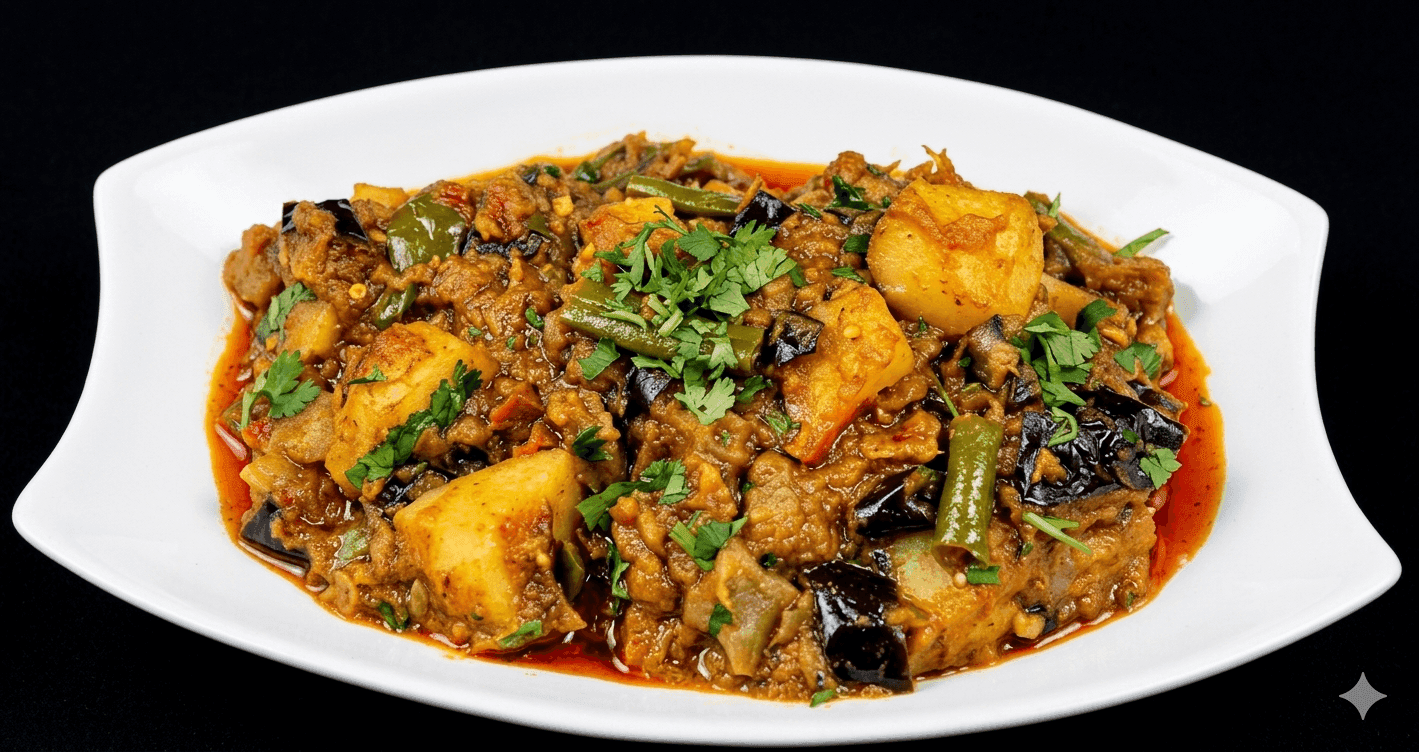
Aloo Baingan or potatoes and eggplant cooked together in a spiced masala is one of the most honest and satisfying sabzis of the North Indian and Pakistani everyday kitchen. It is a dish that appears simple from a distance: two humble vegetables, an onion-tomato base, the standard spice shelf. But getting it right requires understanding the very different natures of its two protagonists.
Potatoes are starchy, dense, and need time to cook through. Eggplant is mostly water, absorbs oil freely, and can go from perfectly tender to mushy and collapsed within a few minutes. Every technique in this recipe is designed to manage these two contrasting vegetables so that each arrives at the table perfectly cooked potato cubes that hold their shape and absorb the masala, eggplant pieces that are soft inside and lightly browned on the surface, never waterlogged.
Sonia Barton is known across her recipes for a direct, unfussy approach: onions fried to golden, ginger-garlic paste added and cooked out fully, tomatoes cooked until the oil separates from the masala, and vegetables added in sequence so the slower ones never overcook the faster ones. Her Aloo Baingan follows this same reliable structure, producing a dish that is deeply savoury, mildly spiced, and comfortable enough to serve every week without it ever feeling repetitive. Serve with fresh roti, paratha, or dal-chawal.
Why This Recipe Works Better Than Others
Potatoes Go In First Because They Need More Time
The most common mistake in Aloo Baingan is adding both vegetables to the pan at the same time. Eggplant cooks in 8-10 minutes; potatoes need 12-15 minutes. Added together, the eggplant turns to mush before the potato is cooked. Sonia Barton's method adds the potatoes first, gives them 5-7 minutes of head start in the masala, and only introduces the eggplant once the potatoes are half-cooked. Both vegetables then finish cooking together and arrive at the perfect texture simultaneously.
Golden-Brown Onions Are Non-Negotiable
The recipe specifies frying the onions until golden brown — not translucent, not light pink, but fully golden. This level of caramelisation is what gives the masala its deep, savoury backbone. Lightly cooked onions produce a sharp, raw-tasting masala that never fully integrates with the vegetables. Golden onions dissolve into the masala during cooking and create the rich, slightly sweet base that makes the finished sabzi taste like it has been cooking all day, even if it has only been on the heat for 20 minutes.
Salted Water Soaking Removes Baingan Bitterness
Fresh eggplant contains solanine a bitter compound concentrated near the skin and seeds that makes insufficiently prepared eggplant taste harsh and unpleasant. Soaking cut eggplant in lightly salted water for 15 minutes draws out this bitterness through osmosis. The salt water also prevents the flesh from oxidising (turning brown) before it reaches the pan. This 15-minute soak costs nothing and prevents the most common complaint about home-cooked baingan dishes.
Oil Separation Signals the Masala Is Ready
After adding the tomatoes, the recipe requires cooking until the oil separates from the masala and is visibly floating at the edges of the pan. This oil separation is the most reliable visual cue in Indian cooking that the tomatoes are fully cooked, the raw smell has gone, and the masala is properly developed. Adding the vegetables before this point produces a masala that tastes acidic and under-cooked. Waiting for oil separation usually 5-7 minutes after the tomatoes go in guarantees a masala that is smooth, fragrant, and rich.
prep time
10 min
soak time
15 min
cook time
25 min
servings
3
Ingredients
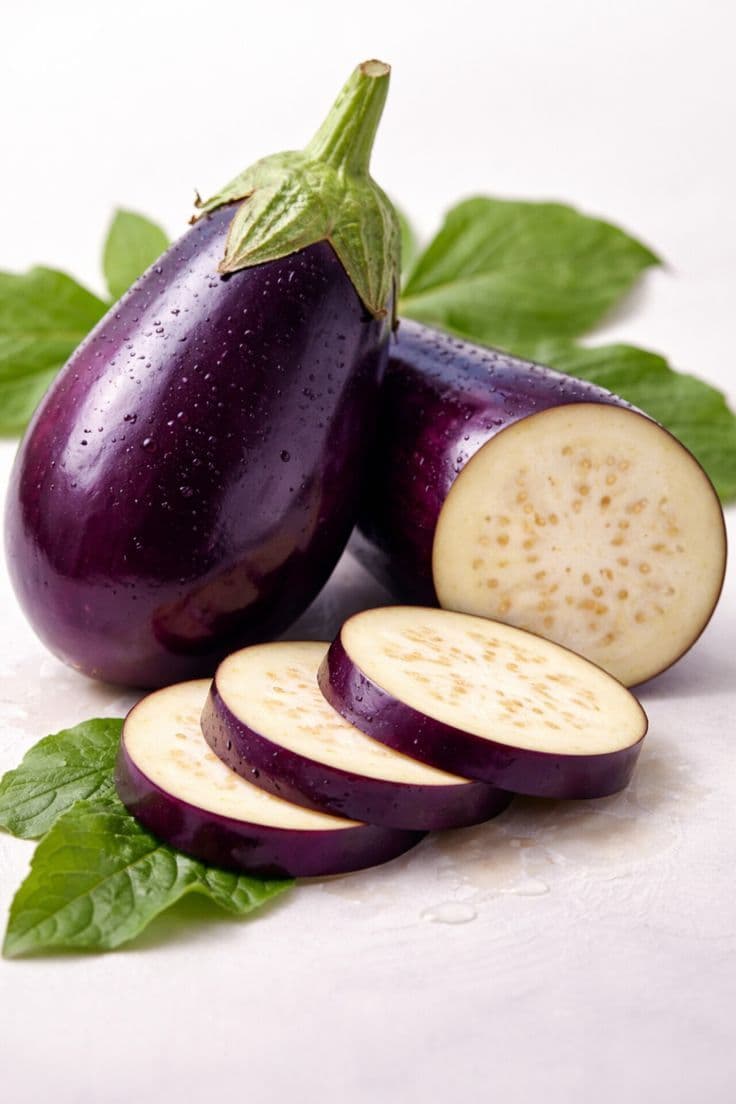 Eggplant / baingan400 g
3 to 4
 Potatoes300 g
2 to 3
 Oil4 tbsp
 Cumin seeds1 tsp
jeera, whole
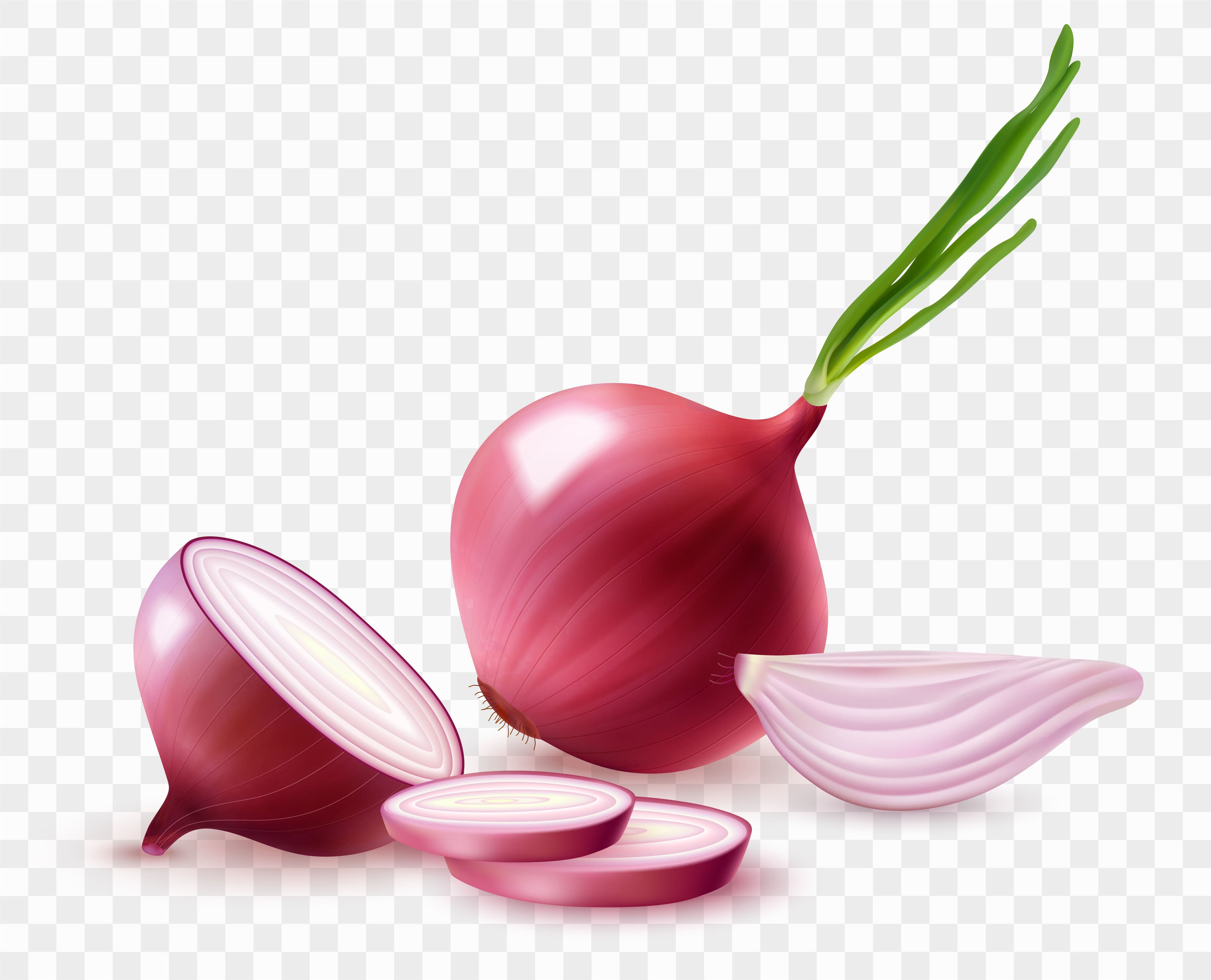 Onion2 pieces
medium, finely chopped
Method
Prep and Soak the Eggplant
Wash the eggplants and remove the stems. Cut into 1.5-inch cubes or wedges not too small, or they will disintegrate during cooking.
Place the cut eggplant immediately into a large bowl of cold water with 1/2 teaspoon of salt dissolved in it.
Stir gently so all pieces are submerged. Leave to soak for 15 minutes.
This draws out bitterness and prevents browning. While the eggplant soaks, prepare all other ingredients: peel and cube the potatoes into 1-inch pieces and keep submerged in cold water to prevent browning; finely chop the onions; prepare the ginger-garlic paste; chop the tomatoes; slit the green chillies; measure all dry spices into a small bowl.
Chef's Tip:
Use firm, fresh eggplants with bright green stems and taut, shiny purple skin. Eggplants with wrinkled skin, soft spots, or dull colour are past their best and will be more bitter and more likely to collapse during cooking. Press the flesh with your thumb it should spring back firmly. Baby or small Indian eggplants give the best texture for a dry sabzi; large globe eggplants are better for bharta.
Fry the Onions to Golden Brown
Heat 3-4 tablespoons of oil in a kadai or wide, heavy-bottomed pan over medium-high heat.
Add 1 teaspoon of cumin seeds. Allow them to sizzle and darken for 20-30 seconds.
Add the finely chopped onions and green chillies. Fry, stirring frequently, for 8-10 minutes until the onions are uniformly golden brown.
Do not stop at translucent or light pink; the full golden stage is what builds the savoury foundation of the masala.
Chef's Tip:
Lower the heat to prevent the onions from burning. Instead, stir more frequently as they approach golden. A medium-high heat with frequent stirring produces evenly golden onions faster than a low heat where the moisture in the onions steams rather than evaporates. If the onions begin to stick at any point, add a tablespoon of water and stir, the water deglazes the pan and the onions will continue to colour as the water evaporates.
Add Ginger-Garlic Paste and Dry Spices
Add 1.5 tablespoons of ginger-garlic paste to the golden onions.
Stir and fry on medium heat for 1-2 minutes until the raw smell of garlic disappears completely.
Add the turmeric powder, red chilli powder, coriander powder, and cumin powder.
Stir the spices into the onion-paste mixture and fry for 1-2 minutes on medium heat.
Add a tablespoon of water if the masala begins to stick.
Chef's Tip:
Adding the dry spice powders after the ginger-garlic paste has cooked (rather than before) gives each spice 60-90 seconds of direct contact with the hot oil-onion mixture to bloom. Spices added too early go in while there is still raw garlic smell present cooking them together means the garlic never fully cooks out and both the garlic and the spices taste underdeveloped in the finished dish.
Add Tomatoes and Cook Until Oil Separates
Add the chopped or pureed tomatoes to the masala. Stir well to combine.
Cook on medium heat for 5-7 minutes, stirring every minute, until the tomatoes have completely broken down, the mixture has darkened in colour, and the oil is visibly floating and separating at the edges of the masala.
The masala should look thick, glossy, and cohesive not wet and loose.
This is the oil separation point and it is the most important visual checkpoint in the entire recipe.
Chef's Tip:
Holding a whole tomato flat against a box grater, grating to a pulp, and discarding the skin produces a smoother, faster-cooking tomato base than chopped tomato. Grated tomato dissolves into the masala in 3-4 minutes rather than 6-7, and the finished masala is silkier without tomato skin pieces.
Add Potatoes First and Cook Partially
Drain the potato cubes from their soaking water.
Add them to the masala and stir to coat every piece. Add 1/4 cup of water just enough to prevent sticking without creating a gravy.
Cover the pan with a lid, reduce heat to medium-low, and cook for 7-8 minutes. After 7-8 minutes, remove the lid and check the potatoes should be about half-cooked: they should offer some resistance when pressed with a spoon but not be rock-hard.
This partial cooking of the potatoes before the eggplant goes in is the key to getting both vegetables right.
Chef's Tip:
The potatoes must be only half-cooked at this stage, not fully tender. If the potatoes are fully cooked before the eggplant is added, they will be overcooked and floury by the time the eggplant reaches the right texture. A firm-but-yielding potato at this stage means both vegetables will finish cooking together in the remaining time, emerging at the perfect texture simultaneously.
Add Eggplant and Cook to Tenderness
Drain the soaked eggplant cubes thoroughly. Add them to the pan with the half-cooked potatoes.
Stir gently once to coat with the masala. Do not stir aggressively as eggplant is fragile and will break apart if handled roughly at this stage.
Cover the pan and cook on medium-low heat for 8-10 minutes.
After 8 minutes, open the lid gently and test: the eggplant should be soft and yielding when pressed but not collapsing, and the potato should be fully cooked through. If not, cover for another 3-4 minutes.
Chef's Tip:
Once the eggplant goes into the pan, stir as infrequently as possible only when the masala is visibly sticking to the base. Every unnecessary stir breaks the eggplant into smaller pieces. For a beautiful presentation where the eggplant cubes hold their shape, add them, cover, and leave undisturbed for the full 8 minutes before checking. The steam inside the covered pan does most of the cooking work without requiring agitation.
Finish and Serve
Once both vegetables are cooked through and the masala is thick and clinging, add 1/2 teaspoon of garam masala. Stir gently once.
For a dry sabzi, continue cooking uncovered on medium heat for 2-3 minutes to evaporate any remaining moisture until the masala coats the vegetables.
For a semi-gravy version, add 1/4 cup hot water and simmer for 2 minutes.
Taste and adjust salt.
Optionally add 1 teaspoon of lemon juice off the heat.
Transfer to a serving dish and garnish generously with freshly chopped coriander leaves.
Chef's Tip:
Garam masala is added at the very end not during the spice-frying stage because it contains aromatic spices (cardamom, cloves, cinnamon) whose volatile fragrance compounds are destroyed by prolonged heat. Added last, off or just before removing from heat, garam masala perfumes the entire dish with its warm aroma.
Master tips: Salted Water Soak Transforms the Baingan.
Soaking cut eggplant in lightly salted water for 15 minutes before cooking is the single technique that separates a baingan dish that tastes bitter and harsh from one that is sweet, silky, and delicious. The salt draws out solanine (the bitter compound in eggplant) through osmosis, and the water prevents oxidation. When the soaked eggplant hits the hot masala, it also sears more quickly because it has less excess moisture producing a lightly browned surface rather than a steamed, pale one. This step adds 15 minutes of passive time that requires no attention and pays back immediately in flavour.
Nutritions
Per Serving (~220g)
People Also Ask
This is the most common Aloo Baingan problem and it has a single cause: both vegetables were added to the pan at the same time. Always add the potatoes first and give them a 7-8 minute head start before the eggplant goes in. If you have already made this mistake and the eggplant has collapsed, do not stir any further, remove the pan from heat, serve as a semi-mashed sabzi, and adjust the method next time. A slightly over-cooked Aloo Baingan still tastes good; frequent stirring of collapsed eggplant turns it into a paste.
Yes, a no-onion, no-garlic version is very common in Jain and sattvic cooking. Replace the onion and ginger-garlic paste with 2 pinches of asafoetida (hing) added to the hot oil with the cumin seeds. Add a 1-inch piece of grated ginger in place of ginger-garlic paste. The masala will be lighter in colour and body, but the dish will still be well-seasoned and delicious. The soaking technique, oil separation checkpoint, and staggered vegetable addition all remain identical.
Aloo Baingan keeps well in the refrigerator in an airtight container for 2-3 days. The flavours actually improve overnight as the masala continues to penetrate the potato and eggplant. Reheat in a pan on low heat with 1-2 tablespoons of water to loosen, do not microwave directly as the eggplant can become rubbery and the potatoes uneven in temperature. Aloo Baingan does not freeze well as the eggplant becomes watery and textureless after thawing.