
Siri Payee

Mumtaz
Chef
“Mumtaz Shaikh is a passionate culinary creator and the driving force behind the YouTube channel Mumtaz Creation. With a deep love for cooking, she shares simple, flavorful recipes, inspiring home cooks through her engaging content and authentic culinary style.”

Aarif
Food Journalist
Aarif is a devoted content writer at Regional Heritage Food (RHF), passionate about cooking and travel. He shares his culinary experiences and discoveries, inspiring others to explore new recipes and flavors.
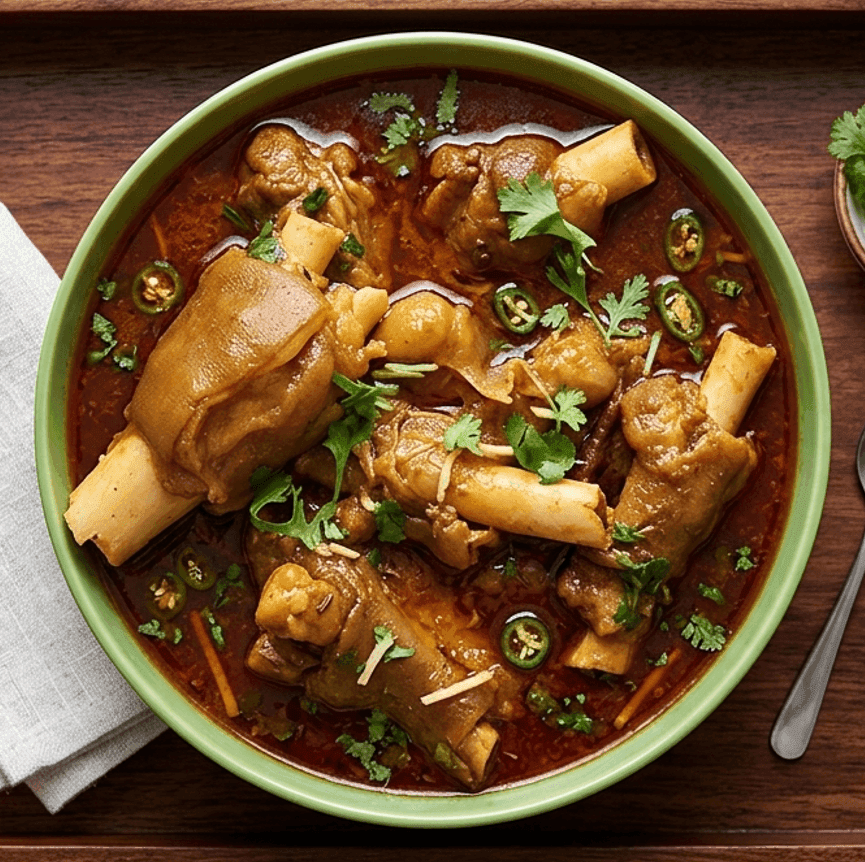
Goat Trotters Pressure-Cooked in Natural Bone Broth, Combined with a Whole-Spice
Payee, the Urdu and Hindi word for trotters or feet, has a long history in the subcontinent's cooking. It belongs to a tradition of whole-animal cooking that wastes nothing and values every cut equally, a tradition where the parts that require the most patience and technique are often the ones that produce the most flavour.
Goat trotters contain an exceptionally high concentration of collagen in their connective tissue. When cooked long enough, that collagen converts to gelatin and dissolves into the surrounding liquid, producing a naturally thick, glossy gravy of a kind that no amount of flour or starch can replicate. The marrow from the leg bones contributes further richness. The result is a broth that is almost sticky with body and deeply flavoured in a way that only long cooking of bone and connective tissue can produce.
Mumtaz Creation's recipe is built around a two-stage cooking method that handles Siri Payee the way this cut of meat deserves. In the first stage, the cleaned trotters are pressure-cooked with aromatics and turmeric until fully tender and the stock has developed depth. In the second stage, a separate whole-spice ghee base with ginger-garlic paste, ground spices, and yogurt is built, the reserved stock and trotters are combined into it, and the entire dish simmers together until unified and deeply flavoured. Every part of the first-stage cooking liquid is kept and used, not discarded.
Why This Recipe Works Better Than Other
Save the Stock, Don't Throw It Away
Most trotters recipes throw away the liquid from the pressure cooker and use plain water instead. This recipe keeps every drop of that stock and adds it back in Step 6. By that point the stock is already rich with flavour. It contains collagen from the trotters, the aromatics cooked with them from the start, and the turmeric and salt used in the first cook. Plain water cannot replace this. The stock is not a leftover. It is half the dish.
Bloom the Whole Spices in Ghee First
The cinnamon, cardamom, black pepper, cumin, and cloves go into hot ghee in Step 3 before anything else is added. This is called blooming. It pulls the aromatic oils out of the spices and spreads them through the ghee, where they stay distributed throughout the whole dish even after long cooking. Whole spices added to water, or added after the onions, give a fraction of that flavour. Sixty seconds in hot ghee alone makes a real difference.
Clean the Trotters Properly Before Cooking
The trotters are rubbed with salt and flour before they go into the pressure cooker. This is not just about hygiene. The salt and flour together act as an abrasive that removes leftover hair and surface impurities from the skin. Trotters that skip this step produce a stock with a strong barnyard smell that no spice can fully cover. Resting for five minutes after rubbing, then rinsing well, makes sure the cleaning is complete.
Put the Boiled Aromatics Back In
When the trotters come out of the pressure cooker, the boiled onion and green chilli are not thrown away. They go back into the masala in Step 6 along with the trotters and stock. These aromatics have been sitting in the trotter liquid throughout the pressure cook and are full of its flavour. Adding them back connects the first and second stages of cooking and brings the whole gravy together. This step is easy to overlook but it matters in the final result.
Add Yogurt Only After the Oil Separates
The yogurt goes in at Step 5 but only after the ground spices have cooked into the ghee and the oil has started to separate at the edges. If the yogurt is added before this point, it covers the masala before it is fully cooked and the result is a grainy or split gravy. Waiting for the oil to separate confirms the masala base is ready. The yogurt then blends smoothly into a stable base and produces a clean, cohesive gravy. Stir continuously from the moment the yogurt goes in.
Cleaning time
10 min
cook time
50 min
Servings
4
Ingredients
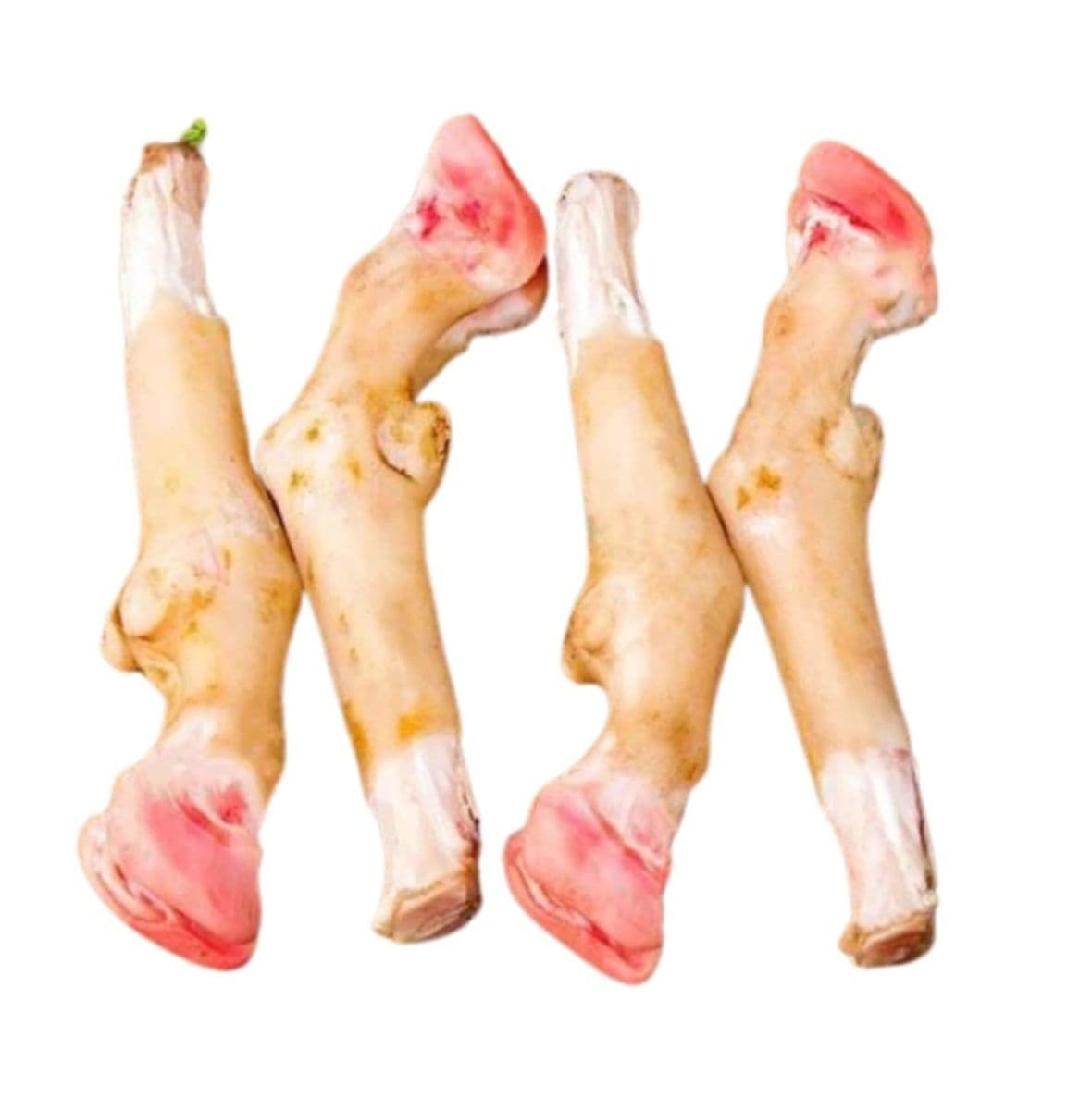 Goat trotters4 pieces
fully cleaned before adding. Cut each trotter at the joint
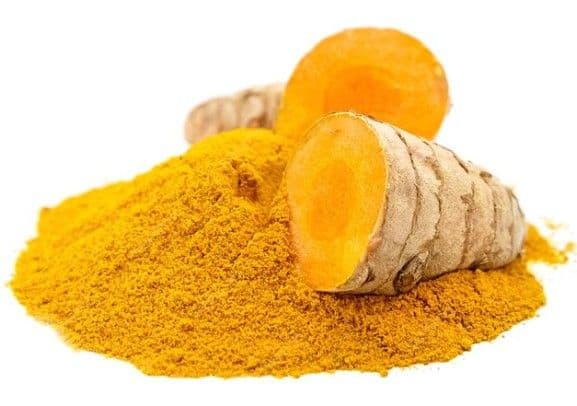 Turmeric powder0.5 tsp
 Salt2 tsp
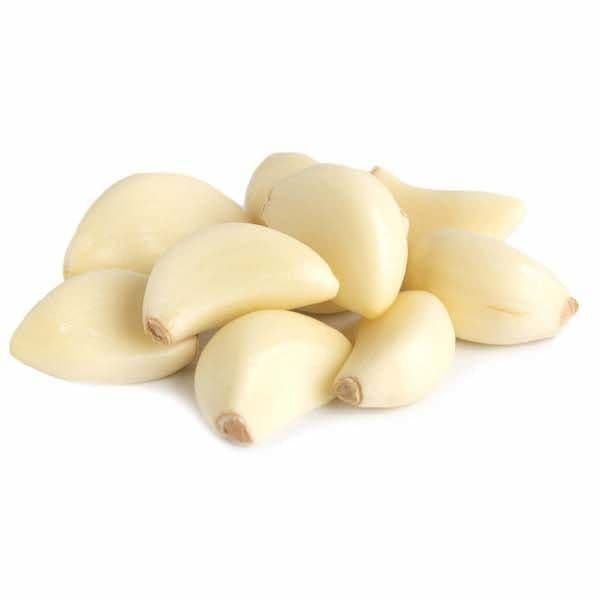 Garlic cloves2 cloves
chopped
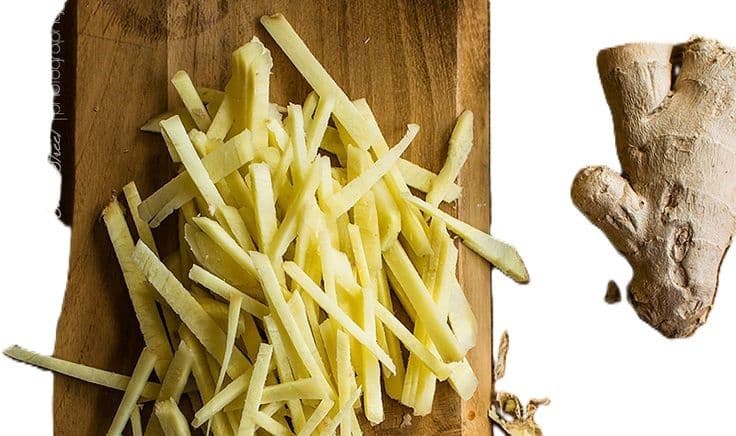 Ginger1 pieces
inch size, chopped
Method
Clean The Goat Trotters
Place the 4 goat trotters in a large bowl. Sprinkle 1 teaspoon of salt and 2 teaspoons of flour over them.
Rub the salt and flour firmly into every surface of each trotter, paying particular attention to the skin, the crevices between the toes, and any areas with visible hair or surface residue.
Work the mixture in thoroughly for 2 to 3 minutes. Leave the trotters to sit for 5 minutes, the salt and flour combination will draw out surface impurities during this rest.
After 5 minutes, rinse each trotter thoroughly under cold running water until all the flour and salt have washed away completely.
Chef's Tip:
This cleaning step is not optional and cannot be shortened. Trotters are sold with varying degrees of pre-cleaning depending on the butcher. Even trotters that appear visually clean benefit from this treatment, which removes invisible surface proteins and oils that contribute to the gamey smell that puts people off trotters. A thoroughly rinsed trotter that has gone through this process will produce a clean-smelling stock. Ask your butcher to cut the trotters at the joint if they are sold whole, a trotter cut into two or three sections fits more easily in a standard pressure cooker and cooks more evenly throughout.
Pressure Cook The Trotters And Build The Stock
In a pressure cooker, add the cleaned trotters, half a teaspoon of turmeric powder, 1 teaspoon of salt, 1 to 2 chopped garlic cloves, the inch of chopped ginger, both finely chopped onions, and the chopped green chilies.
Pour in 2 to 3 glasses of water, enough to partially submerge the trotters. Stir briefly to combine.
Seal the pressure cooker lid and cook on medium heat for 15 minutes after full pressure is reached.
Allow the pressure to release naturally. Open the cooker and remove the trotters carefully, setting them aside in a bowl.
Remove the boiled onion pieces and the softened green chilies with a slotted spoon and set them aside separately, they will be returned to the masala in Step 6.
Reserve all of the cooking stock in the pressure cooker. Do not discard a drop of it.
Chef's Tip:
The stock in the pressure cooker after 15 minutes of cooking contains dissolved collagen from the trotter connective tissue, the flavour of the aromatics cooked with them, and the turmeric and salt seasoning. Its colour should be golden and its aroma should be clean and meaty. This liquid is added to the masala in Step 6 and is what gives the finished Siri Payee its body and depth. If the stock looks cloudy, that cloudiness is dissolved collagen. It is correct and desirable. A clear stock from trotters means the cook time was insufficient.
Build The Whole Spice Ghee Base
In a separate heavy-bottomed saucepan or karahi, heat 100g of ghee over medium heat until it shimmers and is visibly hot.
Add all the whole spices together: 2 cinnamon sticks, 2 large cardamom pods, 3 green cardamom pods, half a teaspoon of cumin seeds, 10 black peppercorns, and 1 to 2 cloves.
Stir continuously for approximately 1 minute. The spices will sizzle, pop slightly, and release their fragrance into the hot ghee.
The kitchen should smell immediately of warm, toasted spice. Remove from direct contact with the hottest part of the flame if any spice appears to be darkening too quickly.
Chef's Tip:
The whole spice blooming step in pure hot ghee before any moisture, any paste, or any solid aromatics arrive in the pan is the most effective possible way to extract fat-soluble aromatic compounds from whole spices. The volatile oils in cardamom, cinnamon, and cloves dissolve into the hot ghee and remain stable throughout the subsequent cooking. This spiced ghee base is the aromatic foundation every other ingredient builds on. Skipping or rushing this step adding the ginger-garlic paste before the spices have had their full minute in the hot fat produces a noticeably flatter result in the finished gravy.
Add Ginger-Garlic Paste And Ground Spices
Add 2 tablespoons of ginger-garlic paste to the spiced ghee. Stir well and fry over medium heat for 4 to 5 minutes, stirring regularly, until the paste has turned golden and the raw smell of garlic has completely disappeared. Reduce the heat to low.
Add the ground spices: half a teaspoon of salt, half a teaspoon of turmeric, 1 teaspoon of red chili powder, 2 tablespoons of coriander powder, and half a teaspoon of garam masala.
Stir immediately to distribute the spices evenly through the ghee. Cook on low heat for 1 to 2 minutes, stirring continuously to prevent the ground spices from catching on the base of the pan.
Chef's Tip:
Ground spices added to low heat with continuous stirring bloom correctly without burning. The same spices added to high heat or left unstirred for even 30 seconds can scorch on the pan surface and produce a bitter note that carries through the entire finished dish. If the masala looks too dry and the spices are beginning to stick before the yogurt is added in the next step, add one tablespoon of the reserved trotter stock to loosen things. This is preferable to raising the heat, which risks burning.
Add Yogurt And Cook To Oil Separation
Ensure the yogurt is at room temperature and has been whisked completely smooth before this step. With the heat on low, add the yogurt to the spiced masala gradually, stirring continuously from the moment it goes in.
Do not add it all at once , add a few tablespoons, stir to incorporate, add a few more, and continue until all 100g is in the pan.
Once fully incorporated, increase the heat to medium-low and cook, stirring regularly, for 5 to 7 minutes until the oil visibly separates from the yogurt-spice mixture and pools at the edges and surface of the pan.
The masala will look darker, more concentrated, and glossy at this point.
Chef's Tip:
The oil separation after adding yogurt is the same confirmation signal used in karahi and nihari cooking, it means the yogurt has cooked fully into the masala and the moisture has evaporated sufficiently for the fat to rise. A masala where the oil has not separated is undercooked and will produce a grainy, slightly raw-dairy quality in the finished gravy. A masala where it has separated produces a smooth, unified base ready to receive the trotters and stock. Patience at this stage directly affects the quality of the finished dish.
Combine The Trotters, Aromatics, And Stock
Add the reserved boiled onion and green chilies from the pressure cooker to the oil-separated masala.
Stir and fry on low heat for 2 to 3 minutes until the boiled aromatics are fully incorporated into the masala.
Now add the pressure-cooked trotters to the pan, turning each one to coat with the masala.
Pour in all the reserved trotter stock from the pressure cooker. Stir everything together thoroughly, scraping up any masala from the base of the pan.
The liquid level should be generous, adjust with a little hot water if needed to ensure the trotters are submerged in gravy.
Chef's Tip:
The moment the trotter stock meets the masala base is when the two cooking stages unify into a single dish. The stock carries the dissolved collagen and the flavour of the initial aromatics. The masala carries the whole spice ghee base, the ground spice depth, and the yogurt creaminess. Neither half is complete without the other. Stir the combination well at this stage to fully integrate the concentrated masala paste with the thinner stock before the lid goes on for the final simmer.
Final Simmer And Consistency Adjustment
Cover the pan and cook on low heat for 20 to 25 minutes, allowing the combined gravy to develop and the trotters to absorb the masala flavours.
Check once or twice during this simmer, stirring gently from the bottom. After 20 minutes, remove the lid and assess the gravy consistency.
Siri Payee should be a flowing, coating curry not thick like a paste and not thin like a soup. It should coat the back of a spoon and pour generously into the bowl.
If the gravy is too thick, add hot water a tablespoon at a time and stir through. If it is too thin, simmer uncovered on medium heat for a further 5 to 10 minutes to reduce.
Chef's Tip:
The consistency of Siri Payee is a matter of personal and regional preference. Some households prefer a thicker, richer gravy that clings heavily to the trotters and the naan. Others prefer a more liquid, soup-like presentation served in a deep bowl with the naan on the side for dipping. The bone collagen already in the gravy from the pressure cooker stock means the gravy will thicken naturally as it cools, a gravy that appears slightly thin when hot will be noticeably thicker in the bowl by the time it reaches the table. Account for this when adjusting.
Garnish And Serve
Remove from heat. Ladle the Siri Payee generously into deep bowls, ensuring each bowl receives at least one full trotter piece along with plenty of gravy.
Scatter julienned fresh ginger, roughly chopped coriander, and slit green chilies over each bowl. Serve hot with fresh naan or roti alongside.
At the table, each person adds additional ginger and chili to preference and tears the bread to scoop directly from the bowl.
Chef's Tip:
If serving for Eid breakfast or a large morning gathering, Siri Payee is traditionally made the evening before and reheated gently the following morning. The overnight rest integrates the spice flavours, deepens the gravy's colour, and produces a noticeably richer result than Siri Payee served immediately after cooking. Reheat on the lowest flame with a splash of hot water, stirring gently, for 15 to 20 minutes. Prepare fresh garnishes on the morning of serving, not the evening before.
Master Tip: Keep Every Drop of the Pressure Cooker Stock
The most common variation of this recipe that produces a flat, under-flavoured Siri Payee is one where the cook drains the trotters after pressure cooking, discards the stock, and adds plain water to the masala in Step 6. The rationale is usually that the stock looks cloudy or smells unfamiliar. The cloudiness is dissolved collagen precisely what the entire pressure cooking stage was building. The smell, in a properly cleaned trotter, is the aroma of concentrated bone broth: deeply meaty, slightly gelatinous, and impossible to produce any other way.
Every professional paya cook in every traditional Pakistani and Indian household keeps and uses this stock. It is not a byproduct, it is the body of the finished gravy. The collagen it contains thickens the gravy naturally in a way that no flour, no starch, and no extra ghee can replicate. It also carries the flavour of the ginger, garlic, onion, and green chili that cooked with the trotters, which forms a bridge between the two cooking stages. If in doubt: when in the recipe, keep it in the pot.
Nutritions
Per Serving (~1 trotter with gravy)
People Also Ask
Siri Payee is a traditional South Asian curry made from goat trotters (paya, meaning feet) and optionally the head (siri). It is particularly associated with Eid al-Adha because the Eid sacrifice produces all parts of the animal at once, and trotters are one of the cuts that most rewards the slow, patient cooking this dish requires. Historically, Siri Payee is also a morning dish, the long cook traditionally started the previous evening and was ready by breakfast the following day, which is why it is associated with festive morning gatherings rather than evening meals. The collagen-rich trotters produce a broth that is consumed as a warming, nourishing breakfast alongside naan.
The stock contains dissolved collagen from the trotter connective tissue, which produces the naturally thick, silky body of the finished Siri Payee gravy. It also carries the flavour of the ginger, garlic, onion, and green chili cooked alongside the trotters. Discarding this stock and adding plain water in its place produces a flat, thin gravy with no natural body. The cloudiness of the stock is dissolved collagen, it is correct and desirable. Keep every drop of it and add it all to the masala in Step 6.
Yes. In a large heavy-bottomed pot, add the cleaned trotters with all the same first-stage ingredients and cover with water. Bring to a boil, skim the foam, then reduce to the lowest flame, cover tightly, and simmer for 2 to 3 hours until the trotters are completely tender and the meat is beginning to separate from the bone at the joint. The flavour from the slow cook is noticeably deeper than the pressure cooker version. Reserve all the stock exactly as in the pressure cooker method and proceed from Step 3 as written
The original Mumtaz Creation recipe lists 5 grams of yogurt. For the quantity of masala and ghee in this recipe, 5 grams is insufficient to contribute meaningfully to the gravy body or to produce the oil separation that confirms the masala is correctly cooked. Standard practice for a masala of this size in Pakistani cooking is 80 to 150g of yogurt. This document uses 100g, which produces the correct consistency, the characteristic slight tanginess that balances the richness of the ghee and bone broth, and the smooth, unified gravy texture this dish should have. If you prefer to use less yogurt, 50g is the minimum that will have a noticeable effect.
A properly cooked trotter will show the meat beginning to pull away from the bone at the joint end and the skin will be soft enough to press through with light pressure from a spoon. The joint connecting the trotter sections should be flexible and beginning to loosen. If the trotter is still firm and the meat clings tightly to the bone with no give, it needs more time. In the pressure cooker, add 5 more minutes at full pressure. In an open pot, cover and continue for 30 more minutes on low heat before testing again.
Yes. The original dish name includes both siri (head) and payee (feet). Head pieces, cleaned and prepared by the butcher, can be added to the pressure cooker in Step 2 alongside the trotters and cooked for the same 15 minutes. Head meat is richer and more intensely flavoured than trotter meat and the skull contributes additional collagen and marrow to the stock. If adding head, increase the water in the pressure cooker to 4 glasses and the total yield will serve 5 to 6 people rather than 3 to 4.
Both dishes are South Asian slow-cooked bone broths with a spiced masala base. The primary differences are in the cut of meat, the cooking style, and the masala. Nihari traditionally uses beef shank and bone marrow, cooks for 4 to 5 hours minimum with a large homemade masala blend, and produces a very dark, intensely spiced gravy. Siri Payee uses goat trotters, is relatively faster due to the pressure cooker, uses a slightly lighter and more aromatic whole-spice masala, and produces a lighter-coloured, more delicately spiced gravy that leans into the clean flavour of the goat bone broth. Nihari is typically heavier and more intensely flavoured. Siri Payee is richer in collagen body and lighter in spice.
Allow to cool completely before refrigerating in an airtight container for up to 2 days. The gravy will solidify into a thick jelly when cold because of the dissolved collagen — this is correct and is the sign of a properly made dish. To reheat: add 2 tablespoons of hot water to the pot with the Siri Payee, cover, and place on the lowest possible flame. Heat slowly for 15 to 20 minutes, stirring gently every few minutes. The gravy will re-liquify completely and return to its original consistency. Never boil hard during reheating, it can cause the fat to separate and make the gravy greasy. Prepare fresh garnishes on the day of reheating.