
Beef Nihari
Kun Foods
Chef
“Afzal Arshad, creator of Kun Foods, is a Pakistani chef known for his YouTube channel where he teaches viewers to recreate famous restaurant dishes at home. His clear, educational videos and focus on food safety have earned him millions of followers across YouTube, Facebook, and TikTok, making him a leading figure in Pakistan’s food vlogging scene”

Aarif
Food Journalist
Aarif is a devoted content writer at Regional Heritage Food (RHF), passionate about cooking and travel. He shares his culinary experiences and discoveries, inspiring others to explore new recipes and flavors.
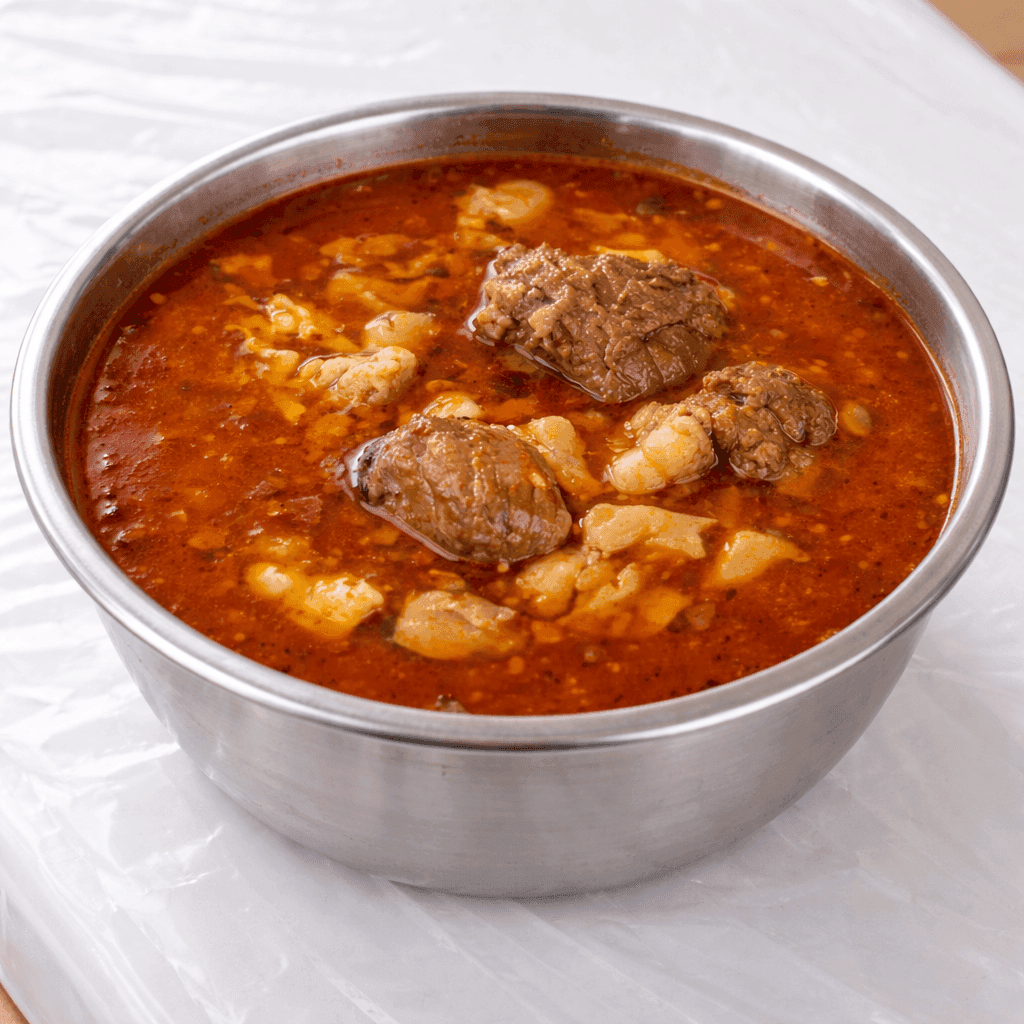
Slow-Cooked Bone Broth, 12 Fresh Spices & the Real Tari | A Centuries-Old Dish Made Simple for Your Home Kitchen.
Ask anyone in Lahore what they want for breakfast on a cold winter morning and the answer comes before you finish the question. Nihari, not paratha, not halwa puri. Nihari with roghani naan, a pile of ginger and a squeeze of lemon.
In the narrow lanes of Androon Lahore, the Walled City, Nihari shops have been opening before Fajr for as long as anyone can remember. The pots go on the flame after Isha prayer. By the time the azaan echoes off the old brick walls and the first light touches the Badshahi Mosque, the broth has already been cooking for seven hours. The smell fills the gali before you even turn the corner. People come on foot, on motorbikes, in groups, alone. They sit on wooden benches with their shawls still wrapped around their shoulders, pull off pieces of naan, and dip them into dark, silky, bone-rich gravy. Nobody speaks much. Nobody needs to.
This is the Lahori Nihari experience. It is not a restaurant dish. It is not a special occasion food. It is a deeply ordinary, deeply beloved part of the city's daily life, especially in the months of Muharram, Rabi ul Awwal, and the long winter from November to February when the fog sits low over the city and a bowl of slow-cooked beef is exactly what the morning calls for.
Nihari was born in the royal kitchens of the Mughal Empire in Delhi during the 18th century and served after Fajr prayer as the first meal of the day. The name comes from the Arabic word Nahar, meaning day, because it was the meal that started the morning. Over two centuries it traveled to Lahore and became woven into the fabric of the city in a way it has in few other places. Kun Foods' version is the closest a home kitchen can get to that Androon Lahore original. Real marrow bones, a 12-spice masala ground fresh on the day, four to five hours on the lowest flame, and the tari on top. No shortcuts. Just the real thing, written simply for your kitchen.
Why This Recipe Works Better Than Others
Marrow Bones Build the Gravy Naturally
1.5 kg of beef marrow bones slow-cook alongside the meat for four to five hours. The collagen inside the bones breaks down into gelatin, which is what gives Nihari its silky, glossy gravy that coats every piece of naan. No flour, no cornstarch, and no packet thickener can produce this texture. Only bones and time can.
12 Spices Roasted and Ground Fresh on the Day
Roasting whole spices wakes up the essential oils locked inside them. Those oils begin evaporating the moment the spices are ground, which is why a packet masala sitting on a shelf for months has already lost most of its flavour. Fifteen minutes of roasting and grinding fresh produces a masala that smells and tastes completely different from anything in a packet.
The Tari Is Not Optional
The tari is the vivid orange-red chili oil that sits on top of every authentic bowl of Nihari. It is made in three minutes by adding Kashmiri red chili powder to extremely hot ghee. It adds fruity heat, a deep colour contrast, and an aroma that announces the dish before the first bite. Without it you have a good beef stew. With it you have Nihari.
Four to Five Hours on the Lowest Flame
A pressure cooker produces tender meat in 90 minutes but the gravy will taste thin and flat. Four to five hours on the lowest flame gives the beef time to fully fall apart, allows the spices to bloom and meld into a unified flavour, and converts bone collagen into the gelatin that makes the gravy thick and silky on its own.
prep time
30 min
cook time
5h
total time
5h 30m
servings
8
Ingredients
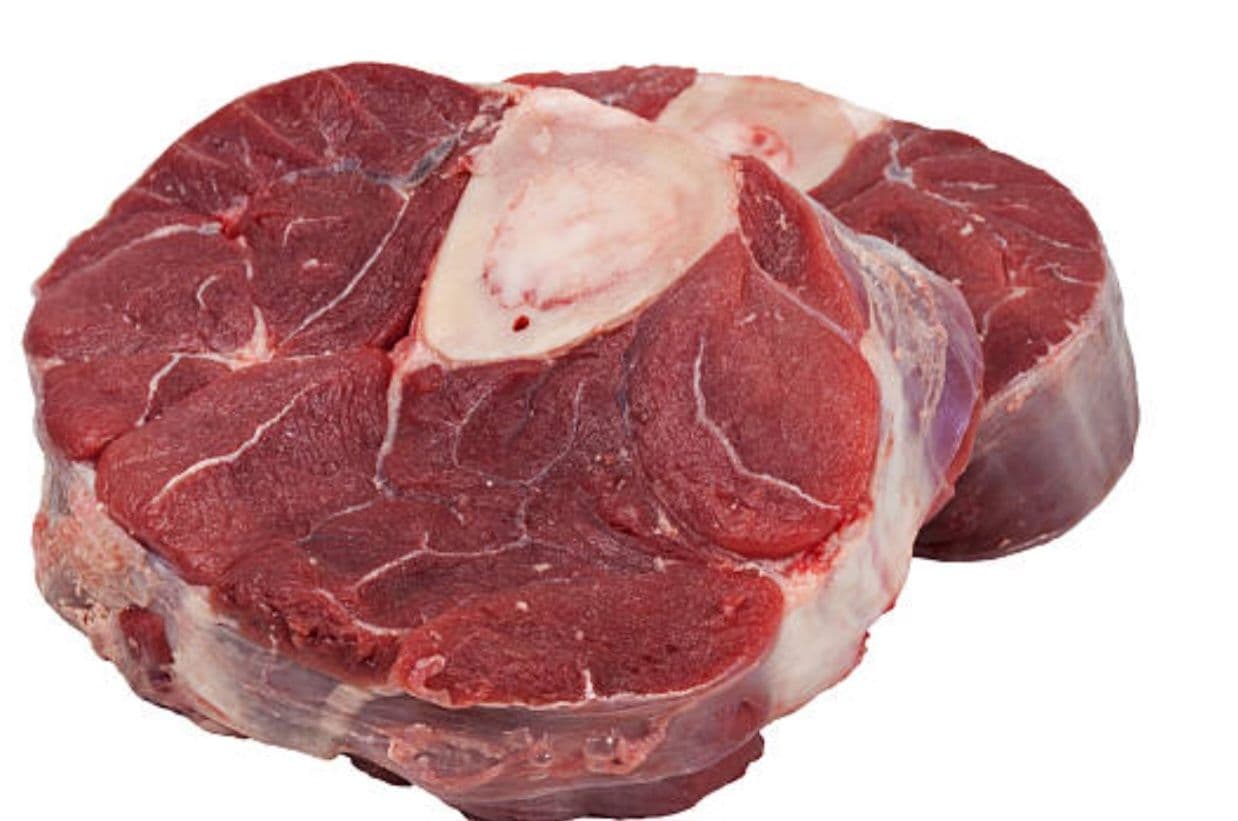 Beef shank2 kg
shank is the traditional choice; do not use lean cuts
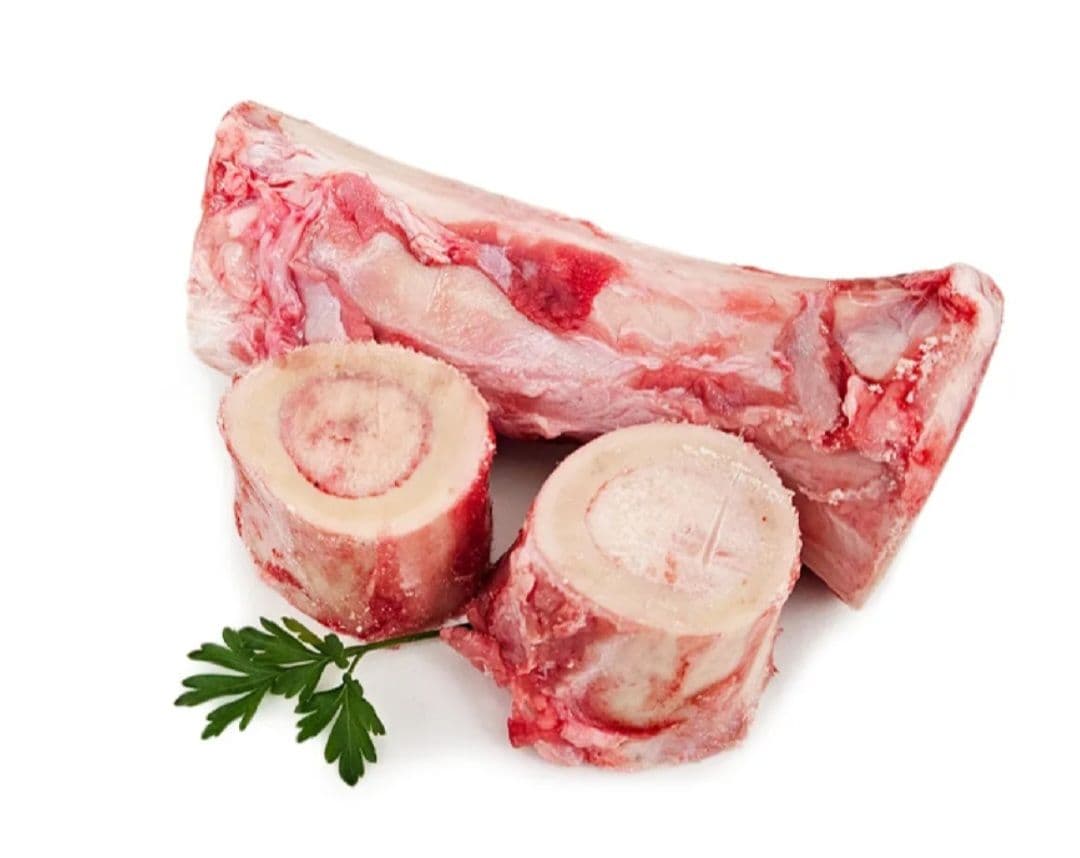 Beef marrow bones1.5 kg
the most important ingredient for gravy body and richness
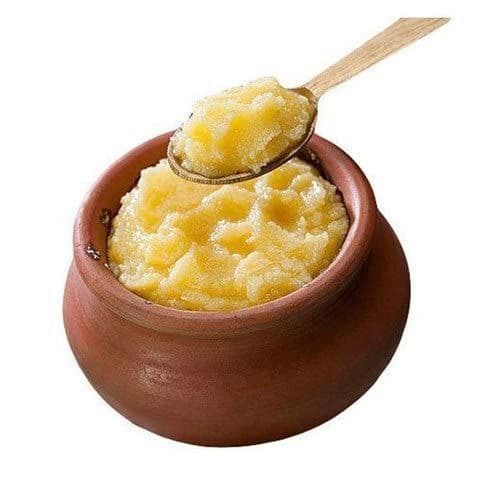 Ghee500 g
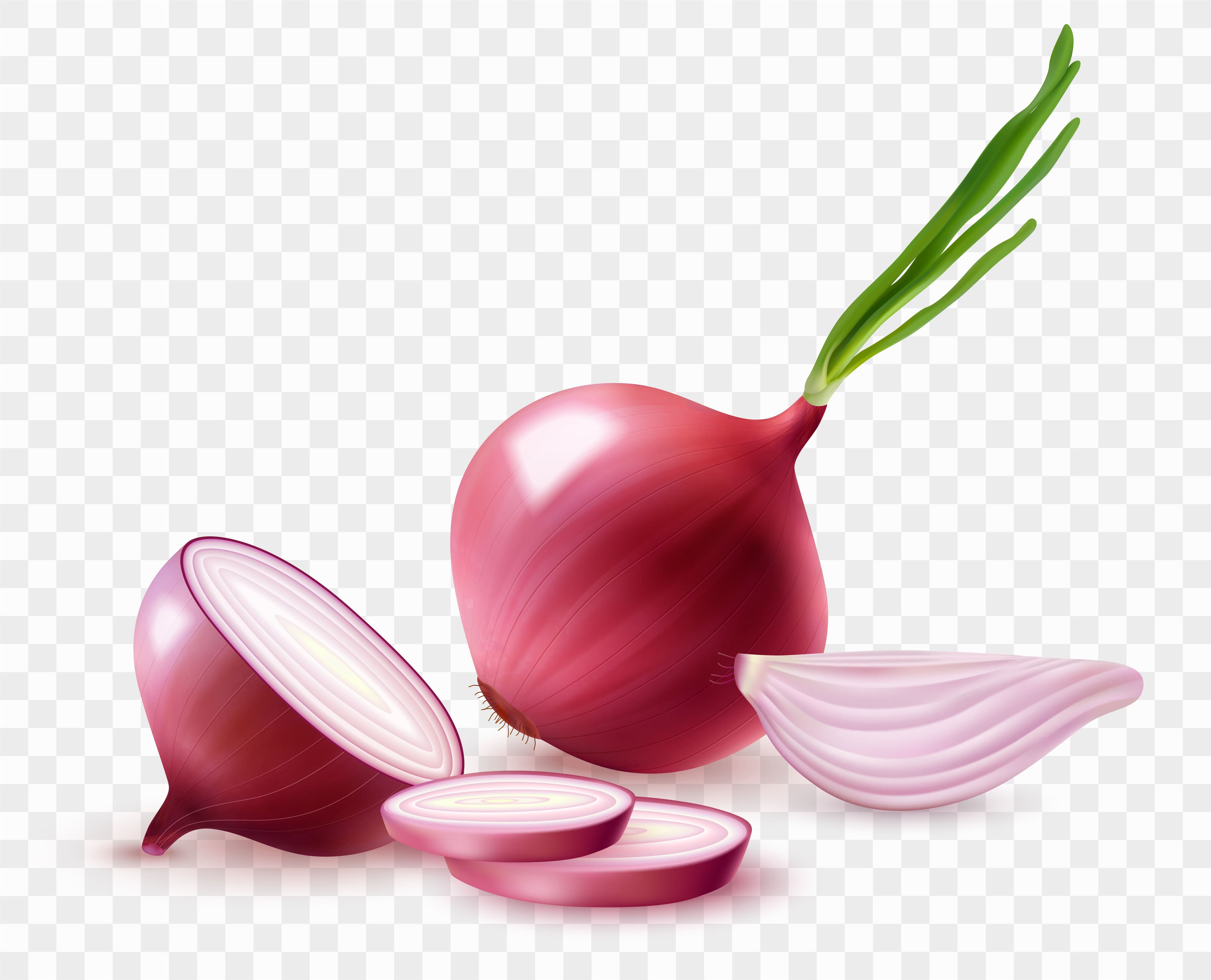 Onion1 unit
Large, chopped
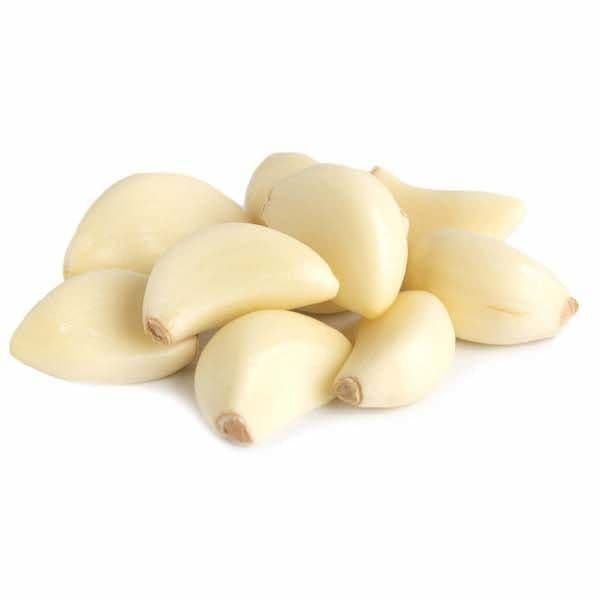 Garlic2 tbsp
freshly crushed
Method
ROAST AND GRIND YOUR NIHARI MASALA
Put a dry pan on medium heat.
Put a dry pan on medium heat. Add the whole spices one type at a time. Follow the sequence through the full list: 4 tbsp coriander seeds, 3 tbsp fennel seeds, 2 tbsp cumin seeds, 8 bay leaves, 1 tbsp black peppercorns, 4 cinnamon sticks, 4 black cardamom pods, 8 green cardamom pods, 1 small piece of star anise, a 2-inch piece of dried ginger (saunth), 1 small blade of mace, and a thumbnail-sized piece of nutmeg.
Stir each one constantly for 2 to 3 minutes until it smells fragrant and looks one shade darker. Do not let anything burn.
When all spices are roasted, spread them on a plate and wait until they are completely cool before grinding. Then grind everything together into a fine, even powder. Your masala is ready.
Chef's Tip:
Roast each spice type separately if you can, because they all have different roasting times. Small delicate spices like cardamom and mace need less heat and less time than large tough ones like cinnamon and coriander. Mixing them all into a hot pan at once means the small ones burn before the large ones are ready. One pan, one type at a time, 2 to 3 minutes each, it takes a little longer but the masala will be noticeably better
FRY THE ONION TO DEEP GOLDEN BROWN
Heat the ghee or oil in your largest, heaviest pot over medium-high heat.
Add the chopped onion. Stir it regularly and fry for 10 to 12 minutes until it goes a deep golden brown colour. You are not looking for pale gold, you want a proper, rich, dark golden brown.
This caramelized colour is what gives the Nihari gravy its dark, deep hue and the slight sweetness that balances all the warm spices.
Chef's Tip:
Take the time to get the onion properly caramelized. Pale onions produce a pale, thin-tasting Nihari. The onion colour at this stage is the single biggest visual predictor of whether your final Nihari will look and taste like a proper shop Nihari. Dark golden, not light golden. Stir often so the edges do not burn while the center is still cooking.
ADD THE GARLIC
Add the crushed garlic to the golden onion in the pot. Stir and cook for 1 to 2 minutes on medium heat.
You are waiting for the sharp raw garlic smell to disappear and be replaced by a softer, roasted garlic aroma. The garlic should turn lightly golden at the edges but not brown.
Chef's Tip:
Do not add the meat before the garlic smell has fully cooked out. Raw garlic in Nihari creates a sharp, pungent note in the final gravy that never fully disappears no matter how long you cook it. Those 2 minutes of garlic cooking are cheap insurance against a gravy that tastes raw underneath all the spices.
BROWN THE MEAT AND BONES
Add all the beef pieces and all the marrow bones to the pot. Increase the heat to high.
Stir and toss everything together continuously for 8 to 10 minutes until the meat has changed colour on all sides from red-pink to brown-grey.
You are not trying to get a deep sear, you are just making sure no raw pink meat remains visible on the outside of any piece.
Chef's Tip:
Do not cover the pot during this step. Covering the pot at this stage traps steam and causes the meat to braise rather than brown. Browning the meat on open high heat creates a layer of roasted flavour on each piece that stays in the gravy throughout the long cook. It is the difference between a Nihari that tastes one-dimensional and one that tastes deep and complex.
ADD THE MASALA AND BHUNAI
Reduce the heat to medium. Add your freshly ground nihari masala, 1.5 tbsp salt, 2.5 tbsp red chilli powder, and half tbsp turmeric.
Stir everything together until every piece of meat and bone is evenly coated in the spice mixture. Keep stirring and cooking for 5 to 10 minutes.
You are waiting for two things: the oil to visibly separate and rise to the surface at the edges of the pot, and the whole mixture to smell deeply fragrant and roasted rather than raw.
This stage is called bhunai and it cannot be skipped.
Chef's Tip:
If the spices are sticking to the bottom of the pot during bhunai, do not add water yet , add a splash of the hot ghee instead. Water at this stage stops the bhunai and turns the spices into a paste. The masala needs to fry in fat, not simmer in water, to develop its full depth of flavour. Oil separation is your visual cue that the bhunai is complete.
ADD THE HOT WATER
Pour all 4 litres of hot water into the pot. Stir everything together, scraping any masala from the bottom of the pot as you go.
Turn the heat to high and bring the whole pot to a full, rolling boil. This will take 10 to 15 minutes depending on your stove. Once it is boiling hard, you are ready for the slow cook.
Chef's Tip:
Always use hot water, this is one of the most practical but most overlooked rules in slow cooking. Adding cold water to a hot pot of meat and spices causes the meat fibres to tighten and seize up, which makes the final texture tougher and the gravy less smooth. Keep a kettle or pot of simmering hot water nearby throughout the cook and use it any time you need to top up the liquid.
SLOW COOK FOR 4 TO 5 HOURS
The moment the pot reaches a full boil, reduce the flame to the absolute lowest setting your stove has. Cover the pot with a tight-fitting lid. Now leave it alone.
Check every hour to make sure the liquid has not reduced too much, if it has, add a cup of hot water.
After 4 hours, test the meat. It should be so soft that it falls apart when you press it with the back of a spoon.
The marrow bones should look glossy and the marrow itself should be soft and wobbly inside the bone. If the meat needs more time, give it another 30 to 60 minutes.
Chef's Tip:
Four hours is the minimum. Five hours is better. The slow cook is not just about making the meat tender, it is about allowing the collagen from the bones to gradually dissolve into the liquid and thicken it naturally into that silky, glossy Nihari gravy. High heat extracts collagen quickly but unevenly. Low heat extracts it slowly and completely. You cannot rush this with more heat otherwise you will get tough meat and thin gravy.
THICKEN THE GRAVY IF NEEDED
The marrow bones will have naturally thickened the gravy over the long cook. Taste it and check the consistency.
If you want it thicker, mix 2 to 3 tbsp of wheat flour (atta) with a few tablespoons of cold water in a small bowl, stirring until there are absolutely no lumps.
Pour this slurry slowly into the simmering Nihari while stirring constantly. Cook for another 15 to 20 minutes, stirring occasionally. Taste and adjust salt at this stage.
Chef's Tip:
Add the flour slurry in small additions and do not pour it all in at once. Over-thickened Nihari becomes heavy, starchy, and loses its natural silky quality. Add a little, wait 10 minutes to see how it sets, and only add more if you genuinely need it. The natural collagen thickening from the bones is always preferable to flour and use flour only to finish, not as the main thickener.
MAKE THE TARI
A few minutes before you are ready to serve, heat 4 to 5 tbsp of ghee or oil in a small pan over high heat until it shimmers and is very hot and almost smoking.
Take the pan off the heat completely. Immediately add 2 tbsp of Kashmiri red chili powder and stir quickly for 5 seconds.
The oil will turn a vivid, brilliant orange-red. This is your tari. Set it aside and spoon it over each bowl just before serving.
Chef's Tip:
The key to a beautiful tari is the sequence: heat the oil first, then take it off the heat, then add the chili. If you add the chili to oil that is still on the flame, it will burn black in seconds and turn bitter. The residual heat of the oil off the flame is exactly enough to bloom the chili powder perfectly and extract its brilliant colour without burning it.
REST, SERVE AND GARNISH
Turn off the heat and remove the lid.
Let the pot rest uncovered for 20 minutes before serving. This resting time allows the oil to redistribute through the gravy and the flavours to settle.
To serve, ladle generously into deep bowls making sure each bowl gets at least one piece of marrow bone alongside the meat.
Lay fresh ginger julienne, slit green chillies, and fresh coriander on top of nihari. Squeeze a lemon wedge over each bowl. Finish with a generous drizzle of tari across the surface. Serve immediately with fresh naan.
Chef's Tip:
Do not skip the 20-minute rest. A freshly cooked Nihari straight off the heat has all its flavour elements still separate and restless. After 20 minutes of rest, the fat redistributes, the spices settle, and everything comes together into that characteristic unified, deeply layered flavour that makes Nihari what it is. The best Nihari shops rest their pot for up to an hour before the first serving.
Secret Ingredient: Saunth (Dried Ginger)
The ingredient that most home cooks substitute wrongly is dry ginger with fresh ginger and it changes the entire character of the Nihari. Saunth is dried ginger root, and it tastes completely different from fresh ginger. Fresh ginger is bright, sharp, citrusy, and pungent. Saunth is darker, earthier, warmer, and slightly more bitter in a pleasant way. It is more like the background warmth of a winter spice than the sharp hit of fresh ginger. In Nihari, saunth provides a deep, mellow warmth that sits underneath all the other spices and holds the entire masala together. Fresh ginger in its place makes the gravy taste sharp and raw even after five hours of cooking. If you cannot find saunth in a Pakistani or Indian grocery shop, use half a teaspoon of dried ginger powder per 2-inch piece. Do not use fresh ginger root in the masala under any circumstances.
Master Tip: Nihari Always Tastes Better the Next Day
When Nihari rests overnight in the refrigerator, the spices continue to hydrate, absorb into the meat, and meld together into a single unified flavour. The fat solidifies on top and can be lifted off cleanly before reheating. The gravy thickens naturally. The meat absorbs even more of the masala. The result is a Nihari on day two that is noticeably deeper, more rounded, and more complex than the same Nihari was on day one. If you are cooking for a special occasion, cook the Nihari the night before. Reheat gently on a low flame with a splash of hot water, prepare fresh tari and garnishes, and serve. Your guests will think you have been cooking all morning.
Nutritions
Per Serving (~300g)
People Also Ask
Yes, and it will produce a tender Nihari in about 90 minutes to 2 hours. But the result is a different dish in character. A pressure cooker cannot produce the same depth of gravy that a 4 to 5-hour slow cook creates. The collagen from the bones needs extended time at low heat to fully dissolve into gelatin, which is what makes the gravy silky and naturally thick. Pressure-cooked Nihari tends to have thinner, lighter-coloured gravy with less layered flavour. If you are short on time, the pressure cooker version is still very good. But for the real thing, the slow cook is worth it.
Saunth is dried ginger root and it is not the same as fresh ginger. It has a concentrated, earthy, warm flavour that is quite different from the bright sharpness of fresh ginger root. It is an essential component of authentic Nihari masala. Do not substitute fresh ginger root in the masala as it will make the gravy taste sharp and raw rather than warm and mellow. If you cannot find saunth, use half a teaspoon of commercially dried ginger powder per 2-inch piece of saunth called for. It is not a perfect substitute but it is much closer than fresh ginger.
Mix 2 to 3 tablespoons of wheat flour (atta) with a small amount of cold water and stir until completely smooth with no lumps at all. Pour this slurry slowly into the simmering Nihari while stirring constantly. Cook for an additional 15 to 20 minutes. The gravy will thicken gradually and do not rush it. If it is still thin after 20 minutes, make a small second slurry and repeat. Never add dry flour directly into the pot as it will clump immediately and create floury lumps that cannot be removed.
Yes, mutton Nihari is equally traditional and some historians argue it was the original Mughal preparation. Use exactly the same recipe, the same masala, and the same low-and-slow technique. Mutton will typically be ready in 3 to 4 hours rather than 5. The flavour will be gamier and slightly earthier than beef but equally rich and deeply layered. Many people actually prefer mutton Nihari for its stronger, more complex flavour.