
Tomato Soup

Ranveer Brar
Chef
“Ranveer Brar is a celebrated Indian chef, author, and MasterChef India judge from Lucknow. Known for his soulful storytelling and expertise in regional cuisine, he became India’s youngest executive chef at 25 and now inspires millions through his popular YouTube channel.”

Aarif
Food Journalist
Aarif is a devoted content writer at Regional Heritage Food (RHF), passionate about cooking and travel. He shares his culinary experiences and discoveries, inspiring others to explore new recipes and flavors.
Oven-Roasted Tomatoes, a Double-Strained Velvety Base, the Butter-Cream Finish, and the Basil Pesto
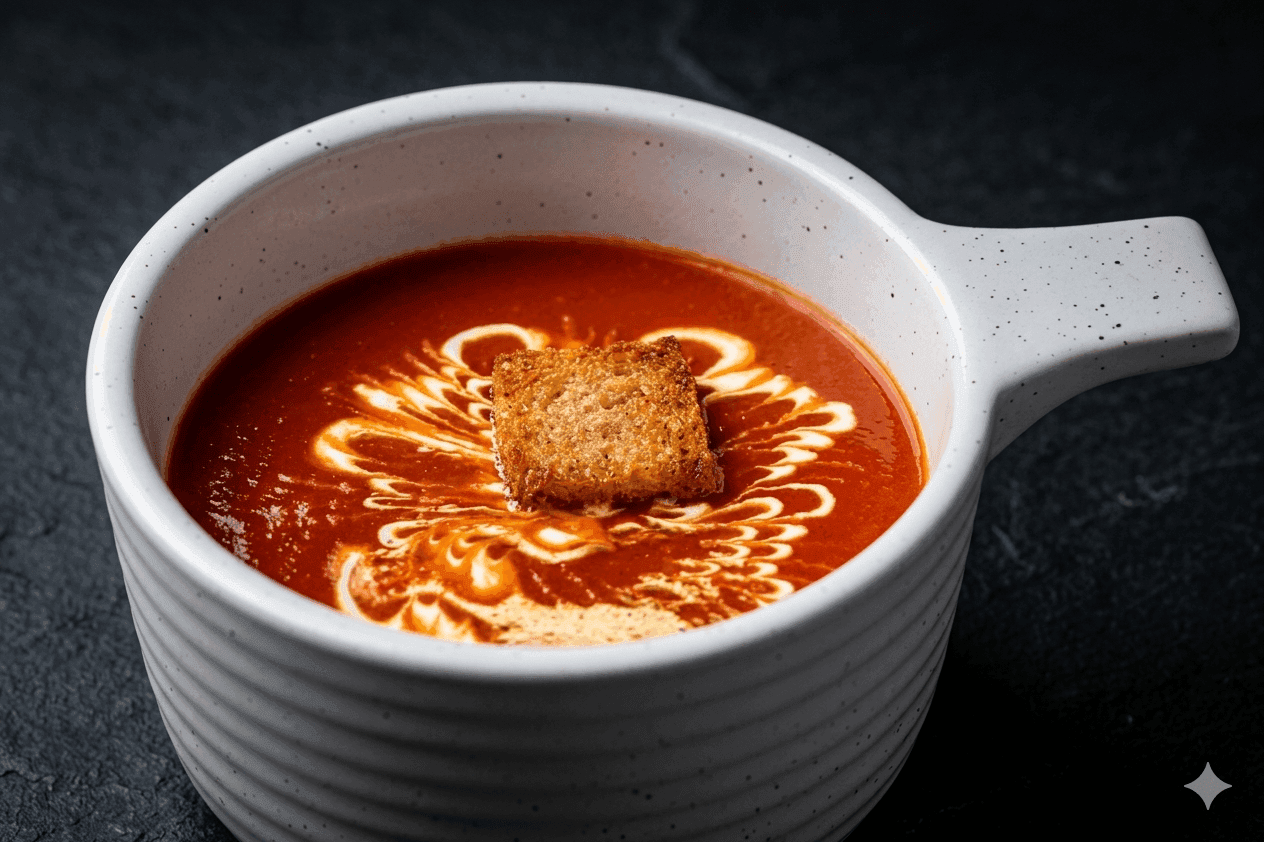
Tomato soup is the soup that almost everyone has had and almost no one has had at its best. The version that most people know comes from a tin, smooth and orange and slightly sweet and entirely inoffensive. It is comforting in the way that familiarity is comforting, which is to say it satisfies a memory rather than a standard.
The argument Ranveer Brar makes through this recipe is simple: the tomato is one of the most flavourful vegetables available and almost every cooking method that is applied to it makes it taste better than it does raw. Roasting concentrates its sweetness and drives off water. Charring the skin and the onion and the garlic alongside the tomatoes adds smokiness.
What makes this recipe specifically Ranveer Brar’s is the basil pesto drizzled on top at serving, not stirred in, not blended through, but poured over the surface of the soup in the bowl so that every spoonful carries both the deep, roasted tomato flavour of the soup and the sharp, herbal brightness of the pesto at the same time.
Why This Recipe Works Better Than Others
Roasting the Tomatoes First:
Raw tomatoes blended into soup taste bright and acidic but thin. Tomatoes that have been roasted at high heat for 25 minutes have shed a significant amount of their water, concentrated their natural sugars through caramelisation, and developed a smoky depth from the charred skin. The flavour difference is not subtle. A soup made from roasted tomatoes is deeper, sweeter, and more complex than an identical soup made from raw or boiled tomatoes. This is the first and most important decision in the recipe and the one most home cooks skip because it adds time. The time is worth it.
Charring the Onion and Garlic with the Tomatoes Builds the Smoky Base:
Ranveer Brar’s recipe calls for the onion halves and whole garlic cloves to roast in the same tray as the tomatoes. As they char at their edges, the cut surfaces caramelise and darken, producing a sweet, smoky bitterness that integrates into the soup base during blending. This is not the same as sautéed onion and garlic, which are cooked in fat and produce a different flavour profile. Roasted and charred onion produces the same smoky sweetness that gives restaurant tomato soups their distinctive depth that home versions consistently lack.
Double Straining Through a Fine Sieve Is What Produces the Velvety Texture:
Blending a tomato soup in a high-powered blender does not produce a smooth soup. It produces a soup with blended tomato skin particles, small seed fragments, and fibrous strands suspended throughout. Passing the blended soup through a fine mesh sieve, pressing firmly with the back of a ladle, and then passing it through again removes all of these and produces a texture so smooth it coats the back of a spoon in a perfectly even layer. This double-straining step is standard in professional kitchens and is rarely included in home recipes. Including it is the difference between a good tomato soup and a genuinely exceptional one.
Butter Stirred Off the Heat Adds Richness Without Greasiness:
Butter added to a hot soup that is still on the flame melts and begins to separate, leaving visible fat droplets on the surface rather than integrating into the soup. Butter added off the heat, stirred vigorously as it melts into the warm soup, emulsifies into the liquid and produces a uniformly rich, silky texture throughout. This is a classical French technique called monter au beurre and it is the reason restaurant soups taste richer than home soups even when they use the same ingredients.
Basil Pesto Added at Serving Creates Two Flavour Layers in One Bowl:
Stirring basil into a hot soup destroys most of its volatile aromatic compounds within seconds. Adding a spoonful of fresh basil pesto to the surface of the plated soup preserves the full fresh, sharp, herbal character of the basil completely. Each spoonful of soup carries both the deep, roasted, sweet warmth of the tomato base and the bright, peppery, slightly bitter freshness of the pesto at the same time. The contrast is what makes the dish interesting beyond the first few mouthfuls — the flavour changes slightly with every spoon depending on how much pesto it picks up
prep time
10 min
Roast Time
25 min
cook time
25 min
servings
4
Ingredients
 Tomatoes700 g
Ripe, deeply red
 Onion1 pieces
large, cut halved
 Garlic Clove6 cloves
 Olive oil3 tbsp
Extra virgin
 Basil stems0.5 cup
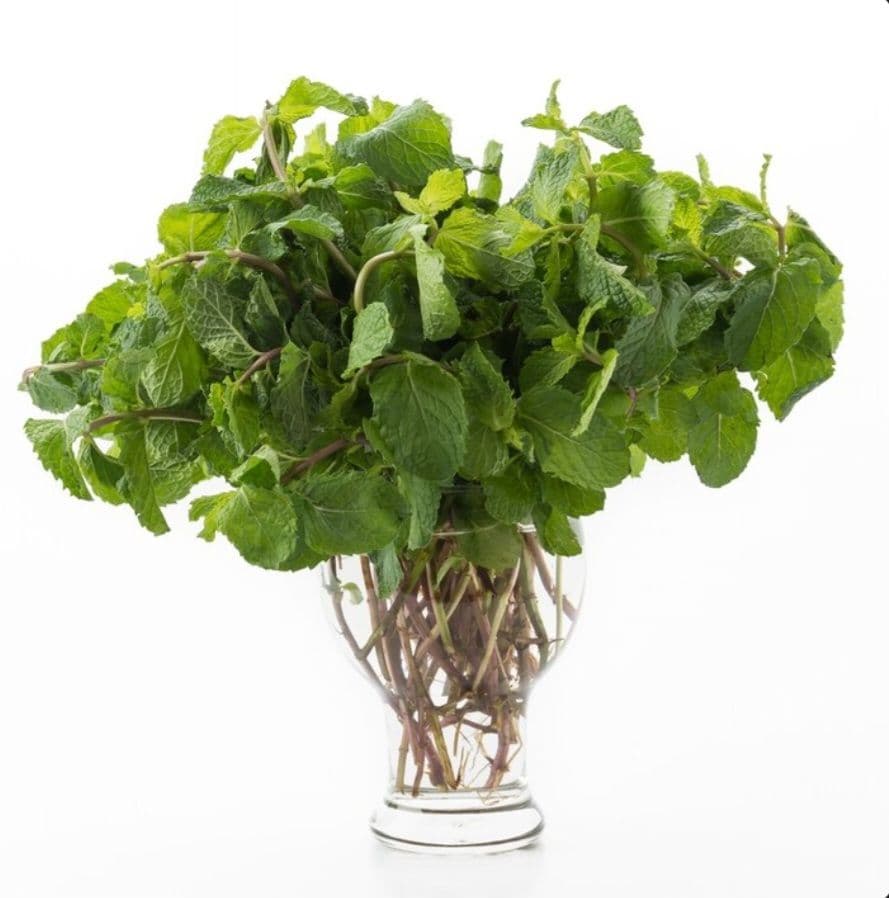
Fresh basil stems and leaves
Method
Roast The Tomatoes, Onion, And Garlic
Preheat the oven to 200 degrees Celsius (fan 180 degrees Celsius). Line a large roasting tray with parchment paper or foil.
Arrange the halved tomatoes cut-side up on the tray.
Add the halved onion cut-side down.
Scatter the unpeeled garlic cloves and fresh basil stems around the tomatoes.
- Drizzle the extra virgin olive oil generously over everything.
- Season with salt and black pepper.
- Roast in the preheated oven for 25 minutes until the tomato skins are blistered.
- The cut surfaces are darkened and slightly charred, and the onion has caramelised at the edges.
Chef’s Tip
Do not line the tray with too much parchment that extends up the sides. This traps steam and causes the tomatoes to simmer rather than roast, which prevents the caramelisation and charring that makes the flavour distinctive. Use a large enough tray that the tomatoes are in a single layer with space between them.
Collect The Roasting Juices And Cool Slightly
Remove the roasting tray from the oven. Allow the contents to cool for 5 to 8 minutes long enough to handle safely but short enough that everything is still warm when it goes into the blender.
Squeeze the roasted garlic cloves out of their skins directly into the roasting tray. Discard the skins. The garlic should be completely soft, sweet, and slightly golden.
Pour any liquid that has collected in the roasting tray.
The concentrated tomato juices and infused olive oil into the blender along with all the roasted vegetables.
Do not discard this liquid. It is the most intensely flavoured part of the entire recipe.
Chef’s Tip
If the tomato skins are very thick and blistered, you may peel them before blending though this is not strictly necessary because the soup will be strained after blending. However, peeling very charred skins before blending prevents any bitter, acrid flavour from over-charred skin entering the soup. Use your judgement: lightly blistered skin is fine to blend with. Heavily blackened skin should be peeled and discarded
Blend To A Smooth Puree
Transfer all the roasted vegetables, garlic, basil, and collected tray juices to a blender. Add 200 ml of the vegetable stock.
Blend on high speed for 90 seconds until completely smooth. If using a standard blender rather than a high-powered one, blend in two batches to avoid overfilling and extend the blending time to 2 minutes per batch.
The blended soup will be a deep, dark red-orange colour with a slightly rough texture from the tomato seeds and skin. This texture will be removed in the straining step
Chef’s Tip
When blending hot liquids, never fill the blender more than half full. Hot liquid expands as it blends and can force the lid off and cause serious burns. Place a folded kitchen towel over the lid and press down firmly while blending. Begin on the lowest speed and increase gradually. Alternatively, use an immersion blender directly in a deep pot, which is safer and produces slightly less smooth results but is far more practical for hot soups.
Double Strain Through A Fine Sieve
Set a fine mesh sieve over a large saucepan. Pour the blended tomato puree through the sieve in batches. Use the back of a ladle to press and push the puree firmly through the mesh, extracting as much liquid as possible.
Discard what remains in the sieve, the seeds, skin fragments, and fibrous material. Pour the strained soup back through the sieve a second time without pressing, allowing it to drip through on its own.
The result is a perfectly smooth, glossy, deeply coloured tomato soup with no particles, no seeds, and no texture irregularities. This is the restaurant-quality base that distinguishes this recipe from most home versions.
Chef’s Tip
The second pass through the sieve is quick and catches the very fine particles that passed through the first time. It takes less than a minute and makes a visible difference to the final texture. Do not skip it. If your fine mesh sieve has a coarse weave, line it with a piece of damp muslin cloth before passing the soup through for an even finer result.
Simmer, Season, And Adjust Consistency
Return the strained soup to the saucepan over medium heat. Add the remaining 200 ml of vegetable stock and stir to incorporate. The correct consistency is thick enough to coat the back of a spoon but fluid enough to pour and pool in the bowl.
Bring to a gentle simmer and taste. Season with salt, black pepper, and a pinch of sugar if the soup tastes too acidic. The sweetness from the roasted tomatoes should be naturally present, add sugar only if it is genuinely needed after tasting.
If the soup is too thick, add stock in small amounts. If too thin, simmer uncovered for 5 to 8 minutes to reduce. The correct consistency should be slightly thicker than cream
Chef’s Tip
Season the soup in this order: salt first, taste, then black pepper, taste, then sugar only if needed. Salt draws out the existing flavour of the tomatoes and often makes the acidity seem less sharp without needing sugar at all. Add sugar as a last resort, not a first step. A tomato soup that needs large amounts of sugar was made from underripe tomatoes, a problem that roasting softens but cannot entirely correct.
Make The Basil Pesto
While the soup simmers, combine the fresh basil leaves, lightly toasted walnuts, freshly grated Parmesan, one small raw garlic clove, and a generous pinch of salt in a small blender or mortar and pestle.
Blend or pound to a coarse paste. Drizzle in enough olive oil to produce a pesto that flows slowly from a spoon, thick enough to sit on the surface of the soup rather than immediately sinking through.
Taste the pesto. It should be intensely herbal, slightly salty, nutty from the Parmesan and the toasted nuts, and sharp with raw garlic. Adjust the salt and garlic to your preference. Set aside at room temperature until serving.
Chef’s Tip
Make the pesto at room temperature and use it within 30 minutes of making for the best colour. Basil oxidises rapidly when cut and the pesto will begin to darken from vibrant green to olive brown within an hour, especially if refrigerated. If making in advance, press a piece of cling film directly onto the surface of the pesto to exclude air and slow oxidation. A few drops of lemon juice also help preserve the colour.
The Tomato Deserves Better Than a Tin and a Saucepan.
Every time I see someone open a tin of tomato soup and heat it straight, I think about what the tomato could have been. The tomato is a fruit with one of the most complex flavour profiles of anything we grow, it has acid, it has sugar, it has umami, it has water, and it has aromatic compounds that respond beautifully to heat.
When you roast it, you drive off the water and concentrate everything else. When you char the edges, you add a smokiness that no spice can replicate. When you strain it twice and finish it with butter, you get something that a tin cannot come close to. Give the tomato what it deserves
Nutritions
Per Serving With Pesto (~250 ml)
People Also Ask
Yes. The oven roasting stage can be replaced with dry-roasting on a tawa or heavy griddle. Place the halved tomatoes cut-side down on a hot, dry tawa over medium-high heat and cook without moving for 4 to 5 minutes until the cut surface is well charred. Turn and cook the skin side for 2 minutes. Do the same with the onion halves. For the garlic, wrap unpeeled cloves in foil and roast directly on the flame or on the tawa for 8 to 10 minutes until soft. The result is slightly different in flavour, more smoky and less sweet than oven-roasted but produces an excellent soup. The stovetop method is actually closer to the tandoor-charred tomato technique used in traditional dhaba cooking.
Yes. Use 2 cans (800g total) of good-quality plum tomatoes. Drain the juice, spread the tomatoes on a roasting tray, add the onion and garlic, and roast as described. Canned tomatoes have already been processed at high heat and will not develop quite the same caramelisation as fresh ripe tomatoes, but they are significantly more reliable than fresh tomatoes that are underripe or watery. In fact, in winter when fresh tomatoes are poor quality, canned tomatoes produce a better soup. Always choose whole canned tomatoes rather than crushed or pureed for this recipe.
Store the strained soup base without the butter, cream, or pesto added. The dairy components separate on reheating if stored already incorporated. Refrigerate the plain strained soup for up to 4 days or freeze for up to 2 months. To serve, reheat gently in a saucepan over medium-low heat until just simmering, then remove from the heat and stir in the butter and cream fresh. Make the pesto fresh on the day of serving. It does not store well and loses its colour and fragrance quickly.
Yes. Replace the butter with 2 tablespoons of good-quality extra virgin olive oil, stirred in off the heat in the same way. Replace the fresh cream with full-fat coconut cream or cashew cream. Soak 30 g of raw cashews in hot water for 30 minutes, blend with 3 tablespoons of water until completely smooth, and use this in place of the cream. For the pesto, omit the Parmesan and add an extra pinch of salt and 1 teaspoon of nutritional yeast for a similar savoury depth. The vegan version is excellent and very close to the original in texture and richness.