
Hot and Sour Soup

Faiza Zarif
Chef
“Faiza Riaz, known globally as Cook with Faiza, is a prominent Pakistani culinary instructor and YouTube personality based in the UK. Since 2012, she has earned millions of followers by sharing authentic, step-by-step traditional recipes. Her clear teaching style makes complex South Asian dishes accessible to home cooks worldwide.”

Aarif
Food Journalist
Aarif is a devoted content writer at Regional Heritage Food (RHF), passionate about cooking and travel. He shares his culinary experiences and discoveries, inspiring others to explore new recipes and flavors.
Authentic Pakistani-Chinese hot and sour soup at home and The Ketchup-Based Chili Sauce
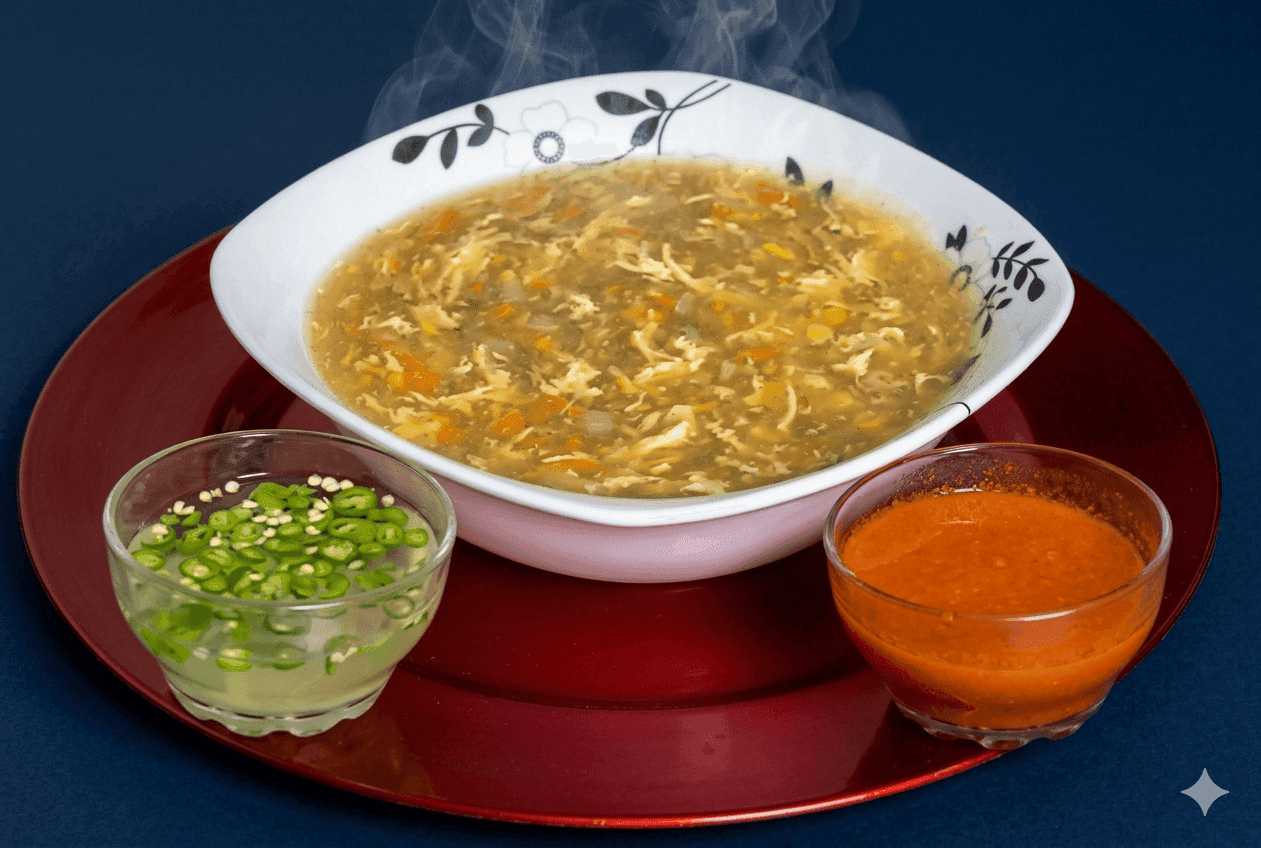
Hot and sour soup is one of those dishes that crosses every border it encounters and becomes something new on each side. In China, where it originated, it is pale and sharp, vinegar-forward, white-pepper-hot, thick with tofu and wood ear mushrooms. In Pakistan, where it landed it became something entirely different, It became red. The Pakistani version of hot and sour soup is identifiable at a glance by its colour, a deep, brick-red broth that comes not from chili paste alone but from tomato ketchup, which is the signature ingredient of what is now its own distinct cuisine: Pakistani-Chinese, or what most people simply call desi Chinese.
The soup is served in Pakistan with three condiments on the side: additional dark soy sauce, green chilies in vinegar, and red chili paste. Each diner adjusts their own bowl. This customisation is part of the experience, the soup is calibrated to a baseline of spice and tanginess that works for everyone and can be pushed further by anyone who wants it. Faiza Zarif’s recipe nails this baseline precisely. It is the version that people who have eaten this soup in restaurants for thirty years recognise as correct on the first spoonful.
Why This Recipe Works Better Than Others
The Ketchup-Based Chili Sauce
Tomato ketchup, cooked in oil with red chili powder and vinegar, produces a sauce that is simultaneously sweet, sharp, fruity, and spicy. It is the foundational difference between Pakistani-Chinese hot and sour soup and every other version. The ketchup is not added raw to the broth, it is cooked in oil first, which drives off the raw vinegar sharpness, concentrates the tomato flavour, and produces a sauce with a deeper, more rounded character that integrates into the broth differently than raw ketchup would.
Making the Chili Sauce Separately in Oil Is Not Optional:
The chili sauce, ketchup, red chili powder, soy sauce, and vinegar cooked together in a few tablespoons of oil. When these same ingredients are added directly to a large volume of broth without pre-cooking, they dilute immediately and never develop the concentrated, slightly caramelised depth that pre-cooking in oil produces. This separate cooking step takes four minutes and is the difference between a restaurant-flavoured broth and a watery, under-developed one.
White Pepper Rather Than Black Is Essential for the Correct Heat:
Black pepper produces an immediate, sharp, front-of-mouth heat. White pepper, which is used throughout Chinese and Pakistani-Chinese cuisine, produces a slow, building, back-of-throat warmth that is distinct and not replicable with black pepper. The heat in hot and sour soup should build gradually as you eat, not hit immediately on the first spoonful.
Adding Cornflour Slurry Gradually Is the Technique That Prevents Lumps:
A cornflour slurry poured into hot broth all at once cooks the cornflour at the point of entry before it has time to disperse, creating visible lumps of cooked starch suspended in an otherwise thin liquid. Added in a slow, steady stream while stirring continuously, it disperses evenly through the broth before cooking and produces a perfectly smooth, uniform thickening.
The Egg-Ribbon Technique Requires Low Heat and a Slow Pour:
Eggs dropped into boiling soup cook instantly into dense, uneven lumps rather than the delicate, wispy ribbons that define the visual identity of hot and sour soup. The correct technique is to reduce the soup to the lowest possible simmer before adding the eggs, whisk the eggs to a uniform liquid, and pour them in a very thin, continuous stream from a height while stirring the soup slowly and in one direction. The gentle current keeps the egg strands separated as they set. Any agitation that is too fast or too random breaks the ribbons into fragments.
prep time
15 min
Boil Time
20 min
cook time
20 min
servings
5
Ingredients
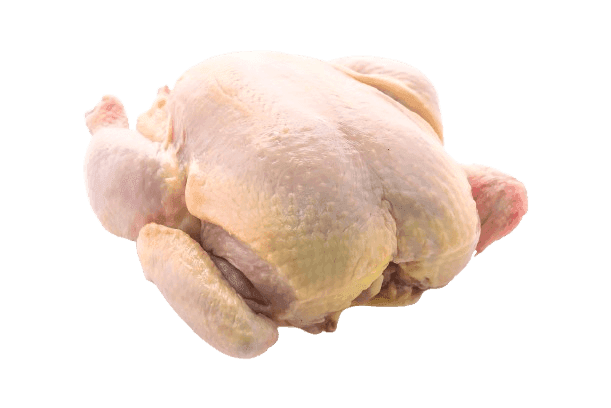 Chicken350 g
bone-in-chicken
 Water8 cup
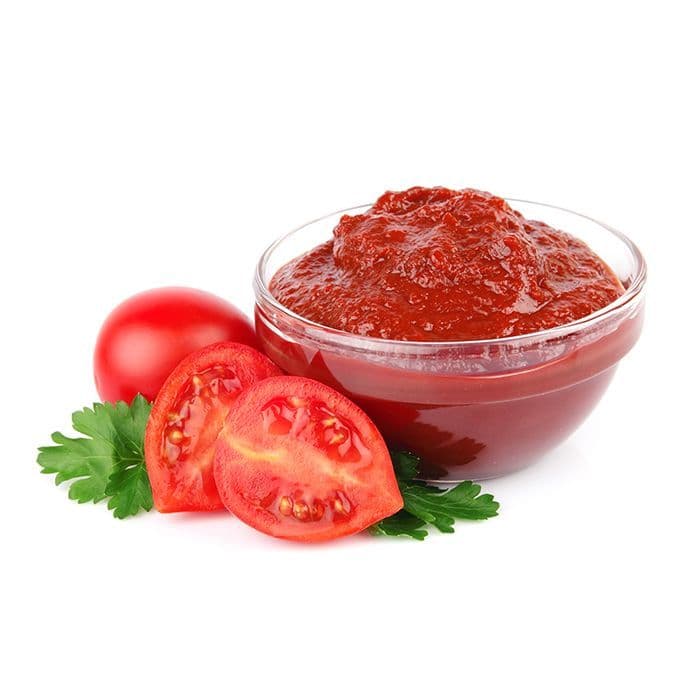 Tomato ketchup4 tbsp
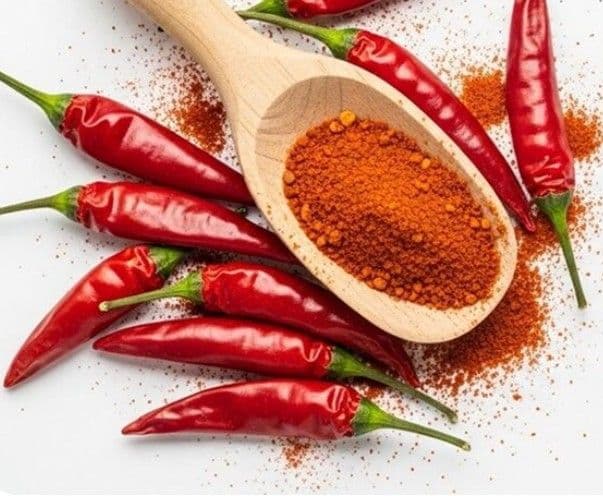 Red chili powder1 tsp
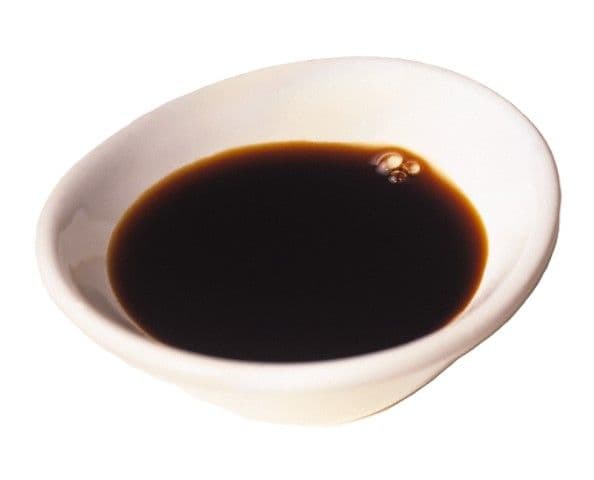 Soy sauce1 tsp
Method
Boil The Chicken And Prepare The Stock
Place the chicken in a large pot and cover with 8 cups of cold water.
Add a pinch of salt and a few cracks of black pepper. Bring to a boil over medium-high heat, skimming off any foam that rises to the surface during the first few minutes.
Reduce the heat to medium and simmer for 18 to 20 minutes until the chicken is completely cooked through and the water has taken on a pale golden colour and a light chicken flavour.
Remove the chicken from the pot and set aside to cool. Keep the cooking stock in the pot, this is the base of the soup.
Once the chicken is cool enough to handle, shred it finely into thin strips using your fingers or two forks. The shreds should be fine enough to pick up easily on a spoon.
Chef’s Tip
For the richest stock, add a small piece of fresh ginger (2 to 3 slices), 2 to 3 garlic cloves, and a few whole black peppercorns to the water along with the chicken. These aromatics elevate the stock from plain boiled water to something with genuine depth that you can taste in the finished soup. Remove and discard the aromatics when you remove the chicken. This step adds almost no time and makes a meaningful difference to the flavour of the base broth.
Make The Pakistani Chili Sauce Separately
In a small separate pan, heat 2 tablespoons of neutral cooking oil over medium heat.
Add the red chili powder first and cook for 20 seconds, stirring, until it blooms in the oil and the colour deepens. Do not let it burn.
Add the tomato ketchup to the spiced oil and stir vigorously to combine.
The ketchup will spit slightly, stand back from the pan. Cook over medium heat, stirring constantly, for 2 minutes until the ketchup has darkened slightly and the raw tomato smell has cooked off.
Add the dark soy sauce and white vinegar to the ketchup mixture. Stir to combine and cook for a further 30 seconds.
Remove from the heat. This concentrated chili sauce is the flavour backbone of the entire soup. Set aside until needed.
Chef’s Tip
The chili sauce should be thick, glossy, deeply red, and intensely flavoured when done. Taste it at this stage, it should taste very bold, even aggressively so, because it will be diluted into a large volume of stock. If it tastes mild at this stage, the finished soup will taste flat. Adjust the red chili powder now if you want more heat, and adjust the vinegar now if you want more sourness. Corrections made at this stage are easy. Corrections made after the sauce is in the soup are difficult.
Build The Soup Base
Return the chicken stock pot to medium-high heat. Bring the stock to a gentle boil. Add the spring onion whites and cook for 1 minute.
Add the shredded cabbage, julienned carrot, and sliced capsicum. Stir to distribute the vegetables through the stock.
Cook for 3 to 4 minutes, the vegetables should be slightly softened but still retain a light crunch and their colour. Do not overcook the vegetables at this stage.
Add the shredded chicken back into the soup. Stir to distribute evenly
Chef’s Tip
Cut all vegetables to a consistent, fine size before the soup starts cooking. Faiza Zarif emphasises that the julienne on the carrot and the shred on the cabbage should be thin approximately 3 to 4 cm long and 2 to 3 mm thick. Vegetables cut too thick remain undercooked and hard in the finished soup. Vegetables cut too thin dissolve and lose their texture entirely. Consistent sizing also produces the professional, restaurant-style appearance of the soup when served.
Add The Chili Sauce And Season The Broth
Pour the prepared chili sauce into the soup and stir thoroughly to incorporate. The broth will immediately turn the characteristic deep red-orange colour of Pakistani hot and sour soup.
Add the white pepper powder and stir. Taste the broth at this point, it should be sour from the vinegar, spicy from the chili, savoury from the soy sauce, and slightly sweet from the ketchup. The balance should be assertive, not flat.
Adjust sourness by adding more white vinegar one teaspoon at a time.
Adjust heat with additional white pepper.
Adjust saltiness with a small amount of soy sauce or plain salt.
The seasoning should be done at this stage before the soup is thickened, as the cornflour slightly mutes the sharpness of the flavours.
Chef’s Tip
Season before thickening, always. Once the cornflour slurry is added, the viscosity of the soup increases and it becomes harder to taste the seasoning accurately because the thicker consistency coats the palate differently than a thin broth does. Make all your seasoning decisions while the soup is still thin and clear. If you have erred on any side, correct it now. The seasoning should feel slightly aggressive before thickening. The cream-like consistency of the thickened soup will soften the perception of all seasonings by approximately 10 to 15 percent.
Thicken With Cornflour Slurry
In a small bowl, combine 3 tablespoons of cornflour with exactly 3 tablespoons of cold water. Stir until completely smooth with no lumps visible. The slurry should look like thin, slightly cloudy liquid, not a paste.
Reduce the soup to a medium simmer. Pour the cornflour slurry into the soup in a very slow, thin, steady stream while stirring the soup continuously with a ladle or large spoon in a circular motion. Do not stop stirring while pouring.
Once all the slurry is incorporated, continue to stir for 2 minutes as the soup thickens. The correct consistency is noticeably thicker than a thin broth but still fluid enough to pour, similar to a light gravy.
If the soup is too thick, add a small amount of hot water or stock. If too thin, prepare a small additional slurry and add it in the same gradual way.
Chef’s Tip
The most common mistake with cornflour in soup is adding it too fast. Cornflour sets almost instantly on contact with hot liquid. If poured quickly, the first drops set immediately into lumps before the surrounding liquid can dilute them. Pouring in a thin, slow stream while stirring gives each tiny amount of slurry a fraction of a second to disperse before it sets. If you do get lumps, pass the soup immediately through a fine sieve while it is still hot enough to be liquid enough to strain. This salvages the soup completely and is faster than attempting to blend out lumps.
Add The Egg Ribbons
Reduce the heat to the lowest setting available. The soup should be barely moving a very gentle, almost imperceptible simmer with no bubbling. If the soup is boiling, the eggs will cook into lumps the moment they hit the surface.
Whisk the 2 eggs in a small bowl or jug until completely uniform. Pour the beaten egg in an extremely thin, continuous stream from a height of approximately 15 to 20 cm above the soup surface, moving the jug slowly in a circular pattern as you pour.
While pouring, stir the soup gently and slowly in one direction with a ladle or large spoon. The combination of the thin egg stream and the gentle circular current produces delicate, silky ribbons of cooked egg distributed evenly throughout the soup. Once all the egg is added, stir gently once more and remove from heat.
Chef’s Tip
The height from which you pour the egg matters. Pouring from directly above the surface with no height means the egg hits the liquid as a stream and sets into a thick cord before the current can break it into ribbons. Pouring from 15 to 20 cm above allows the stream to thin and break slightly as it falls, producing the delicate, wispy ribbons that are the visual hallmark of a well-made hot and sour soup. Practice the pouring technique with water before adding the actual egg on your first attempt if you are unsure
Garnish And Serve With The Condiment Trio
Ladle the hot soup into warmed bowls. Scatter the reserved spring onion greens over each bowl. The green of the spring onions against the deep red of the soup is the characteristic visual presentation of Pakistani hot and sour soup.
Place three small dishes on the table: dark soy sauce, green chilies in vinegar (prepared at least 15 minutes before serving), and red chili paste. These are the Pakistani restaurant condiment trio and are not optional accompaniments.
Serve immediately. Hot and sour soup does not hold or improve with time. The egg ribbons continue to cook in the residual heat and become progressively tougher. The vegetables soften beyond the correct texture within 15 minutes of cooking.
Chef’s Tip
If making hot and sour soup for a large group where serving all at once is difficult, hold the completed soup before the egg step. Keep the seasoned, thickened broth warm over the lowest heat. When ready to serve, bring it to a very gentle simmer, add the eggs at that moment, and ladle immediately. This ensures every bowl gets freshly made egg ribbons and the correct texture. Never add the eggs in advance if the soup will sit for more than 10 minutes before serving.
The Ketchup Is Not a Shortcut. It Is the Recipe
People sometimes ask me why I use ketchup in a Chinese soup. I tell them: this is not a Chinese soup. This is a Pakistani soup. Our hot and sour soup is its own thing, it has its own colour, its own balance, its own condiments on the side. The ketchup gives it the sweetness and the red that make it ours. When you cook the ketchup in oil with the red chili and the soy sauce before you add it to the broth, it is not a shortcut anymore. It is a technique. Cook it right, pour the eggs right, and you will have a soup that tastes exactly like the restaurant version your family has been ordering for thirty years. That is what I want people to be able to make at home.
Nutritions
Per Serving (~ 300 ml)
People Also Ask
Yes. Replace the chicken with firm tofu, sliced mushrooms (shiitake and button combined work well), or simply add more vegetables. Use vegetable stock instead of the chicken cooking water, dissolve a good-quality vegetable stock cube in 8 cups of hot water, or use homemade vegetable stock simmered with ginger, garlic, and spring onion. The chili sauce, thickening technique, and egg-ribbon method remain identical. A vegetarian hot and sour soup made with mushrooms and tofu closely approximates the original Chinese version while retaining the Pakistani flavour profile from the chili sauce.
Three causes produce lumpy rather than ribbon eggs. The soup was at too high a temperature when the egg was added, reduce to the absolute lowest simmer, barely moving, before pouring. The egg was poured too quickly in a thick stream rather than a slow, thin, continuous drizzle. Or the soup was stirred too vigorously or too fast while the egg was being added, breaking the ribbons before they could set. Next time: lowest heat, thin slow pour from height, gentle circular stir in one direction. If the soup already has lumpy eggs, it still tastes correct even if it looks different.
Store the soup without the egg in an airtight container for up to 2 days refrigerated. The egg ribbons become rubbery and unpleasant when refrigerated and reheated. When ready to serve the stored soup, reheat gently over medium-low heat until just simmering, then add a fresh batch of beaten egg using the same ribbon technique. The thickening from the cornflour will relax slightly on storage. If the reheated soup is too thin, prepare a small additional slurry of 1 tablespoon cornflour in 1 tablespoon cold water and add as described. Do not freeze hot and sour soup, the cornflour thickening breaks down completely on freezing and thawing.