
Shami Kabab
Kun Foods
Chef
“Afzal Arshad, creator of Kun Foods, is a Pakistani chef known for his YouTube channel where he teaches viewers to recreate famous restaurant dishes at home. His clear, educational videos and focus on food safety have earned him millions of followers across YouTube, Facebook, and TikTok, making him a leading figure in Pakistan’s food vlogging scene”

Aarif
Food Journalist
Aarif is a devoted content writer at Regional Heritage Food (RHF), passionate about cooking and travel. He shares his culinary experiences and discoveries, inspiring others to explore new recipes and flavors.
Reshay Dar, Crispy and Freezer-Ready | Boneless Beef, Chana Dal and Potli Masala
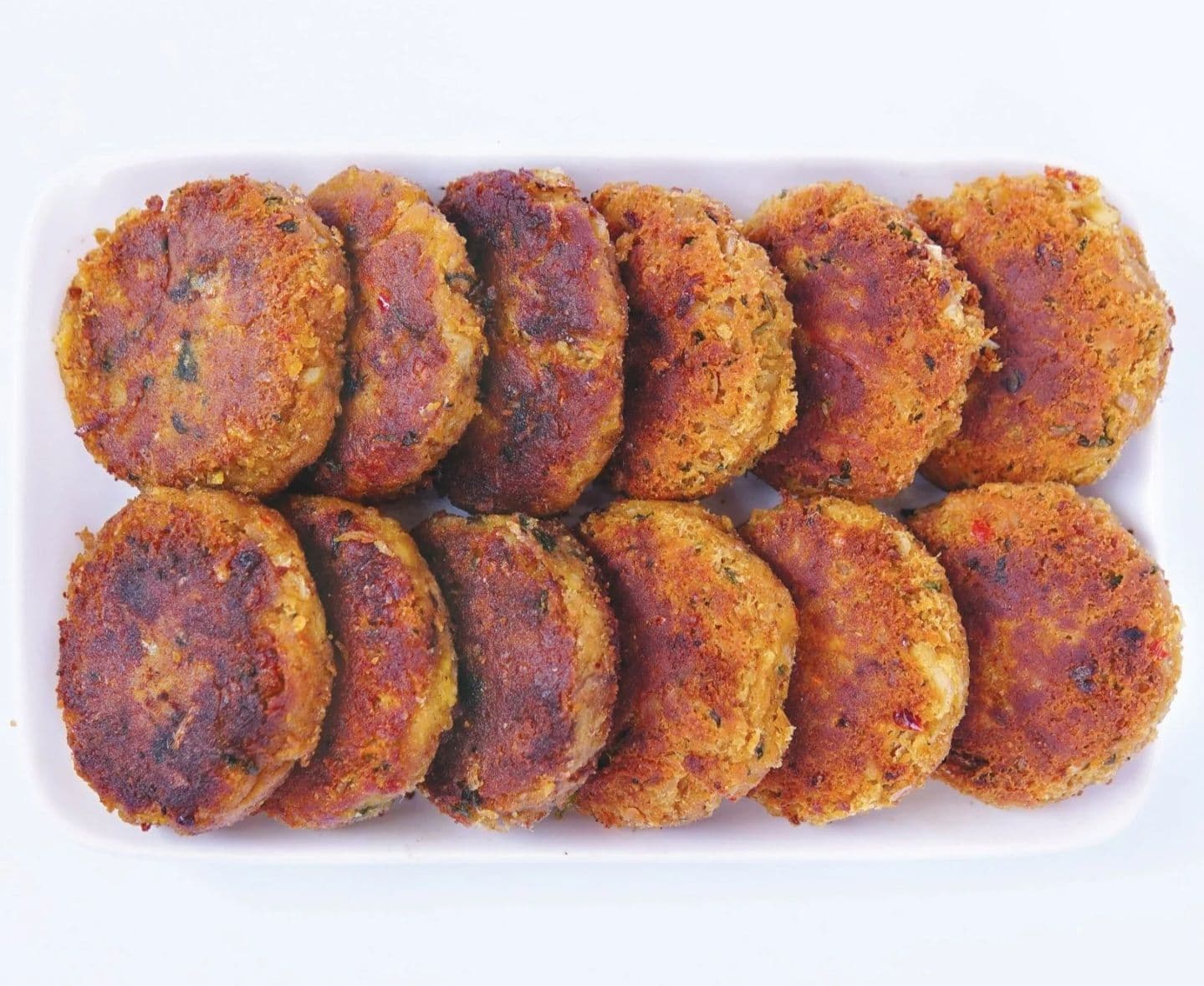
Shami Kabab is one of those dishes that every Pakistani family claims their mother or grandmother makes best. And they are all right, because the real Shami Kabab is a home-kitchen dish first. It was born in the Mughal era and carried into Pakistani households across generations, not through cookbooks but through kitchens, through watching and doing. It shows up at everything from a simple Tuesday lunch rolled inside a paratha to a full dawaat spread arranged on a platter with sliced onion rings and lemon wedges.
The problem is that most Shami Kabab recipes take shortcuts that change the result completely. They use minced meat instead of boneless chunks, they skip the potli masala, and they add the fresh herbs too early. Kun Foods' version goes back to the original method: whole boneless meat chunks pressure cooked with a bundle of whole spices, mashed by hand until fibrous, and seasoned with freshly roasted and crushed cumin and coriander just before shaping.
The result is a kabab that has a genuinely reshay-dar texture inside, a crispy golden crust outside, and enough depth of flavour to make people ask for the recipe before they have finished the first one.
Why This Recipe Works Better Than Others
Whole Boneless Chunks, Not Minced Meat:
Most home Shami Kabab recipes call for minced meat because it is faster and easier to work with. Kun Foods insists on boneless meat chunks and the difference is completely visible in the final result. When whole chunks of beef are pressure cooked until very tender and then mashed by hand, the meat separates into long natural fibres that run through the kabab. This is the reshay-dar texture that defines an authentic Shami Kabab.
The Potli Masala Gives Full Flavour with Zero Crunch:
Whole spices cooked directly in the pot with the meat leave fragments behind that are impossible to remove completely. You end up biting into a cardamom pod or a peppercorn in the middle of a kabab and it ruins the experience. The potli masala is the solution. All the whole spices are tied tightly in a muslin cloth before going into the pressure cooker. They infuse every drop of flavour into the meat and dal during the long cook, and when the pot is opened, the bundle is pulled out in one clean move. Nothing is left behind except pure, deep, complex spice flavour throughout the mixture.
Two-Stage Spicing Builds Layered Flavour:
This recipe adds the seasoning spices in two separate stages and each stage does a different job. The potli bundle in the pressure cooker handles the deep background flavours during the long cook: pepper, cardamom, cinnamon, bay leaf, red chilli. Then after mashing, freshly roasted and hand-crushed cumin and coriander are added along with chilli flakes and lemon juice. These late-stage spices sit on top of the flavour rather than underneath it, giving the kabab a bright, vivid, fresh note on top of the rich deep base. Using only one spice stage produces a flat, one-dimensional flavour. The two-stage method is why this kabab tastes layered.
Fresh Herbs Added by Hand at the Very End:
Tearing mint leaves by hand rather than cutting them with a knife is not a small detail. A knife cuts through the cell walls of the herb and the essential oils bleed out immediately onto the chopping board. Tearing by hand breaks the cells more gently and the oils stay inside the leaf. When you fold those torn leaves into the kabab mixture, every bite releases the mint flavour fresh rather than having it fade before the kabab is even shaped. The same logic applies to any delicate herb. This is a kitchen technique that professional cooks use every day and home recipes almost never mention.
Chill Before Shaping for Kababs That Hold Together:
Shaping kababs from a mixture that is too warm or too wet is the reason most homemade Shami Kababs fall apart in the pan. Refrigerating the mashed mixture for 20 to 30 minutes before shaping does two things at once. The dal cools and firms up, which makes it stickier and more binding. The fat from the meat solidifies slightly, which makes the mixture hold its shape when pressed between the palms. Kababs shaped from a chilled mixture go into the pan firm, hold their shape during frying, and develop a proper golden crust without breaking.
prep time
20 min
soak time
4h
cook time
1h
kababs
24
Ingredients
 Beef boneless0.5 kg
 Chana dal250 g
 Oil0.5 cup
 Onion1 unit
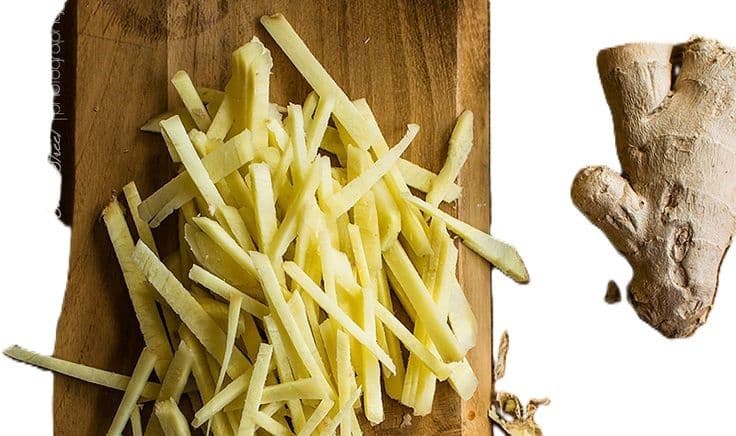 Ginger1 inch
crushed
Method
PREP THE MEAT AND SOAK THE DAL
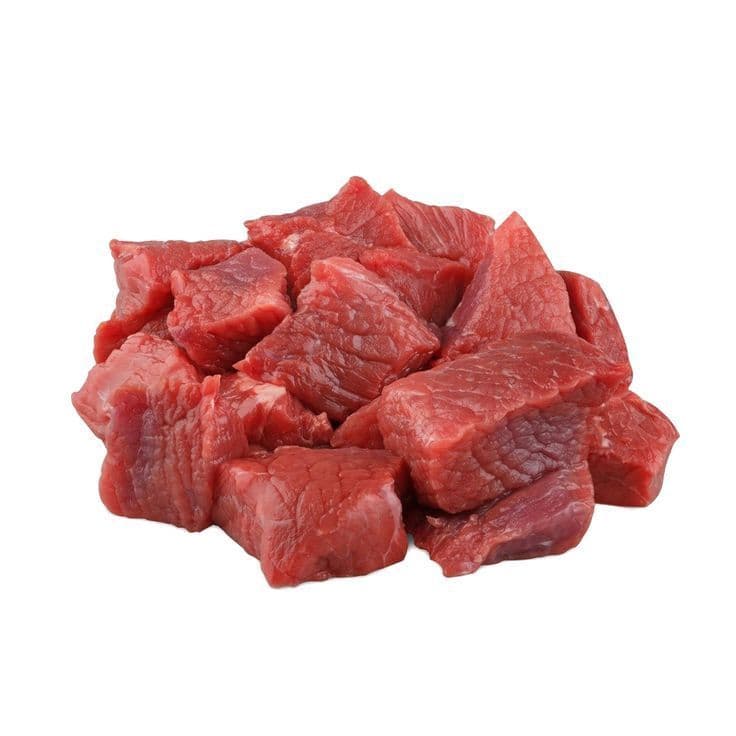
Take 500g boneless beef and clean it thoroughly. Look for the thin white membrane called silver skin on the surface of the meat and remove it completely.
Cut the cleaned meat into medium to large chunks.
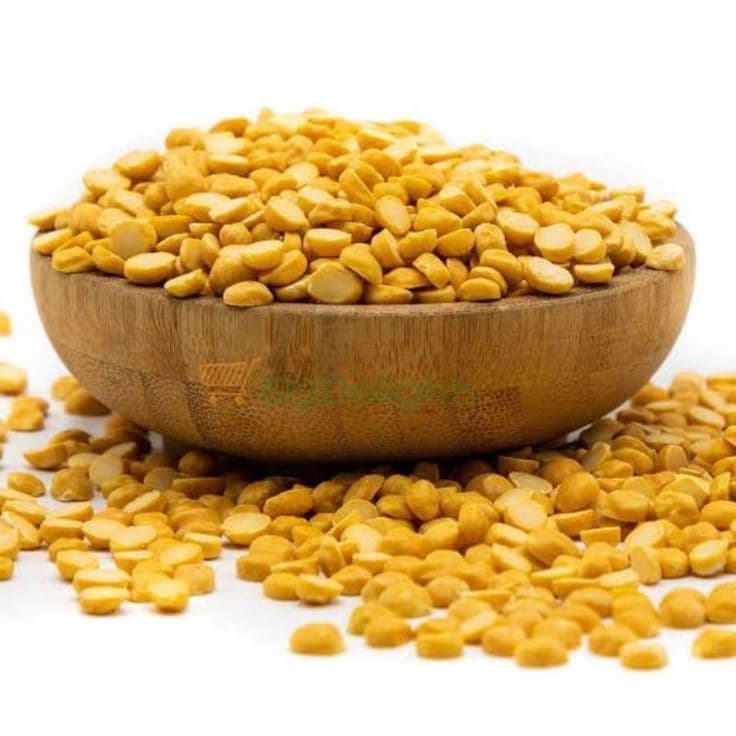
In a separate bowl, wash the chana dal well and cover with cold water. Leave it to soak for at least 3 to 4 hours before cooking.
Chef's Tip:
Removing the silver skin is the most skipped step in this recipe and the one that causes the most texture complaints. Even a small piece left on the meat will grind differently from the rest and create a stringy, unpleasant thread in the finished kabab. Take two or three minutes to check every piece and remove any white membrane you see.
SEASON THE OIL WITH GINGER AND GARLIC
Heat 2 to 3 tbsp of oil in a pressure cooker over medium heat.
Add the crushed ginger and crushed garlic together. Stir and fry for 1 to 2 minutes until lightly golden at the edges.
You are not making a curry base here. You are removing the raw smell from the oil before the meat goes in. This step is the reason Kun Foods' Shami Kabab does not have that boiled-meat smell that many home versions carry.
Chef's Tip:
Always fry the ginger and garlic first, before the meat, never after. Once the meat goes into the pot, the temperature drops and the ginger garlic stops browning properly. A few seconds in hot oil at this stage does more to eliminate the raw smell than any amount of spice added later
SEAR THE MEAT CHUNKS
Add the meat chunks directly to the hot, ginger-garlic oil.
Turn the heat to medium-high. Stir and turn the pieces for 3 to 4 minutes until no pink remains on the outside of any piece and the surface of the meat looks lightly browned.
You are not trying to get a deep sear. You are just removing all traces of rawness from the surface and adding a thin layer of roasted flavour to each piece before the pressure cook.
Chef's Tip:
Do not rush past this step by going straight to pressure cooking. The 3 to 4 minutes of searing on open heat creates a light roasted note on the outside of each meat chunk that carries through the entire kabab after mashing. Meat that is pressure cooked without searing first tastes boiled, no matter how many spices are added.
TIE AND ADD THE POTLI MASALA
Lay a clean piece of muslin cloth flat on your work surface.
Place all the whole spices in the center: 1 tbsp coriander seeds, half tbsp black peppercorns, 2 small cinnamon sticks, 2 bay leaves, 4 green cardamom pods, 1 black cardamom pod, and 4 dry red chillies.
Gather the corners of the cloth and tie them tightly to form a secure bundle. The bundle should be tied well enough that nothing can fall out even with vigorous boiling.
Chef's Tip:
The tighter the bundle, the better. A loose potli that opens during cooking defeats the entire purpose. If muslin cloth is not available, a clean cotton handkerchief or a piece of thin cotton fabric works just as well. The goal is fabric fine enough to let flavour through but close-woven enough to hold every spice seed inside.
PRESSURE COOK EVERYTHING TOGETHER
To the pressure cooker with the seared meat, add the soaked and drained chana dal, 1 whole medium onion, 1 tsp salt, quarter tsp turmeric, 2 to 2.5 cups of water, and the tied potli bundle.
Seal the pressure cooker lid. Cook for 5 to 10 minutes longer than your normal meat cooking time.
Both the meat and the dal must be cooked until they are completely, fully soft.
The dal should be mashable with almost no pressure and the meat should fall apart when pressed between two fingers.
Chef's Tip:
The dal needs to be softer than you think is necessary. Under-cooked chana dal does not bind properly, which means the shaped kababs will crack at the edges and fall apart in the pan. If in doubt after opening the pressure cooker, close the lid and cook for another 5 minutes. You cannot over-cook the dal for this recipe
DRY OUT THE MIXTURE COMPLETELY
Open the pressure cooker and look at the liquid level.
There should be very little water remaining. If there is visible water or a watery pool at the bottom of the pot, put the cooker back on the stove uncovered on high heat and stir continuously until every drop of liquid has evaporated.
The mixture must be completely dry before you start mashing. Find and remove the potli bundle and throw it away.
Chef's Tip:
This is the most important single step for kababs that hold together. Even a small amount of excess moisture left in the mixture before mashing is enough to make the final kababs too soft to shape properly. They will stick to your hands, lose their shape in the pan, and fall apart at the first flip. Dry until you can see no steam rising from the surface and the mixture looks matte, not glossy
MASH UNTIL FULLY FIBROUS
Using a wooden mashing tool or a heavy spoon, mash the cooked meat and dal together in the pot.
The goal is to break the meat completely into fibres so that you cannot tell where the meat ends and the dal begins.
Keep mashing, pressing, and folding the mixture for several minutes until it is fully combined with a fibrous, slightly stringy texture throughout. This is what makes the finished kabab reshay-dar.
Chef's Tip:
Mash while the mixture is still hot or warm. Hot dal is soft and yielding and the meat fibres separate easily. If the mixture cools completely before mashing, the dal hardens and clumps and the meat becomes resistant. If you need to pause, cover the pot to retain heat. A food processor can be used for this step but gives a smoother, more uniform texture rather than the fibrous one that hand mashing produces
ROAST AND CRUSH THE FINISHING SPICES
Put a small dry pan on medium heat.
Add 1 tbsp cumin seeds and 1 tbsp coriander seeds together. Stir constantly for 2 minutes until they darken slightly and the kitchen smells strongly of toasted spice.
Remove from heat immediately and tip onto a flat surface. Crush coarsely using a mortar and pestle or a rolling pin.
You want broken fragments, not fine powder. These freshly roasted, coarsely crushed spices go into the mashed mixture as the bright, fresh top layer of flavour.
Chef's Tip:
Roast these spices on the same day you make the kababs. Pre-roasted spices that have been sitting in a jar for days have already lost most of their volatile oils. The entire point of this step is that the oils are released right at the moment of use and go straight into the kabab mixture while still active. Roast, crush, and add within 5 minutes for maximum impact
SEASON THE MIXTURE
The freshly roasted and crushed cumin (1 tbsp), the freshly roasted and crushed coriander (1 tbsp), red chilli flakes (1 tsp), red chilli powder (1 tsp), salt (half tsp, adjust to taste), and the juice of 2 lemons.
Mix everything in thoroughly with your hands or a spoon, pressing the seasonings into the mixture so they are evenly distributed throughout. Taste a small amount and adjust salt, chilli, or lemon if needed.
Chef's Tip:
Add the lemon juice last, after mixing all the dry spices in. Adding lemon too early causes the mixture to release water and become wet again. Once the lemon juice is in, work quickly and move to the next step without letting the mixture sit for too long.
FOLD IN THE FRESH HERBS
Tear the mint leaves by hand into small pieces and drop them into the mixture.
Add the chopped fresh coriander and the finely chopped green chillies.
Fold everything in gently using a folding motion rather than stirring.
Taste the mixture one final time and make any last adjustments to salt or chilli.
The mixture is now fully seasoned and ready for shaping.
Chef's Tip:
Add the fresh herbs at this last possible moment, not any earlier. If herbs are added during seasoning and then the mixture sits for 20 minutes before shaping, the heat of the mixture wilts them completely and the bright green colour and fresh aroma are gone. Herbs added at the very end stay vivid, stay fragrant, and stay visible in the final kabab
CHILL, THEN SHAPE THE KABABS
Cover the bowl and place it in the refrigerator for 20 to 30 minutes.
When the mixture is cold and firm, lightly grease your palms with a little oil.
Take a portion of the mixture roughly the size of a golf ball.
Press it between both palms into a round flat kabab about half an inch thick.
Place the shaped kabab on a flat tray. Repeat until all the mixture is shaped.
If the mixture warms up and starts sticking to your hands, return it to the fridge for another 10 minutes.
Chef's Tip:
The resting and chilling step is not optional. A warm, freshly mashed mixture is too soft and sticky to shape cleanly. The chilling time firms up the fat from the meat and makes the dal more cohesive. Kababs shaped from cold mixture hold their edges cleanly, sit flat on the tray without spreading, and go into the pan with a shape they will keep all the way through frying
FRY TO GOLDEN PERFECTION
Beat 1 to 2 eggs in a shallow bowl.
Heat 2 to 3 tbsp oil on a tawa or flat pan over medium heat.
Dip each kabab into the beaten egg to coat both sides. Place in the hot oil and fry for 2 to 3 minutes per side without touching or pressing down.
The kabab will release naturally from the pan when the bottom crust is set.
Flip once and fry the other side to the same golden colour.
Drain on paper towels and serve immediately.
Chef's Tip:
Medium heat only. High heat gives a dark, quick crust but leaves the center cold and raw-tasting. Medium heat cooks the kabab evenly all the way through while building a proper golden crust on both sides. If you notice the outside colouring faster than expected, reduce the heat slightly. The kabab should sizzle steadily but not aggressively
Secret Ingredient: The Potli Masala
The potli masala is the ingredient that separates Kun Foods' Shami Kabab from every version that uses loose whole spices or pre-ground masala. The concept is simple: all the whole spices are tied into a tight muslin bundle before cooking and removed cleanly after. What this does is allow a full 30 to 40 minute infusion of coriander seed, black pepper, cinnamon, cardamom, bay leaf, and red chilli into every fibre of the meat and every grain of dal, without leaving a single fragment behind in the final mixture.
The result is a kabab that has genuine depth and complexity in every bite rather than a flat, generic spice flavour, but with no unpleasant crunch from a whole spice no one expected to find. Every authentic shami kabab cook in Lahore and Karachi uses this technique. Most online recipes skip it because it takes two extra minutes to tie the bundle. Those two minutes are worth it every time.
Nutritions
Per Kabab (approx. 60g)
People Also Ask
Yes, but the texture will be noticeably different. Boneless chunks that are pressure cooked until very tender and then hand-mashed produce a fibrous, reshay-dar kabab where the meat separates into long natural strands. Mince produces a smooth, dense, uniform kabab with no fibre. It holds together more easily but eats more like a burger patty than a genuine Shami Kabab. If minced meat is all you have, use it, but understand that the characteristic texture of the real thing requires whole chunks.
There are three main reasons. First, the mixture had too much moisture left before shaping and the excess water prevented the dal from binding properly. Second, the chana dal was not cooked long enough to become fully soft and sticky. Third, the kababs were flipped before the bottom crust had set and the shape broke during the turn. The solutions are: dry the mixture completely before mashing, cook the dal until it is very soft with no resistance, refrigerate the mixture for 20 to 30 minutes before shaping, and fry on medium heat without touching the kabab until it releases naturally from the pan.
Yes. Use a heavy pot with a tight-fitting lid. Add an extra half cup of water to the recipe. Cook on low heat for 60 to 90 minutes, checking every 20 minutes and topping up with hot water if needed. The meat should be completely fall-apart tender and the dal should be fully soft before you start drying the mixture. The result is the same as the pressure cooker method but takes longer.
Yes. For the air fryer, brush the shaped kababs lightly with oil and cook at 180 degrees Celsius for 10 to 12 minutes, flipping halfway through. For the oven, place on a greased tray and bake at 200 degrees Celsius for 15 to 18 minutes. Both methods produce a slightly different texture from pan-frying as there is less contact with the hot oil surface. The kababs will be less crispy on the outside but still well-cooked and flavourful inside.