
Street Style Fish Fry

Sadia Uzair
Chef
“Sadia Uzair is one of Pakistan’s most beloved home chefs and food content creators. Known for her approachable, no-fuss cooking style, she has built a loyal following by turning beloved street food recipes into reliable, replicable dishes for home kitchens. Her fish fry recipe is one of the most searched and most trusted Pakistani fish fry recipes online.”

Aarif
Food Journalist
Aarif is a devoted content writer at Regional Heritage Food (RHF), passionate about cooking and travel. He shares his culinary experiences and discoveries, inspiring others to explore new recipes and flavors.
Crispy Tawa Fish: Secret Double-Marinade & Perfect Besan Coating
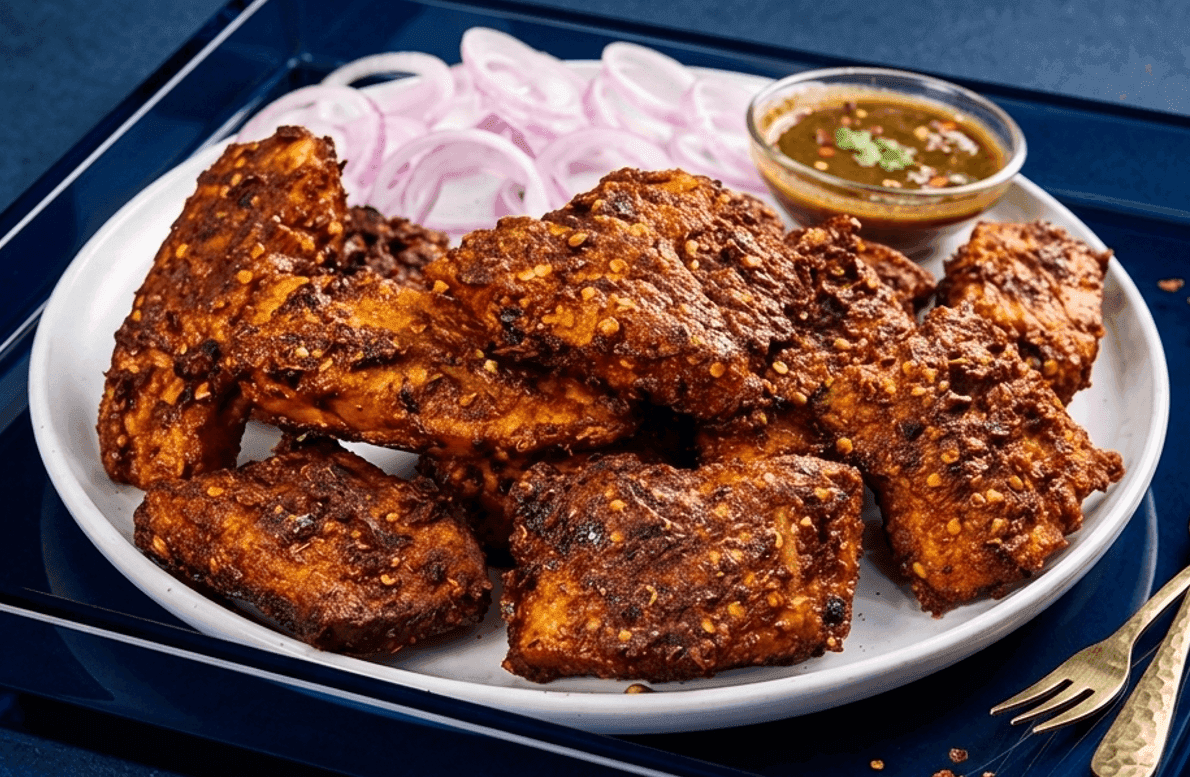
Lahori fish fry does not exist on a plate in the way most food exists on a plate. It exists on a piece of newspaper, or a square of brown paper, or nothing at all except the hand holding it, standing outside on a cold winter evening in front of a tawa that has been smoking for six hours straight. The spice coating is orange-red and sticky and fragrant. The fish underneath is soft and flaky. The crust is something between crisp and chewy. There is a slice of lemon somewhere, and a green chutney, and a raw onion ring, and none of it works separately from any other part. This is what Sadia Uzair has been cooking, and teaching others to cook, for years.
Sadia Uzair is not a restaurant chef. She is a home cook who built one of Pakistan's most followed recipe platforms by understanding what home cooks actually struggle with and solving those problems one recipe at a time. Fish fry was always going to be on that list. It is one of the most ordered foods in Pakistan and one of the most disappointing when made at home for the first time. The crust falls off. The fish steams inside rather than crisps outside. The spice sits on the surface like a dusting rather than penetrating the flesh. The result looks nothing like the street stall version and tastes even further away.
What Sadia Uzair identified is that Lahori fish fry fails at home for reasons that are entirely fixable. None of them require special equipment. None of them require restaurant-grade ingredients. All of them require understanding why each step exists, not just what to do, but what happens if you skip it. Her recipe is built around that understanding. Follow it in the order and at the temperatures she specifies and the result is a fish fry that someone who has eaten at Liberty Market or Ichhra will recognise on the first bite
Why This Recipe Works Better Than Others
The Double-Marinade Builds Flavour at Two Depths:
A single marinade applied just before frying seasons only the surface. Sadia Uzair’s recipe applies lemon juice, turmeric, and salt directly to the raw fish two hours before cooking. This first marinade penetrates the flesh through osmosis, drawing the acid and salt inward. The second spice paste marinade is applied immediately before frying to create a perfectly seasoned crust. The result is fish that is seasoned through to the centre, not just at the surface, with a crust that has its own distinct spice identity.
Besan in the Coating Creates a Crust That Adheres:
Cornmeal coatings are coarse and slide off. Breadcrumb coatings are too thick and absorb too much oil. Besan, gram flour, has a natural stickiness when mixed with a small amount of oil and ground spices that bonds chemically to a fish surface that has been patted dry. On a hot tawa it sets almost instantly on contact, forming a thin, even layer that crisps without separating. This is the technique used by street vendors across Lahore and it is why their crust holds and most home coatings do not.
Ajwain (Carom Seeds) in the Spice Mix Is Not Decorative:
Ajwain appears in virtually every Lahori fish fry recipe and is there for a specific reason that goes beyond flavour. Ajwain contains thymol, a compound that aids the digestion of fried fish and reduces the heavy feeling that deep-fried food can produce. Street food vendors have known this empirically for generations. In the coating it also adds a distinctive slightly bitter, herbal sharpness that defines the taste of Lahori fish fry against fish fries from every other region.
Shallow-Fry on a Tawa, Not Deep-Fry in a Kadhai:
Deep-frying fish submerges the entire surface in oil simultaneously and produces an evenly cooked exterior. It also removes the fish from direct contact with the pan, which means the crust never develops the caramelised, slightly charred spots that define street-stall fish fry. A tawa or flat iron pan with enough oil to come halfway up the fish produces direct pan contact on one side, caramelisation against the metal, and oil-crisping on the other. The asymmetry is what makes it taste like the street.
Resting After Frying Is the Final Step Most People Skip:
Fish removed from the tawa and served immediately is at its hottest but not at its best. Two minutes on a wire rack or a plate lined with paper allows residual steam to escape from the interior of the fish through the crust rather than softening it from the inside. It also allows the crust, which has been extremely hot and slightly soft at the moment it leaves the oil, to harden and set completely. Rested fish has a crisper crust and a more evenly moist interior than fish served straight from the pan.
prep time
15 min
marinate time
2h
fry time
20 min
servings
3
Ingredients
 Fish700 g
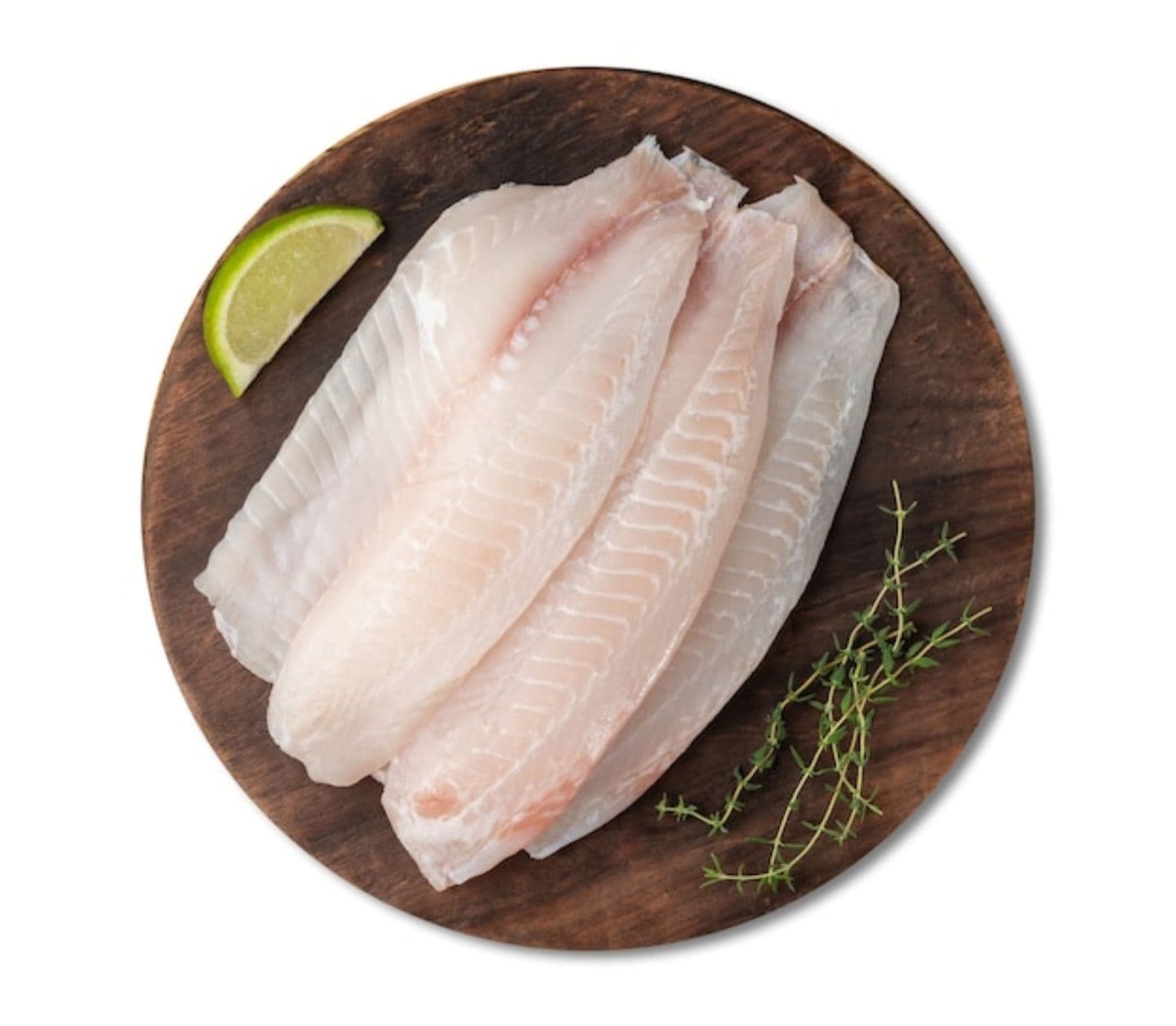
Rohu or Singhara, cut into thick steaks or pieces
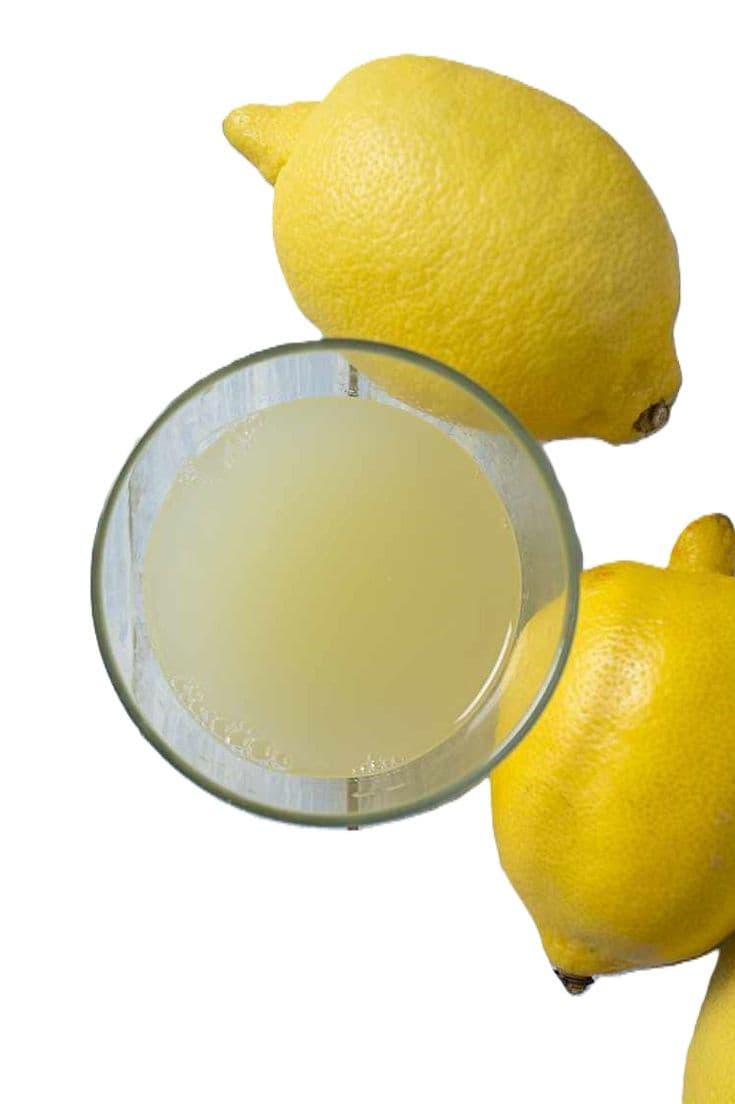 Lemon juice1 piece
 Turmeric powder0.5 tsp
 Salt0.5 tsp
adjust to taste
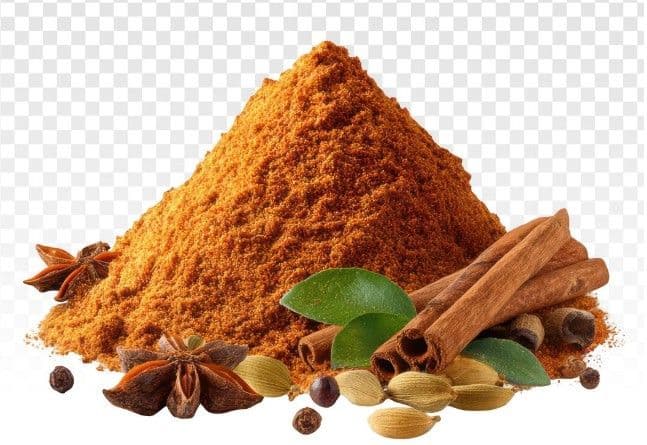 Gram masala4 tbsp
Besan
Method
First Marinade: Two Hours Before Frying
Rinse the fish pieces under cold running water. Pat completely dry with a clean kitchen towel or paper towel. Any surface moisture will dilute the first marinade and slow its penetration.
In a wide bowl, combine the fish pieces with the juice of one large lemon, half a teaspoon of turmeric powder, and salt to taste. Rub the marinade into each piece, turning to coat all surfaces including any cut sides.
- Cover the bowl with cling film or a plate and refrigerate for a minimum of 2 hours.
- The lemon juice will lighten the colour of the raw fish slightly and the flesh will feel slightly firmer when pressed at the end of the marination period, both are signs the acid is working correctly.
Chef’s Tip
Do not marinate for longer than 4 hours in lemon juice. Beyond this point the acid begins to denature the proteins at the surface of the fish, the flesh becomes mushy and loses its ability to hold a crisp crust during frying. If cooking later the same day, refrigerate after the 2-hour mark and proceed with the second marinade when ready to fry.
Second Marinade: The Besan Spice Coating
Remove the fish from the refrigerator 15 minutes before applying the second marinade to allow it to come slightly closer to room temperature. Cold fish placed on a hot tawa causes the temperature of the surface to drop, extending the frying time and producing a less crisp result.
In a small bowl, combine 4 tablespoons of besan, 1.5 teaspoons of Kashmiri red chili powder, 1 teaspoon of coriander powder, half a teaspoon of cumin powder, half a teaspoon of crushed ajwain, 1 tablespoon of ginger-garlic paste, 1 tablespoon of lemon juice, 1 tablespoon of oil, and salt to taste.
Mix thoroughly to form a thick paste. The consistency should be similar to a thick yoghurt, spreadable but not runny. If the paste is too stiff, add a few drops of water. If too thin, add a small additional amount of besan.
Pat the first-marinated fish pieces dry once more. Coat each piece generously with the besan paste on all surfaces, pressing firmly to ensure the coating adheres.
Place the coated pieces on a plate and leave to rest at room temperature for 10 to 15 minutes before frying.
Chef’s Tip
The 10 to 15 minute resting period after applying the second marinade is important. It allows the besan to absorb a small amount of surface moisture from the fish, which further bonds the coating to the flesh. Coating applied and immediately fried has not had time to set and is more likely to separate at the edges during frying. You will see the coating darkening very slightly and appearing to grip the fish more firmly after the rest period. This is the correct result.
Heat The Tawa Or Pan
Place a tawa, flat iron pan, or wide heavy-bottomed skillet over medium-high heat and allow it to heat for 2 full minutes before adding any oil. A properly preheated pan is the foundation of a crust that does not stick.
Add enough oil to the pan to come approximately halfway up the fish pieces when they are placed in it, approximately 4 to 5 tablespoons per batch. Allow the oil to heat until a tiny piece of besan coating dropped into the oil sizzles immediately and rises to the surface.
Do not begin frying until the oil is at the correct temperature. Oil that is too cold absorbs into the coating rather than crisping it, producing a greasy, soft result. Oil that is too hot burns the besan before the fish interior has had time to cook through.
Chef’s Tip
If you do not have a cooking thermometer, use the besan-drop test described above. The correct oil temperature for shallow-frying fish with a besan coating is approximately 170 to 180 degrees Celsius. At this temperature the besan drop sizzles vigorously, rises within 2 seconds, and floats, it does not sink or brown instantly. This is the visual confirmation that the oil is ready.
First Side: The Undisturbed Fry
Place the coated fish pieces into the hot oil gently, laying them away from you to avoid oil splatter. Do not crowd the pan, fry in batches if necessary, leaving space between each piece.
Once the fish is in the pan, do not touch it, move it, press it, or attempt to flip it for a full 2 minutes. This is the most important instruction in the entire recipe. The crust needs uninterrupted contact with the hot pan surface to set and bond.
After 2 minutes, the crust on the underside will have set and the fish will release from the pan surface cleanly when a spatula is slid beneath it. If it resists, wait 30 more seconds. A crust that has set properly never sticks.
Chef’s Tip
Resist every instinct to move the fish during the first 2 minutes. The coating is still soft and wet at the centre when it first contacts the oil. Moving it before it has set causes the coating to tear, exposing the fish beneath to direct oil contact, and producing uneven browning with patches of bare fish. The Lahori fish fry crust that appears seamless and evenly orange-red across the entire surface is the result of leaving it completely undisturbed until the crust has set
Second Side And Temperature Control
Once the first side is golden-red and the coating has set, use a wide flat spatula to flip each piece carefully. The interior of thick fish steaks will not be cooked through yet, this is expected.
After flipping, reduce the flame to medium. The second side requires a slightly longer, gentler cook, approximately 2.5 to 3 minutes to finish cooking the interior of the fish through without burning the crust on the second side.
Spoon a small amount of the hot oil from the pan over the visible top surface of the fish during the second-side fry. This basting technique ensures the coating on the upper surface stays moist and does not dry out and crack before the fish is served.
Chef’s Tip
The visual indicator that the fish is cooked through is the appearance of white juices at the cut edges of thick steaks and a slight firmness when pressed gently at the thickest point with a spatula. If the fish gives softly with no resistance at the centre, it needs more time. If it is entirely rigid and the edges are showing charring rather than browning, it has gone too far. The target is firm but not hard, with the crust a deep orange-red without burnt edges
Rest The Fish After Frying
Remove the fried fish from the tawa using a flat spatula and place on a wire rack set over a tray, or on a plate lined with a single layer of paper towel.
Allow the fish to rest for exactly 2 minutes. During this time the residual steam inside the fish migrates outward through the crust and evaporates. The crust, which is soft at the moment it leaves the oil, hardens completely over these 2 minutes.
Do not cover the fish during the resting period. Covering traps steam and reverses the crisping process within 60 seconds. Leave the fish uncovered and exposed to air.
Chef’s Tip
Two minutes of resting is calibrated specifically for fish. More than 3 minutes and the fish begins to cool noticeably. Less than 90 seconds and the crust has not had time to set fully. If cooking for a large group in multiple batches, complete all batches before serving so the resting period for the first batch aligns with the finish of the last. The 2-minute window per batch means all batches can rest simultaneously at the end of the final fry
Serve Immediately Street-Style
Transfer the rested fish to a serving platter or individual plates. Arrange lemon wedges, raw onion rings, and fresh green chutney alongside.
Scatter a pinch of chaat masala over the fish immediately before serving — this final flourish of tangy, salty seasoning over the hot crust is what separates street-stall fish fry from home cooking. Do not substitute with other masalas.
Instruct everyone to squeeze the lemon directly over the fish the moment it is placed in front of them but not beforehand. Lemon juice applied at the table adds fresh acidity on top of the rich fried crust. Applied in advance, it softens the crust before it is eaten.
Chef’s Tip
Machi fry is one of very few Pakistani dishes that cannot be held, reheated, or prepared in advance without a significant loss of quality. The crust softens within 20 minutes of leaving the pan and cannot be revived by reheating. For a gathering, plan the frying to finish as close to serving time as possible. The spice paste can be prepared the day before and refrigerated, and the fish can complete its first marinade overnight. The frying itself must happen immediately before service
The Street Food Secret: Use of Besan
People ask me all the time why their fish fry doesn’t taste like the street stall. I ask them one question: did you use besan in your coating? The answer is almost always no. They used cornflour, or breadcrumbs, or just dry spices rubbed on. Besan bonds to the fish differently. It absorbs the moisture, it holds the spices, it crisps against the iron of the pan in a way that nothing else does. Add the ajwain. Don’t skip the ajwain. And do not move the fish until the crust tells you it’s ready.
Nutritions
Per Serving (~ 175g)
People Also Ask
Rohu is the traditional and most widely used fish for this recipe across Punjab. Its firm flesh holds together during frying and the bone-in steak cuts carry far more flavour than boneless fillets. Singhara (catfish) is the second most common choice and slightly fattier, which produces a richer result. For coastal regions, surmai (king fish) steaks work well. Avoid delicate fish like sole or tilapia, they break apart during the frying process and do not hold the besan coating reliably.
Both methods are possible but produce a different result. Air-frying at 200 degrees Celsius for 12 to 14 minutes (flipping halfway) produces a reasonably crisp coating but without the caramelised, slightly charred spots that tawa contact creates. Baking at 220 degrees Celsius for 18 to 20 minutes on a lightly oiled rack produces a drier, crispier coating than baking on a tray. Both alternatives are lower in fat than the tawa method. Neither produces the identical result of direct iron pan contact. If serving at a large gathering where tawa frying in batches is impractical, air-frying is the better alternative of the two.
Four causes produce a coating that falls off. The fish was not patted dry before applying the second marinade and surface moisture prevented the besan from bonding. The coating was applied and the fish was immediately fried without the 10 to 15 minute resting period. The oil was not hot enough when the fish entered the pan, causing the coating to absorb oil rather than set. Or the fish was moved before the crust had time to set on the first side. Correct all four in sequence and the coating will hold reliably.
Blend a large bunch of fresh coriander leaves, 3 to 4 green chilies, 2 garlic cloves, the juice of half a lemon, a teaspoon of cumin seeds, salt to taste, and enough water to get the blender moving, approximately 2 to 3 tablespoons. Blend to a smooth, vivid green paste. The chutney should be sharp, herbal, and moderately spiced. It keeps refrigerated for 2 to 3 days. For a thicker chutney, add 2 tablespoons of yoghurt to the blend.
Yes. The besan spice paste can be prepared up to 24 hours in advance and stored in an airtight container in the refrigerator. Stir well before using as the besan and spices may settle. The first marinade can be applied to the fish the evening before and the fish left to marinate overnight in the refrigerator, this produces an even more deeply flavoured result than a 2-hour marinade. The second coating must be applied no more than 30 minutes before frying and the frying itself must happen immediately before serving