
Finger Fish

Sanjeev Kapoor
Chef
“Sanjeev Kapoor is a legendary Indian chef, entrepreneur, and television personality. He hosted the record-breaking show Khana Khazana and launched FoodFood, India’s first 24-hour food channel. A Padma Shri awardee, he is celebrated for making gourmet Indian cooking accessible worldwide.”

Aarif
Food Journalist
Aarif is a devoted content writer at Regional Heritage Food (RHF), passionate about cooking and travel. He shares his culinary experiences and discoveries, inspiring others to explore new recipes and flavors.
Crispy Golden Fish Fillets with a Tangy Olive and Mayonnaise Dip | Ready in Under 20 Minutes
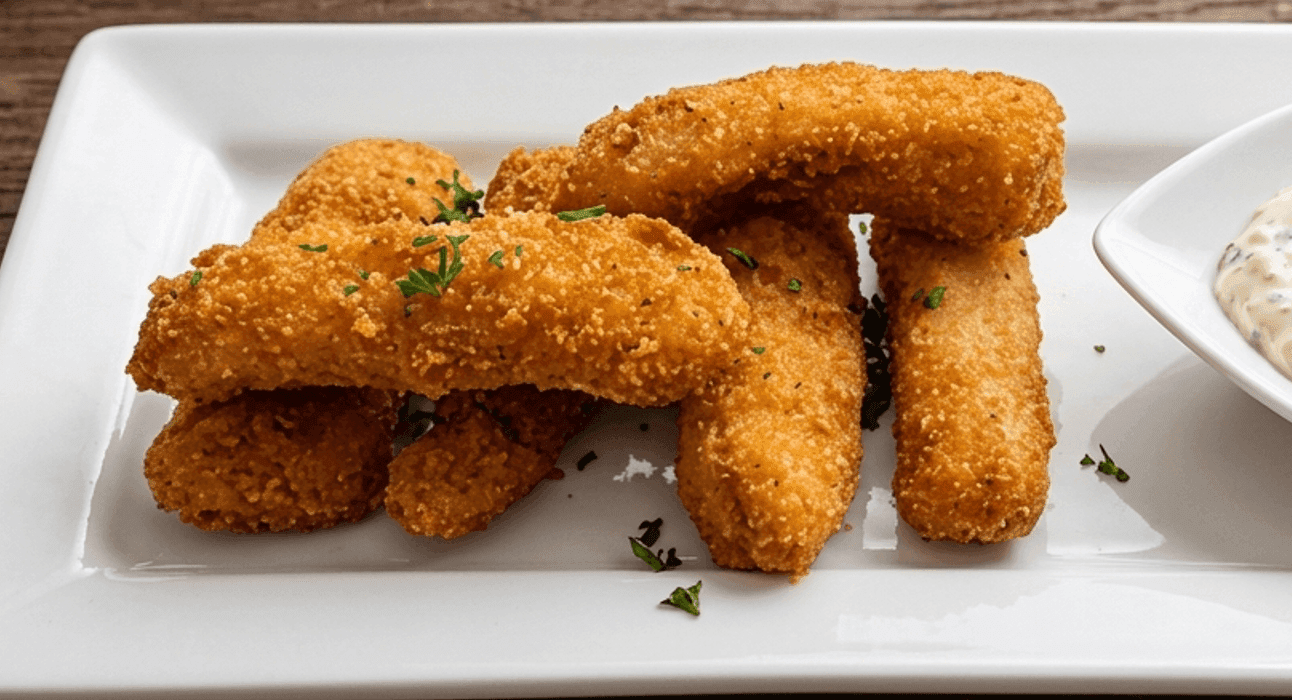
Fish Fingers or Finger Fish as they are widely known across Pakistani and Indian homes are the definitive deep-fried fish starter: boneless white fish fillets cut into thick strips, coated in a seasoned crust, and fried until golden and crisp outside while staying moist and flaky within. They require no specialist technique, no elaborate spice preparation, and no long marination. What they do require is understanding the small details that separate a soggy, greasy fish finger from a genuinely crisp one. The dryness of the fish before coating, the temperature of the oil before the first finger goes in, and the double-coat that builds the breadcrumb layer thick enough to withstand the heat without peeling away during frying.
Sanjeev Kapoor's Fish Fingers recipe is the elegant fusion version: fish strips mixed directly with a marinade of lemon juice, egg, mustard sauce, and refined flour before being rolled in dried breadcrumbs and deep-fried golden. It is served with a sophisticated yet simple dip of mayonnaise, finely chopped onion, black olives, fresh parsley, and crushed black pepper.
Why This Recipe Works Better Than Others
The Marinade Does Double Duty as Batter and Flavour Base
Most fish finger recipes use a separate marinade step followed by a separate dipping batter. Sanjeev Kapoor's method combines both: the fish is mixed directly with egg, mustard sauce, lemon juice, and a little flour. This mixture simultaneously flavours the fish and creates a sticky surface that the breadcrumbs adhere to without needing a separate wet batter dip. The result is a thinner, crisper coating than a thick batter produces, and the mustard in the marinade adds a subtle, tangy depth that no simple salt-and-pepper coating can match.
Mustard Sauce Is the Invisible Flavour Difference
One tablespoon of mustard sauce in the marinade is the ingredient that makes experienced tasters pause and wonder what makes this fish finger taste different from every other version they have had. Mustard's sharp, vinegary acidity brightens the fish flavour without overpowering it, and its emulsifying properties help the egg and flour bind together into a smooth, even coating. It is not detectable as mustard in the finished finger, it simply makes everything taste more complete and defined.
The Olive and Parsley Mayonnaise Dip Elevates the Whole Dish
The mayonnaise dip with finely chopped onion, black olives, fresh parsley, and crushed black pepper is not an optional addition but the dish's second character. The briny sharpness of the black olives cuts through the fried coating's richness, the parsley adds freshness, the onion provides a crisp texture contrast, and the mayonnaise ties it all together. This is a continental dip with the sophistication of a restaurant accompaniment, assembled in two minutes from ingredients available in any kitchen.
Dried Breadcrumbs Produce a Superior Crunch to Fresh
The recipe specifically uses dried breadcrumbs rather than fresh. Dried breadcrumbs have less moisture than fresh ones, which means they absorb less oil during frying and become significantly crispier. Fresh breadcrumbs fry soft and remain slightly chewy, particularly at the edges. Dried crumbs create the distinct shattering crunch that makes a great fish finger, the sound and feeling of the crust giving way to the soft fish inside is precisely what dried breadcrumbs produce and fresh crumbs cannot.
prep time
10 min
marinate time
15 min
cook time
10 min
servings
3
Ingredients
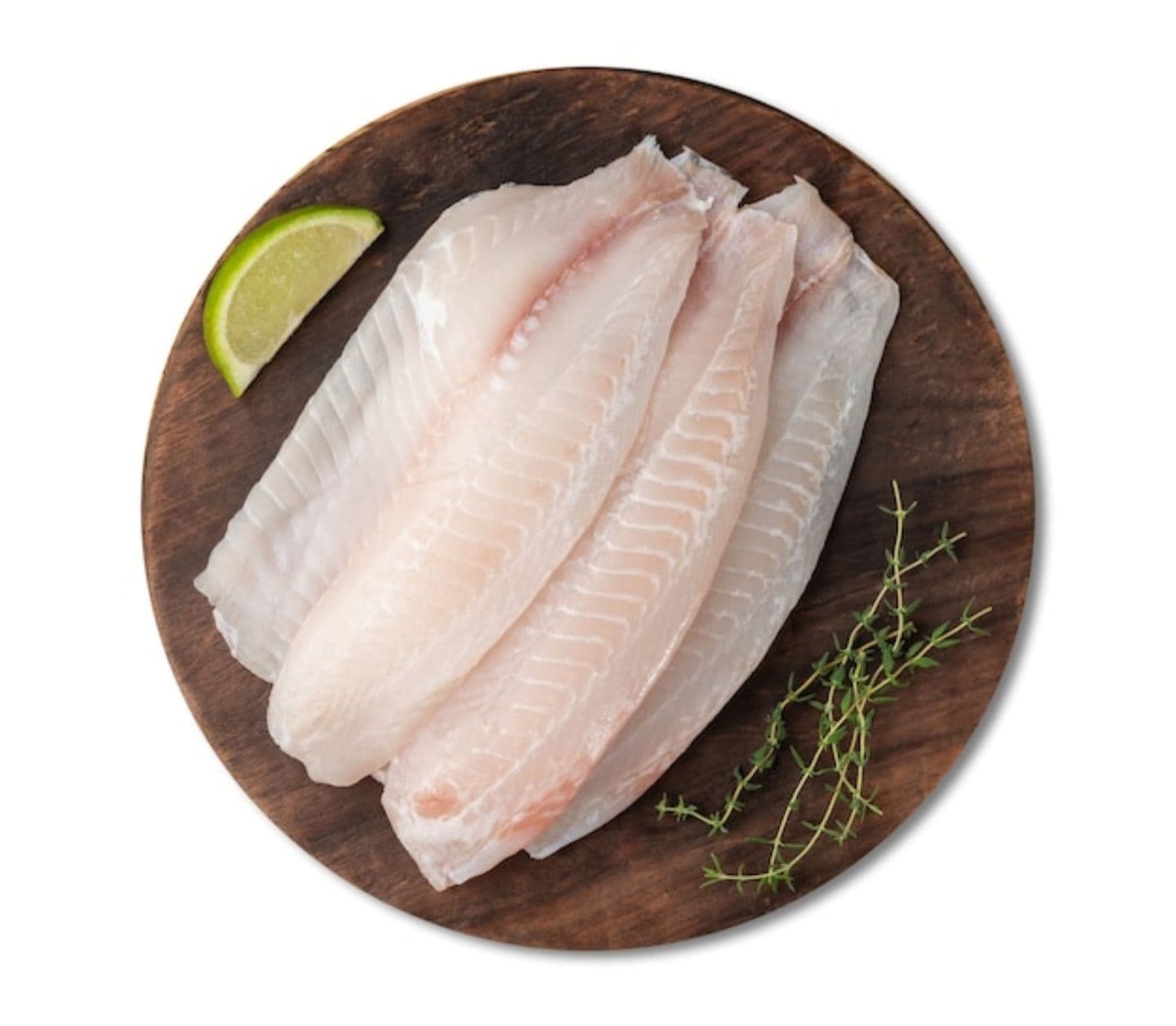 Boneless fish fillets400 g
Basa, Rawas or firm white fish
 Salt0.5 tsp
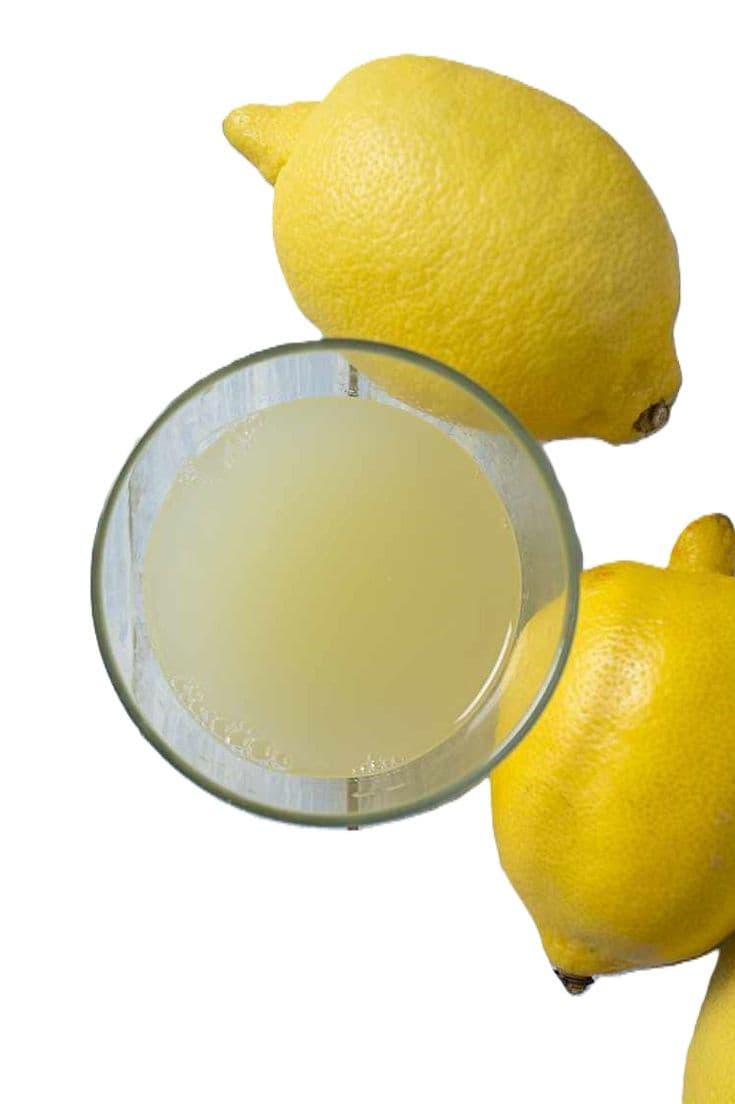 Lemon juice2 tbsp
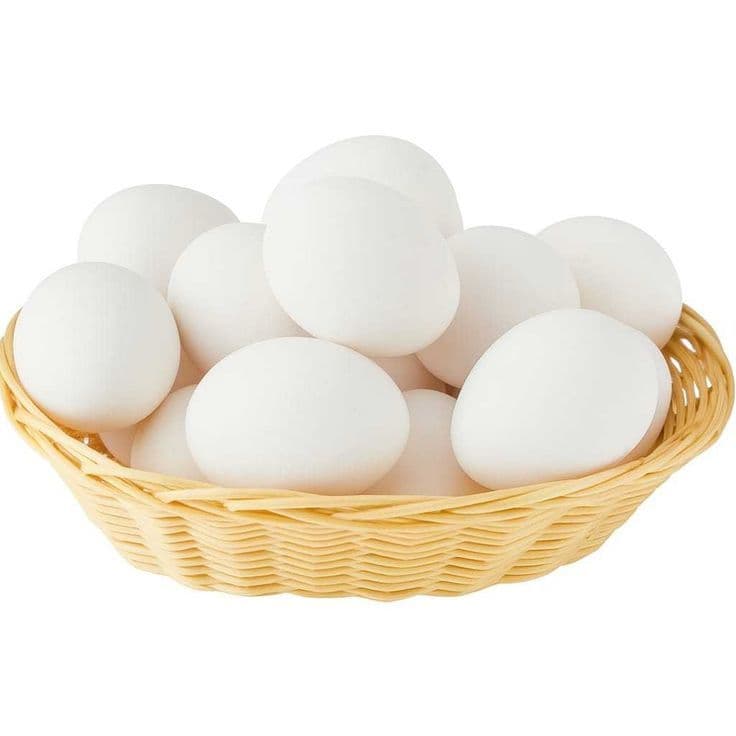 Egg1 Piece
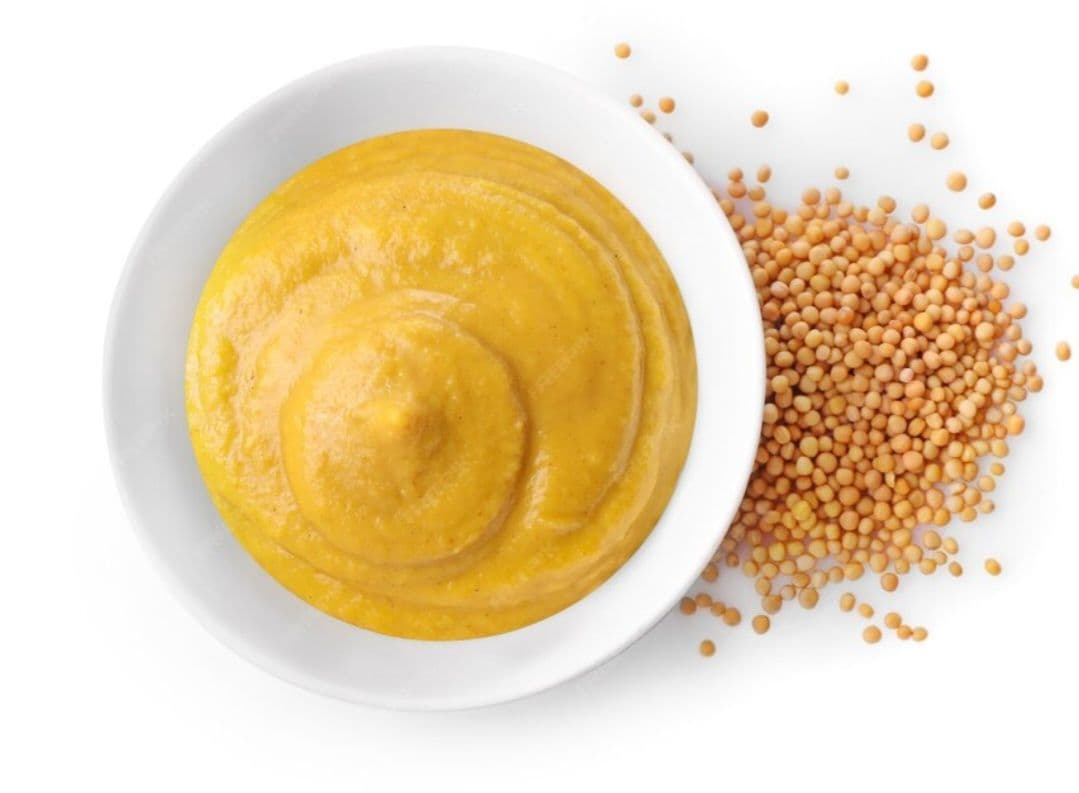 Mustard sauce1 tbsp
Method
Prepare the Olive and Mayonnaise Dip
Make the dip first so it has time to rest and the flavours develop before serving.
In a bowl, combine 2 tablespoons of mayonnaise, 1 medium finely chopped onion, 1 tablespoon of finely chopped black olives, 1 tablespoon of finely chopped fresh parsley, crushed black peppercorns to taste, and salt to taste.
Mix well until fully combined. Transfer to a serving bowl, cover with cling film, and refrigerate until ready to serve.
The dip can be made up to 24 hours in advance.
Chef's Tip:
Chop the onion, olives, and parsley as finely as possible. Pieces that are too large create a chunky dip that falls off the fish finger rather than coating it. A fine chop produces a smooth, cohesive dip with a uniform texture. If the dip tastes too acidic from the olives, add an extra half tablespoon of mayonnaise to balance.
Prepare and Dry the Fish
Rinse the 2 boneless fish fillets under cold running water.
Pat completely dry with kitchen paper, press firmly on all surfaces to remove as much moisture as possible.
This step is critical: wet fish produces steam inside the breadcrumb coating during frying, which softens the crust from within and causes it to peel away from the fish.
Cut the dried fillets into thick fingers approximately 3 inches long and 1 inch wide.
Uniform size ensures even cooking, thicker pieces will be undercooked when the thinner pieces are done.
Chef's Tip:
Do not skip the patting-dry step. Even fish that looks dry has surface moisture that will compromise the coating. Place the cut fingers on a clean cloth or several layers of kitchen paper for 5 minutes after cutting, any remaining moisture will be absorbed. Fish that is thoroughly dry before coating produces a coating that stays on and cooks to a consistent golden colour.
Prepare the Marinade-Batter
In a bowl large enough to hold all the fish fingers comfortably, combine the salt to taste, 2 tablespoons of lemon juice, 1 egg, 1 tablespoon of mustard sauce, and 1/2 tablespoon of refined flour.
Mix everything together with a fork or whisk until the egg is fully beaten in and the mixture is smooth, no streaks of egg white should remain.
The mixture should be thick enough to coat the fish rather than drip off immediately.
Add the prepared fish fingers to the bowl and turn to coat each piece thoroughly on all sides.
Set aside for 10-15 minutes.
Chef's Tip:
The 10-15 minute rest after coating allows the marinade to begin penetrating the surface of the fish, flavouring it more deeply than an immediate fry would. It also allows the flour and egg mixture to form a slightly tacky surface that the breadcrumbs will grip much more securely. Do not marinate longer than 30 minutes, the lemon juice will begin to denature the fish proteins and the texture becomes slightly grainy
Coat with Breadcrumbs
Spread a generous layer of dried breadcrumbs on a large flat plate.
Remove each fish finger from the marinade one at a time and place it on the breadcrumb plate.
Press firmly on all sides to ensure the breadcrumbs adhere to every surface, top, bottom, and all four sides.
The coating should look uniform and even, with no patches of bare fish visible. Place each coated finger on a clean plate and do not stack them.
Once all are coated, allow to rest for 5 minutes, this brief resting time allows the coating to set and reduces the chance of the breadcrumbs separating during frying.
Chef's Tip:
Press the breadcrumbs firmly rather than lightly rolling the fish through them. Light rolling picks up only a thin layer; firm pressing embeds the breadcrumbs into the tacky marinade surface and builds a thick, protective crust that stays on during deep frying. After pressing, lightly shake each finger to dislodge any loose crumbs, loose crumbs in the oil darken and burn faster than the fingers themselves.
Heat the Oil to the Correct Temperature
Pour sufficient oil into a deep pan for deep frying , the oil should be deep enough that the fish fingers can be fully submerged.
Heat the oil over medium-high heat.
Test the temperature by dropping a small pinch of breadcrumbs into the oil, they should sizzle vigorously and rise to the surface immediately. If they sink and sit on the base, the oil is too cold; if they brown within 5 seconds, the oil is too hot.
The ideal temperature is 170-180 degrees Celsius. Do not rush the oil heating , fish fingers put into under-temperature oil absorb oil instead of frying in it, producing a greasy rather than crispy result.
Chef's Tip:
Fry in small batches of 4-5 fingers at a time, never overloading the pan. Adding too many pieces at once drops the oil temperature dramatically, the fish will sit in cooling oil, absorb fat, and become greasy before the crust has a chance to set. Allow the oil to return to temperature between batches. A kitchen thermometer is the most reliable tool; if you do not have one, the breadcrumb test is a good enough approximation
Deep-Fry to Golden and Crisp
Gently slide the coated fish fingers one by one into the hot oil. Do not drop them from height, slide them in carefully to avoid splashing.
Fry for 3-4 minutes, turning once or twice, until the breadcrumb coating is uniformly golden brown and the crust sounds hollow when tapped with a spoon.
Do not cut one open to check doneness, the interior will be cooked through when the exterior is golden brown, as boneless fish fillets of 1-inch thickness cook completely in 3-4 minutes at 170-180 degrees.
Remove with a slotted spoon and drain on absorbent kitchen paper.
Chef's Tip:
Resist the urge to move or turn the fish fingers in the first 60-90 seconds of frying. The coating needs time to set against the hot oil before it can be moved without the crust peeling away from the fish. Once the bottom surface is set and golden, it will release from the pan naturally, if it sticks when you try to turn it, give it another 30 seconds and try again
Serve Immediately
Transfer the drained, golden fish fingers directly to a serving plate or basket lined with fresh kitchen paper.
Serve immediately, fish fingers lose their crispness within 5-8 minutes of leaving the oil as steam from the interior softens the crust.
Place the olive and mayonnaise dip alongside in its serving bowl.
Optionally garnish with lemon wedges and fresh parsley sprigs.
Chef's Tip:
For a party or gathering where all the fish fingers need to be ready at once, fry in batches and keep warm on a wire rack set over a baking tray in an oven at 100 degrees Celsius. A wire rack is essential for placing fried fish on a flat tray causes the bottom surface to steam and soften. The oven heat keeps them warm without further cooking, and the wire rack allows air circulation that maintains the crust's crispness for up to 15 minutes
Mustard Sauce in the Marinade Is the Invisible Flavour Upgrade.
One tablespoon of mustard sauce changes the character of the marinade entirely without announcing itself as mustard. It adds sharpness, a very slight bitterness, and vinegary depth that makes the fish taste more defined and the finished finger taste more complex than a plain egg-and-flour coating. It also helps emulsify the egg and flour mixture into a cohesive coating that is slightly smoother and more even than either ingredient produces alone. This one ingredient is the difference between a good fish finger and a great one present but unidentifiable in the finished dish.
Nutritions
Per Serving (4-5 fingers)
People Also Ask
Three causes produce this result. First, the fish was not completely dry before coating, moisture under the breadcrumbs creates steam that lifts the coating off during frying. Pat the fish dry twice as described in Step 2. Second, the oil temperature was too low. fish entering cold oil sits and soaks rather than immediately sealing the coating. Ensure the oil is at 170-180 degrees before the first finger goes in. Third, the fish fingers were moved too soon after going into the oil, leave undisturbed for 60-90 seconds until the coating sets before attempting to turn them
Yes. For air-frying: lightly spray the coated fish fingers with oil and air-fry at 190 degrees Celsius for 12-15 minutes, turning once at the 8-minute mark. The result is significantly less oily and slightly less crispy than deep-fried, but very good. For oven baking: place on a wire rack over a baking tray, spray lightly with oil, and bake at 200 degrees Celsius for 18-20 minutes until golden. The dip recipe remains unchanged for both methods. The double-drying and firm breadcrumb-pressing steps are even more important for air-frying and baking than for deep-frying, as there is less oil to help set the coating.
Boneless white fish with a firm, flaky texture works best. Basa (pangasius), salmon/rohu is a premium choice with richer flavour and more natural oils, which also keeps the interior moist even if slightly over-fried. Avoid oily fish like mackerel or sardines as they become too strongly flavoured when fried in breadcrumbs
Yes. Coat the fish fingers completely (through the breadcrumb stage) and place them in a single layer on a plate lined with baking parchment. Cover with cling film and refrigerate for up to 4 hours before frying. The resting time in the refrigerator actually improves the coating adhesion. Do not freeze the coated fish fingers before frying, the moisture released during thawing softens the breadcrumbs irreparably. You can, however, freeze already-fried fish fingers for up to 1 month and reheat in an air fryer or oven at 180 degrees Celsius for 8-10 minutes\.
Yes. Greek yogurt is the best mayonnaise substitute for a lighter dip, use 2 tablespoons of full-fat Greek yogurt in place of mayonnaise. The dip will be tangier and slightly thinner but still pairs very well with the fish fingers. Add a pinch of sugar to balance the yogurt's acidity. Sour cream works similarly. Alternatively, the dip can be replaced entirely with a green coriander-mint chutney for an Indian-style accompaniment, or with sweet chilli sauce for a Southeast Asian-style pairing.