
Tomato Ketchup
Andrew Rea
Chef
“Andrew Rea, known as Binging with Babish, is a self-taught American chef, filmmaker and YouTube personality from Rochester, New York. Inspired by his late mother who taught him to cook, he launched his channel in 2016 and grew it into a global culinary brand with millions of devoted followers.”

Aarif
Food Journalist
Aarif is a devoted content writer at Regional Heritage Food (RHF), passionate about cooking and travel. He shares his culinary experiences and discoveries, inspiring others to explore new recipes and flavors.
Babish Himalayan Tomato Ketchup
Few condiments carry a history as surprising as tomato ketchup. Its origins have almost nothing to do with tomatoes. As far back as 300 B.C., southern China documented fermented pastes made from fish entrails and soybeans, called "ge-thcup" by speakers of the Southern Min dialect. The sauce travelled trade routes to Southeast Asia, where British traders discovered it in the early 1700s and brought it home. Tomatoes entered the story only in 1812, and modern ketchup was truly born in 1876 when Henry Heinz added sugar and vinegar, improving both flavour and shelf life.
Andrew Rea, known online as Binging with Babish, created an exceptional ketchup called the Himalayan Ketchup in his 2017 episode. What separates this from any ordinary ketchup is its spice architecture: fresh ginger, raw turmeric, nigella seed, coriander, mustard seed, cinnamon, and bird's eye chili, all bloomed in olive oil before the tomatoes are added.
The result is a ketchup with extraordinary depth, fruity, warm, subtly spiced, silky smooth. It reads like a South Asian pantry translated into a condiment. For home cooks it demands no specialist equipment. For commercial kitchens it becomes a true signature sauce, a condiment with a clear identity that elevates burgers, grilled meats, wraps and sharing platters far beyond the ordinary.
Tomato Ketchup Usage
As a Ready-to-Serve Condiment
The definitive topping for gourmet burgers
Dipping sauce for fries, onion rings, fried chicken, and fish and chips
Spread on sandwiches, wraps, hot dogs, and grilled cheese
Topping for scrambled eggs, omelettes, and shakshuka
Served alongside grilled steak or lamb chops as a bold condiment
In Cooking & Preparation
Stir into pasta sauce or bolognese for depth and spiced acidity
Use as a marinade base for chicken wings, ribs, or lamb, coat before grilling
Mixed into meatloaf or meatball mixture for a flavored binder
Stirred into baked beans for a spiced elevated version
Base for a craft BBQ sauce add molasses, smoked paprika, and a dash of bourbon
Creative & Fusion Uses
Mixed with mayo and sriracha for a spiced burger sauce
Drizzled warm over a charcuterie board alongside aged cheeses
Used as a pizza base instead of plain tomato for a spiced artisan pizza
prep time
15 min
cook time
1h 5m
rest time
30 min
gram
700
Ingredients
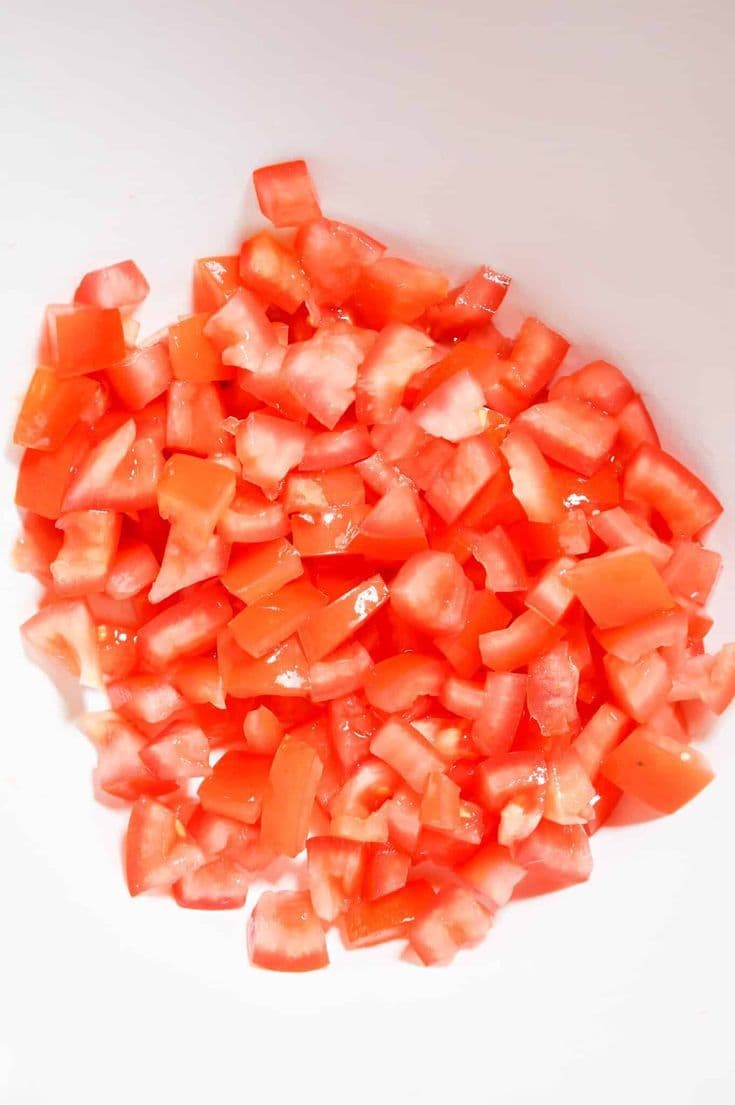 Tomatoes (canned-crushed)794 gram
Canned tomatoes are more consistent in flavor and acidity than fresh
 Olive oil1 tbsp
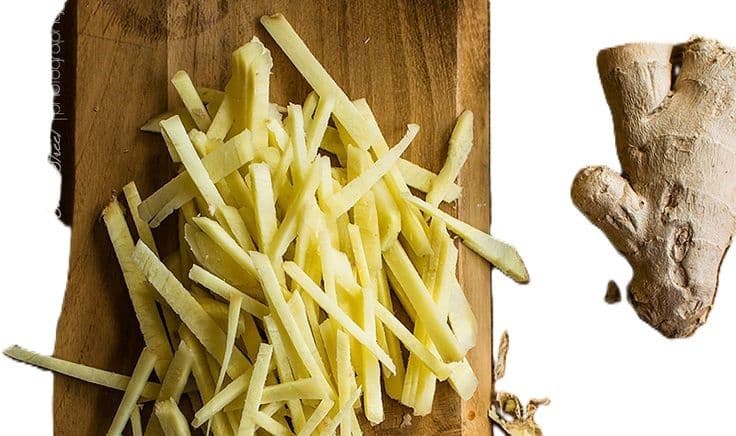 Fresh ginger40 g
Fresh, peeled and grated, 3 inch knob
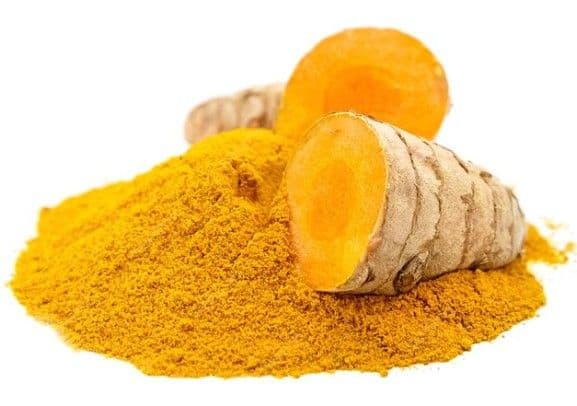 Turmeric40 g
Fresh turmeric, peeled & grated
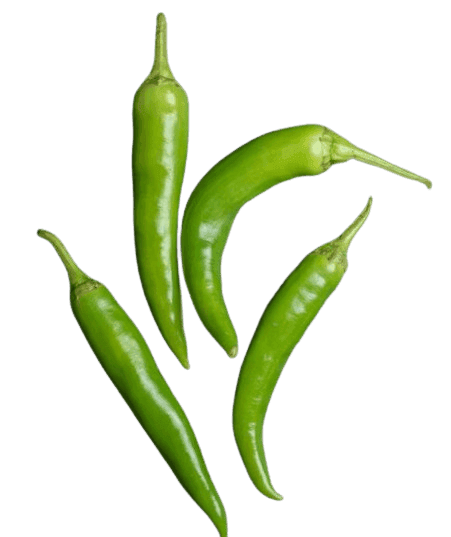 Green Chili1 piece
bird's eye, chopped
Method
Bloom the Spices
Heat olive oil in a large saucepan over medium heat until shimmering not smoking. Add ginger, turmeric, chili, garlic, cinnamon, chili powder, mustard seed, cumin, coriander, and nigella seed all at once.
Sauté for 1–2 minutes, stirring constantly, until the spices are deeply fragrant and the mixture looks paste-like.
Chef's Tip:
This step called blooming and it is the entire secret of this recipe. The spices release fat-soluble flavor compounds into the oil that simply cannot develop if you add them to water. Do not rush or skip it. Use a wide heavy-bottomed pan the larger the surface, the more even the bloom. A narrow pan steams the spices instead.
Build the Base
Add malt vinegar to the spice paste and stir vigorously, it will sizzle and deglaze the pan. Stir until the vinegar is fully absorbed and the paste comes together.
Add the crushed tomatoes and brown sugar. Stir until completely homogenous.
Chef's Tip:
The vinegar deglaze lifts every bit of flavor from the pan bottom. Don't skip this, scrape thoroughly.
Simmer (60 min)
Reduce heat to the lowest possible setting, a bare simmer where only occasional bubbles break the surface. Cook uncovered for 1 full hour, stirring every 10–15 minutes.
Chef's Tip:
A rolling boil will splatter and scorch. Babish's instruction of 'bare simmer' is exact. Patience here is the difference between a clean bright sauce and a bitter one. The sauce will reduce by roughly 30–35% in volume. This concentrates all the spice and tomato flavor.
Blend
Allow the mixture to cool for 10 minutes (never add hot liquid to a sealed blender).
Pour into a high-powered blender and blend on high for 3 full minutes until completely smooth.
Chef's Tip:
Babish specifies a high-powered blender (like Vitamix or Blendtec) for 3 minutes. A standard blender works but texture will be slightly less silky. An immersion blender also works then blend for 5 minutes instead.
Warning: Fill the blender only halfway, hold the lid firmly with a towel, and start on low, hot liquid expands rapidly in a blender.
Strain & Season
Pour the blended mixture through a fine mesh sieve, pressing firmly with a spoon or ladle to push through as much as possible. Discard the fibrous solids.
Whisk in the pink Himalayan salt. Taste and adjust, add more salt or a few drops of vinegar to brighten if needed.
Chef's Tip:
The straining step is what gives Babish's ketchup its signature silky restaurant texture. Don't skip it, the difference between strained and unstrained is dramatic.
Salt is added after blending and straining, this ensures even distribution and prevents over-reduction of salt during the simmer.
Cool & Bottle
Allow to cool completely to room temperature before bottling. Pour into sterilized glass bottles or jars and seal.
Chef's Tip:
For commercial batches, fill at 85–88°C and invert sealed bottles for 60 seconds to sterilize the cap and neck, extending shelf life significantly.
From Home Kitchen to Home Business
Why Himalayan Ketchup Is a Smart Commercial Choice
A Market That Is Already Hungry: The global fast food and snack industry is growing rapidly and tomato ketchup sits at the centre of every meal it serves.
A Taste That Fills a Real Gap: Every major ketchup brand on the market tastes broadly the same, sweet, sharp, and flat. The Himalayan Ketchup delivers a layered, spiced, slow-simmered flavour.
A Lower Cost Per Batch Than Any Branded Alternative: The entire recipe is built from affordable whole spices, a single can of crushed tomatoes, and basic pantry staples that cost a fraction of any premium branded ketchup.
A Signature Sauce Becomes a Brand Identity: A house-made Himalayan Ketchup with its own name and story becomes something customers talk about and return for. In a crowded food market, a distinctive condiment is one of the most affordable forms of brand building available.
Clean Ingredients Mean a Wider and More Loyal Customer Base: Commercial ketchup relies on preservatives and artificial flavourings that health conscious customers actively avoid. A clean, natural ingredient list opens your product to a broader and more loyal audience without sacrificing taste.
Ingredients Scaling
From Home Recipe to Small Business
| Ingredient | Home Level | Commercial Batch (×10) |
| Olive oil | 1 tbsp | 10 tbsp (150ml) |
| Fresh ginger, peeled & grated | 2-inch knob (~30g) | 300g |
| Fresh turmeric, peeled & grated | 3-inch knob (~40g) | 400g |
| Bird's eye chili, chopped | 1 chili | 10 chilies |
| Garlic, grated | 3 cloves | 30 cloves |
| Cinnamon | ¼ tsp | 2.5 tsp |
| Chili powder | 2 tsp | 20 tsp (65g) |
| Mustard seed | ½ tsp | 5 tsp |
| Ground cumin | ½ tsp | 5 tsp |
| Ground coriander | ½ tsp | 5 tsp |
| Nigella seed | ½ tsp | 5 tsp |
| Malt vinegar | ½ cup (120ml) | 1.2 litres |
| Crushed tomatoes (canned) | 28 oz can (794g) | 8 kg |
| Brown sugar | ⅓ cup (65g) | 650g |
| Pink Himalayan salt | 1 tsp | 10 tsp (55g) |
Production Scale Guide
Home (1 batch). Home stove, high-powered blender, fine mesh sieve, glass jars. Master the spice bloom timing before moving to larger batches.
Micro Batch (5 time). Larger saucepan, blender batches in portions. Keep a log of simmer time and final volume yield — it varies between batches.
Small Commercial (20 time). Large gas burner, commercial blender, fine mesh straining setup. Write your SOP for bloom timing, simmer temperature, and strain yield before hiring anyone.
Mid Scale (100 time). Steam-jacketed kettle for even heat, industrial blender (e.g. Robot Coupe), automated straining, hot-fill bottling line. Batch test pH and flavor on every run.
Full Artisan Production. Stay in the small-to-mid range intentionally — volume dilutes the premium positioning. Better to charge more for 500 bottles per month than race to 5,000 at a lower margin.
Storage & Shelf Life
Hot Fill at 85–88°C: Fill bottles while the ketchup is still hot and seal immediately. The heat creates a natural vacuum on cooling that locks in freshness and extends shelf life without any additives.
No Air Gap: Fill to within 1cm of the cap. Less oxygen inside the bottle means the turmeric stays bright and the fresh ginger aroma is preserved for longer.
pH Test Every Batch: Target a pH between 3.5 and 4.0. The tomato and vinegar base naturally achieves this but verify with pH strips before bottling, as every batch can vary slightly.
UV Resistant Bottles: Turmeric breaks down quickly in light. Use amber glass or dark PET bottles, clear glass may look premium on the shelf but it shortens shelf life significantly.
Sodium Benzoate for Commercial Batches: Add 0.1 percent of total batch weight after straining and stir fully before bottling. This is the most reliable and affordable preservative for commercial scale production.
Refrigerate After Opening: Once opened, move to the fridge immediately. Fresh ginger and turmeric begin losing their aroma quickly at room temperature and cold storage slows this considerably.
Secret tips and Common Mistakes to Avoid
Always give your spices an extra moment in the hot oil beyond fragrant that point just before they catch is where the deepest flavour is born. Deglaze with the malt vinegar before the tomatoes go in, lifting every bit of spice from the pan into a concentrated paste that becomes the backbone of the sauce. Taste at the 45 minute mark to understand how unfinished it still is, then trust the process and let it run the full hour. Rest the finished ketchup overnight in the fridge before serving it tastes good warm but it tastes remarkable the next day.
Never substitute dried turmeric powder for the fresh knob the recipe calls for the brightness, colour and depth are completely different and the final sauce will show it immediately. A standard blender will leave fibres from the turmeric and ginger in the sauce, so either use a high-powered blender or extend your blending time and strain far more carefully than feels necessary. Skipping the straining altogether puts this ketchup in an entirely different and lesser texture category the silky smoothness is precisely what makes it worth making. Never rush the simmer by turning up the heat, as a rolling boil breaks down the spice balance that a gentle simmer carefully builds.
Nutritions
Per 50g Serving
People Also Ask
You can, but the result will taste different. Fresh turmeric is brighter, fruitier, and more vibrant. Babish's recipe specifically calls for a 3-inch knob of fresh, use 1 teaspoon of dried only as a last resort, and expect a slightly earthier result.
Yes, cut the bird's eye chili to half or omit entirely. The chili powder still provides background heat. For a completely mild version, reduce chili powder to 1 teaspoon as well.
Use a standard blender in smaller batches, blending each for at least 5 minutes. Then strain very carefully through a fine mesh sieve. An immersion blender also works, blend for 5–7 minutes thoroughly in the pot.
Babish's recipe calls for canned crushed tomatoes specifically as they are more consistent. If using fresh, blanch and peel 1kg of ripe tomatoes, remove seeds, and increase simmer time by 20 minutes to account for extra water content.
Apple cider vinegar is the closest alternative and slightly less sharp, slightly fruitier. White wine vinegar also works. Avoid balsamic, it changes the flavor profile completely.
Yes, but a much more complex version. The tomato and brown sugar deliver the familiar ketchup character. The spice bloom layers on depth that standard ketchup simply does not have. Babish himself called it genuinely exceptional.
You can describe it as 'inspired by Andrew Rea's Himalayan Ketchup recipe', this is factual attribution. You may not use his name or likeness as a brand endorsement, imply he manufactures or approves your product, or use his logo or channel branding.
Yes but challenging. Fresh turmeric must be sourced consistently from the same supplier, it varies significantly in pungency and moisture. At mid-scale, consider a high-quality turmeric paste or oleoresin for batch consistency.
Mustard is a declared allergen in Pakistan (PSQCA regulations), the EU, and UK. It must appear clearly on your label, typically in bold in the ingredients list: 'mustard seed.' Failure to declare is a regulatory violation.
You cannot patent a recipe, but you can protect it by: never sharing your SOP outside your team, trademarking your brand name, and keeping the exact bloom timing and strain yield as internal process knowledge. The recipe is public but your execution is your Advantage
Home testing: 4–6 weeks. First commercial batch and lab test: 2 weeks. Label design and packaging: 3–4 weeks. Total from decision to first sale: approximately 10–12 weeks if you move efficiently.