
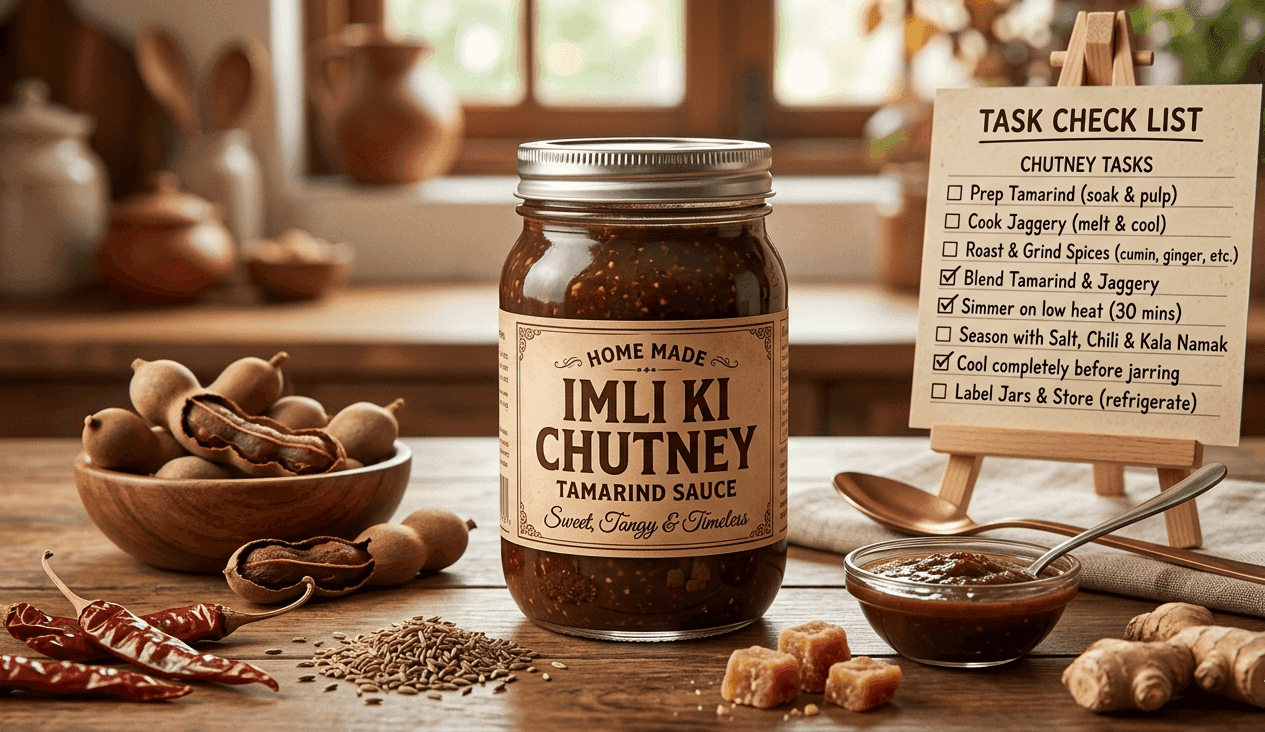
Imli Ki Chutney

Parul Gupta
Chef
“Parul is a passionate chef and creative cook known for blending traditional flavors with modern presentation. With hands-on culinary expertise and a love for authentic recipes, Parul creates delicious dishes that celebrate culture, home-style cooking, and memorable dining experiences for food lovers everywhere.”

Aarif
Food Journalist
Aarif is a devoted content writer at Regional Heritage Food (RHF), passionate about cooking and travel. He shares his culinary experiences and discoveries, inspiring others to explore new recipes and flavors.
A Traditional Tamarind Sauce from the Heart of South Asian Kitchens
Imli Ki Chutney, also called Tamarind Chutney, is one of the oldest and most loved condiments in South Asia. People in Pakistan, India, Bangladesh, and South Asian communities around the world have been enjoying it for generations. Tamarind itself originally came from tropical Africa, but it has been growing in South Asia for thousands of years. Over time it became a big part of both Mughal cooking and everyday local food, enjoyed by people from all walks of life throughout every season.
What makes this chutney so special is its taste. It hits sweet, sour, tangy, and mildly spicy all at the same time, which is something very few condiments can do in a single spoonful. It is often called the soul of street food. A plate of chaat, dahi puri, gol gappa, or samosa simply does not feel right without that final drizzle of tamarind chutney on top. It is the one thing that brings all the flavours on the plate together.
For anyone cooking at home, this is an easy and satisfying recipe. It does not need any special equipment and costs very little to make. For people running a food business or a commercial kitchen, it is one of the smartest condiment choices out there. It has a long shelf life, low ingredient costs, and every desi customer already knows it and loves it, so there is no need to explain or market it from scratch.
Imli Ki Chutney Usage
As a Ready-to-Serve Condiment
It works as an essential dipping sauce for samosas, pakoras, dahi baray, and spring rolls.
You can drizzle it over chaat, papri chaat, aloo tikki, and fruit chaat as a finishing sauce.
It spreads nicely inside sandwiches, burgers, and wraps for a tangy desi kick.
It is served alongside BBQ seekh kebabs, boti, and tikka as a palate cleanser.
Street food stalls use it as a topping for dahi puri and gol gappa water shots.
In Cooking and Preparation
Adding it to chole and dal brings in a lovely tangy depth of flavour.
It is used in marinades for chicken tikka and grilled meats because it tenderises and flavours the meat at the same time.
Stirring it into pulao or biryani gives a gentle sweet and sour background note.
It goes into pani puri water to create that classic tangy street flavour.
Creative and Fusion Uses
Mix it with mayo and garlic to make a fusion dipping sauce for fries and wraps.
Drizzle it over nachos or tacos for a fun desi and Mexican fusion twist.
Use it as a glaze on grilled chicken wings by coating them before the final grill for a sticky finish.
Blend it with lemon, mint, and soda to make a refreshing Imli Sharbat mocktail.
Prep Time
10 min
Soak time
40 min
Cook Time
20 min
Rest Time
10 min
Yield (ml)
500
Ingredients
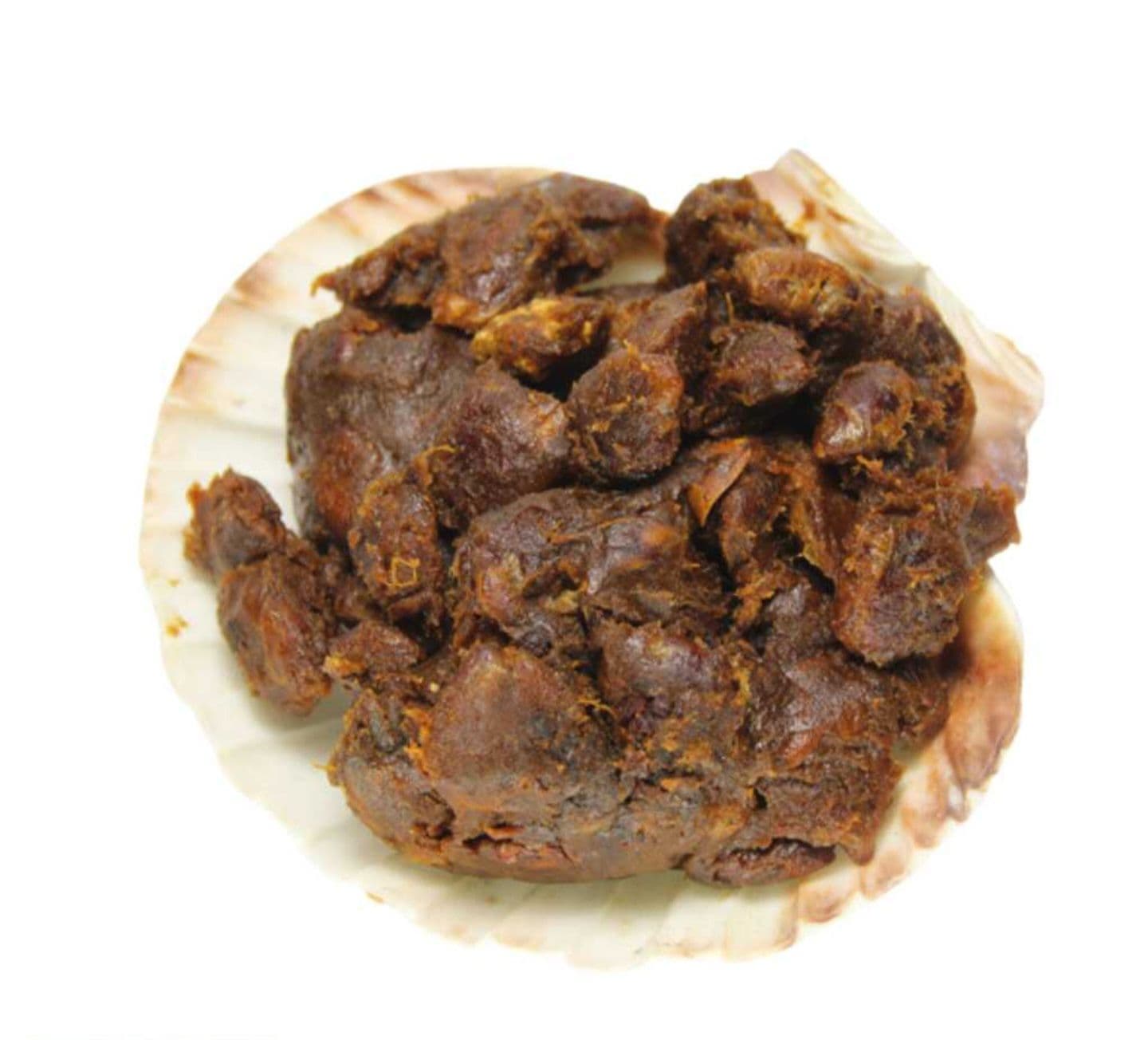 Imli (Tamarind)200 g
seedless block
 Water500 ml
warm water for soaking
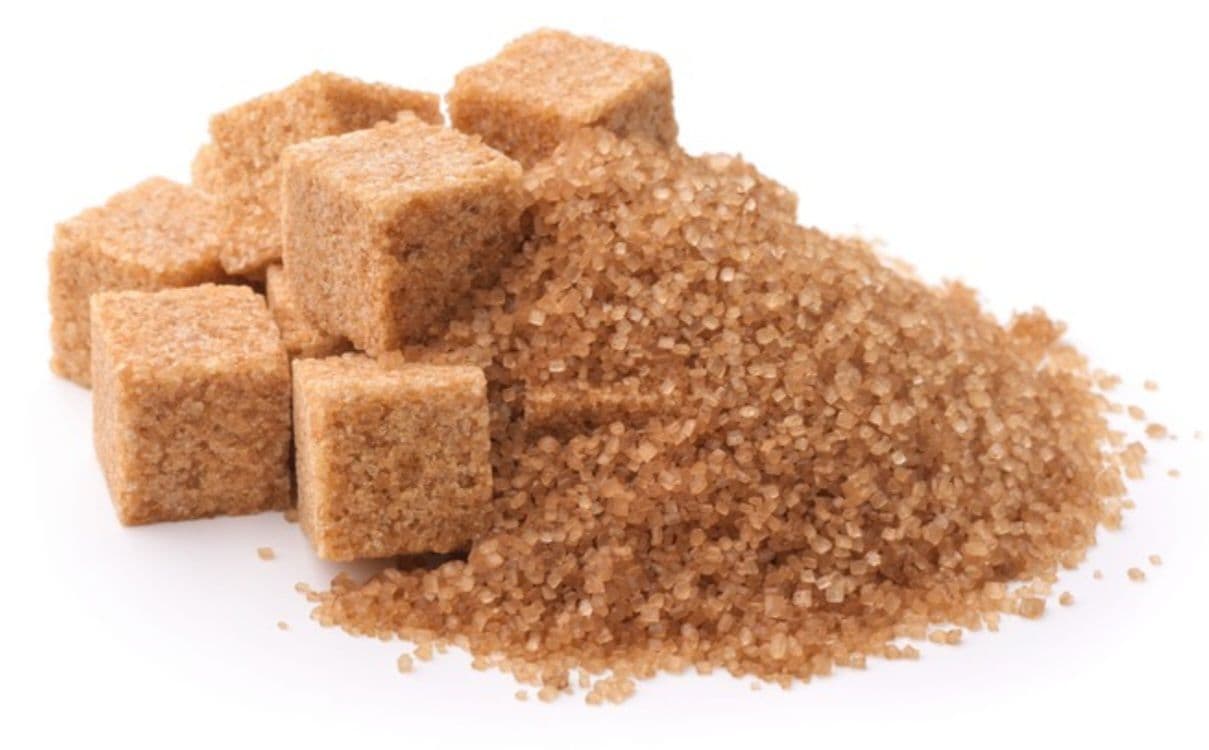 Gur (Jaggery)150 g
dark and soft
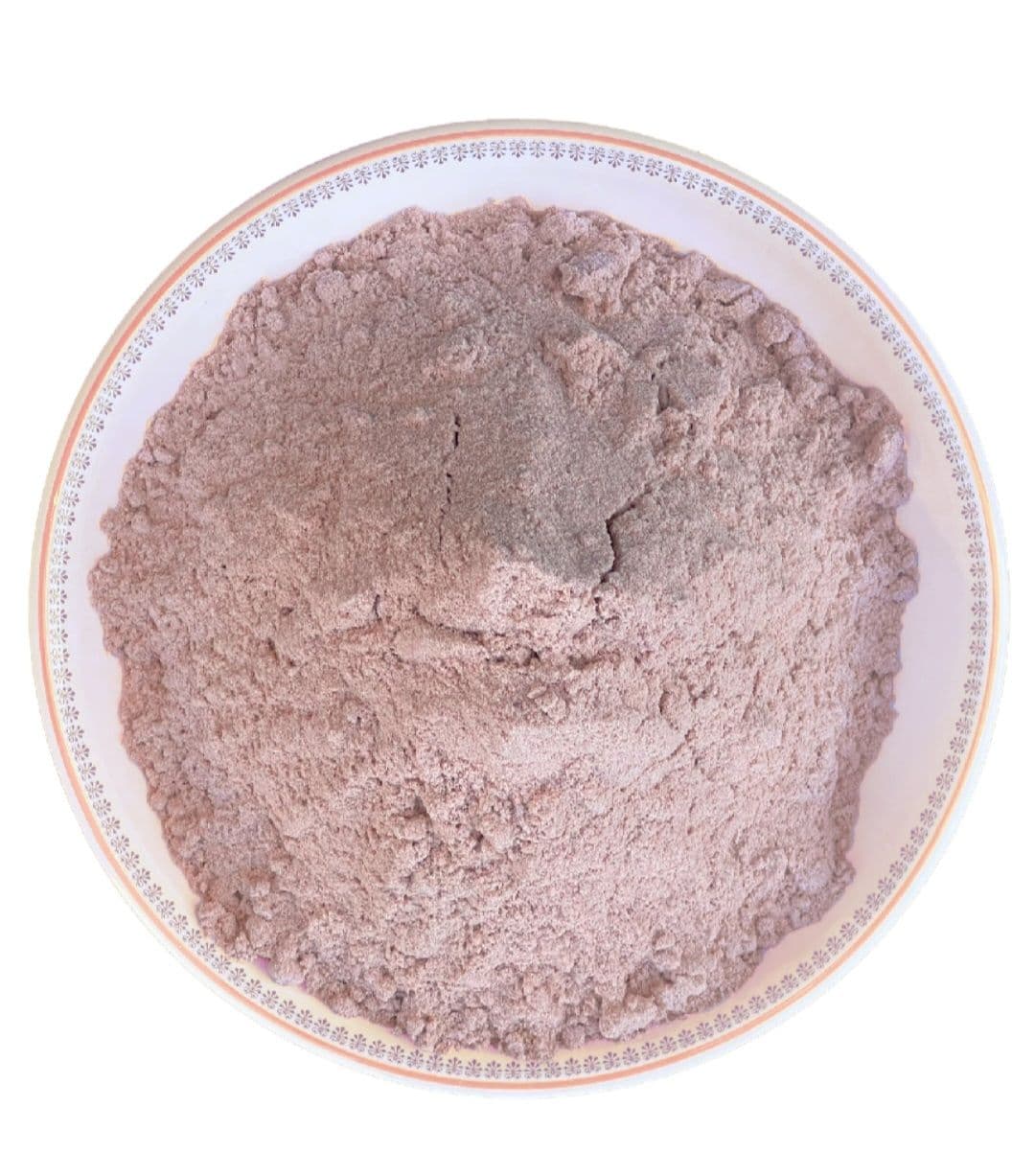 Black salt6 g
Kala namak
 Salt3 g
half tsp
Method
Soak the Tamarind
Break the tamarind block into pieces and place in a bowl.
Pour 500 ml of warm (not boiling) water over the pieces.
Soak for 40 minutes until fully softened and the water turns deep amber.
Master Tip:
Use warm water, boiling water can make the pulp bitter and muddy. If you have the time, a longer soak of 60 minutes gives you a smoother, richer extract with noticeably more depth.
Extract the Pulp
Squeeze and massage the soaked tamarind by hand to release all pulp into the water.
Strain through a fine-mesh sieve, pressing firmly with a spoon to extract maximum pulp.
Discard seeds and fibres. Do a second pass, add a splash more water to the leftover fibres, squeeze again, and strain once more.
Master Tip:
The second pass gives you approximately 20% more pulp from the same block at no extra cost. It also ensures no flavour is left behind.
Cook the Pulp
Pour the strained tamarind water into a heavy-bottomed pan.
Add sugar (or jaggery), salt, and ginger powder. Stir well to combine.
Bring to a boil, then reduce to medium-low heat and simmer for 15–20 minutes, stirring every few minutes.
Master Tip:
Jaggery (gurh) gives a deeper, more traditional flavour than white sugar and produces a beautiful dark amber colour that desi buyers specifically look for. For the best result, use half jaggery and half sugar it gives richer taste without being too dark.
Add the Spices
Once the chutney has reduced slightly and begun to thicken, add roasted ground cumin, black salt (kala namak), red chili powder, ground fennel (saunf), aamchur and cardamom posder.
Stir thoroughly and simmer for 5 more minutes.
Master Tip:
Always add spices after the chutney has already reduced and thik, adding them too early evaporates their aroma and dulls the flavour. Kala namak is non-negotiable; it is the single ingredient that separates an authentic desi chutney from a generic one.
Check Consistency
The chutney should coat the back of a spoon and drizzle slowly and it is not pour thin like water, not set thick like jam.
Remove from heat. The chutney will continue to thicken as it cools.
Master Tip:
If it looks right on the stove, it will be slightly thicker in the jar. Pull off heat a little early if you are unsure. To test consistency quickly, drop a small amount onto a cold plate, if it holds its shape for two seconds before spreading, the consistency is correct.
Cool & Bottle
• Allow to cool for 10 minutes off the heat.
• Pour into sterilised glass jars or squeeze bottles while still warm. Seal immediately.
• For commercial batches, fill at 85–90°C and invert the sealed bottle for 60 seconds to sterilise the cap and neck.
Master Tip:
For commercial batches, hot-fill and invert, this sterilises the cap from the inside and creates a natural vacuum seal as the chutney cools, dramatically extending shelf life without any extra equipment.
From Home Kitchen to Home Business
Why Imli Chutney Is a Smart Commercial Choice
Your Raw Material Costs Almost Nothing: Tamarind is one of the most affordable ingredients available in Pakistan, and you can find it in every market throughout the entire year. This means your cost of goods stays low no matter when you produce, and the gap between what you spend and what you charge is genuinely wide. Very few food products give you this kind of margin from day one.
The Market Already Exists: You do not have to convince anyone that imli chutney is useful. Every household already buys it, every restaurant already uses it, and every chaat stall cannot function without it. You are not creating demand from scratch. You are simply offering people something better than what they are currently settling for.
What Is Available in the Market Tastes Like a Factory Made It: Most commercial imli chutneys are overly sweet, oddly thick, and taste nothing like homemade. That gap is your biggest opportunity. The moment someone tastes a properly balanced, naturally made chutney, the difference is obvious and impossible to ignore. Your homemade flavour is not just a selling point, it is proof that your product is in a different category altogether.
Restaurants and Street Food Vendors Need a Reliable Supplier: Street food culture in Pakistan is expanding fast. Dhabas, food trucks, chaat counters, and small restaurants all go through chutney in bulk and most of them are not happy with what they currently buy. If you can offer consistent taste and regular supply, you become someone they depend on, and that kind of B2B relationship builds steady, predictable income.
It Lasts Long and Does Not Stress You Out: Unlike green chutney or mayonnaise based sauces that spoil within days, imli chutney has a naturally long shelf life because of its high acid and sugar content. You can prepare larger batches in advance, manage your time properly, and avoid the constant pressure of same day production. For a home chef who is managing everything alone, this matters more than most people realize.
You Can Start Very Small and Scale Gradually: You do not need a commercial kitchen or expensive equipment to begin. A home setup is more than enough at the start. As orders grow you can invest in better jars, labels, and eventually larger quantities. The product itself is forgiving, the process is simple to repeat, and the learning curve is short. That makes it one of the most practical first products a home chef can build a real business around.
Ingredients Scaling
From Home Recipe to Small Business
| Ingredients | Home Level | Commercial (×10) |
| Imli (tamarind block) | 200 g | 2 kg |
| Water (for soaking) | 500 ml | 5 litres |
| Sugar (or jaggery) | 150 g | 1.5 kg |
| Salt | 1 tsp / 6 g | 60 g |
| Cumin (zeera), roasted & ground | 1 tsp / 3 g | 30 g |
| Black salt (kala namak) | ½ tsp / 3 g | 30 g |
| Red chili powder | ½ tsp / 2 g | 20 g |
| Ginger powder (sonth) | ½ tsp / 2 g | 20 g |
| Fennel seeds (saunf), ground | ½ tsp / 2 g | 20 g |
| Aamchur (dry mango powder) | ½ tsp | 15 g |
| Cardamom (elaichi) powder | 1 pinch | 5 g |
Production Scale Guide
Home (200 to 500 g tamarind). Regular home stove, strainer, glass jars. Focus only on perfecting the recipe, write down the exact weight of every ingredient after each attempt.
Micro Batch (500g to 2 kg). Larger pot, hand blender, 20–50 bottles. Do a blind taste test across different bottles from the same batch to check consistency.
Small Commercial (2 to 10 kg). Proper gas burner, large steel pot, basic bottle filler, printed labels. Write your full SOP before bringing in any help.
Mid Scale (10–50 kg). Steam jacketed kettle, semi-automatic filler, cold storage. Log pH, taste, and colour on every single batch before release.
- Full Production (50 kg+). Automatic filling line, professional lab testing. This is the stage for approaching retail distribution and export conversations.
Storage & Shelf Life
Use half jaggery:
Jaggery contains less moisture than white sugar, making it harder for bacteria to grow and naturally extending shelf life.
Sterilise every jar:
Boil glass jars for 10 minutes and dry completely before filling. This kills any bacteria sitting inside the jar before your chutney does.
Hot-fill and invert:
Fill bottles at 85–90°C, seal immediately, and invert for 60 seconds. The heat sterilises the cap; the vacuum seal locks in freshness.
Minimise air gap:
Fill right to within 1 cm of the cap. Less oxygen means the chutney holds its colour and flavour for longer.
Add citric acid:
Add 0.05% of batch weight at the end of cooking brings pH down and preserves that bright amber colour.
Use only clean, dry utensils when serving:
A single wet spoon introduces moisture that can spoil an entire jar within days.
Refrigerate immediately after opening:
Cold temperatures slow all bacterial growth significantly.
Freeze in portions:
Pour into an ice cube tray and freeze. Each cube is one serving and lasts up to 12 months.
Master Tips & Secret Ingredients
The Three Non-Negotiables
Every desi cook knows that the secret to restaurant-quality imli chutney comes down to three things that cannot be skipped or substituted. First, kala namak or black salt is the single ingredient that lifts a flat, generic sweet-sour sauce into something with genuine desi soul and depth. Without it, the chutney tastes like a simplified version of itself. Second, roast your zeera fresh every single batch. Pre-ground commercial cumin loses its aromatic oils within weeks of opening and the difference shows up clearly in the finished flavour. Third, jaggery over white sugar. The depth, colour, and warmth that jaggery brings to this chutney is the difference between something that tastes made from scratch and something that tastes mass-produced.
Taste Your Tamarind Before You Cook
Tamarind blocks vary in sourness depending on the season and the harvest. This is the most common reason why a recipe that worked perfectly one month produces a too-sour or too-mild batch the next. Always taste the raw pulp before you start cooking and adjust your sugar quantity accordingly. At commercial scale, switch to tamarind concentrate or paste, it gives you a consistent starting point every batch rather than a variable one.
Add Spices at the Right Moment
Adding spices too early or before the chutney has reduced, evaporates their volatile aromatic oils into the steam and produces a flat result. Always let the tamarind reduce first, then add your entire spice blend in the final 5 minutes of cooking. This is the step that determines whether the finished chutney smells like it just came off a dhaba stove or out of a factory jar.
The Consistency Test
Drop a small amount of your chutney onto a cold plate. If it holds its shape for two seconds before slowly spreading, the consistency is exactly right. It will coat a samosa cleanly, drizzle attractively over chaat, and bottle without leaking. If it spreads immediately, return to the heat for another 3–5 minutes. Remember: it always thickens further as it cools, so pull off heat slightly before it looks perfect on the stove.
Nutritions
Per serving (~20 ml)
People Also Ask
Yes. Since paste is far more concentrated, use about half the amount roughly 100 g paste in place of 200 g block. Skip the soaking step entirely and go straight to cooking. Taste as you go and adjust sourness accordingly.
Add more jaggery or sugar little by little while the chutney is still on the heat. Blending in a few soft pitted dates is an excellent alternative, they naturally sweeten and thicken without making it taste sugary.
Absolutely. Jaggery, date paste, and honey all work well as natural alternatives. They are gentler on blood sugar levels and give a richer, more traditional flavour than refined sugar provides.
This is completely normal. The natural sugars firm up when cold. Warm it slightly or stir in a small teaspoon of warm water and it will return to its usual smooth, drizzleable consistency right away.
Yes and it freezes beautifully. Pour into an ice cube tray, freeze solid, then transfer to a zip lock bag. Each cube is roughly one serving and keeps perfectly for up to 12 months.
Discard it if you see any white or green mould, notice a fermented or off smell, see fizzing or bubbling inside the jar, or find the texture has turned slimy. When in doubt, throw it out.
Yes. Remove the outer shell, take out seeds and stringy fibres, and use the soft pulp directly. Fresh pods give a slightly brighter and more fragrant flavour. Account for the extra natural moisture by reducing the soaking water slightly.