
Homemade Mayonnaise

Joshua Weissman
Chef
“Joshua Weissman is a renowned culinary creator and chef known for his high-quality, entertaining cooking videos. He focuses on making premium versions of everyday staples from scratch, prioritizing culinary excellence and accessible techniques that inspire home cooks to improve their skills.”

Aarif
Food Journalist
Aarif is a devoted content writer at Regional Heritage Food (RHF), passionate about cooking and travel. He shares his culinary experiences and discoveries, inspiring others to explore new recipes and flavors.
Everything a Good Mayonnaise Should Be, Made at Home with Five Ingredients and No Shortcuts
Mayonnaise is one of those condiments that sits quietly in nearly every kitchen in the world without anyone stopping to think about how remarkable it actually is. The story goes back to 1756, when French chef Vincent La Chapelle reportedly created it in Mahón, a port city on the island of Menorca, either to celebrate a military victory or simply because he had eggs and oil and needed something for a sauce. Nobody is entirely sure. What is certain is that within a century it had spread across Europe, crossed the Atlantic, and settled into American kitchens with such comfort that today over three billion dollars worth of it is sold every year in the United States alone.
What makes mayonnaise genuinely special is not the flavour. It is the science. Oil and water do not mix on their own, yet in mayonnaise they do, held together by the lecithin in egg yolk in a process called emulsification. When that emulsion works, the result is smooth, glossy, and rich in a way that no other condiment quite matches. When it does not work, you end up with oily water and a lesson in patience. The difference between the two is almost always technique, not ingredients.
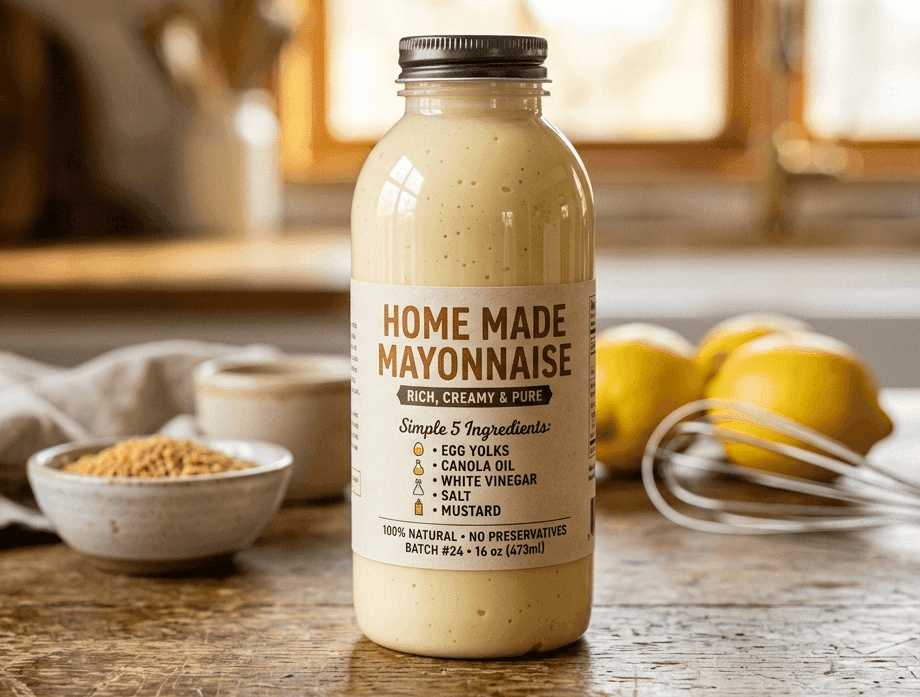
Weissman's homemade mayonnaise is a clean, classic emulsion made from just five ingredients. Egg yolks, Dijon mustard, lemon juice, neutral oil, and salt. Dijon mustard is a sharp French-style condiment named after the city of Dijon in Burgundy. It does two jobs here, holding the emulsion together and giving the mayo its distinctive bite.That is the complete list. Joshua Weissman's recipe is built around the principle that the best version of any condiment is almost always the one you make yourself. One jar, five minutes with an immersion blender, and you will never look at a store-bought bottle the same way again.
Mayonnaise Usage
As a Ready-to-Serve Condiment
Spread generously on burgers, sandwiches, and wraps.
Dipping sauce for fries, fried chicken, onion rings, and fish fingers.
Topping for deviled eggs, egg salad, and potato salad.
Served alongside grilled meats, seafood, and vegetables as a cold dipping sauce.
Base for coleslaw dressing, toss directly with cabbage and a splash of vinegar
In Cooking & Preparation
Mayo marinade for proteins such as chicken, fish, or steak before searing for dramatically better browning and crust (Maillard reaction).
Binder for tuna salad, chicken salad, egg salad, and pasta salads.
Mixed into mashed potatoes instead of butter, it adds creaminess and richness with less grease.
Stirred into pasta or noodle salads for a creamy, stable dressing that does not separate.
Spread on bread before toasting in a pan as fat content caramelizes the bread better than butter
Creative & Fusion Uses
Base for spicy mayo: mix with sriracha, sesame oil, and a drop of lime that is essential for sushi rolls and poke bowls.
Mixed with grated garlic and lemon zest to make a quick aioli for seafood or grilled vegetables.
Blended with chipotle peppers in adobo for a smoky chipotle mayo that gives a natural pairing with grilled corn or tacos.
Whipped with fresh herbs (dill, chives, tarragon) for a herbed mayo perfect for smoked salmon or cold cuts.
Prep time
5 min
Cook Time
5 min
Yield (ml)
250
Ingredients
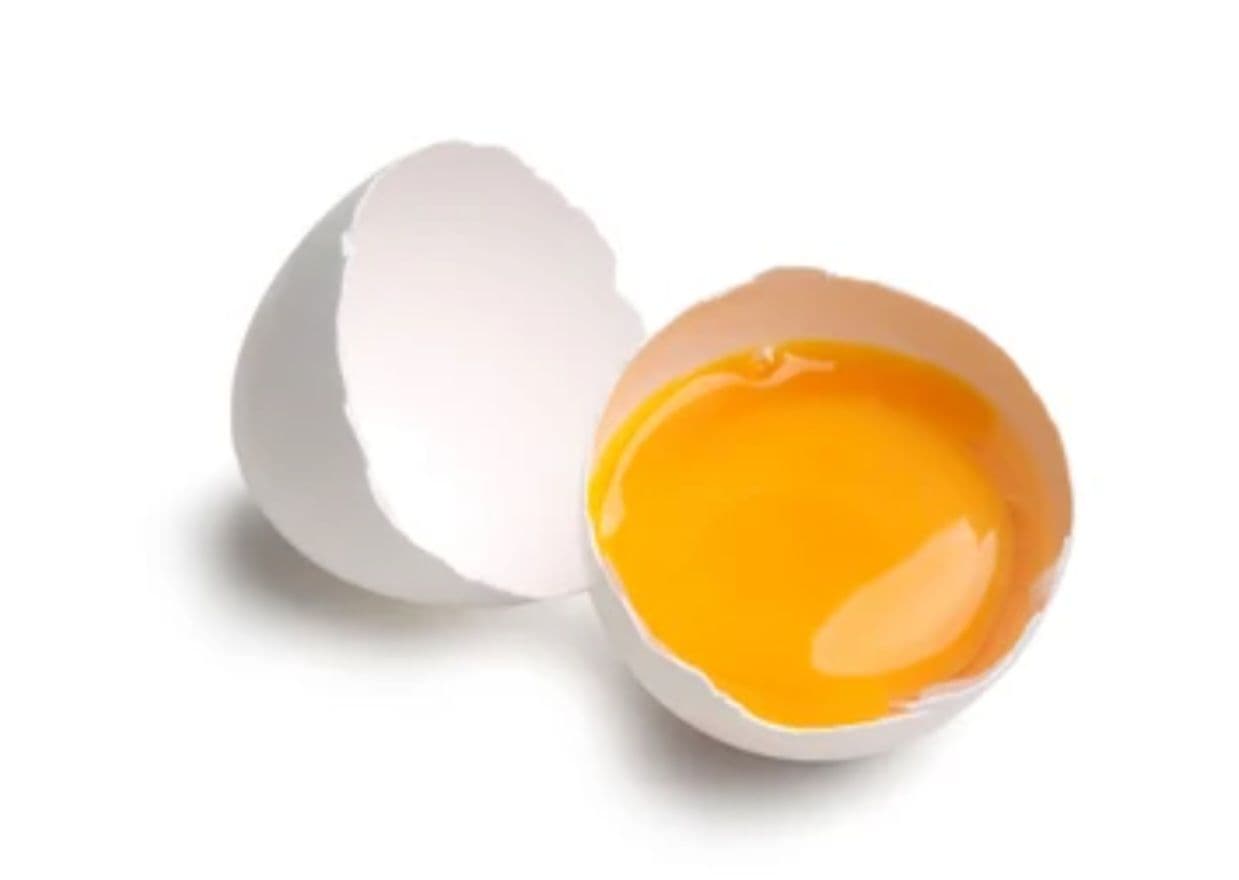 Egg yolks2 pieces
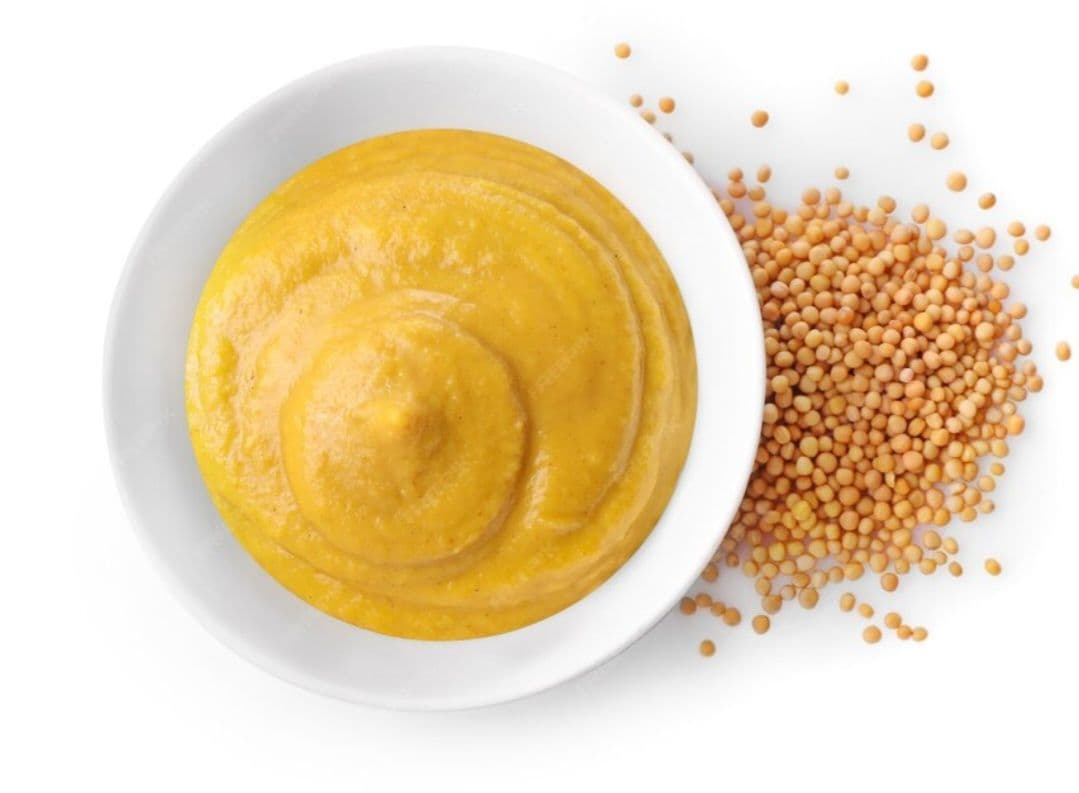 Dijon mustard15 g
1 tbsp and use yellow mustard if dijon mustard not avaialable
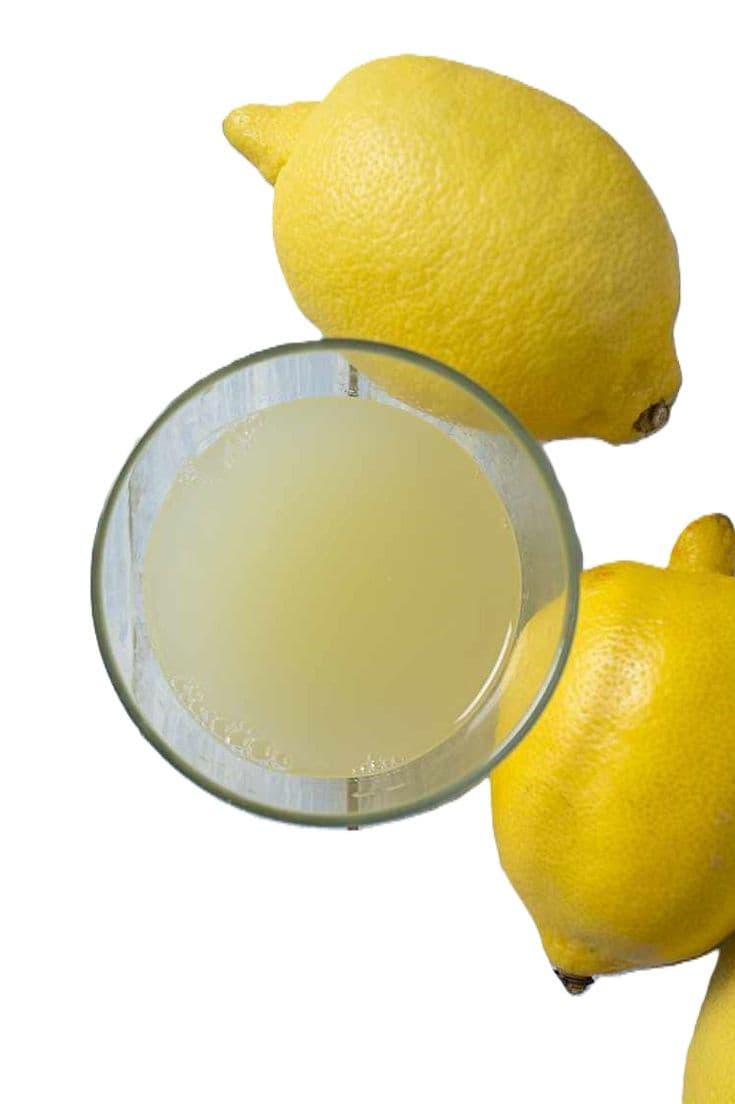 Lemon juice15 ml
1 tbsp
 Water1 tbsp
 Neutral oil180 ml
Method
Load the Jar
To a pint-sized mason jar, add the egg yolks, Dijon mustard, lemon juice, water, and neutral oil in that order. Season with a pinch of salt.
Chef's Tip:
Always use a narrow jar that fits your immersion blender head snugly — width is critical. Too wide and the oil and egg separate before emulsifying. The mason jar that comes with most immersion blenders is the ideal size.
All ingredients must be at room temperature. Cold egg yolks straight from the fridge are the single most common reason mayo fails to emulsify.
Blend from the Bottom
Insert the immersion blender all the way to the bottom of the jar, pressing it firmly against the base so it covers the egg yolks completely.
Turn on high speed, do not move the blender for the first 10–15 seconds.
Chef's Tip:
The first 10–15 seconds with the blender stationary at the bottom is when the emulsion begins. You will see a white creamy column rising from the base — that is the emulsion forming. Only start moving once you see it.
Lift Slowly
Once the white emulsion has formed at the bottom and is clearly thickening, slowly and steadily raise the blender head upward through the remaining oil, incorporating everything as you go.
Continue until smooth and fully homogenous.
Chef's Tip:
The slower you raise, the more stable the emulsion. Rushing the lift by moving too fast results in broken mayo as oil pooling on top instead of incorporating.
Season and Store
Taste and adjust salt. A squeeze more of lemon can brighten it if needed.
Cover the jar and refrigerate.
Keeps for up to 2 weeks.
Chef's Tip:
Season after emulsifying, salt added before can slightly affect the emulsion structure. Taste first, then adjust.
Nutritions
Per Serving (1 tbsp ≈ 15g)
People Also Ask
Oil was added too fast, ingredients were too cold, or the jar was too wide. Fix: add a fresh egg yolk to a new jar, then slowly blend in the broken mayo as if it were the oil. The fresh yolk re-emulsifies everything.
Yes, add all ingredients except oil to the processor, blend briefly, then drizzle oil in through the feed tube while running. Results in a slightly lighter, fluffier mayo.
You can, but the emulsion will be less stable and more prone to breaking. Dijon is both a flavor contributor and a functional emulsifier. Without it, add the oil significantly more slowly.
Sunflower or avocado oil for the cleanest flavor. Light olive oil works well too. Avoid strong extra-virgin olive oil becasue it makes the mayo bitter and grassy, especially in the immersion blender method.
Yes, white vinegar is the closest substitute. Apple cider vinegar adds a slight fruity note. Both work functionally. Avoid balsamic as it discolors the mayo.