
Punjabi Mutton Pulao

Faiza Zarif
Chef
“Faiza Zarif, known globally as Cook with Faiza, is a prominent Pakistani culinary instructor and YouTube personality based in the UK. Since 2012, she has earned millions of followers by sharing authentic, step-by-step traditional recipes. Her clear teaching style makes complex South Asian dishes accessible to home cooks worldwide.”
Aarif
Food Journalist
Aarif is a devoted content writer at Regional Heritage Food (RHF), passionate about cooking and travel. He shares his culinary experiences and discoveries, inspiring others to explore new recipes and flavors.
Slow-Cooked Yakhni, Dried Plums & Fragrant Dum Rice |The Soul of a Punjabi Dawat
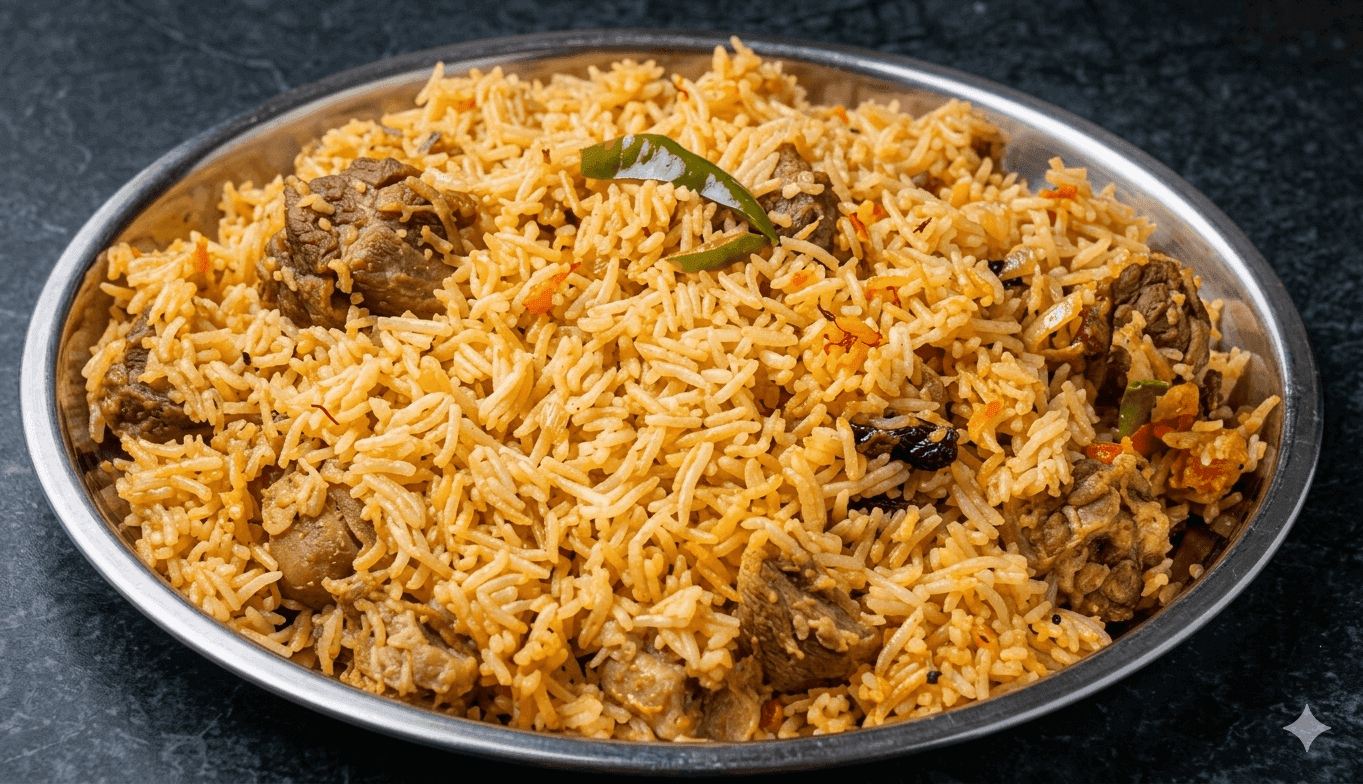
Pulao in Punjab is not just rice, it is an event. It is what gets made when guests are coming, when a wedding is being celebrated, when Eid arrives and every family wants their table to carry the smell of something slow-cooked, deeply aromatic, and unmistakably Punjabi.
Cook with Faiza's recipe used precise and tested measurements developed through years of cooking. This is not an approximation, every quantity, every step, and every technique in this document is taken directly from her original recipe and expanded with professional chef-level explanations of why each step matters.
The result is a pulao with separate, perfectly cooked grains of basmati rice, deeply flavoured from the yakhni within every grain, with tender baby lamb pieces that have absorbed the warmth of whole spices, and a fragrance from the kewra and dum finish that fills the entire house. It is the kind of pulao that earns compliments at every table it is served on.
Why This Recipe Works Better Than Others
Baby Lamb for Maximum Tenderness
The recipe specifically calls for baby lamb (small lamb, not mature mutton) for the yakhni. Baby lamb has finer muscle fibres, less connective tissue, and a milder, cleaner flavour than mature mutton. It cooks faster, becomes more tender, and produces a clearer, lighter-coloured stock. Which is important for Punjabi pulao because the rice should be golden and fragrant, not dark and heavy.
Yakhni Spices & Rice Spices Separately
Most pulao recipes use a single set of whole spices for everything. Cook with Faiza's recipe uses two completely separate whole-spice sets, one for the yakhni (which is strained and discarded after cooking) and a fresh set bloomed in oil at the rice stage. This means the rice is cooked in fresh, newly bloomed whole-spice flavour rather than in exhausted spices that have already given everything to the broth.
Dried Plums (Aloo Bukhara)
Fifteen dried plums are added with the meat in the rice stage and cook inside the pulao during the dum. They do three things simultaneously: they add a gentle, fruity tartness that cuts through the richness of the lamb and ghee; they release a deep, jammy sweetness into the surrounding rice as they cook; and they soften into a texture that is both a flavour component and a garnish.
Mace, Nutmeg & Kewra
The combination of mace powder (javitri), nutmeg powder (jaiphal), and kewra water is the finishing aromatic signature of Punjabi pulao and is used in the same proportions in wedding-catering versions. Mace and nutmeg are complementary spices from the same fruit, mace provides a warmer, more intense version of nutmeg's floral warmth. Kewra water adds a distinctive floral, slightly earthy note derived from screwpine flowers that no other ingredient replicates.
prep time
20 min
soak time
30 min
cook time
1h 30m
servings
6
Ingredients
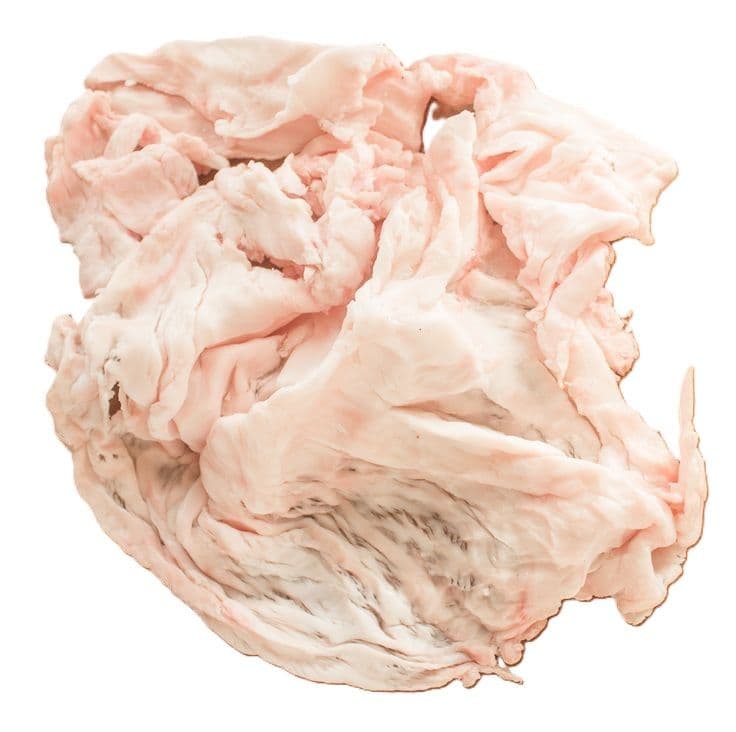 Baby lamb1 kg
Bone-in curry cuts, shoulder or ribs preferred
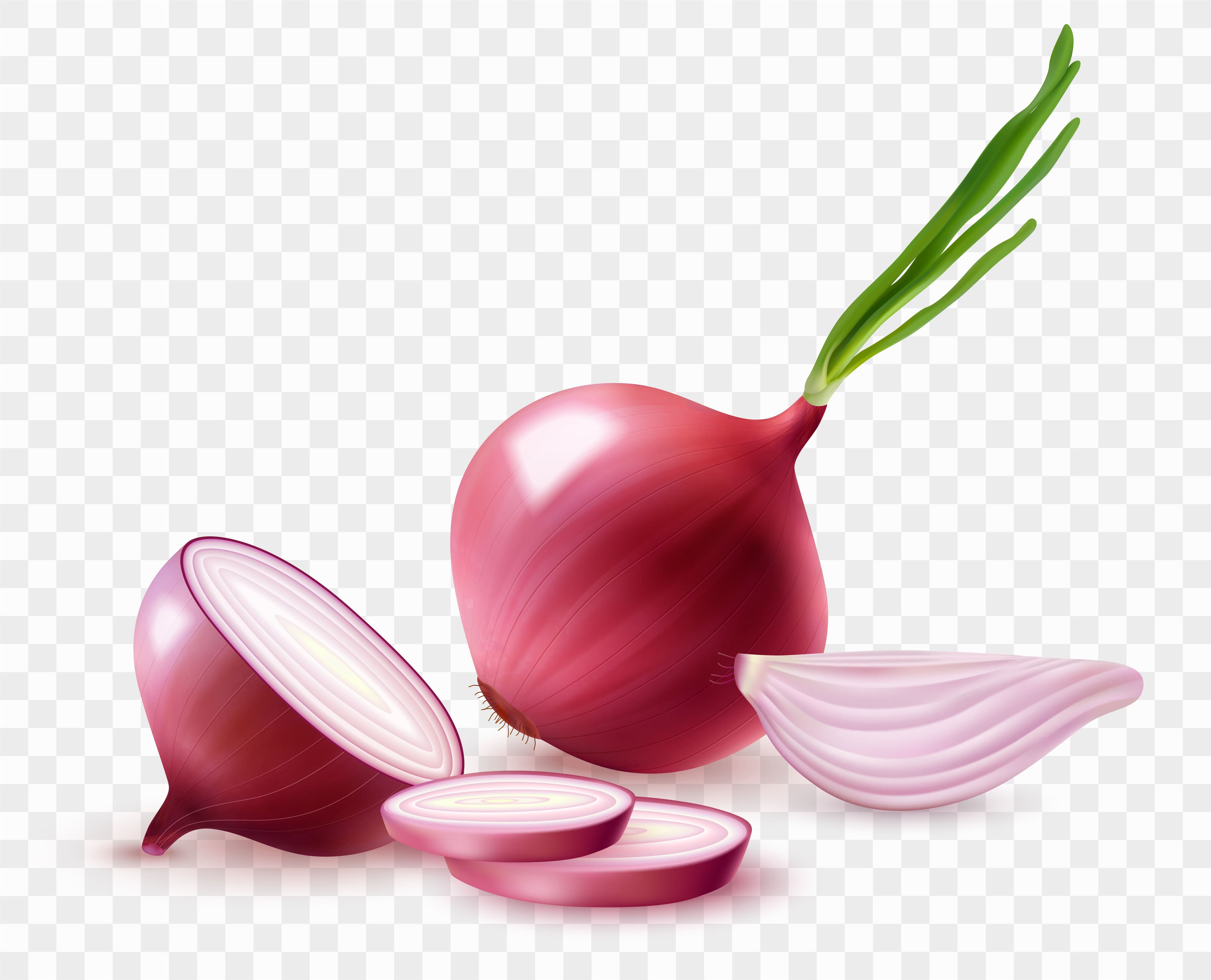 Onion2 Piece
1 for yakhni, 1 for rice, (finely chopped)
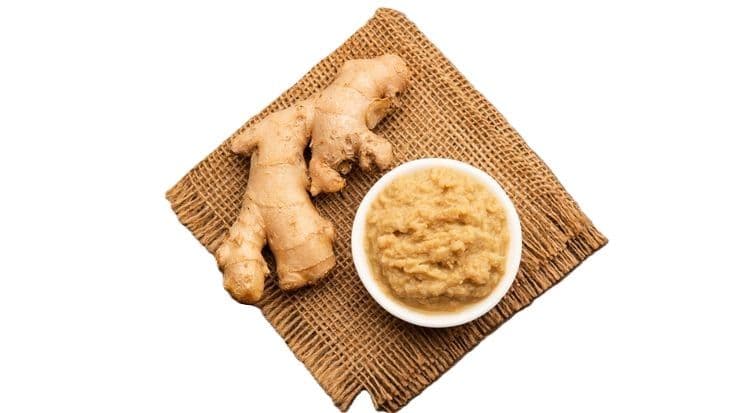 Ginger paste2 tbsp
1 for yakhni and 1 for rice
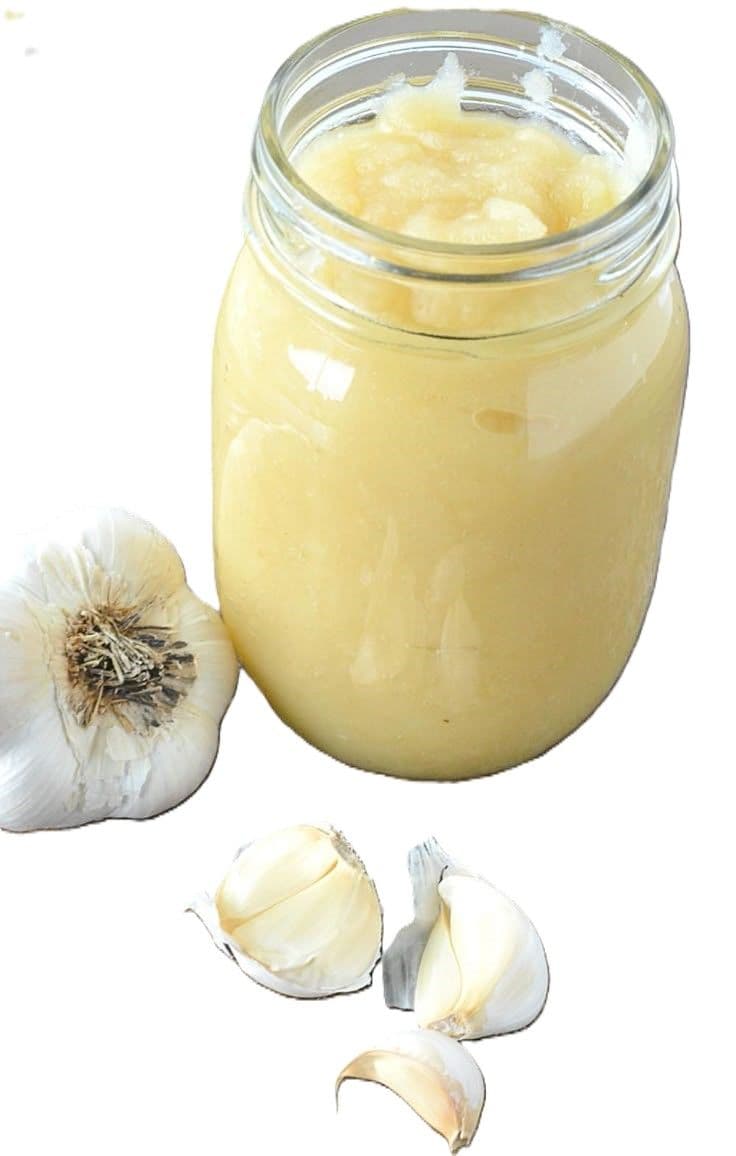 Garlic paste2 tbsp
1 for yakhni and 1 for rice
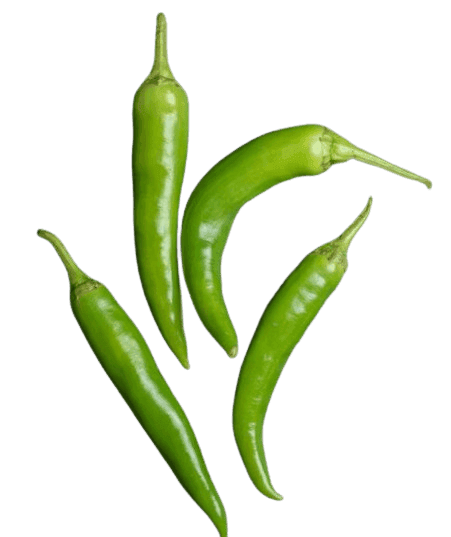 Green chillies8 pieces
5 for yakhni and 3 for rice
Method
Soak the Rice
Before beginning the yakhni, wash 1 kg of basmati rice under cold running water, swirling and draining 3–4 times until the water runs completely clear.
Cover with fresh cold water and soak for 30 minutes.
Soaking allows the rice grains to hydrate, which means they cook through evenly and remain separate rather than clumping.
While the rice soaks, begin the yakhni.
Chef Tip:
Use the best quality long-grain basmati rice as aged basmati (at least 1 year old) gives significantly longer, more separate grains than fresh.
Build & Cook the Yakhni
In a large, heavy pot, combine 1 kg baby lamb with 9 cups of water.
Add the roughly chopped onion, 1 tbsp ginger & garlic paste, 5 green chillies, 1 tbsp cumin seeds, 1 tbsp coriander seeds, 1 tbsp fennel seeds, 1 tsp black peppercorns, ½ tsp cloves, 7 green cardamom pods, 1 tbsp red chilli powder, 1½ tbsp salt, and a 2-inch cinnamon stick.
Stir well to combine everything.
Place on high heat and bring to a vigorous boil.
Skim off any white foam that rises in the first 5 minutes.
Once boiling, cover with a tight-fitting lid, reduce to medium-low heat, and cook for 50–60 minutes until the meat is completely tender, falling easily from the bone when prodded with a spoon.
Chef Tip:
Keep the yakhni at a gentle simmer rather than a vigorous boil after the initial foam-skimming. A hard boil makes the stock cloudy and breaks down the meat fibres unevenly. A steady, gentle simmer produces a clearer stock and more tender, intact pieces of lamb
Strain the Stock & Rest the Meat
Once the meat is fully tender, remove the pot from heat.
Using a strainer, strain the entire stock into a large bowl by pressing the boiled onion against the strainer to extract all its flavour.
Discard all the whole spices and the cooked onion.
Remove the meat pieces carefully and set them aside in a separate bowl.
You should have approximately 7–8 cups of rich, flavoured yakhni.
If you have less, top up with hot water to reach approximately 7.5 cups.
Chef Tip:
The strained stock is the single most important element of the entire dish. It is what will cook the rice and flavour every grain. Taste it at this point. It should be well-salted, deeply aromatic, and slightly spiced. If it tastes thin or under-salted, reduce it briefly on high heat for 5–10 minutes before using
Fry Onion with Fresh Whole Spices
Heat 1 cup of cooking oil in a large, wide pot over high heat.
Add the fresh whole spices for the rice stage: ½ tsp black peppercorns, 8 cloves, 6 green cardamom pods, the 2-inch cinnamon stick, and ½ tsp cumin seeds.
Stir immediately, the spices will crackle and begin to bloom within 20–30 seconds.
Add the finely chopped onion. Cook on high heat, stirring regularly, for 10–12 minutes until the onion reaches a deep, consistent golden-brown colour.
This fried onion is the foundation of the rice masala and its colour determines the final colour of the whole dish.
Chef Tip:
Always bloom the whole spices in the oil before adding the onion not after. The oil needs to be spice-infused from the first moment the onion enters the pot. Onion added to plain oil versus onion added to spice-bloomed oil produces measurably different final flavours
Add Ginger-Garlic & Yogurt
- Add 1 tbsp of ginger & garlic paste to the golden onion.
Stir continuously for 2 minutes until the raw smell disappears. Add the julienned fresh ginger (2-inch piece) and stir for 30 seconds.
Now reduce the heat to medium. Add 1 cup of whisked yogurt, stir immediately and continuously for 2–3 minutes, allowing the yogurt to cook into the masala and the liquid to evaporate.
The mixture will sputter and then settle into a thick, fragrant paste
Chef Tip:
Whisk the yogurt completely smooth before adding and bring it to room temperature first. Cold yogurt added to a very hot pan without continuous stirring will curdle. You will see small white lumps rather than a smooth integrated paste. Room temperature, whisked yogurt folds smoothly into the oil and onion within 2 minutes of stirring
Return Meat & Add Flavourings
Add the cooked lamb pieces back to the pot. I
ncrease heat to high. Add the 15 washed dried plums, 3 sliced green chillies, 1 tbsp salt, ½ tsp mace powder, ½ tsp nutmeg powder, and 3 tbsp kewra water.
Stir everything together vigorously on high heat for 2–3 minutes, coating the meat with the masala and allowing the kewra water to partially evaporate so its floral aroma is concentrated rather than sharp.
Chef Tip:
Add the mace, nutmeg, and kewra water together in one step and stir immediately on high heat. These three aromatics need brief high heat to 'set' into the masala rather than sitting on top of it. Stirring them in on high heat for 2 minutes ensures they integrate fully and their flavour carries through every grain of rice rather than evaporating off the surface.
Add Rice & Yakhni: Cook to Stock Absorption
- Drain the soaked rice and add it directly to the pot.
- Pour in the strained yakhni stock. Stir gently but thoroughly to combine everything meat, masala, rice, and stock, making sure the rice is evenly distributed.
- The stock level should be no more than 1½ inches above the surface of the rice.
- Too much stock produces soggy, overcooked rice; too little produces undercooked grains.
- Cook on high flame, uncovered, until the stock comes to a full boil and then dries down to the rice surface, approximately 10–12 minutes.
- Watch carefully during the final minutes and reduce heat to medium as the stock level drops
Chef Tip:
Do not stir the rice after adding the stock, stir only once when first combining, then leave it completely undisturbed. Stirring rice as it cooks breaks the grains and releases starch, producing a sticky, clumped result. The rice should cook untouched from this point until the dum is complete.
Sprinkle Food Colour & Begin Dum
When the stock has dried and you can see the rice surface clearly with no visible liquid, dissolve ¼ tsp orange food colour in 1 tbsp of warm water.
Drizzle this coloured water over the rice surface.
It will create the characteristic orange-and-white two-tone appearance of a Punjabi pulao.
Do not stir. Immediately place a clean dry tea towel (kitchen cloth) over the top of the pot, then place the lid firmly on top of the towel.
The towel absorbs excess steam and prevents water droplets from falling back onto the rice surface, which would create wet patches.
Chef Tip:
The tea towel technique is not decorative, it is functional. Steam trapped under a solid lid condenses and drips back onto the rice, creating soft, wet patches in an otherwise dry and separate dish. The towel absorbs that condensation completely, keeping the rice dry and separate throughout the dum
Dum-Steam on High Then Low Flame
Place the covered pot (with tea towel and lid) on high flame for 10 minutes.
Then reduce to the lowest possible flame and cook for a further 5 minutes. Total dum time is 15 minutes.
Remove from heat and do not open the lid for at least 5 minutes after turning off the flame.
Residual steam continues cooking the top layer of rice gently. After the rest, open the lid, remove the towel carefully, and use a long-handled fork or spoon to gently fold the rice from the edges toward the centre, do not stir, just fold twice
Chef Tip:
For the high-flame dum phase, place a flat tawa (griddle pan) between the pot and the flame if your stove runs hot. The tawa diffuses the heat and prevents the bottom layer of rice from burning during the 10-minute high-heat phase. This is the traditional method used by Pakistani home cooks for any dum rice dish
Garnish & Serve
Gently fold the pulao one final time to mix the orange and white layers partially, the goal is a marbled, not fully mixed, appearance.
Transfer to a large serving platter or serve directly from the pot.
Scatter 1 cup of crispy fried onions (birista) generously over the top. The fried onions should be made fresh for the best result.
Serve immediately with raita (plain yogurt with salt and cumin), a simple cucumber and tomato salad, and achaar (pickle) on the side.
Chef Tip:
The birista (fried onions) must be completely crispy and dry when added, if they are soft or oily, they will wilt immediately on the hot rice and become unpleasant in texture. Spread them on paper towel after frying and allow them to cool for 2–3 minutes before scattering over the pulao. They crisp further as they cool.
Master Tip: Dual Whole Spice Sets
Always use fresh whole spices for the rice stage and never reuse the yakhni spices. The spices that cooked in the yakhni for 60 minutes have given all their volatile oils to the broth and are spent. Adding them to the rice stage produces no additional aroma.
Fresh whole spices bloomed in hot oil at the rice stage create a second, bright aromatic layer that gives Punjabi pulao its characteristic multi-layered fragrance.
People Also Ask
Yes, regular mutton works but requires a longer yakhni cooking time. Baby lamb is fully tender in 50–60 minutes; regular mutton may need 75–90 minutes on medium-low heat to reach the same level of tenderness.
Check by pressing the meat with a spoon, it should yield completely with no resistance. The flavour of regular mutton is more robust and slightly gamey compared to baby lamb, which produces a milder, cleaner stock. Both are delicious; baby lamb gives a more refined, cleaner-tasting pulao.
Yes, a pressure cooker reduces the yakhni cooking time to 20–25 minutes (3 whistles on medium heat for baby lamb, 4 for regular mutton). Allow the pressure to release naturally before opening.
The stock will be slightly less clear than stovetop yakhni but fully flavoured. Strain exactly as described in step 3. Building the rice stage in a separate open pot after the pressure cooker is the standard method and produces excellent results.
Kewra water is a distillate made from the flowers of the screwpine plant (Pandanus odoratissimus). It has a distinctive floral, slightly musky, earthy-sweet aroma that is completely unique and very difficult to substitute directly. It is available at virtually all South Asian grocery stores and is very inexpensive. If genuinely unavailable, rose water can be used as a partial substitutec, use 1 tbsp of rose water in place of 3 tbsp of kewra. The flavour will be floral but different. Omitting it entirely is preferable to using an unrelated substitute, the pulao will still be very good without it.
Slice 2 large onions into very thin, even rings. A mandoline slicer gives the most consistent results. Heat enough oil for shallow frying in a wide pan over medium heat. Add the onion slices in a single layer, do not crowd. Fry, stirring occasionally, for 12–15 minutes until they turn a deep, even golden-brown.
Remove immediately with a slotted spoon and spread on paper towel to drain. They will crisp further as they cool. Season with a small pinch of salt while still hot. Allow to cool completely before using as garnish, they crisp within 2–3 minutes of cooling. Store unused birista in an airtight container for up to 2 days.
Either the flame was too high during the high-heat dum phase, or the pot was too thin. For the high-heat dum phase, place a flat tawa (griddle) between the pot and the flame. This diffuses the heat and prevents direct scorching of the bottom rice layer.
A heavy-bottomed pot (cast iron or thick aluminium) also significantly reduces burning risk. If your stove runs very hot even on the lowest setting, place a heat diffuser under the tawa. The tawa method is the traditional Pakistani solution to this exact problem and is used in virtually every professional Pakistani kitchen for dum rice.
The yakhni can be made completely a day ahead, cook the meat, strain the stock, and store both (meat and stock separately) in airtight containers in the refrigerator. The next day, skim the solidified fat off the cold stock (or leave it for more flavour), reheat both, and proceed from step 4.
The rice stage and dum should always be done fresh on the day of serving. Dum rice does not reheat well and loses its separateness and aromatic quality overnight. However, freshly made pulao can rest (covered) for up to 30 minutes after cooking before serving without any loss of quality.