
Karachi Beef Biryani
Kun Foods
Chef
“Afzal Arshad, creator of Kun Foods, is a Pakistani chef known for his YouTube channel where he teaches viewers to recreate famous restaurant dishes at home. His clear, educational videos and focus on food safety have earned him millions of followers across YouTube, Facebook, and TikTok, making him a leading figure in Pakistan’s food vlogging scene”
Aarif
Food Journalist
Aarif is a devoted content writer at Regional Heritage Food (RHF), passionate about cooking and travel. He shares his culinary experiences and discoveries, inspiring others to explore new recipes and flavors.
Leg-Cut Beef, Bone Marrow Yakhni, Aloo Bukhara and Dum-Sealed Rice | The Real Karachi Formula
Ask someone from Karachi what makes their city's biryani different and they will not give you a list of spices. They will give you a look. The kind of look that says you clearly have not eaten it yet. Because Karachi beef biryani does not need explaining. It needs eating.
Kun Foods' Afzaal Arshad recipe is not a biryani with thirty spices fighting each other. It is a biryani with four whole spices, a proper yakhni made from leg-cut beef with marrow bones, and a korma that is roasted until the oil separates before the rice ever comes near it. That is the Karachi formula and it has been working for generations.
Why This Recipe Works Better Than Others
Use Yakhni, Not Water
Never discard the beef stock. Using the marrow-rich yakhni to cook the korma and rice ensures every grain absorbs a deep, meaty essence. It is the "soul" of the dish that provides a layered flavor water simply cannot match.
Choose Leg-Cut with Marrow Bones
The gelatin from the connective tissue in leg cuts creates a glossy, rich korma. The marrow bones provide a depth of body and authentic "shop-style" taste that boneless meat lacks.
Add Aloo Bukhara (Dried Plums)
These dried plums are the defining signature of Karachi biryani. They dissolve into the masala to provide a subtle, fruity tartness that cuts through the richness and prevents the dish from feeling heavy.
Simplify Your Spices
Avoid pre-mixed packets. Using only cumin, peppercorns, cloves, and dried red chilies allows the beef's natural flavor to shine. Minimal spices prevent a "muddy" taste and provide a clean, warm background heat.
Master the High-Heat Steam
Before the final slow-cook (dum), keep the pot on high heat for 5–8 minutes. This creates the intense steam pressure required to elongate the rice grains, preventing them from becoming mushy or clumped.
prep time
20 min
soak time
45 min
cook time
1h 10m
servings
8
Ingredients
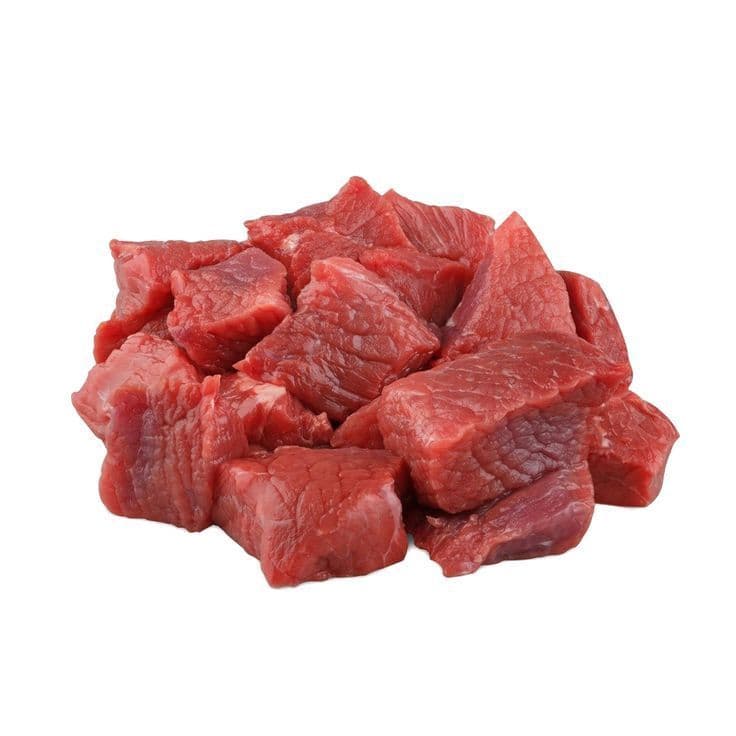 Beef1 Kg
leg portion (tang), boneless pieces and marrow bones
 Oil0.25 cup
Oil (drizzle for dum)
 Tomatoes400 g
quarter piece
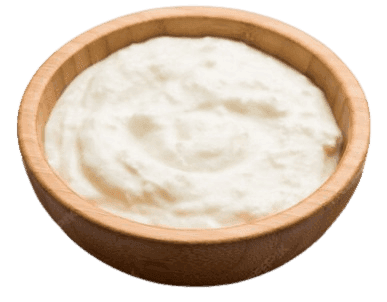 Yogurt1 cup
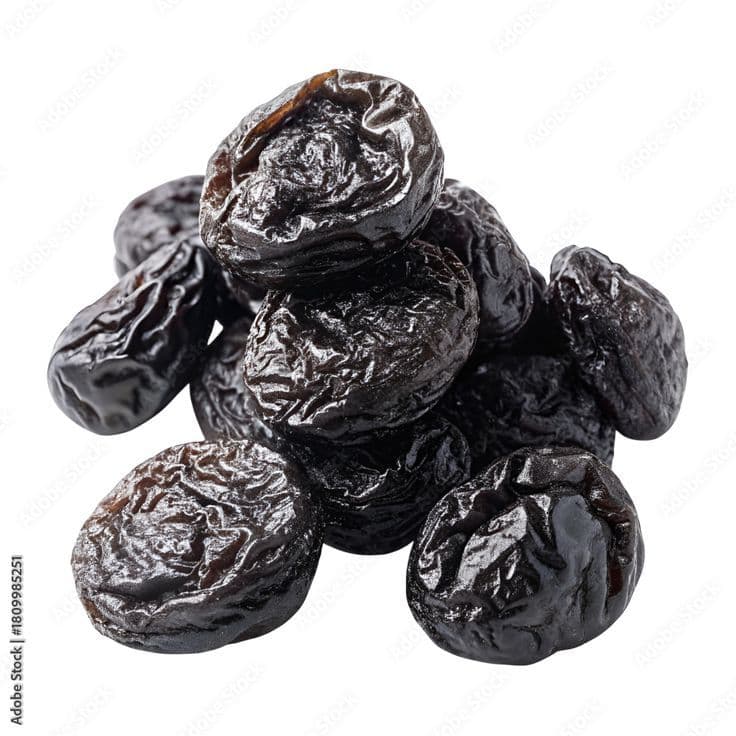 Dried plums10 pieces
aloo bukhara
Method
PRESSURE COOK THE BEEF AND MAKE THE YAKHNI
Take 1 kg of leg-cut beef, a mix of boneless pieces and marrow bones. Cut the boneless pieces into medium chunks.
Place everything into a pressure cooker. Add 3 cups of water, half tsp salt, and quarter tsp turmeric.
Bring to a boil on high heat and skim off any grey foam that rises to the surface with a spoon.
Once the foam is removed, seal the lid and pressure cook for 15 to 20 minutes after steam begins, until the beef is completely tender and falls apart when pressed.
Open the cooker, remove the beef pieces and bones, and pour the cooking liquid into a separate bowl. This liquid is your yakhni. Guard it carefully. You will need half a litre of it in Step 4.
Chef's Tip:
Never discard the yakhni. This is the single most important instruction in the entire recipe. The yakhni carries concentrated beef flavour, marrow richness, and seasoning that took 20 minutes to build. Pouring it down the drain and replacing it with plain water is the most common reason home biryani tastes flat. Set it aside the moment the cooker opens
BLEND THE FRESH PASTE
Put 2 inches of fresh ginger, 5 garlic cloves, 5 green chillies, and half a cup of water into a blender.
Blend until completely smooth with no visible chunks. Set aside.
This fresh paste is the aromatic backbone of the korma. It must be freshly blended on the day of cooking. Store-bought ginger garlic paste has a flat, preserved taste that changes the character of the korma noticeably.
Chef's Tip:
If your blender struggles with this small a quantity, add a little extra water to help it run smoothly, then pour off any excess water before adding the paste to the oil. A little extra water in the oil at this stage is fine since it will cook off quickly. What you want to avoid is large unblended chunks of ginger or garlic that cook unevenly
BUILD AND ROAST THE KORMA MASALA
Heat 1 cup of oil in a large kadhai or wok over medium flame.
Add 1 tbsp heaped red chilli powder, half tbsp black peppercorns, 1.5 tbsp cumin seeds, 8 cloves, and 4 to 5 dry red chillies. Stir for 30 seconds. Add the fresh ginger-garlic-chilli paste immediately. Stir and cook for 1 to 2 minutes until the raw smell cooks off completely.
Add 400g quartered tomatoes and 8 to 10 pieces of aloo bukhara. Add half a cup of water and cook on high heat for 8 minutes, stirring regularly.
Keep cooking until the oil separates visibly and you can see clear pools of it rising to the surface and collecting at the edges of the pan.
This stage is called bhunai and the oil separation is your only signal that it is complete.
Chef's Tip:
Oil separation is not a suggestion and it is not optional. It means the tomatoes have fully broken down, all the moisture has evaporated, and the spices have cooked through into the fat. Masala that has not reached oil separation will taste raw and sharp no matter how long the biryani dum-cooks afterward. If it has not separated after 8 minutes, keep going. It will separate.
ADD BEEF, BIRISTA, YOGURT AND YAKHNI
Add 1 cup of fried onions to the korma and stir in. Add 1 cup of room-temperature yogurt and stir well to combine.
Add all the pressure-cooked beef pieces and marrow bones. Bhunai everything together on medium-high heat for 3 to 4 minutes, turning the beef to coat every piece in the masala.
Now pour in half a litre of the reserved yakhni from Step 1. Cook for 10 minutes on medium heat, stirring occasionally, until the oil separates again and the gravy looks cohesive, dark, and rich.
Taste and adjust salt, keeping in mind the rice will be boiled in heavily salted water so the korma should taste slightly bolder than feels comfortable on its own.
Chef's Tip:
Add the yogurt at room temperature, never cold. Cold yogurt added to a hot masala splits immediately into white curds floating in oily liquid. Resting the yogurt on the counter for 20 to 30 minutes before cooking costs nothing and prevents a gravy that looks broken. A smooth, unified korma is what you are aiming for before the rice goes on.
PARBOIL THE RICE TO 80%
Fill a large pot with plenty of water and bring to a full rolling boil. Add 4 tbsp salt.
The water must taste noticeably salty before the rice goes in, like properly seasoned pasta water. Add 1 star anise and 3 bay leaves. Add the soaked and drained basmati rice.
Lower the flame very slightly to reduce turbulence and cook, stirring gently once or twice. Start testing at 7 minutes by picking out one grain and pressing it between your fingers.
You are looking for a grain that breaks into 2 to 3 firm pieces when pressed. It should feel almost done but still have a clear resistance in the very center. That is 80%. The moment you reach it, drain immediately without waiting another minute.
Chef's Tip:
Test a grain every 90 seconds once you get past 7 minutes. The window between 80% and overcooked is very short and there is no coming back from overcooked rice. A grain that mashes completely between your fingers is too far gone and will turn to mush during dum. Aim for firm pieces with clear resistance in the center and drain the moment you find it.
LAYER THE BIRYANI
Keep the kadhai with the beef korma on the stove on low heat. If the masala looks dry at the bottom, add 1 to 2 tbsp of water to prevent burning during dum. Now build the layers.
First layer: spread half the drained 80% rice in an even, flat layer directly over the korma.
Second layer: spread all of the beef korma and masala evenly over the first layer of rice.
Third layer: spread the remaining rice on top to cover everything completely.
Drizzle a quarter cup of oil evenly over the top rice layer. This oil keeps the grains separate, glossy, and prevents the top layer from drying out during the dum.
Chef's Tip:
Make sure the korma layer in the middle has enough moisture before you seal the pot. The steam that cooks the rice during dum comes from the liquid in the korma evaporating upward through the layers. A dry korma with no liquid produces dry steam too quickly and the top layer of rice will not finish cooking properly. The korma should look moist and saucy, not dried out, when you lay the rice on top
HIGH HEAT FIRST, THEN DUM
Place a tawa or heavy flat pan on your lowest burner and place the kadhai on top of it. Cover the pot with the tightest-fitting lid you have. If the lid is not a tight fit, lay a sheet of aluminium foil across the top of the pot first and press the lid down onto it to create a proper seal.
Now put the stove on HIGH heat and leave it there for 5 to 8 minutes. During this time you should hear strong steam and see it escaping from the sides of the lid. This is not optional.
This high-heat phase is what forces steam through every layer and gives each grain of rice its long, separate, arched shape. Once steam is strong and consistent, reduce to the absolute lowest flame.
Dum cook for 15 to 20 minutes. Turn off the heat and do not open the lid for 10 more minutes.
Chef's Tip:
If your rice grains come out curved and misshapen after dum, this step is where the problem occurred. The high-heat phase was either too short or the lid was not sealed well enough to build real pressure. Try this next time: keep the flame on high for the full 8 minutes and press your hand near the lid edge to feel active steam pressure escaping. Only when that pressure is strong and steady should you drop to low. This one change fixes curved rice for most home cooks who have struggled with it
OPEN, FOLD GENTLY AND SERVE
Remove the lid or break the foil seal carefully away from your face as the steam will be hot.
Use a wide flat spatula to fold the biryani together from the bottom upward with slow, gentle movements. You are not stirring.
You are lifting and folding so that the beef from the middle layer distributes through the rice without breaking the grains.
Serve immediately in deep plates or a large serving dish. A portion should have a good mix of rice and beef in each serving.
Chef's Tip:
Always use a wide, flat spatula and fold in long slow movements rather than short rapid ones. Basmati grains are delicate after cooking and aggressive stirring in circular motions breaks them. Broken grains look and taste different from whole ones and the effort of making a good biryani deserves to be seen in the final serving. Gentle folding preserves the shape of every grain.
Secret Ingredient: Aloo Bukhara (Dried Plums)
Aloo bukhara is the ingredient that Karachi biryani is built on and that most people cooking this style of biryani outside the city have never used or even heard of. Eight to ten dried plums go into the korma alongside the tomatoes in Step 3. They soften completely over the 8-minute dhunai cook, dissolving their flesh into the masala and leaving behind a gentle, fruity tartness that sits underneath all the richness of the beef, the oil, and the yogurt. The effect is subtle but essential. Without the aloo bukhara, Karachi biryani tastes rich and well-spiced but slightly flat and one-dimensional.
Nutritions
Per Serving (~350g)
People Also Ask
The yakhni is the beef stock produced when the meat and marrow bones pressure cook in the first step. It carries concentrated beef flavour, dissolved marrow, salt, and turmeric that took 20 minutes to build. When this stock goes into the korma and the rice finishes cooking inside the sealed pot, every grain absorbs deeply meaty, layered flavour.
Plain water produces rice that tastes of nothing except salt and spice. The yakhni is the hidden reason great biryani tastes different from average biryani and Kun Foods treats discarding it as the most wasteful mistake in the recipe.
Curved, arched grains almost always mean the high-heat steam phase was too short or the lid was not sealed well enough to build pressure. Before dropping to low heat, the sealed pot must sit on HIGH flame for 5 to 8 full minutes until strong steam is escaping consistently from all sides of the lid.
This steam pressure is what pushes through every layer of rice and forces each grain to elongate into the long, separate shape that good biryani is known for. If you drop to low heat before this pressure is built, the grains steam unevenly and curve. Seal the lid properly, wait for genuine steam pressure, and hold the high heat for the full time before reducing.
Bhunai is the roasting stage where the masala is cooked on high heat until all the moisture from the tomatoes and yogurt evaporates and the oil separates and rises to the surface. You know bhunai is complete when you can see clear pools of oil forming at the edges of the pan and on the surface of the masala.
The tomatoes will have completely broken down and the masala will look dark, thick, and glossy rather than wet and saucy. This is not a step that can be rushed or timed because different stoves and different tomatoes vary. Watch for the oil, not the clock.
Yes. Use a heavy-bottomed pot with a tight-fitting lid. Add an extra cup of water to the beef. Cook on low to medium heat for 60 to 80 minutes until the beef is completely fall-apart tender. The yakhni produced by this slower method will actually be richer and more gelatinous than the pressure cooker version because the collagen from the bones has more time to dissolve fully. Proceed with the recipe from Step 3 exactly as written.
This is a deliberate choice based on Kun Foods' guiding philosophy: simplicity has more flavour. When 20 or more spices are used in a biryani, they compete with each other and the result is a dense, undifferentiated spice flavour where the beef and rice are overwhelmed. This recipe uses four whole spices, cumin, black pepper, cloves, and dried red chilli, each of which is distinct and clear. The beef and yakhni can carry these four spices without being hidden by them. Proper technique, specifically oil separation during dhunai and building real steam pressure during dum, does more for the final flavour than doubling the spice list ever could.