
Egg Fried Rice
Swasthi Shreekanth
Chef
“Swasthi Shreekanth is a celebrated Indian culinary blogger and founder of Swasthi’s Recipes. She is renowned for her meticulously tested, authentic Indian recipes that simplify traditional cooking for millions globally.”

Aarif
Food Journalist
Aarif is a devoted content writer at Regional Heritage Food (RHF), passionate about cooking and travel. He shares his culinary experiences and discoveries, inspiring others to explore new recipes and flavors.
Light, Smoky & Fluffy | The Restaurant-Style Secret
Egg fried rice is a timeless crowd-pleaser that brings the smoky aroma of a Chinese restaurant right into your kitchen. With just a handful of simple ingredients, it transforms leftover rice into a flavorful, satisfying dish that feels both comforting and indulgent. The magic lies in its balance fluffy grains of rice, perfectly scrambled eggs, and the subtle richness of oil infused with garlic and soy sauce.
Originating as a practical solution to reduce food waste, egg fried rice has evolved into a global favorite, appreciated for its versatility and quick preparation. Whether enjoyed as a main course or a side dish, it adapts effortlessly to different tastes and ingredients. From street food stalls to fine dining menus, this dish holds a unique place in culinary traditions, blending simplicity with depth of flavor.
One of the key elements that defines great egg fried rice is technique. Using day-old rice ensures the grains remain separate and absorb flavors without becoming mushy. High heat cooking, often associated with wok-based preparation, creates the signature smoky essence known as “wok hei.” Combined with fresh eggs, crisp vegetables, and a touch of seasoning, each bite delivers a harmonious mix of texture and taste.
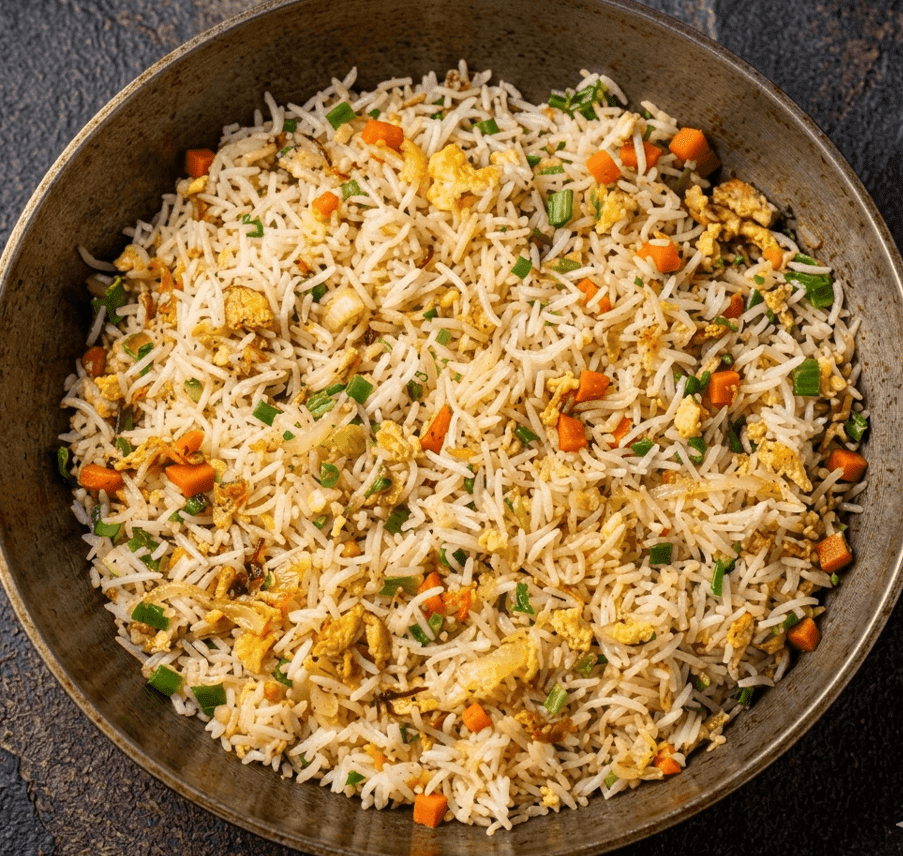
Egg fried rice by Chef Swasthi Shreekanth is not a quick scramble thrown over plain rice. It is a carefully balanced dish built on cooled al dente rice, high heat, a proper wok, and perfectly soft-scrambled eggs folded through colorful stir-fried vegetables.
Why This Recipe Works Better Than Others
Use Day-Old or Cooled Rice
Freshly cooked rice is soft and sticky. Using rice that has been cooled completely (ideally refrigerated overnight) means each grain is firm, dry and separate. This is the single most important secret behind restaurant-style fried rice that does not clump.
Cook on Highest Heat
Great fried rice demands high heat throughout. A carbon steel or cast iron wok on the highest flame you can generate creates the unique smoky aroma known as 'wok hei'. This smokiness is the defining quality of authentic Chinese fried rice and cannot be achieved over a gentle flame.
Scramble the Eggs Separately
Sliding the vegetables to one side and scrambling the eggs directly in the wok before folding everything together ensures the eggs stay soft, pillowy and visible throughout the dish rather than disappearing into the rice as a dry coating.
Balance Your Sauces
Using soy sauce and rice vinegar in precise amounts gives the dish its characteristic savory depth and subtle brightness without making the rice wet or heavy. Over-saucing is the most common mistake in home fried rice.
prep time
10 min
cook time
20 min
Servings
2
Ingredients
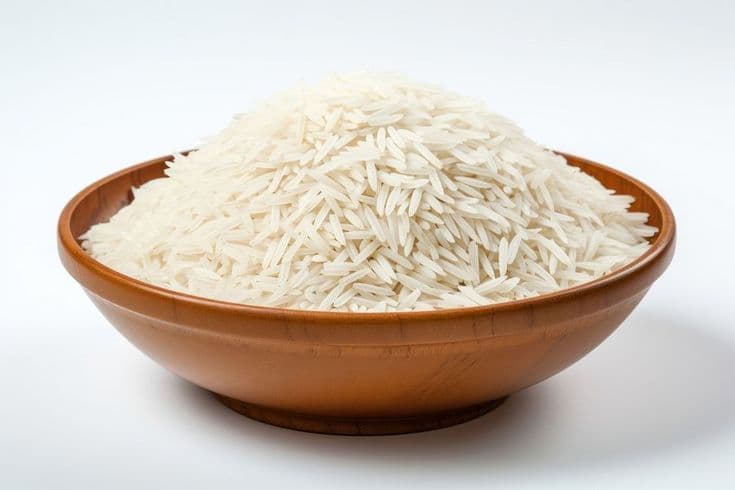 Cooked rice2 cup
cooled, day-old preferred
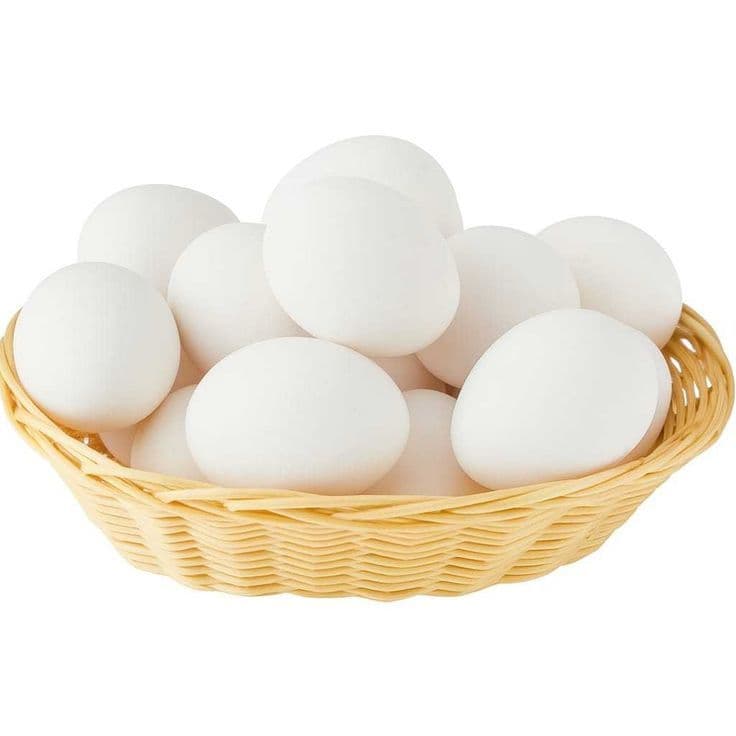 Eggs3 pieces
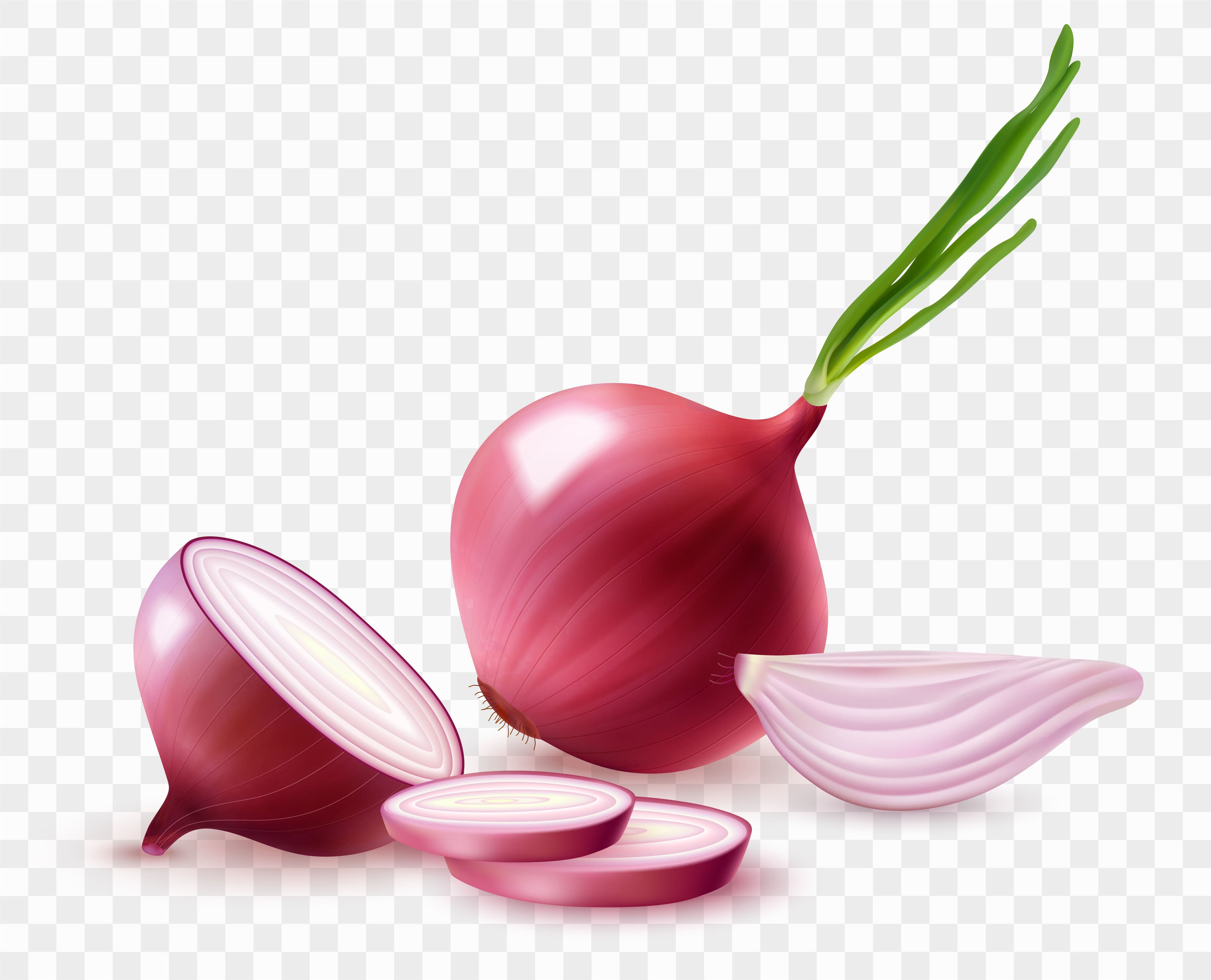 Spring onions3 stalks
white and green separated
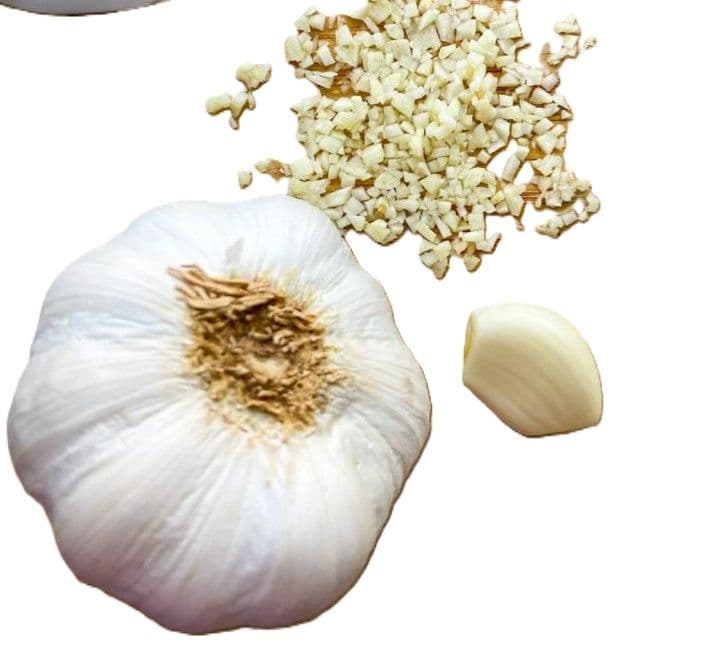 Garlic1 tbsp
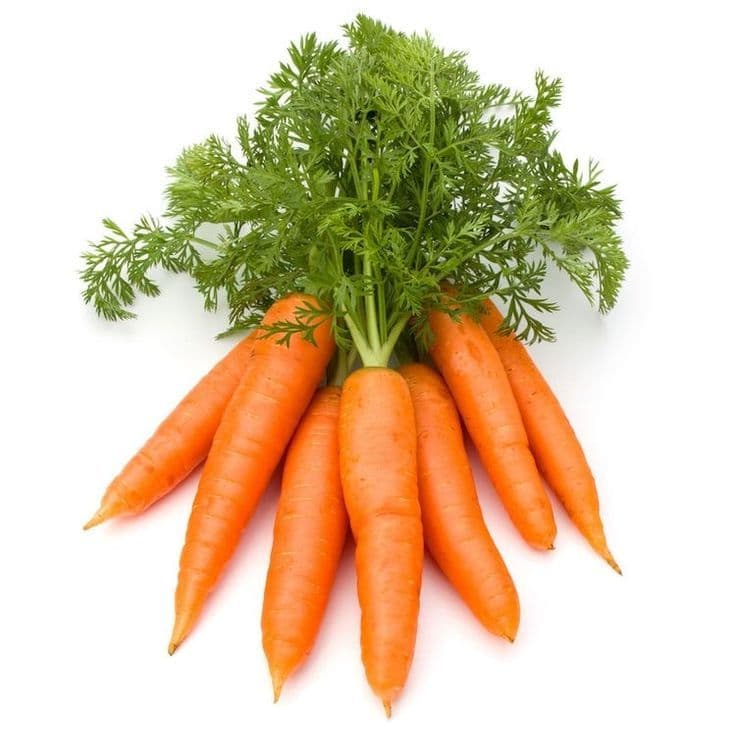 carrot0.5 cup
Method
Cook And Cool The Rice
Rinse 1 cup of basmati or long-grain rice thoroughly in cold water until the water runs clear.
Soak for 15 to 20 minutes. Bring a large pot of water to a rolling boil and add 1 tsp oil.
Drain the soaked rice and add it to the boiling water.
Cook until tender on the outside, fully cooked but still firm and never mushy.
Drain immediately into a colander. Spread on a tray and allow to cool completely.
For best results, refrigerate overnight.
Chef's Tip:
Warm or freshly cooked rice releases steam in the wok, turning your fried rice into a mushy porridge. If you are cooking the rice on the same day, spread it on a wide tray and cool under a fan for at least one hour. Drizzle a few drops of sesame oil over it to prevent clumping.
Prepare Your Vegetables
Separate the spring onion whites from the greens and set aside.
Mince the garlic finely.
Dice the carrot and bell pepper into very small, uniform pieces so they cook quickly and evenly.
Shred the cabbage finely. Slit the green chilli.
Having everything prepped and ready before you heat the wok is essential.
Fried rice cooks fast and there is no time to chop once the wok is hot.
Chef's Tip:
Cut all vegetables to a similar small size so they stir-fry in the same amount of time. Large uneven pieces cook unevenly and give the finished dish a raw, chunky texture that does not belong in refined fried rice.
Stir-Fry The Vegetables
Heat a carbon steel wok or cast iron pan on the highest flame available.
When the wok begins to smoke slightly, add 2 tbsp sesame or peanut oil.
Add the spring onion whites and minced garlic immediately.
Stir-fry for 30 seconds until fragrant but not browned. Add the carrot, cabbage, bell pepper and slit green chilli.
Toss everything on high heat for 2 to 3 minutes.
The vegetables should retain a slight bite and their bright color. They must not be soft or soggy.
Chef's Tip:
Never crowd the wok. If your wok is small, cook the vegetables in two separate batches. A crowded wok drops the temperature immediately, steams the vegetables instead of stir-frying them, and destroys the wok hei, the smoky aroma that defines great fried rice.
Scramble The Eggs
Slide all the stir-fried vegetables to one side of the wok.
Pour 3 beaten eggs directly onto the empty side. Season with a pinch of salt.
Allow the eggs to set slightly for 10 seconds, then use your spatula to scramble them gently, working from the outside inward.
Remove them from the heat when they are just cooked but still soft and slightly underdone.
They will continue to cook when you combine everything.
Chef's Tip:
The eggs are the star of this dish. Overcooked, rubbery eggs ruin it. Pull them off the heat the moment they are barely set, soft, pillowy, and still slightly glossy. They will firm up as they rest and again when folded through the hot rice
Add The Rice And Sauces
Add the cooled rice to the wok over the vegetables and eggs.
Toss everything together on high heat.
Pour 1 tbsp soy sauce and 1 tsp rice vinegar evenly around the edges of the wok, not directly onto the rice.
This technique allows the sauces to hit the hot wok surface first and caramelize slightly before mixing into the rice, developing deeper flavor.
Toss vigorously for 2 minutes. Add black pepper. Taste and adjust salt.
Chef's Tip:
Adding soy sauce around the wok edge rather than pouring it directly over the rice is one of the most important techniques in Chinese fried rice. It caramelizes on the hot surface and gives the dish a deeper, slightly smoky soy flavor that pouring it directly over the rice simply cannot achieve.
Finish And Serve
Add the spring onion greens and toss through for 30 seconds.
Remove from heat immediately. Taste one final time and adjust seasoning.
Serve at once in deep bowls or a large serving plate.
A portion should show visible, separate grains of rice with distinct pieces of soft egg and colorful vegetables throughout.
Chef's Tip:
Fried rice must be served the moment it leaves the wok. Leaving it to sit in the pan continues cooking it, dries out the eggs and turns the rice heavy. Warm your serving bowls in advance if possible, and have your guests seated before the rice goes into the wok.
Master Tip: High Heat and Cold Rice
These two elements are the foundation of every great fried rice recipe. High heat produces wok hei, the smoky, almost charred aroma that makes restaurant fried rice taste completely different from anything made at home on a gentle flame. Cold, dry rice ensures every grain stays separate and absorbs the sauce and smokiness without turning to paste.
For a spicy version, replace soy sauce with 1 tbsp Schezwan sauce. For star anise lovers, add one whole star anise to the oil before the garlic and remove before serving. The anise infuses a gentle warmth that is completely different from the standard soy-forward version.
Nutritions
Per Serving (~300g)
People Also Ask
The smokiness called "wok hei" comes from cooking on extremely high heat in a seasoned wok. Home stoves rarely reach the temperatures of commercial burners, but you can get close by preheating your wok until it just begins to smoke, cooking in small batches, and never crowding the pan. The moment you add too much food, the temperature drops and the wok starts steaming instead of searing.
You can, but the result will be noticeably softer and stickier. Day-old rice or rice that has been spread on a tray and cooled completely is far superior because the surface moisture has evaporated and the grains have firmed up. If you must use fresh rice, cook it with slightly less water than usual and cool it aggressively under a fan before using.
Use the heaviest, widest pan you own, ideally a cast iron skillet or a large stainless steel pan. A wider surface area means more contact with the heat and better evaporation of moisture. Avoid non-stick pans for high-heat cooking as they cannot handle the temperature required for proper fried rice.
Absolutely. Green peas, bean sprouts, mushrooms, corn and broccoli all work well. The key rule is that all vegetables must be cut small enough to cook through quickly at high heat. Larger or denser vegetables like broccoli should be blanched briefly before being added to the wok