
Chicken Dum Biryani

Cook With Fem
Chef
“Cook With Fem is a popular food content creator and YouTuber known for sharing simple, delicious recipes with easy instructions. Her channel features a wide range of traditional and contemporary dishes, inspiring home cooks to try new flavors and techniques in their own kitchens.”

Aarif
Food Journalist
Aarif is a devoted content writer at Regional Heritage Food (RHF), passionate about cooking and travel. He shares his culinary experiences and discoveries, inspiring others to explore new recipes and flavors.
Hyderabadi Chicken Dum Biryani | Fresh Spices, Crispy Birista & Real Dum Seal
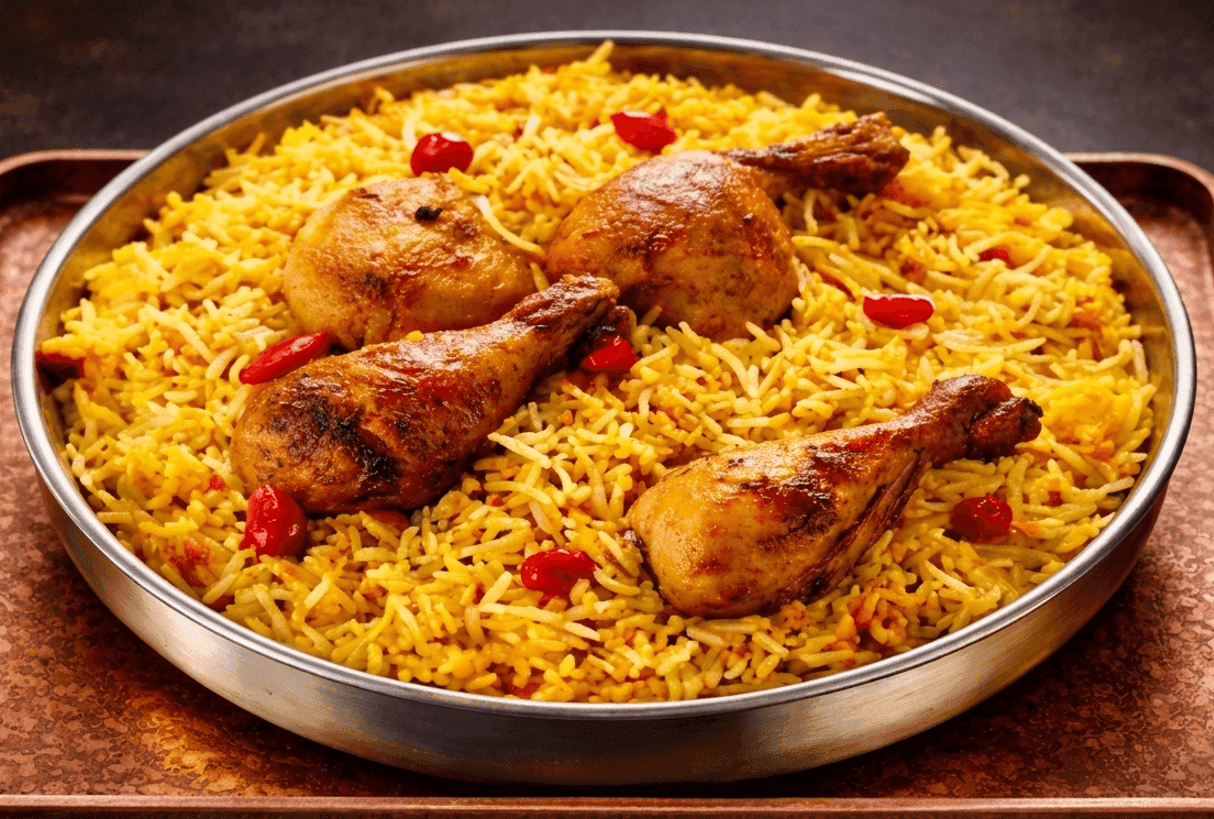
You know that moment at a wedding when the biryani pot is opened at the table and a cloud of saffron steam rises into the air? Every single person in the room goes quiet. That is the moment this recipe is built for.
This is Cook With Fem's Hyderabadi Chicken Dum Biryani. It follows the Pakki Akhni method, which means the chicken is fully cooked first in a thick, deeply spiced yogurt masala before the rice is ever added. There is no guesswork, no raw chicken surprises, and no soggy rice if you follow the steps.
What makes this version different from the hundred other biryani recipes online is one simple thing: it starts from scratch. You grind your own 13-spice powder, fry your own birista onions, and parboil your rice to the exact right stage. Every single one of these steps is easy. None of them are optional. And together they produce a biryani where every grain of rice is long, fluffy, and soaked in flavour with juicy, fall-off-the-bone chicken beneath it.
Whether you are cooking for Eid, a Sunday family lunch, or want to impress guests at a dinner party, this recipe does not let you down. Follow it once and you will never need another biryani recipe again.
Why This Recipe Works Better Than Others
You Make Your Own Spice Powder:
You make your own spice powder from 13 whole spices, dry roasted and ground fresh at home. When you roast and grind whole spices yourself, the natural oils inside them are released right at the moment of cooking. These oils are what carry flavour and aroma. No packet masala in any shop can match this because those oils evaporate within weeks of grinding. Making it fresh takes 10 minutes and changes the entire character of the biryani.
Chicken Is Fully Cooked First (Pakki Akhni):
The chicken is fully cooked before the rice goes anywhere near it. This means your masala is already thick, rich, and perfectly spiced before layering even begins. There is no risk of undercooked chicken, watery masala soaking into the rice, or flavour that got lost during dum. The Pakki Akhni method is more forgiving than raw-chicken methods and produces a deeper, more concentrated masala layer at the bottom of the pot.
Rice Cooked to the Exact Right Stage:
The rice is cooked to exactly 70% before it goes on top of the chicken, firm in the very center, soft on the outside. This specific stage is the single most important technical step in the whole recipe. Rice cooked to 70% will finish perfectly during dum and come out long, fluffy, and separate. Rice cooked to 80% or more will turn soft and clump together during dum. Under-cooked rice will stay raw in the middle. 70% is the target and it is non-negotiable.
Under the Pot Changes Everything:
A heavy iron griddle (tawa) is placed under the biryani pot during the slow dum cook. This spreads the flame out evenly under the whole base of the pot instead of concentrating it in the center. Without a tawa, the bottom center of the biryani burns while the edges stay undercooked. With it, every part of the base gets the same gentle heat. This single step eliminates the most common reason home biryani fails, the uneven heat distribution of a regular tawa.
Birista Used Twice for Double Depth:
Fried onions (birista) are used twice. Half are crushed and mixed directly into the chicken marinade, they dissolve into the masala and give it a rich, sweet, caramelized depth. The other half stay whole and crispy and are scattered over the rice before sealing for dum, they give each serving a layer of sweet crunch and golden colour on top. Most recipes use birista once. Using it twice at different stages is the shadi-kitchen technique that makes this biryani taste complete.
prep time
30 min
soak time
1h
marinate time
1h
cook time
1h
servings
8
Ingredients
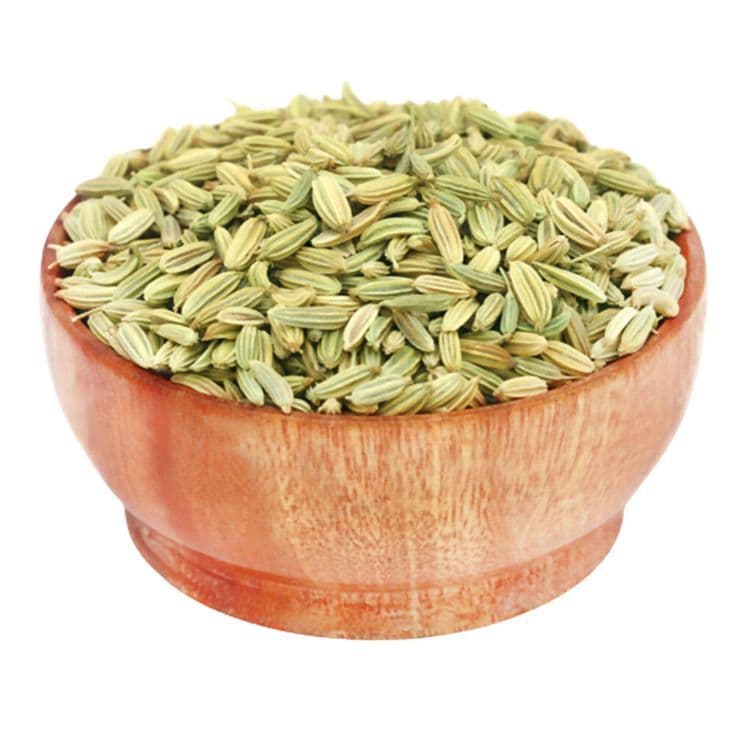 Fennel seeds1 tbsp
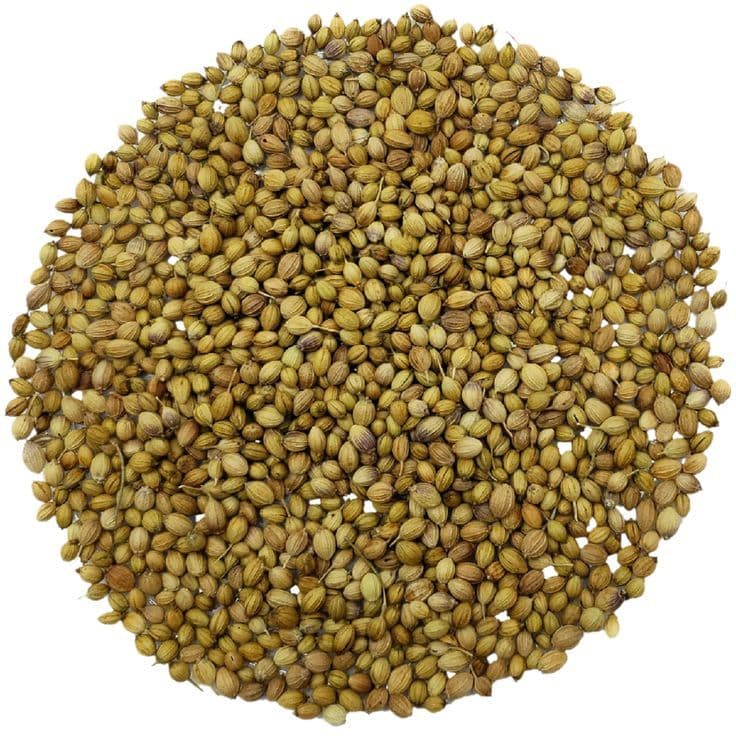 Coriander seeds3 tsp
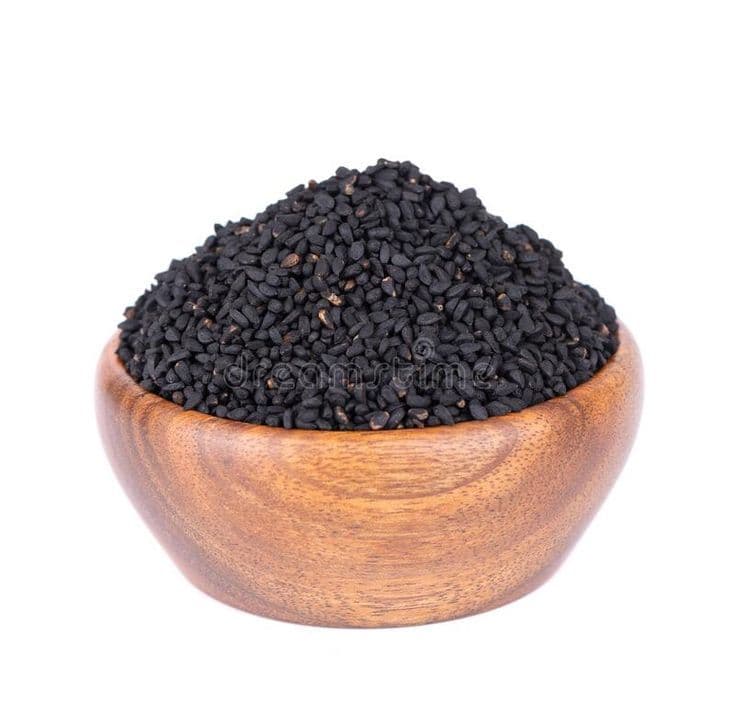 Black cumin seeds1.5 tsp
shahi zeera
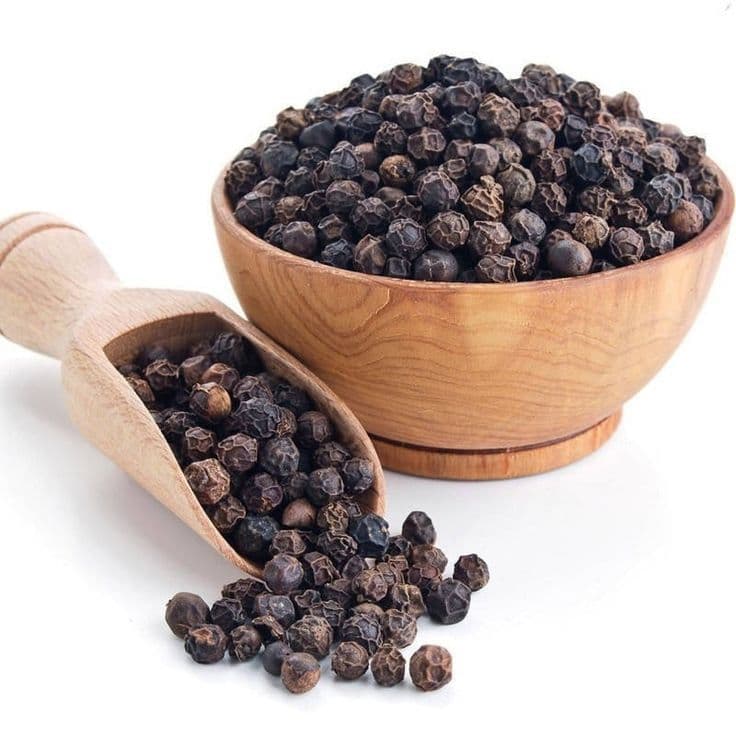 Black peppercorns2 tsp
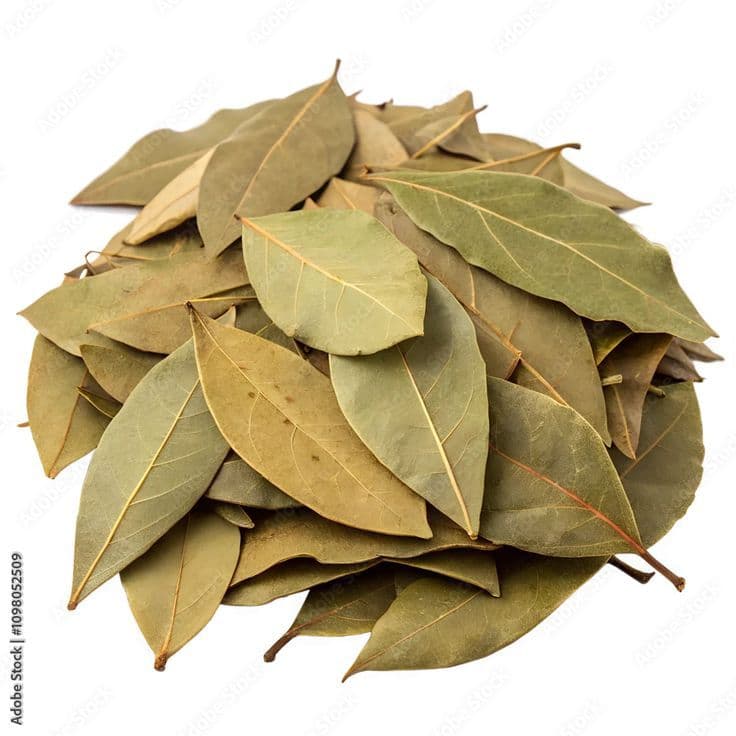 Bay leaves2 leaves
Method
MAKE YOUR SPICE POWDER
Put the following spices into a dry pan over low heat: coriander seeds (3 tsp), fennel seeds/saunf (1 tsp), caraway seeds/shahi zeera (1 tsp), black peppercorns (2 tsp), torn bay leaves (2 leaves), star anise (2 whole), green cardamom pods (12 pods), black cardamom pods (2 pods), cloves (20 whole), small cinnamon sticks (20 small pieces), nutmeg (1 small piece), and mace blades/javitri (half a blade). Stir them constantly for 2 to 3 minutes.
You will know they are ready when your kitchen starts to smell amazing and the spices look one shade darker than when you started.
Do not let them burn, use low heat only. Take the pan off the heat and spread the spices out on a plate to cool down completely before grinding.
Once cool, grind everything into a fine powder. Use 1 tsp for this recipe and store the rest in a small jar.
Chef's Tip:
Never grind hot spices. The steam from warm spices makes the powder go damp and clumpy. Give them a full 10 minutes to cool on the plate first. When you open the grinder, the smell that comes out should stop you in your tracks, that is exactly what is going into your biryani.
FRY THE ONIONS (BIRISTA)
Pour enough oil into a deep pan for proper deep frying and heat it over medium flame. Add your thinly sliced onions.
Fry them while stirring regularly for 18 to 25 minutes. They will slowly turn golden before deepening to a rich reddish-brown.
When they look very dark and have gone quite crispy, lift them out with a slotted spoon and lay them on a paper towel to drain.
Once they are cool and properly crispy, crush half of them into your chicken marinade. Keep the other half whole for later.
Chef's Tip:
The onions must be sliced paper-thin and every slice must be the same thickness, this is the only way they all cook evenly. Thick slices in the same pan as thin slices means some will burn while others are still soft. Take your time with the slicing. A mandoline slicer makes this much easier if you have one
MARINATE THE CHICKEN
Put the chicken pieces into a big bowl.
for marination use, ginger garlic paste (3 tbsp), your homemade spice powder (1 tsp), lemon juice (1 tbsp), cardamom powder (0.5 tsp), red chilli powder (1.5 tsp), turmeric powder (0.5 tsp), room temperature full-fat yogurt (300g), salt (to taste), crushed birista/fried onions (2 medium onions), chopped fresh mint leaves (1 small handful), chopped fresh coriander (1 small handful), crushed green chillis (1 tbsp), and ghee (1 tbsp).
Mix everything together with your hands until every single piece of chicken is covered evenly. Cover the bowl and leave it in the fridge. Minimum 1 hour. Overnight is even better.
Chef's Tip:
The yogurt in the marinade is doing two jobs at once. It is tenderizing the meat by gently breaking down the fibres, and it is carrying all the spice flavours deep into the chicken. A short 1-hour marinade gives you good biryani. An overnight marinade gives you biryani that people will talk about for days.
PARBOIL THE RICE TO 70%
Bring 3 to 4 litres of water to a hard boil in a large pot. Add salt until the water tastes properly salty, more salt than you think is needed.
Add the oil and all the whole spices: oil (1 tbsp), caraway seeds/shahi zeera (0.5 tsp), cinnamon sticks (5 pieces), green cardamom pods (3 pods), and cloves (4 whole).
Add your soaked and drained rice. Cook on high heat.
After 7 minutes, start testing by picking out one grain and pressing it between your fingers. You are looking for a grain that is soft on the outside but still has a tiny hard spot right in the very center. That is 70%. The moment you find it, drain all the rice immediately.
Chef's Tip:
Start testing at 7 minutes and test again every 90 seconds after that. The window between 70% and overcooked is very short. Over-boiled rice turns into mush during dum. Under-boiled rice stays raw and gritty. 70% is the only correct answer. Drain the moment you reach it, do not wait another minute.
COOK THE CHICKEN ALL THE WAY THROUGH
Tip the marinated chicken along with every drop of its marinade into a heavy pot.
Put it on medium-high heat. Cook for 20 to 25 minutes, stirring every few minutes.
You are watching for three things to happen: the chicken must be fully cooked with no pink inside, the yogurt must have dried up and almost disappeared, and you should see oil starting to collect and separate at the sides of the pot.
When the masala is thick, sticky, and coated around the chicken, you are done with this step.
Chef's Tip:
If the masala still looks wet and saucy after 25 minutes, turn the heat up and keep stirring until it dries down. This step is critical. Watery masala going into the layering stage is the number one reason biryani rice goes soft and soggy during dum. The masala must be thick enough to cling to the chicken before you add any rice.
BUILD THE LAYERS
Make sure the chicken and masala are spread flat and even across the whole base of the pot.
Check that there is no liquid pooling at the bottom, if there is, put it back on the heat for a few more minutes.
Now gently lay the 70% cooked rice on top of the chicken in one flat even layer.
Pour the saffron milk slowly across the surface of the rice.
Dot the ghee all over the top.
Scatter your remaining crispy whole birista across the rice, then the fresh mint and coriander.
If you are using kewra and rose water, add them now with a very light hand.
Chef's Tip:
When you are adding the kewra and rose water, use less than you think you need. One full teaspoon of each is the maximum. These are very powerful aromas and a heavy hand will make the biryani smell like perfume rather than food. A light touch gives a beautiful floral note in the background without taking over.
SEAL AND DUM COOK
To create a proper seal, either press a long rope of dough (made from flour and water) around the gap between the pot and lid, or lay a piece of foil over the pot before pressing the lid down hard.
Put the sealed pot on HIGH heat for exactly 5 minutes, this builds up the steam pressure inside. Then place a heavy iron griddle (tawa) flat on your lowest burner, set it to the absolute lowest flame, and put the pot on top of the griddle.
Dum cook for 20 to 25 minutes. Turn off the heat and do not open the lid for 10 more minutes.
Chef's Tip:
The 5-minute high-heat start is just as important as the slow low-heat finish. The high heat at the beginning creates the initial burst of steam that pushes up through the rice and starts the cooking process. Then the low heat and tawa take over to finish it gently without burning anything. Skip the high-heat start and your rice will steam unevenly from the top down.
OPEN, FOLD GENTLY AND SERVE
Break the seal and lift the lid at the table if you can, the first rush of saffron-scented steam rising from the pot is something every person in the room will remember.
Use a wide flat spatula to fold the layers together from the bottom up with a very gentle hand.
You are folding, not stirring, the goal is to mix the chicken and rice while keeping every grain of rice long and whole.
Serve immediately and hot with raita, mirchi ka salan, and sliced onions with lemon.
Chef's Tip:
Never stir biryani with a spoon or in circular motions. Basmati grains are long and delicate and they break easily once cooked. Use a flat wide spatula and do slow fold-and-lift movements from the base of the pot upward. Broken rice is the most visible sign of a biryani that was handled roughly at the last moment — and it is completely avoidable.
Secret Ingredient and Master Tip
Mace (Javitri) in the Spice Powder
Out of all 13 spices in the homemade powder, mace (javitri) is the one that most home cooks either skip or do not know about it, and it is the one that makes the biggest difference.
Mace is the thin lacy covering of the nutmeg shell and it has a flavour that sits between nutmeg and cinnamon but is lighter and more floral than both. In Hyderabadi biryani, it is the background note that makes experienced biryani eaters stop and ask 'what is that smell?' They can never name it, but they always notice when it is missing. Half a blade of mace per batch of spice powder is all it takes. Do not skip it.
Master Tip: Salt Your Boiling Water Like Pasta Water
The single most overlooked step in biryani is how much salt goes into the parboiling water. The water should taste noticeably salty before the rice goes in, like properly seasoned pasta water. Rice grains absorb salt only while they are cooking in water, once they are drained and sitting on top of the chicken masala, they will not absorb any more. Under-salted rice produces biryani where the masala is delicious but the rice itself tastes of nothing. Salt the water properly and every grain carries its own seasoning. This is the difference between a good biryani and a great one
Nutritions
Per Serving (350g)
People Also Ask
Pakki Akhni means the chicken is fully cooked first and then layered with rice. Kachi Akhni means raw marinated chicken goes under raw rice and everything cooks together during dum. This recipe uses Pakki Akhni because it is more reliable for home cooks, the masala is fully developed before the rice ever touches it, the chicken is definitely cooked through, and there is no risk of raw meat at the bottom of the pot. Kachi Akhni produces a slightly different, slightly lighter flavour but requires more experience to get right.
Almost certainly the rice is being cooked past 70% before dum. If the rice is already 80 to 90% done in the boiling water, it has nowhere to go during dum except overcooked. The other common cause is the chicken masala being too wet before layering, excess liquid keeps cooking the rice during dum and softens it. Two rules: stop the rice at 70% with a firm center, and make sure your masala is thick and oil-separated before you layer.
Yes, you can. But the biryani will taste noticeably different, flatter and more generic. Store-bought masala is pre-ground, often months old, and the volatile oils that carry flavour and aroma have already evaporated. If you must use it, reduce the quantity by 20% as commercial blends tend to be saltier and stronger. The homemade powder takes 10 minutes. It is worth it every single time.
Two steps together: First, the initial 5-minute high-heat phase must be followed immediately by moving the pot onto the lowest flame possible. Second, always place a heavy iron tawa or flat griddle between the gas flame and the pot. The tawa spreads the heat across the whole base of the pot instead of concentrating it in a hot spot in the center. Without a tawa on a gas stove, the center bottom will almost always scorch before the edges have finished cooking.
Yes. Saffron gives the biryani its golden colour streaks and a faint floral note, but it does not affect the main flavour of the masala or the rice. If you do not have it, dissolve a small pinch of turmeric in 3 tbsp of warm milk and use that instead for colour. Or simply leave it out entirely.