
Traditional Balti Gosht
Rakshanda
Chef
“Chef Rakshanda is a prominent culinary creator celebrated for her traditional Pakistani and fusion recipes. Through her digital platforms, she empowers home cooks with professional techniques for "restaurant-style" dishes. Her content is highly regarded for its clarity, aesthetic presentation, and expertise in mastering South Asian flavors like Biryani and Karahi”

Aarif
Food Journalist
Aarif is a devoted content writer at Regional Heritage Food (RHF), passionate about cooking and travel. He shares his culinary experiences and discoveries, inspiring others to explore new recipes and flavors.
Balti Gosht Recipe | Rich, Spicy & Slow-Cooked Goat Curry for Eid, Dawat & Special Occasions
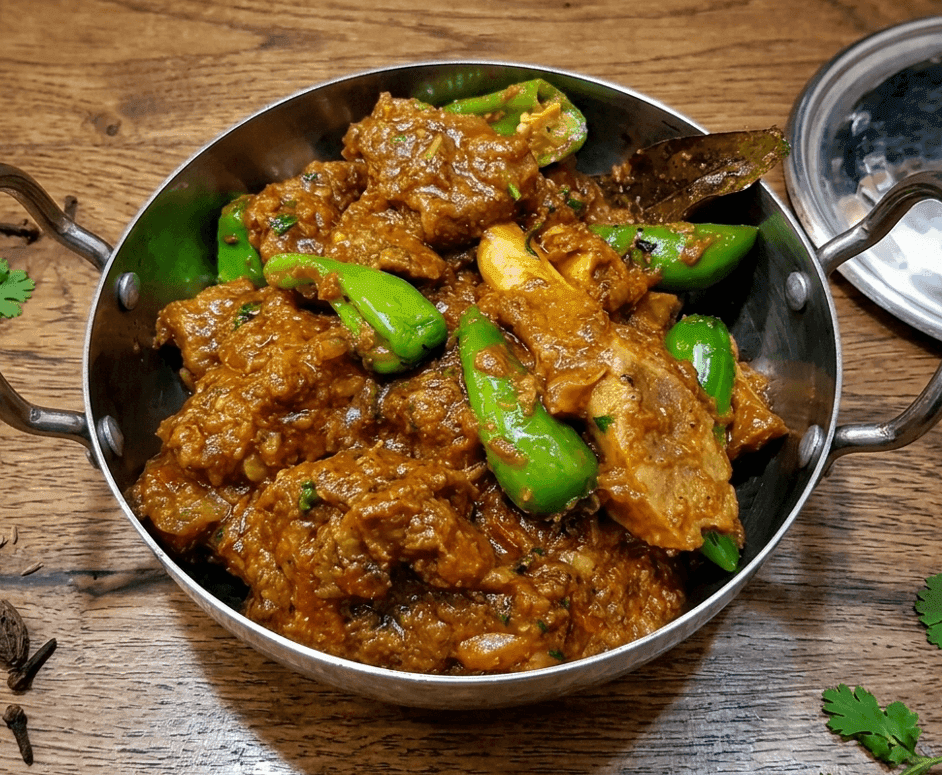
A dish so deeply rooted in the mountains of Baltistan that every bite carries the cold wind, the wood smoke, and the warmth of a family gathered around a single pot. Balti Gosht is not merely a curry, it is the living culinary identity of Baltistan, the high-altitude region in northern Pakistan where the Karakoram meets the sky. Cooked in a balti, a round-bottomed, flat-armed steel pot that is both cooking vessel and serving dish, this recipe seals in flavour through intense dry-frying before any liquid ever touches the meat.
The result is a deeply aromatic, spiced goat curry with a sauce that clings to every fibre of the meat, rich, tangy from yogurt, layered with hand-roasted spices, and finished with slit green chilies that perfume the dish without overwhelming it. This version by Rakshanda follows the traditional Baltistani method, down to the double-roasting of coriander and cumin and the late addition of beaten yogurt that gives the gravy its signature silken body.
Why This Recipe Works Better Than Other
Dry-Fry First, Liquid Later
The meat is fried until its own water fully evaporates before any tomato or yogurt is added. This Maillard-browning step creates deep savoury notes that wet-cooked methods never develop.
Double-Roasted Spice Finish
Coriander and cumin are roasted separately, ground fresh, and added twice — once mid-cook, once as a final garnish. This gives the dish two distinct spice registers in a single bite: integrated depth and fresh aroma simultaneously.
Beaten Yogurt Emulsifies the Gravy
Well-beaten yogurt added after the dry spices prevents splitting and creates a smooth, silken sauce that coats the meat rather than sitting as liquid beneath it.
Authentic Balti Spice Ratio
The exact ratio of whole black pepper, bay leaves, garam masala, and dual-form cumin mirrors traditional Baltistani practice — not a generic karahi or nihari blend adapted to taste.
prep time
20 min
marinate time
30 min
cook time
50 min
servings
3
Ingredients
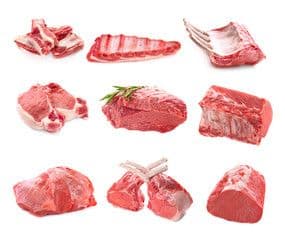 Goat meat500 g
bone-in, curry cut
 Oil0.5 cup
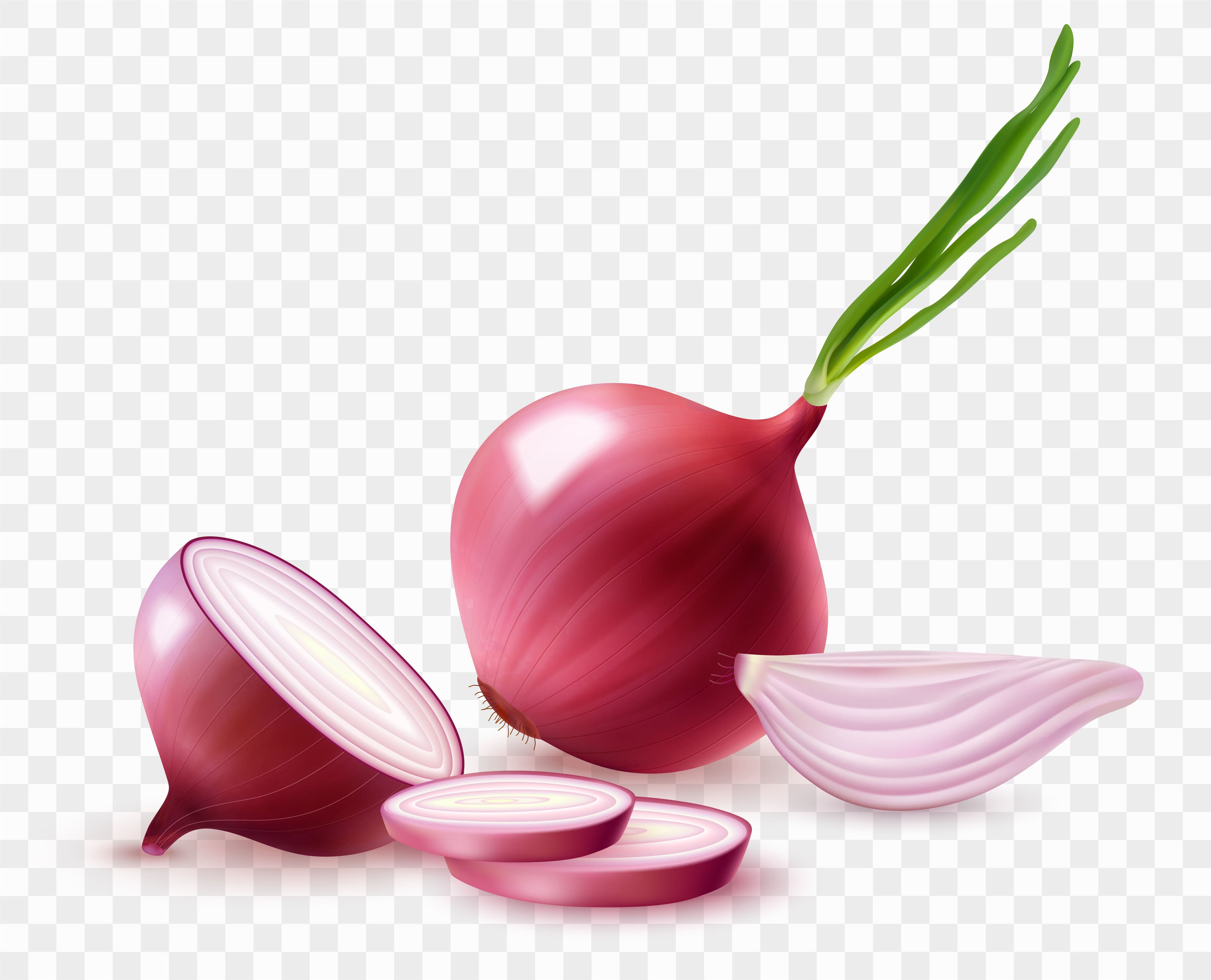 Onion2 pieces
medium, finely chopped
 Tomatoes2 pieces
medium, chopped
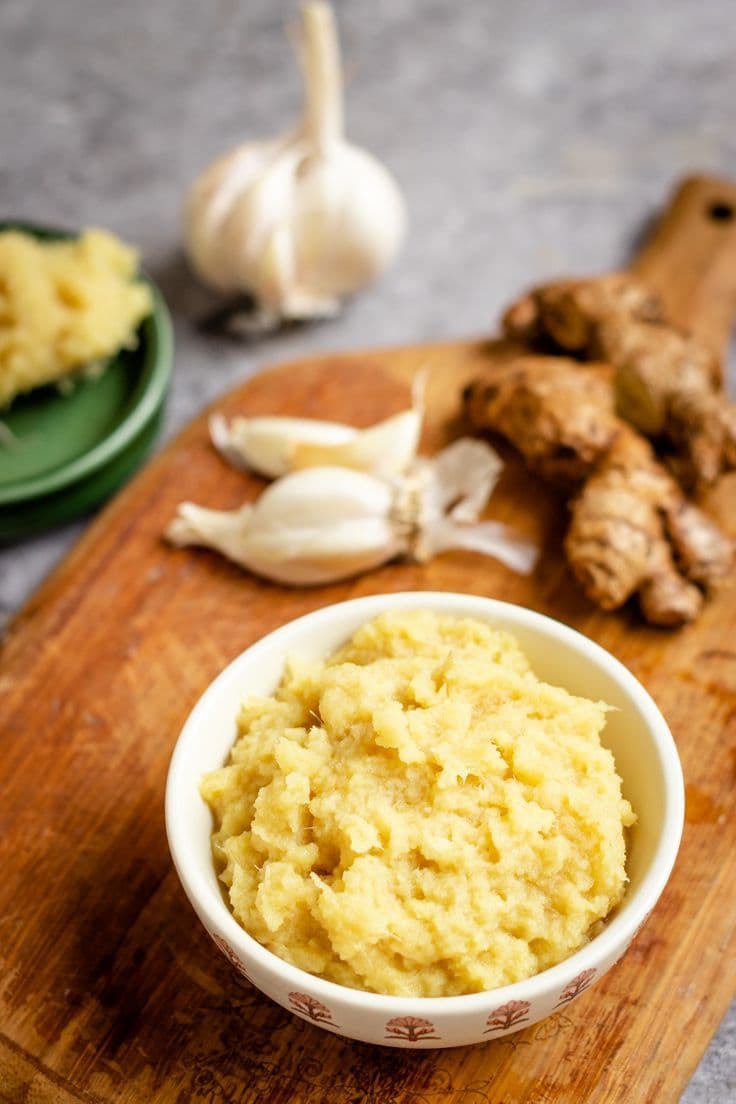 Ginger and garlic paste1 tbsp
Method
Roast the Whole Spices
In a dry frying pan over medium-low heat, toast cumin seeds and coriander seeds for 2-3 minutes until a nutty, fragrant aroma rises.
Remove from heat immediately, allow to cool, then grind to a coarse powder.
Set aside as your spice finish blend.
Chef's Tip:
Remove the pan from heat the moment the aroma rises. Residual heat continues toasting for 30 seconds. Overcooked cumin turns bitter and cannot be corrected, it will carry that bitterness through the entire dish.
Fry the Onions Until Light Pink
Heat 1/2 cup of cooking oil in a heavy-based pot or traditional balti pan over medium-high heat.
Add chopped onions along with bay leaves and whole black peppercorns. Fry, stirring regularly, until the onions turn light pink and begin to soften approximately 8-10 minutes.
Do not brown them.
Chef's Tip:
Light pink onions, not golden-brown, are the traditional base for Balti Gosht. Brown onions create a sweeter, darker curry. Pink onions dissolve into the sauce and provide body without sweetness, keeping the spice profile clean and sharp.
Seal the Meat with Aromatics
Add goat meat directly to the pink onions. Increase heat to high. Add ginger-garlic paste and ground green chili paste.
Fry vigorously, turning the meat frequently, for 10-12 minutes until all the meat's natural water has fully evaporated and the meat begins to catch slightly on the pan surface.
Chef's Tip:
This is the most critical step. Do not rush it or reduce the heat to stop spluttering. The meat must be completely dry before tomatoes are added. If liquid remains, the meat will steam rather than fry, and the finished curry will lack depth.
Add Tomatoes and Cook Down
Add the chopped tomatoes to the meat. Stir well to combine.
Cover the pan and cook over medium heat for 15 minutes, stirring twice, until the tomatoes have fully broken down and the oil begins to separate at the edges.
Chef's Tip:
Oil separation (the masala 'breaking') is your visual signal that the tomatoes are fully cooked. Do not add the dry spices until you see the oil floating at the edges.
Add the Dry Spices
Once oil separates, add red chili powder, garam masala, dry coriander powder, turmeric, ground black and white pepper, and salt.
Stir well to coat every piece of meat.
Fry the spiced meat over medium heat for 2-3 minutes to bloom the spices in the oil.
Chef's Tip:
Fry the spices with the meat for a full 2-3 minutes before adding the yogurt. Raw spice powders need direct contact with hot fat to release their oil-soluble aromatics. This bloom is the difference between spices that taste 'cooked in' versus powders that float on top.
Fold in the Beaten Yogurt
Beat the yogurt vigorously until completely smooth.
Remove the pan briefly from high heat and fold the yogurt into the meat mixture, stirring continuously.
Return to medium heat and stir constantly for 1-2 minutes until fully incorporated without splitting.
Chef's Tip:
Yogurt must be at room temperature when added. Cold yogurt added to very hot masala splits immediately into curds and whey, leaving a grainy sauce. Take the yogurt out of the refrigerator 20 minutes before cooking.
Cook Until Tender
Add 1.5 cups of water to the meat. Stir well.
Bring to a boil, then reduce heat to low, cover, and simmer for 30 minutes until the meat is completely tender and pulls easily from the bone.
Most of the water should have reduced into a thick, clinging sauce.
Chef's Tip:
Bone-in goat meat requires a full 30 minutes at a steady low simmer. If the water dries before the meat is tender, add 1/4 cup more water and continue. Do not increase the heat to speed up, fast boiling toughens goat meat significantly.
Final Spice Finish and Garnish
Once the sauce is thick, add 1 tablespoon of the freshly roasted and ground coriander-cumin blend.
Add the slit large green chilies and chopped fresh coriander.
Stir once gently, cover for 2 minutes to let the garnish steam into the curry, then serve immediately.
Chef's Tip:
The slit green chilies added here are a perfume garnish, not a heat element. The slit releases their bright, fresh aroma without releasing the full heat of the seeds. Use large, mild green chilies for the traditional effect.
Master Tip: The Double-Roast of Coriander and Cumin
Roasting the seeds before grinding releases volatile oils in a way that pre-ground commercial spice powders cannot replicate. The secret is to use the freshly roasted blend in two applications: once added mid-cook with the other spices, and once added as a final garnish in the last 2 minutes. The first addition integrates into the gravy. The second sits on the surface and greets the nose before the first bite. This double-hit gives Balti Gosht its signature aroma that distinguishes it from any generic mutton curry.
Nutritions
Per Serving (~200g)
People Also Ask
Yes. Mutton (older sheep) is the most common substitute and produces an equally rich result. Increase the cook time to 40-45 minutes as mutton is slightly tougher. Beef (brisket or chuck) works well but changes the flavour character; allow 50-60 minutes of braising. Goat is traditional and preferred for its lower fat content and cleaner flavour in a spice-forward curry.
A heavy-based wok, a cast iron skillet, or any deep saute pan with a lid works well. The traditional round-bottomed balti concentrates heat at the base. Replicate this by using medium-high heat at the centre of a flat-bottomed wok and keeping the meat away from the cooler rim during the initial frying stage.
Two causes: the meat was not dried fully before tomatoes were added (residual meat water thins the base), or the final braise was not reduced sufficiently. If the sauce is thin after 30 minutes, remove the lid and cook on medium heat for a further 5-10 minutes to evaporate excess liquid. The finished sauce should coat the back of a spoon.
Yes, it improves with time. Refrigerate in an airtight container for up to 3 days. When reheating, add 2-3 tablespoons of water and warm on low heat. Add the fresh coriander garnish only after reheating, never before storing, as it turns bitter overnight.