
Mutton Rosh

Samiullah
Chef
“Samiullah is a KPK-based food content creator who runs Samiullah Food Secrets on YouTube, documenting traditional Pashtun and Afghan recipes, including rosh, sajji, and namkeen gosht in their most authentic, unfiltered, open-fire form directly from the source region.”
Aarif
Food Journalist
Aarif is a devoted content writer at Regional Heritage Food (RHF), passionate about cooking and travel. He shares his culinary experiences and discoveries, inspiring others to explore new recipes and flavors.
From the Fire Pits of Peshawar and Quetta | The True Origin of Rosh
Rosh also written roosh is not a recipe invented in a kitchen. It was developed over centuries by the nomadic Pashtun and Balochi tribes of the Hindu Kush and Sulaiman mountain ranges who needed to cook large quantities of slaughtered lamb or goat with nothing more than salt, an iron pot, an open fire, and the animal's own rendered fat.
In Khyber Pakhtunkhwa particularly Peshawar, the Lalchapur area, and the Shinwari tribal belt, rosh is known as namkeen gosht, meaning salty meat. In Balochistan, from Quetta to Kuchlack and the Afghan border towns, it is simply called rosh or roosh. The dish shares the same philosophy across both regions, with one defining regional difference: the Peshawari version adds potatoes to the pot; the Balochi version does not.
Samiullah of Samiullah Food Secrets documents this dish in the only way that captures its true form, on location, over open fire, in the tribal cooking vessels that have been used for generations, with the same three-ingredient formula Pashtun households have used for Eid ul Adha, weddings, and winter gatherings for centuries.
Why This Recipe Works Better Than Others
The Charbi-First Principle
Every authentic rosh recipe whether from Peshawar, Quetta, Kuchlack, or Kandahar begins by rendering the animal's own fat (charbi) at the base of the pot before the meat is added. The charbi creates a natural, flavour-saturated cooking medium that no added oil or ghee can replicate. It also forms a non-stick base layer that prevents the meat from scorching during the initial phase before the meat's own moisture is released. Recipes that skip charbi and substitute cooking oil produce a fundamentally different, lighter dish.
The Sealed Pot: Dum-Pukht Technique
Sealing the pot lid with a ring of wheat-flour dough creates a completely pressurised, self-basting environment inside the pot. As the meat heats, it releases moisture that turns to steam with nowhere to escape. That steam re-condenses continuously onto the meat, keeping it perpetually moist and infusing the whole pot with the concentrated aroma of the whole spices and ginger. Any recipe using a regular loose lid cannot replicate this slow, moisture-retaining environment. The dum seal is why rosh meat is simultaneously falling off the bone and not at all dry.
Minimal Spices: Let the Meat Speak
The entire philosophy of rosh is expressed in its spice list: salt, whole ginger, whole garlic, whole black peppercorns, and whole green chillies at the end. That is all. No turmeric, no coriander powder, no garam masala, no red chilli powder. The name Namkeen Gosht literally means salty meat and that name is the recipe. Every additional spice competes with and eventually masks the flavour of high-quality bone-in mutton. Samiullah preserves this minimalism exactly as tribal tradition demands.
Whole Vegetables Added at the Very End
Tomatoes, onions, and potatoes (Peshawari version) are placed in the pot as whole or halved pieces only after the meat has already cooked sealed for 1.5 to 2 hours. Adding them at the end means they steam-cook gently in the already-rich meat-infused liquid for the final 30 minutes, softening fully while releasing their own flavour into the shorba without making the gravy heavy or masala-like. The whole green chillies go in last, purely for their fragrance.
prep time
15 min
cook time
2h 30m
Servings
4
Ingredients
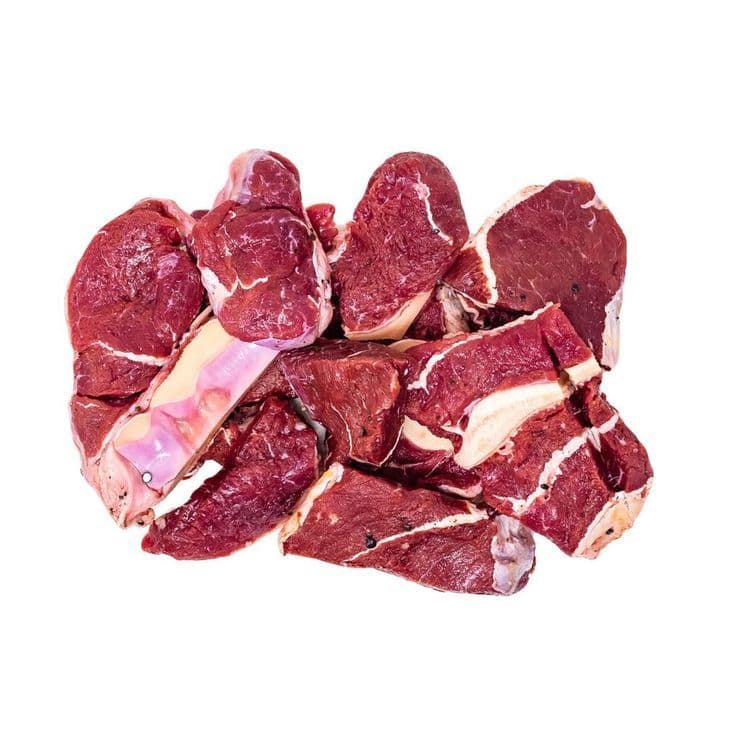 Bone-in mutton1 kg
shoulder or ribs, large pieces
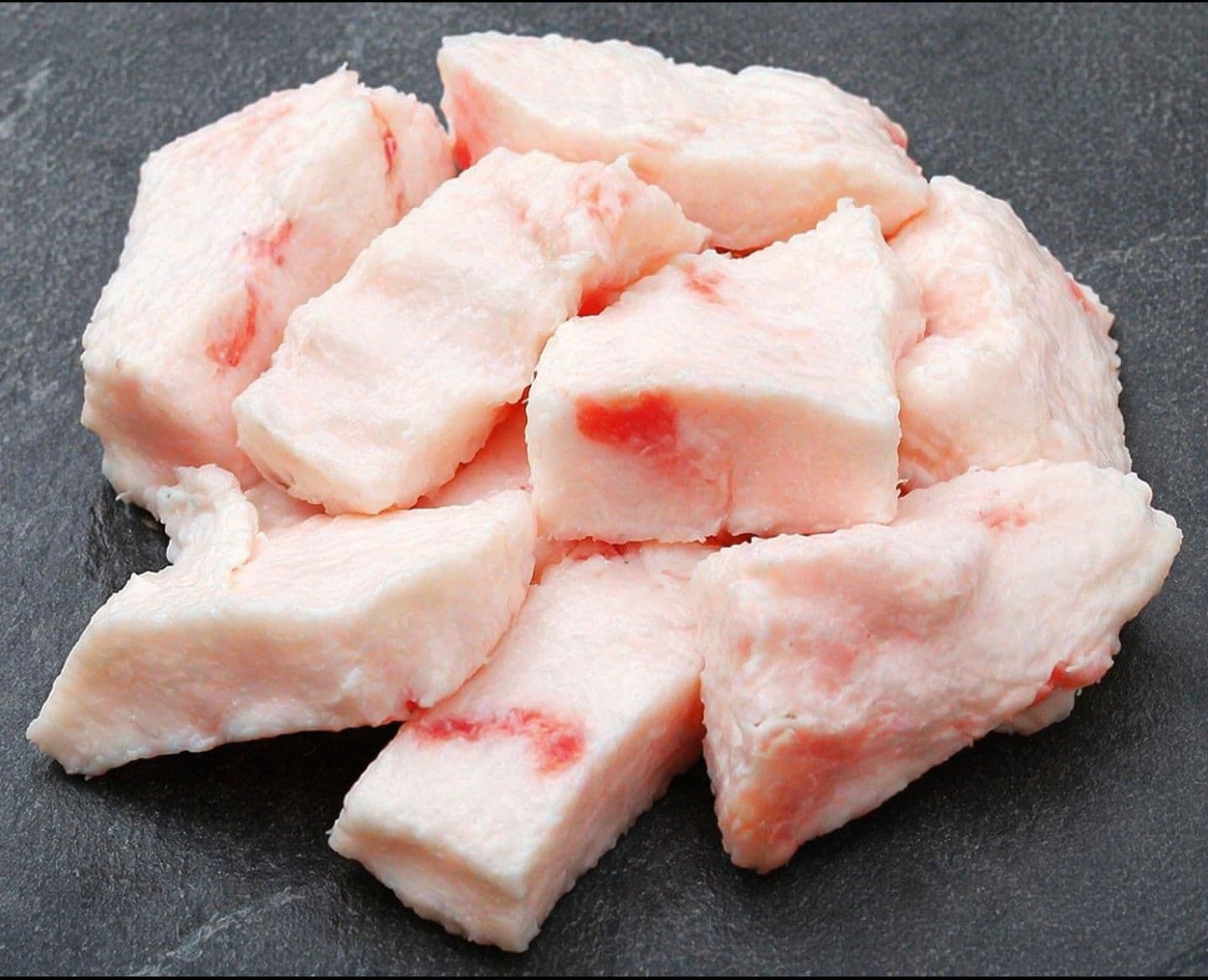 Mutton fat (charbi)100 g
roughly chopped
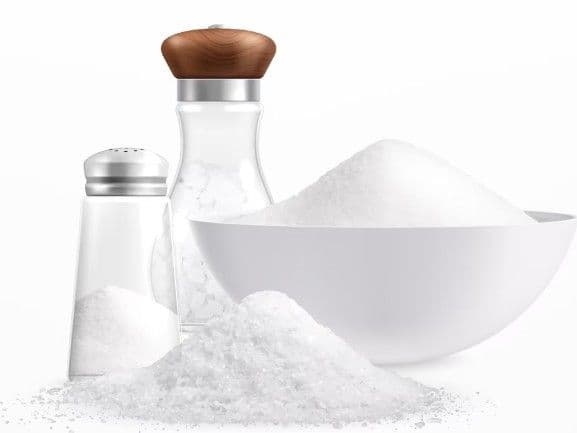 Salt1.5 tsp
rubbed into meat
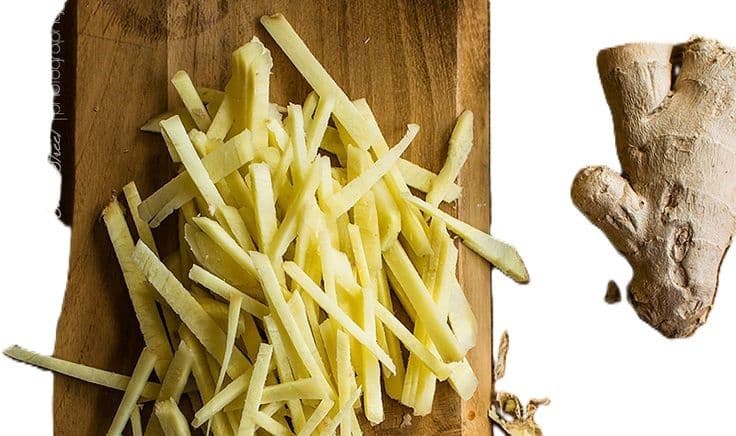 Ginger1 piece
Fresh ginger, 1 large piece (3-inch), whole unsliced
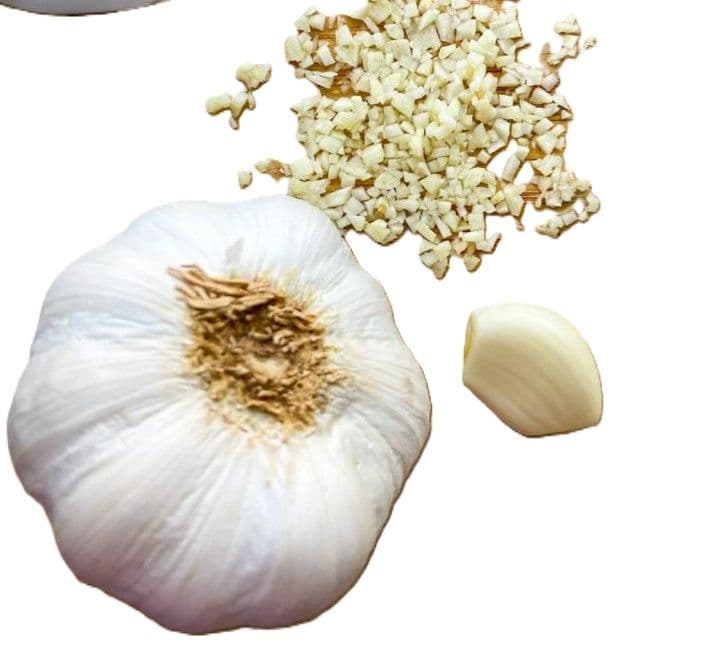 Garlic1 whole
full head, unpeeled
Method
Salt The Meat And Prepare The Charbi
Wash 1 kg of bone-in mutton pieces thoroughly in cold water. Pat dry with a clean cloth.
Rub 1.5 tsp of salt evenly over all surfaces of every piece. Cover and rest for 15 to 20 minutes.
The salt begins drawing moisture from the meat, which will become the base liquid inside the sealed pot.
Chop 80 to 100 g of mutton fat (charbi) into rough 2 cm pieces.
If your mutton pieces already carry thick visible fat layers, reduce the additional charbi accordingly.
Place the chopped charbi at the base of a heavy-bottomed iron deg or clay handi.
Do not add any oil or ghee. The rendered charbi is the only fat this recipe needs or uses.
Chef's Tip:
The charbi is the soul of rosh. When rendered at the base of the pot over medium heat for 3 to 4 minutes before the meat is added, it releases its fat and coats the base with a rich, mutton-flavoured cooking medium that no refined cooking oil can replicate. Any recipe substituting vegetable oil for charbi loses the deep, intensely meaty character that defines authentic rosh. Ask your butcher for charbi separately when buying mutton.
Layer The Meat And Whole Aromatics
Once the charbi has started to render and melt slightly, arrange the salted mutton pieces over the fat layer in a tight single layer. Do not stir.
Push 1 whole unsliced piece of fresh ginger, all the unpeeled garlic cloves, and 1 tsp whole black peppercorns directly between and around the meat pieces.
Add 200 ml of warm water around the edges of the pot, not directly over the meat.
This provides the initial steam that will begin the dum process inside the sealed environment.
Do not add the tomatoes, onions, potatoes, or green chillies at this stage.
They go in after 90 minutes. Adding them now would create a watery gravy and defeat the purpose of the slow dum cook.
Chef's Tip:
Use whole ginger and whole garlic, never use paste. Ginger and garlic paste are designed for masala-based curries where they are cooked into a bhunai base. In rosh, whole ginger and whole garlic release their flavour slowly over 2 hours of low-heat steaming, contributing warmth and aroma without making the shorba sharp or pungent. The whole ginger piece is removed before serving; the garlic cloves soften completely and dissolve naturally into the gravy.
Seal The Pot And Begin The Dum
Mix 100 g of plain wheat flour with enough water to form a firm, pliable dough, firmer than roti dough. Roll into a long rope.
Place the pot lid on top of the pot. Press the dough rope firmly around the full joint between the pot rim and the lid, sealing it completely with no gaps. Press firmly with your fingers all the way around the circumference.
If your pot has no well-fitting lid, use heavy-duty foil pressed tightly over the mouth of the pot, then place a flat heavy tawa on top to weigh it down, then apply the dough seal around the edge.
Place the sealed pot over medium-high flame for the first 5 minutes to bring the liquid inside to a boil. Then reduce to the absolute lowest possible flame.
The meat will now cook undisturbed for 90 minutes. Do not lift the lid.
Chef's Tip:
The dough seal is not decorative, it is structurally essential. Once applied, do not be tempted to break it early to check the meat. Every time you unseal the pot you release the accumulated steam pressure built over an hour or more and the cooking environment is reset. Trust the process. After 90 minutes on very low flame, the meat will be 70 to 80 percent cooked, and the remaining steam from the vegetable stage will finish it perfectly.
Add Vegetables And Finish The Dum
After 90 minutes on low flame, carefully break the dough seal. The pot will release a rush of intensely aromatic steam, concentrated essence of mutton and black pepper. This aroma is your confirmation the process has worked correctly.
Remove the whole ginger piece. Check the meat, it should be partially tender but not yet fully falling off the bone.
Add the halved potatoes, halved tomatoes, and halved onion directly on top of the meat. Do not stir. Add 100 to 150 ml of warm water only if the pot appears dry.
Apply a fresh dough seal and return to low flame for a further 30 to 40 minutes.
In the final 10 minutes, unseal briefly and add the whole green chillies. Re-seal and continue for the last 10 minutes so the chillies release their fragrance into the steam without turning bitter.
Chef's Tip:
The potatoes are the signature of Peshawari rosh and the clearest distinction from the Balochi version. They must go in at this second stage, not at the start so they cook in the concentrated mutton shorba for exactly 30 to 40 minutes. Added too early they disintegrate and make the gravy starchy. Added at this stage they emerge fully cooked, infused with mutton flavour throughout, and structurally intact. In Peshawar, rosh with these potatoes is considered a complete meal requiring no bread or rice alongside.
Rest, Check And Serve
Remove from heat. Do not open immediately. Allow the sealed pot to rest for 10 minutes off the flame, the residual steam continues cooking the green chillies and the flavours re-equilibrate in the sealed environment.
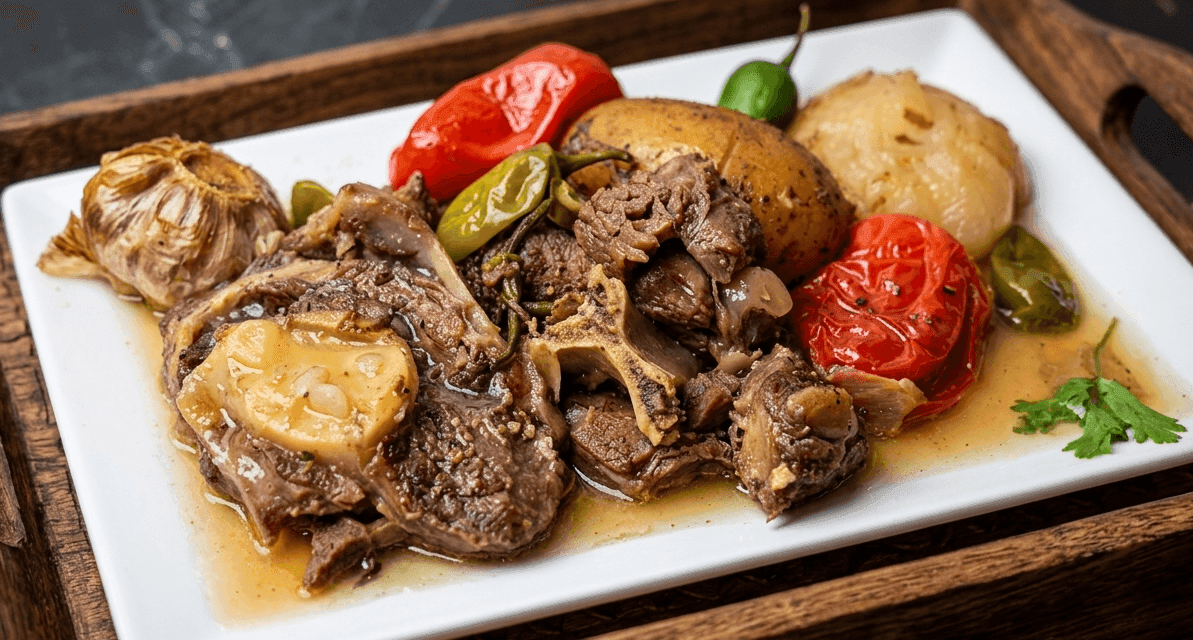
Break the seal and open. The meat should be falling off the bone. The shorba should be a rich, clear, amber-coloured liquid, not thick like a curry gravy, but not thin like plain water either.
If the shorba appears too thin, return to medium heat uncovered for 5 minutes to reduce slightly. Taste and adjust salt, this is the only opportunity to correct seasoning.
Serve directly from the pot or transfer to a pre-warmed copper or clay serving dish. Garnish with freshly torn coriander and thin ginger julienne. Serve with hot tandoori naan, fresh onion rings, a wedge of lime, and chilled lassi.
Chef's Tip:
The traditional Peshawari way to serve rosh is to pour the shorba into small cups first as a hot meat broth, then serve the meat and potatoes separately on a large platter. The shorba drunk at the start warms the stomach and prepares the palate. In the Lalchapur area of Peshawar where this style is most famous, rosh is served alongside chana daal and fresh french fries, a combination that sounds unusual but has been the standard Peshawari rosh thali for generations.
Three Ingredients One Tradition
The Rosh is built on one principle: Charbi at the base, meat on top, salt and ginger, sealed pot, low fire. The moment you add turmeric, or garam masala, or substitute oil for charbi, or use a pressure cooker instead of a sealed deg, you are no longer making rosh. You are making a masala mutton curry that happens to use fewer spices. Rosh is defined by what it does not contain as much as by what it does.
For the strictest Balochi version (Quetta-style rosh) remove the potatoes and do not add them at any stage. Use lamb instead of goat if available. Cook on the lowest possible flame for 2.5 hours without opening the pot until the full cook time is complete. The resulting shorba will be clearer, purer, and even more intensely meaty than the Peshawari version. Both are correct. Both are authentic. They are two regional expressions of the same ancient dum-pukht tradition that predates the borders of modern Pakistan entirely.
Nutritions
Per Serving (~280 g)
People Also Ask
The Peshawari version adds potatoes to the pot alongside the meat in the second stage. Balochi rosh does not use potatoes at all. Both use the same sealed dum-pukht method, the same charbi-first approach, the same whole ginger, garlic, and black pepper aromatics, and the same salt-only seasoning. The difference is geographical rather than philosophical, the potato addition is a KPK characteristic reflecting the region's agricultural production rather than any difference in cooking technique or flavour approach.
Technically yes, but the result will be a different dish. If charbi is unavailable, use 2 tbsp of desi ghee as the closest substitute in flavour and fat composition. Refined cooking oil is the last resort and produces the lightest, least authentic result. The charbi is important not just for fat but for flavour: the rendered fat of the animal being cooked contains fat-soluble flavour compounds specific to that animal that no separate fat source can replicate.
Two most common reasons. First, the pot was not properly sealed and steam escaped during cooking, so flavours were not concentrated inside. Second, the flame was too high, which boiled the liquid aggressively instead of steaming it gently. Rosh requires the most patient, lowest possible flame you can achieve. If your stovetop minimum is still too high, place the pot on a flat tawa as a heat diffuser between the flame and the pot base.
Bone-in shoulder is the first choice, followed by ribs (chaamp) and neck pieces. The shoulder contains the most collagen relative to muscle mass, and the slow 2.5-hour cook dissolves that collagen into the shorba, giving it the silky, lip-coating body that distinguishes great rosh from plain boiled mutton. Boneless mutton is the least suitable as it lacks the marrow and collagen of bone-in cuts and produces a thin, watery shorba.