
Mutton Karahi

Kawish
Chef
“Kawish is a passionate home chef and content creator, known for sharing simple, delicious recipes on his YouTube channel “Cook With Kawish.” His approachable style inspires food lovers to cook and experiment in their own kitchens.”

Aarif
Food Journalist
Aarif is a devoted content writer at Regional Heritage Food (RHF), passionate about cooking and travel. He shares his culinary experiences and discoveries, inspiring others to explore new recipes and flavors.
Authentic Mutton Karahi Recipe | Pakistani Highway-Style Bhunai, Bold Spices & Slow-Cooked Tenderness
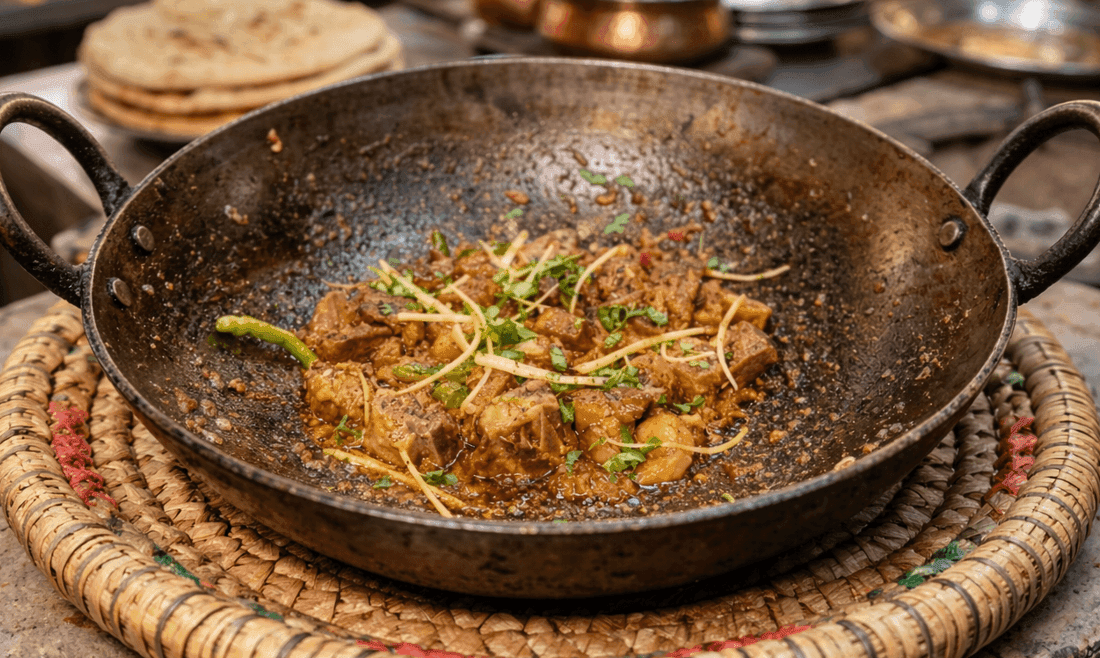
Mutton Karahi Gosht is more than a recipe. It is the dish that defines the identity of Pakistan's dhabas, highway eateries, and family celebrations alike. Chef Kawish's version has won a devoted following not because of fancy ingredients, but because of an uncompromising adherence to technique: the high-flame bhunai that creates deep umami, the whole-tomato steaming-and-peeling method that gives the masala its velvety body, and the final touch of coal smoke that separates a home cook from a street-food legend.
Whether you're cooking for Eid, a Sunday family gathering, or simply craving the real thing, follow this recipe faithfully and you'll have a karahi that holds its own against anything coming out of Lahore's most legendary dhabas.
Why This Recipe Works Better Than Others
Dual-Technique Method:
Pre-cooking in pressure cooker, then finishing in the karahi gives you meltingly tender meat and the caramelized, smoky crust that oven or slow-cooker methods can never achieve.
Whole-Tomato Bhunai:
Unlike recipes that blend or puree tomatoes beforehand, this method places whole halved tomatoes into the hot karahi, steams them until skins blister, then removes the skins by hand. This preserves the natural pectin structure of the tomatoes, creating a thicker, glossier, more restaurant-authentic masala.
Hand-Crushed Black Pepper:
Kawish insists on coarsely crushing whole black peppercorns by hand at the time of cooking. Freshly fractured peppercorn releases volatile oils that dissipate within hours of grinding. This single step is what gives his karahi that punchy, layered heat.
prep time
20 min
cook time
1h 5m
total time
1h 25m
servings
4
Ingredients
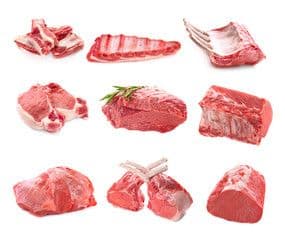 Mutton1 kg
Mutton with bone, shoulder or chop cut preferred for best fat-to-meat ratio
 Ghee4 tbsp
essential for authentic flavour and final touch
 Cooking oil3 tbsp
combined with ghee for the bhunai
 Ginger paste1 tbsp
fresh
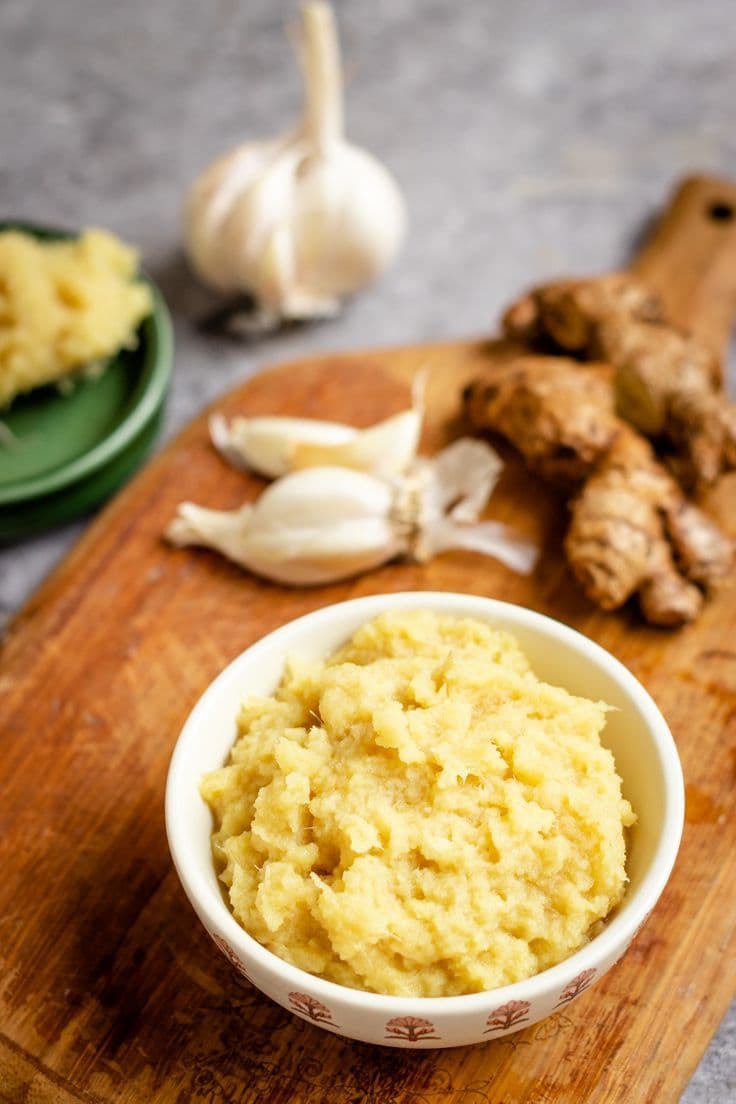 Garlic Paste1 tbsp
fresh
Method
MARINATE & PRE-COOK THE MUTTON
Wash and pat dry the mutton. Add to a pressure cooker with 1 tbsp ginger and garlic paste, 1 tsp salt, and 1.5 cups water. Pressure cook on high for 25-30 minutes until the meat is about 80% tender (still has some resistance). Drain and RESERVE the stock, you will use this later.
Chef's Tip:
Do not fully cook the meat in the pressure cooker. 80% done is the target. Over-softened meat will fall apart during bhunai and lose that essential 'bite'.
HIGH-HEAT BHUNAI
Heat ghee and oil together in a heavy karahi or cast iron wok on HIGH flame until smoking hot. Add the pre-cooked mutton pieces in a single layer. Bhuno (stir-fry aggressively) for 8-10 minutes, scraping and turning constantly, until each piece develops a golden, slightly caramelized exterior. Do not rush this step. Do not cover.
Chef's Tip:
The Maillard reaction happening in this step creates the deep, complex flavour that no amount of extra spice can replicate. If the karahi is not smoking hot when you add the meat, you are steaming, not bhunoing. Turn up the heat.
ADD GINGER-GARLIC AND DRY SPICES
Add remaining 1 tbsp ginger and garlic paste directly onto the sizzling meat. Immediately add cumin seeds, red chilli powder, coriander powder, and remaining salt. Stir vigorously on high flame for 3-4 minutes. The paste will stick initially, this is good. Keep stirring until the raw ginger-garlic smell disappears and spices coat every piece of meat.
Chef's Tip:
If the spices start to catch and burn, add a tiny splash (2-3 tbsp only) of the reserved stock. Never add too much water at this stage or you will lose the dry, concentrated masala.
STEAM, PEEL & MASH TOMATOES
Place the tomatoes cut-side down around and between the meat. Cover tightly and reduce heat to medium-low. Cook for 12-15 minutes until the skins blister and peel away easily. Uncover, remove all skins by hand using tongs. Using a spoon or masher, crush the tomatoes into the meat until they meld into a thick, glossy sauce.
Chef's Tip:
Do not skip the skin removal. Tomato skins add a bitter, chewy texture that ruins the masala. This step is the single biggest difference between home-cook karahi and restaurant karahi. Chef Kawish is meticulous about this.
FINAL BHUNAI WITH WHOLE SPICES & CHILIES
Return heat to HIGH. Add freshly crushed black peppercorns, roasted crushed coriander seeds, and slit green chilies. Bhuno everything vigorously together for 5-7 minutes until the oil visibly separates from the masala and rises to the surface, and the masala turns glossy and thick. Add small splashes of reserved stock only if absolutely needed to prevent burning.
Chef's Tip:
Oil separating from the masala (called 'tarka chorna' in Urdu) is not a flaw — it is the visual cue that tells you the bhunai is complete. If you don't see oil pooling at the edges, keep cooking. This step cannot be rushed.
COAL SMOKE FINISH (KOYLA METHOD)
Turn off the heat. Take a small piece of coal, hold it with tongs directly over a gas flame until it glows red-orange. Place a small piece of aluminium foil cup in the center of the karahi on top of the meat. Set the lit coal on the foil. Drop 1 tsp ghee onto the coal, it will immediately smoke. Cover the karahi tightly for exactly 2 minutes. Remove coal, discard foil.
Chef's Tip:
Use hardwood charcoal, not briquettes. The coal must be red-hot and genuinely smoking for this to work. If using a coal without a gas flame, a kitchen torch works too. This is the step that makes guests ask 'which restaurant did you get this from?'
Storage & Reheating
Refrigerator Storage:
Allow karahi to cool completely before transferring to an airtight container. Store in the refrigerator for up to 3 days. The masala will thicken considerably upon chilling this is normal. The spices will meld overnight and the karahi often tastes even better on Day 2.
Freezing:
Karahi can be frozen for up to 2 months in a freezer-safe container. Note that fresh coriander and lemon garnish do not freeze well, add these fresh upon reheating. The meat may lose some texture but remains fully edible.
Reheating (Stovetop Preferred):
Transfer to a karahi or non-stick pan. Add 2-3 tbsp water or reserved stock. Heat on medium-low, covered, for 5-7 minutes. Finish on high for 1-2 minutes to restore the bhunai texture. Do NOT microwave karahi, it makes the meat rubbery and the masala splits.
Do Not:
Do not reheat more than once. Do not add water generously during reheating, a small splash is enough. Do not add fresh garnish until just before serving.
Nutritions
per serving 250 g
People Also Ask
Yes. Add the mutton to the karahi with 2 cups of water, cover tightly, and cook on medium-low heat for 60-75 minutes until 80% tender before beginning the bhunai. This is actually the more traditional method, the pressure cooker is simply a time saving shortcut.
Authentic Pakistani highway-style karahi has never used onions in the masala. Onions were added by restaurants to reduce cost (tomatoes are more expensive) and to create more gravy. Without onions, the tomato-ginger-garlic flavour is cleaner, more concentrated, and truer to the original. Chef Kawish is strict about this. If you insist on onions, you are making a wonderful curry, but a different dish.
Bone in pieces are non-negotiable for flavour, the marrow and collagen released from bones create the richness that boneless karahi simply cannot replicate. Shoulder (raan ke saath) and chops (chaap) are ideal. Ask your butcher for 'karahi cut' pieces roughly 2-3 inches, balanced between meat and bone. Avoid leg pieces alone as they have less fat marbling.
Three possible reasons: (1) Your flame is too low, karahi must be cooked on HIGH heat throughout the bhunai phases. (2) You added too much water or stock during cooking, excess liquid prevents oil separation. (3) You used low-fat tomatoes underripe or watery tomatoes have less natural pectin and release more water. Solution: increase heat, be patient, and use ripe, fleshy tomatoes.
Yes. Lamb is milder, more tender, and more widely available outside Pakistan. Reduce pressure cooker time to 15-18 minutes as lamb cooks faster. The karahi will be slightly less gamey and rich, but equally delicious. Note: lamb has a different fat composition, the masala may not be as thick. You may need slightly more tomatoes to compensate.
No, but it is highly recommended if you want restaurant-level results. The Koyla (coal) method takes 3 minutes total and the difference is remarkable. Hardwood charcoal only, never use briquettes (which contain chemicals). If coal is not available, a small piece of wood char or a smoking gun with wood chips can be used as a substitute.