
Mutton Bhuna Gosht

Spice Eats
Chef
“Sushanta and Bebonika are the husband-and-wife duo behind Spice Eats, a popular digital culinary brand. They are celebrated for providing high-quality, easy-to-follow Indian recipes with a focus on authentic flavors and techniques.”

Aarif
Food Journalist
Aarif is a devoted content writer at Regional Heritage Food (RHF), passionate about cooking and travel. He shares his culinary experiences and discoveries, inspiring others to explore new recipes and flavors.
Slow-Roasted Mutton in a Fresh-Ground Eight-Spice Bhuna Masala
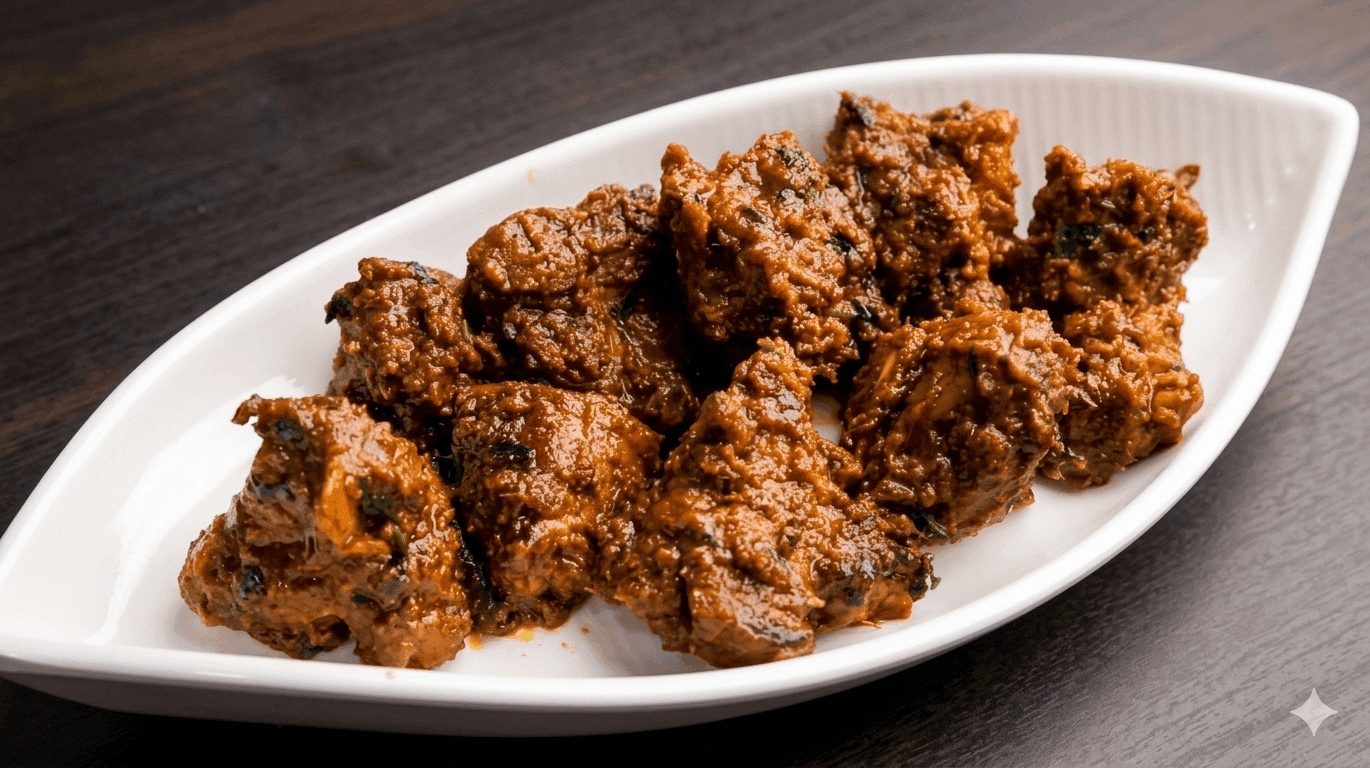
In Urdu, bhuna means roasted, not in an oven, and not submerged in liquid, but in the specific North Indian and Pakistani tradition of cooking meat and spices together over medium heat with the bare minimum of water, just enough to prevent burning, never enough to stew. The result is a dish where the masala is not a sauce poured over the meat but a coat that has been worked into it, splash by splash, stir by stir, until the oil separates cleanly and the meat is bronzed and deeply aromatic to the bone.
Spice Eats' Bhuna Gosht is built around a hand-ground bhuna masala, eight whole spices dry-roasted together on low heat for three minutes, cooled completely, and ground to a fine powder. This fresh masala is the dish's engine. The golden onions, the ginger-garlic paste, the whisked yogurt, and the Kashmiri chilli all exist to carry it into the meat.
Why This Recipe Works Better Than Others
Fresh-Ground Bhuna Masala
Eight whole spices are dry-roasted together so their volatile oils activate at the same time, then ground into a single unified powder. Pre-ground commercial masalas have off-gassed most of their aromatics long before the jar was opened. The fresh-ground version smells entirely different, resinous, warm, and layered and it cooks into the meat rather than sitting on top of it.
The Splash Method Builds Colour Without Burning
Rather than adding water all at once, the meat is bhunno'd on medium heat with small splashes of water added at intervals. Each splash deglazes the pan, lifts the browned spice residue back into the meat, and then evaporates leaving behind concentrated flavour. This cycle of browning, deglazing, and re-browning creates the deep colour and intensity that no one-pot simmer can replicate.
Yogurt Folds In After the Pressure Cook, Not Before
Most recipes add yogurt early as a marinade or braising liquid where it dilutes and thins the base. Here the whisked yogurt is folded into the already-concentrated, oil-separating masala after the pressure cook. It emulsifies into the reduced pan juices, creating a glossy, clinging coating on every piece rather than a watery gravy beneath them.
The Final Dry Bhuna Is Non-Negotiable
After adding the bhuna masala powder and frying for 3-4 minutes, the meat is bhuno'd for a further 2-3 minutes with no lid and no liquid. This final dry-frying stage is what separates a true bhuna from a regular mutton curry. The finished dish should have masala clinging to the meat with only a trace of oil at the pan base not a pool of gravy.
prep time
10 min
Grind Spices
10 min
Cook Time
55 min
servings
3
Ingredients
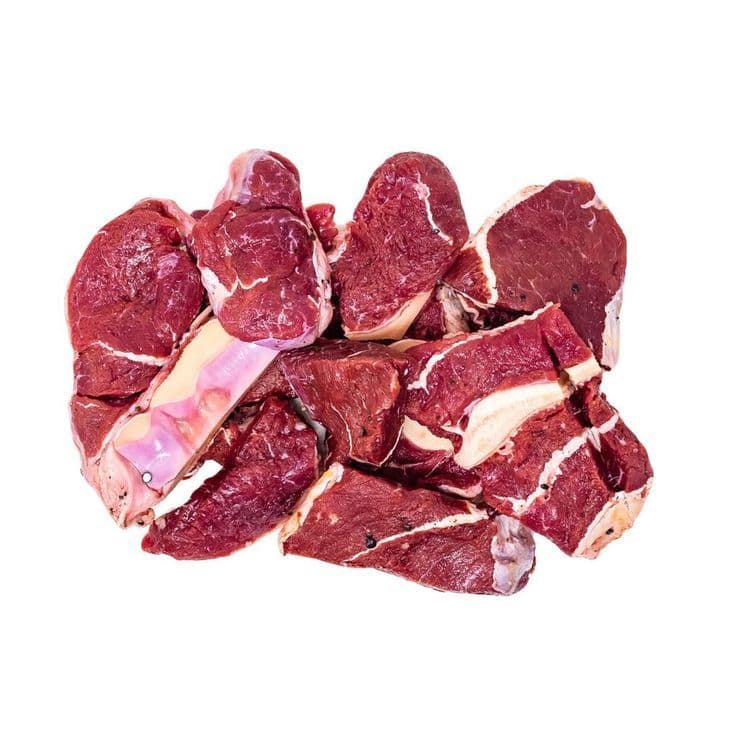 Mutton500 g
bone-in small pieces
 Onions2 pieces
medium finely sliced
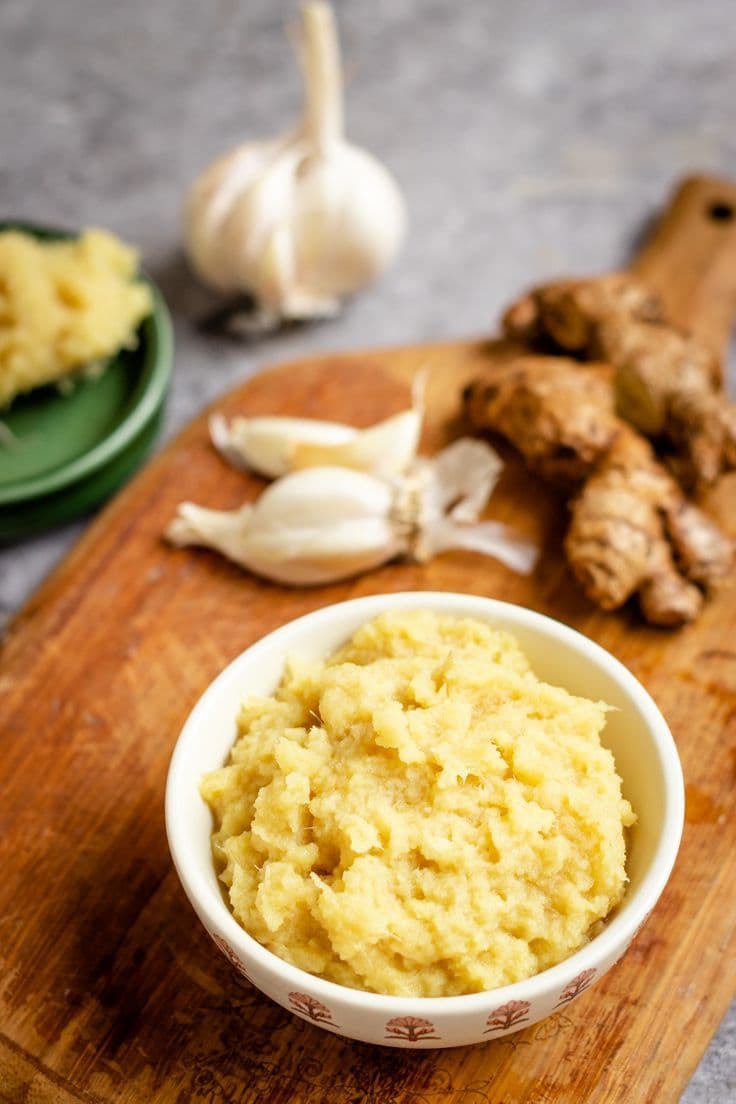 Ginger-garlic paste2.5 tbsp
 Oil3 tbsp
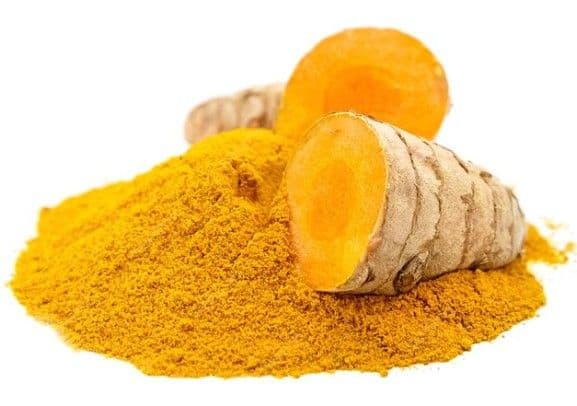 Turmeric powder0.25 tsp
Method
Dry-Roast and Grind the Bhuna Masala
Place all eight bhuna masala spices (coriander seeds, cumin seeds, bay leaf, cinnamon, cloves, black cardamom, green cardamom, black peppercorns) into a dry pan over low heat.
Roast for exactly 3 minutes, stirring continuously, until the coriander seeds darken slightly and the cloves and cardamoms release a clean resinous fragrance.
Tip immediately onto a plate. Allow to cool completely, minimum 5 minutes then grind to a fine powder.
You will use 3 teaspoons of this powder per batch; store any remainder airtight for up to two weeks.
Chef's Tip:
Grind only when the spices are fully cool. Warm spices generate steam inside the grinder, causing the powder to clump and stick to the blades. A fully cooled batch grinds drier and finer.
Prep All Ingredients Before the Pan Goes On
Finely slice the onions into thin half-moons.
Slit the green chillies lengthwise.
Chop the coriander leaves for garnish.
Whisk the yogurt vigorously until completely smooth, no lumps whatsoever.
Measure and set out the turmeric, Kashmiri chilli powder, ginger-garlic paste, and oil.
The bhuna cooking process moves quickly and does not allow time to measure once the heat is on.
Chef's Tip:
Finely sliced onions not roughly chopped, as it dissolve more completely into the masala during the frying stage, creating a smoother, integrated coating. Rough chunks remain visible and separate from the meat rather than becoming part of the sauce
Fry the Onions to Full Golden
Heat 3 tablespoons of refined oil in a pressure cooker or heavy-bottomed pan over medium heat.
Add the sliced onions and fry, stirring every 2 minutes, for 10 minutes until uniformly golden, the colour of old honey, not light pink and not dark brown.
This duration is longer than most recipes call for, and it is not optional.
Chef's Tip:
Properly golden onions break down and dissolve completely into the masala during the bhuna stage, providing the savoury caramelised depth that is the backbone of the whole dish. Under-fried onions taste raw and sweet in the finished curry. Do not rush this step by raising the heat.
Sear the Mutton Using the Splash Method
Add the mutton pieces to the golden onions. Mix well and sear on medium heat for 5 minutes.
As the mutton releases water and the pan begins to dry and the meat starts to stick, add a small splash of water approximately 2 tablespoons to deglaze.
Stir well, scraping all browned residue from the base, and allow the splash to fully evaporate before adding the next one.
Repeat two to three times across the 5-minute searing window.
Chef's Tip:
Each splash must fully evaporate before the next goes in. If water is pooling and not evaporating, the heat is too low, increase it before adding another splash. The pan should look nearly dry between additions. This is the defining technique of bhuna; do not skip or combine the splashes into one addition.
Add Ginger-Garlic Paste and Colour Spices
Add 2.5 teaspoons of ginger-garlic paste to the seared mutton.
Mix and fry on low heat for 2 minutes until the raw garlic aroma disappears.
Add 1/4 tsp turmeric and 1 tsp Kashmiri chilli powder.
Increase to medium heat and continue the bhuna process
Cooking and adding water splashes as needed for another 5 minutes until the mutton is visibly browned all over, the masala coats each piece, and oil begins to separate at the edges of the pan.
Chef's Tip:
Kashmiri chilli powder is chosen specifically for its deep red colour and mild heat. It dyes the masala and the meat a rich brick red without the sharp burn of ordinary red chilli powder. If substituting with standard chilli powder, reduce to 1/2 tsp to avoid over-spicing the dish.
Pressure Cook Until the Mutton Is Tender
Add 200 ml of water to the pan.
Stir to combine fully with the masala.
Close the pressure cooker lid and cook on high heat to 4 whistles.
Remove from heat and allow the pressure to release naturally for 10-12 minutes, do not use quick release.
If cooking without a pressure cooker, add 3/4 cup water, cover tightly, and cook on low heat for 45 minutes, checking every 15 minutes and adding small amounts of water only if the base is sticking.
Chef's Tip:
Natural pressure release: leaving the cooker sealed after removing from heat until the pressure drops on its own, continues cooking the mutton gently in residual steam. This makes bone-in mutton significantly more tender than a quick release, which shocks the meat and can tighten the fibres around the bon
Add Whisked Yogurt and Green Chillies, Dry the Masala
Open the cooker once pressure has fully released. If there is more than a few tablespoons of liquid in the pan, transfer to a wide kadai and cook uncovered on medium-high heat until it reduces.
Then add the whisked yogurt and the slit green chillies. Cook on low heat for 2-3 minutes, stirring constantly, until the yogurt is fully absorbed and no white remains visible.
Increase to medium heat and continue cooking, stirring frequently, until all remaining water evaporates and the masala tightens around the meat.
Chef's Tip:
Stir without stopping during the yogurt stage. Yogurt left unstirred over heat splits into white curds that cannot be re-incorporated. Once split the sauce turns grainy and no further cooking can rescue the texture. Continuous stirring keeps the proteins emulsified and the sauce smoot
Add the Bhuna Masala Powder and Final Dry Roast
Add 3 teaspoons of the freshly ground bhuna masala powder to the pan.
Mix thoroughly, coating every piece of mutton. Fry on medium heat for 3-4 minutes, stirring constantly, until the powder smells toasted and nutty rather than raw, and the oil separates cleanly again at the pan edges.
Then continue to bhuno with no additional liquid for a further 2-3 minutes until the dish is completely dry, the masala is dark and clinging to each piece, and the meat has a slight crust at the edges.
Garnish with chopped fresh coriander and serve immediately.
Chef's Tip:
The bhuna masala must be fried, not just stirred in and served. If it goes in and the pan comes off the heat immediately, the individual whole spices will taste separately identifiable in the mouth rather than unified. The 3-4 minutes of frying over medium heat is what fuses the eight spices into a single coherent flavour layer.
Master Tip: The Bhuna Masala Is Added Last, Not First
The single most important decision in this recipe is when the eight-spice bhuna masala goes into the pan after the pressure cook, not at the beginning with the onions. Most home cooks add all spice powders early, where they dissolve into braising liquid over 30-45 minutes of wet cooking.
Here the fresh-ground powder hits a pan that has already been reduced, concentrated, and oil-separated. When it meets that hot, fat-rich surface and is fried for a full 3-4 minutes, it blooms in a way it never could inside a liquid. The aroma that rises at this stage is the entire point of the dish.
Nutritions
Per Serving (~200g cooked)
People Also Ask
Bhunno means frying the meat and spices over medium heat with only small splashes of water, allowing the pan to go nearly dry between additions. You are doing it correctly when the pan looks dry between splashes, the meat is browning rather than boiling, and oil begins to separate at the masala edges after each splash evaporates. If water is always pooling in the pan, the heat is too low or too much water is being added at once.
Yes. Use a heavy-bottomed Dutch oven or deep pot with a tight-fitting lid. Increase the water in Step 6 to 3/4 cup. Cook on low heat for 45 minutes, checking every 15 minutes. Add small amounts of water only if the base is actively sticking, not just drying. The stovetop method takes longer but produces a slightly deeper flavour from the extended slow rendering
Two causes account for this. First, the pressure cook released too much water and it was not reduced before adding the yogurt, transfer to a wide pan and cook uncovered on medium-high until only a few tablespoons of liquid remain before proceeding. Second, the final bhuna stage was too short. Continue the final dry roast until you can see the masala clinging and the pan base shows only a thin slick of oil
Yes. Lamb shoulder or leg is a good substitute and widely available outside South Asia. Reduce the pressure cook time to 3 whistles (or approximately 30 minutes on stovetop) as lamb is more tender than goat mutton and overcooks quickly. All other steps, quantities, and the bhuna masala remain unchanged.