
Behari Pasanday

Food Fusion
Chef
“Asad Memon and Saima Asad are the founders of Food Fusion, Pakistan’s leading digital food channel. They revolutionized home cooking with short, high-quality, and easy-to-follow video recipes for global audiences.”

Aarif
Food Journalist
Aarif is a devoted content writer at Regional Heritage Food (RHF), passionate about cooking and travel. He shares his culinary experiences and discoveries, inspiring others to explore new recipes and flavors.
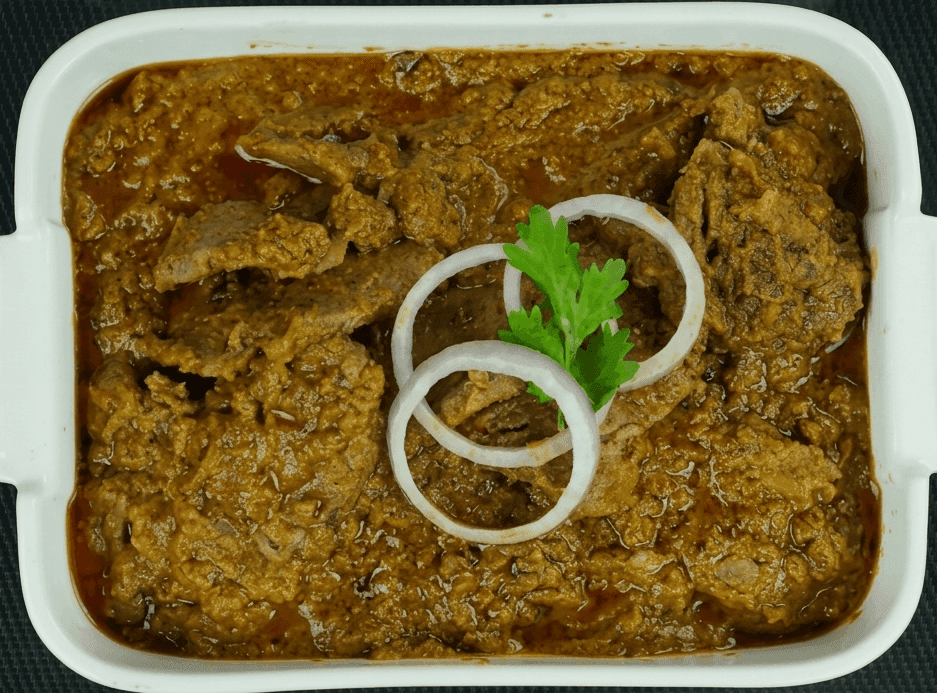
Thinly Pounded Beef Undercut Fillets Marinated In A Hand-Ground Behari Masala With Yogurt, Fried Onion And Raw Papaya, Cooked Dum-Style In Their Own Juices
There is a city in eastern India called Bihar Sharif, and from it comes one of the most distinctive and widely loved BBQ dishes in the entire subcontinent. Behari Pasanday, or Bihari kabab as it is known in its grilled form, began as the food of the Muslim community of Bihar, a community that was known for its love of beef and its mastery of spice blending. The word pasanday comes from the Persian pasanda, meaning favourite or choice, and the name is not an accident. The cut used in this dish is the beef undercut, the tenderloin, the most prized and tender portion of the animal. To the Bihari cook, only the very best piece of meat was worthy of this marinade.
The flavour of a properly made Behari Pasanday is a conversation between layers. The first thing you notice is the warmth of cinnamon and mace, which come through in the first bite and set the dish apart from every other Pakistani beef preparation. Then comes the earthiness of poppy seeds and roasted gram flour, which give the masala a slightly nutty, grounding quality that cushions the heat of the red chilli. The black pepper builds slowly, a background heat that lingers at the back of the throat. Underneath everything is the sharpness of the mustard oil and the tang of the yogurt, which have worked into the meat during the long marination and given it a slightly sour, complex undertone. The raw papaya, which functions as a tenderiser and not a flavour, has done its work silently: the meat is so tender it yields without any resistance, and the fibres pull apart cleanly in a way that regular beef preparation cannot produce. The coal smoke at the very end is not decorative. It is the final ingredient, the one that closes all the other flavours and gives the dish its unmistakably desi BBQ character.
Why This Recipe Works Better Than Others
The Masala Is Ground from Whole Spices in a Specific Sequence
The Behari masala in this recipe is not a spice powder you can substitute with a commercial blend. It is built by grinding six whole spices together first: cinnamon sticks, poppy seeds, mace, roasted cumin, cloves, and whole black pepper. These six are ground to a fine powder, then the remaining dry ingredients are added and mixed in rather than ground. Roasted gram flour, coriander powder, both types of red chilli, and salt are stirred through the already-ground whole spice powder. This two-stage mixing gives the masala a coarser, more textured character than grinding everything together at once, because the gram flour and powders coat the ground spice particles rather than becoming indistinguishable from them in a uniform fine powder.
Raw Papaya Paste Is the Tenderiser and Nothing Else Can Replace It
The undercut or tenderloin is already the most tender cut of beef. Adding two tablespoons of raw papaya paste to the marinade takes it a step further. Raw papaya contains papain, a natural enzyme that breaks down protein bonds in muscle fibre. During the one to two hours of marination, the papain works into the surface of each pounded fillet and loosens the fibres in a way that yogurt tenderising cannot match alone. The result is meat that, after twenty to twenty-five minutes of dum cooking, becomes genuinely melt-off-the-fork tender rather than merely cooked through. Papain is deactivated completely by heat, so it does not affect the texture of the finished dish and leaves no papaya flavour behind.
Pounding the Fillets Before Marinating Changes the Cooking Entirely
Food Fusion specifies that the beef fillets must be pounded well with a kitchen hammer before any marinade goes on. Pounding serves three purposes. It breaks down the surface fibres of the meat and opens the structure, allowing the marinade to penetrate far deeper than it could into an unworked fillet. It creates a more even thickness across each piece, which means every part of every fillet cooks at the same rate in the dum stage. And it increases the surface area of each piece, giving more contact with the masala and more flavour per bite. A fillet that has not been pounded will marinate and cook, but it will not absorb the Behari masala in the same way and the finished dish will taste less deeply spiced.
Fried and Crushed Onion in the Marinade Adds Body That Fresh Onion Cannot
This recipe uses fried onion that has been crushed to a rough paste rather than raw onion. The frying process removes the water from the onion and concentrates its natural sugars, turning a sharp, pungent vegetable into a sweet, slightly caramelised one. When this fried and crushed onion is worked into the marinade with the yogurt and masala, it does not release moisture into the meat the way raw onion would. It instead adds a dense, sweet, umami base note that carries through the cooking without thinning the marinade or making the cooked pasanday wet. This is the technique used in the best Bihari kabab preparations and it is one of the things that makes this masala significantly more complex than a simple spice-and-yogurt rub.
Dum Cooking on Medium Heat Produces Tenderness That Pan Frying Cannot
Once the marinated fillets are layered in the pan, the lid goes on and the heat drops to medium for twenty to twenty-five minutes. This covered, low-contact cooking method is dum: the fillets steam in their own marinade juices and the trapped heat cooks them gently and evenly from every direction. No liquid is added. The yogurt, onion, and papaya in the marinade provide enough moisture for the steam to build. By the end of the dum period, the marinade has reduced and the oil has separated, visible at the edges of the pan. The fillets are completely tender and fully cooked through but not dry. Frying them uncovered on high heat for the same amount of time would produce a cooked exterior with a tougher interior and significantly less depth of flavour.
Coal Smoke at the End Is Not Optional
The two to three minutes of coal dum at the very end of this recipe is the step that takes Behari Pasanday from a good home-cooked dish to something that tastes genuinely dhaba-style. A small piece of live coal is placed on a piece of foil in the centre of the pan, a few drops of oil are drizzled over it to generate smoke, and the lid is sealed immediately. The smoke circulates through the closed pan and penetrates the surface of every fillet. The compounds in wood smoke bind to the fat and protein on the surface of the meat and produce the smoky, roasted character that is the defining final note of a proper Behari preparation. Without this step the dish is complete but without its most recognisable quality.
prep time
20 min
Marinate time
3h
cook time
25 min
servings
4
Ingredients
- beef undercut fillets (pasanday)750 g
each piece pounded well with a kitchen hammer
- Cinnamon sticks4 pieces
inch size
- Poppy seeds1.5 tbsp
- Mace1 tsp
- Cumin seeds0.5 tsp
roasted
Method
Make the Behari Masala
Place all six whole spices for the masala in a dry spice grinder or blender: the cinnamon sticks, poppy seeds, mace, roasted cumin seeds, cloves, and whole black pepper.
Grind together until you have a fine, even powder. The cinnamon sticks take the longest to break down so make sure no large visible pieces remain before stopping the grinder.
Transfer the ground spice powder to a bowl. Add the roasted gram flour, coriander powder, red chilli powder, deghi lal mirch, and salt.
Stir everything together thoroughly with a spoon until all the dry ingredients are evenly distributed. The finished masala should be a reddish-brown powder with no white patches of gram flour visible. This is the complete Behari Pasanday masala.
The recipe calls for two and a half tablespoons in the marinade. The rest can be stored in an airtight container for up to two weeks and used for Behari chicken, Behari keema, or another batch of pasanday.
Chef's Tip:
Dry-roast the gram flour in a small pan over low heat for two minutes before adding it to the masala, stirring constantly until it turns a shade darker and releases a nutty smell. This roasting step eliminates the raw flour taste that otherwise comes through in the finished dish. Unroasted gram flour in a masala produces a slightly starchy, pasty quality in the marinade. Roasted gram flour adds a nutty depth that reinforces the other spices.
Pound the Fillets and Prepare the Marinade
Place each beef undercut fillet on a clean board and pound with a kitchen hammer or meat mallet until the thickness is even across the whole piece and the fibres have visibly opened.
You are not trying to tear the meat apart; you are working it enough that the surface structure loosens. Each piece should be noticeably thinner and slightly wider after pounding.
In a large bowl, combine the ginger garlic paste, yogurt, fried and crushed onion, raw papaya paste, and two and a half tablespoons of the prepared Behari masala.
Mix everything together until you have a smooth, thick, fragrant paste. Add the pounded beef fillets and work the marinade into every surface of every piece using your hands. Make sure no part of any fillet is unmarinated.
Cover the bowl and refrigerate for a minimum of one hour. Two to three hours gives noticeably better results. Overnight gives the best results of all, particularly for the papaya tenderiser which needs time to work through the fibres of the meat.
Chef's Tip:
If marinating overnight, add the salt only in the final hour before cooking rather than at the beginning of the marinade. Salt draws moisture out of the meat through osmosis over long periods. Marinating with salt for many hours can make the surface of the fillet slightly dry rather than juicy. All other marinade components, including the papaya paste, can go on from the very beginning. Add salt close to cooking time for the best texture in the finished dish.
Layer the Fillets and Cook Dum-Style
Heat half a cup of mustard oil in a wide heavy-bottomed pan or pot over medium to high heat. If using mustard oil, bring it to smoke point first and then reduce to medium.
This smoking step removes some of the sharp, raw pungency of the mustard oil and leaves a cleaner, warmer flavour behind. If using regular cooking oil, simply heat to medium without smoking.
Layer the marinated beef fillets in the pan one on top of the other, pouring all the remaining marinade from the bowl over the top. Place the lid on the pan and reduce the heat to medium.
Cook covered for 20 to 25 minutes. Do not lift the lid during this time. The fillets will cook in their own marinade juices and the steam from the yogurt and onion. After 20 minutes, lift the lid carefully.
The marinade should have reduced significantly, the oil should be separating and visible at the edges, and the fillets should be cooked through and tender. If liquid is still visible, cover and cook for a further five minutes.
Chef's Tip:
Resist the urge to lift the lid during the dum cooking period. Every time the lid is lifted, the trapped steam escapes and the internal temperature of the pan drops. The dum method works because the consistent, enclosed heat cooks the fillets gently from every direction at once. One or two lid lifts during a 20-minute cook will not ruin the dish, but they will extend the cooking time and produce a slightly drier result than a completely undisturbed dum period.
Give Coal Dum for 2 to 3 Minutes
Once the fillets are cooked and the oil has separated, place a small piece of foil or a small metal bowl in the centre of the pan among the fillets.
Ignite a small piece of coal directly on the stovetop over a high flame until it is glowing red and producing smoke. Using tongs, carefully transfer the hot coal onto the foil or small bowl in the pan.
Drizzle three to four drops of oil directly onto the glowing coal. It will immediately begin to smoke. Place the lid on the pan and seal it as tightly as possible. Leave for two to three minutes.
Remove the lid, carefully lift out the coal and foil using tongs, and discard.
Chef's Tip:
The coal piece needs to be genuinely glowing red before it goes into the pan. A coal that is merely charred on the surface but not hot through will not produce enough smoke to penetrate the fillets in two minutes. Light the coal three to four minutes before you need it and let it reach full temperature before transferring. The smell and visual of the smoke circulating inside the pan when the lid is removed after the dum is one of the most satisfying moments in this entire recipe.
Serve Immediately
Transfer the Behari Pasanday to a warm serving platter. Arrange the fillets without overlapping so the surface of each piece is visible.
Scatter fresh coriander leaves over the top. Arrange onion rings and lemon wedges alongside.
The pasanday are best eaten immediately while the coal smoke aroma is still present. They will cool quickly on the plate, and the aroma fades as they lose heat, so have everything else ready before the coal dum step begins.
Chef's Tip:
For a gathering where the pasanday need to hold for twenty to thirty minutes after cooking, keep them in the covered pan with the coal removed and place the pan on the lowest possible flame to maintain temperature without continuing to cook. The dum environment of the covered pan holds the heat and the smoke aroma better than any open serving dish. Plate and garnish only when guests are seated and ready to eat.
Why You Should Make Your Own Behari Masala
There are commercial Behari masala packets available in grocery stores, and they are not terrible. But they are not this. The difference between a packet masala and a hand-ground masala is the difference between a photograph of a place and the place itself. The photograph has the information. The place has the experience.
When you grind the six whole spices fresh, the oils in the cinnamon, the poppy seeds, the cloves, and the mace have not had months to oxidise in a sealed bag. They are volatile, meaning they exist in a state where they respond to heat and fat in the pan, releasing their character into the cooking rather than sitting on top of it as a uniform brown powder. The gram flour, roasted yourself in a dry pan, adds a nuttiness that no pre-roasted powder can replicate because it was roasted to your pan and your heat, not to an industrial standard that may or may not match your dish.
Making the Behari masala takes fifteen minutes. The extra batch it produces is stored for two weeks and ready for the next round of pasanday or for Behari chicken or Behari keema. Fifteen minutes of extra work the first time pays returns across every subsequent use of the masala. It is one of the most worthwhile things this recipe asks of you.
Nutritions
Per serving (~200 grams)
People Also Ask
Yes, and this is how the dish is made at its best. Thread the marinated fillets onto flat metal skewers and grill over hot coals or a gas grill on medium-high heat for six to eight minutes, turning and basting with a little oil throughout. The coal grill achieves the smoky character directly during cooking rather than through a separate dum step at the end, and the result is the full street-food dhaba experience. Pan cooking with coal dum is the home-kitchen method that produces a very close result when an outdoor grill is not available.
Yes. Boneless chicken thigh or breast cut into thin strips or fillets works well with the same Behari masala. Reduce the marination time to one hour for chicken and the papaya paste to one tablespoon since chicken is far more tender than beef and the papain in raw papaya works faster on chicken protein. The dum cooking time reduces to fifteen minutes rather than twenty to twenty-five. The finished dish has a lighter character than the beef version but the same deeply spiced, smoky Behari flavour profile.
Poppy seeds, khashkhash, are unavailable or restricted in several countries. In their place, unsalted raw cashews work well. Use six to eight cashews in place of one and a half tablespoons of poppy seeds, toasting them very lightly in a dry pan before grinding with the other whole spices. The cashews add a similar richness and body to the masala without the distinctive slightly bitter note of poppy seeds. The finished dish will taste slightly different, with a smoother, creamier background note rather than the nutty bitterness of the original, but it will still be an excellent Behari Pasanday.
Yes, and overnight marination is strongly encouraged for the best results. Refrigerate the marinated fillets covered in the bowl for up to twelve hours. Remove from the refrigerator one hour before cooking to bring them to room temperature, as cooking cold meat directly from the fridge extends the dum time and can result in the outside of the fillets cooking faster than the interior. If marinating overnight, add the salt in the final hour of marination rather than at the beginning for the best texture and juiciness in the cooked fillet