
Panchmel Dal

Food Fusion
Chef
“Asad Memon and Saima Asad are the founders of Food Fusion, Pakistan’s leading digital food channel. They revolutionized home cooking with short, high-quality, and easy-to-follow video recipes for global audiences.”
Aarif
Food Journalist
Aarif is a devoted content writer at Regional Heritage Food (RHF), passionate about cooking and travel. He shares his culinary experiences and discoveries, inspiring others to explore new recipes and flavors.
Five Lentils Cooked in One Bold Masala, Full of Flavor and Tradition
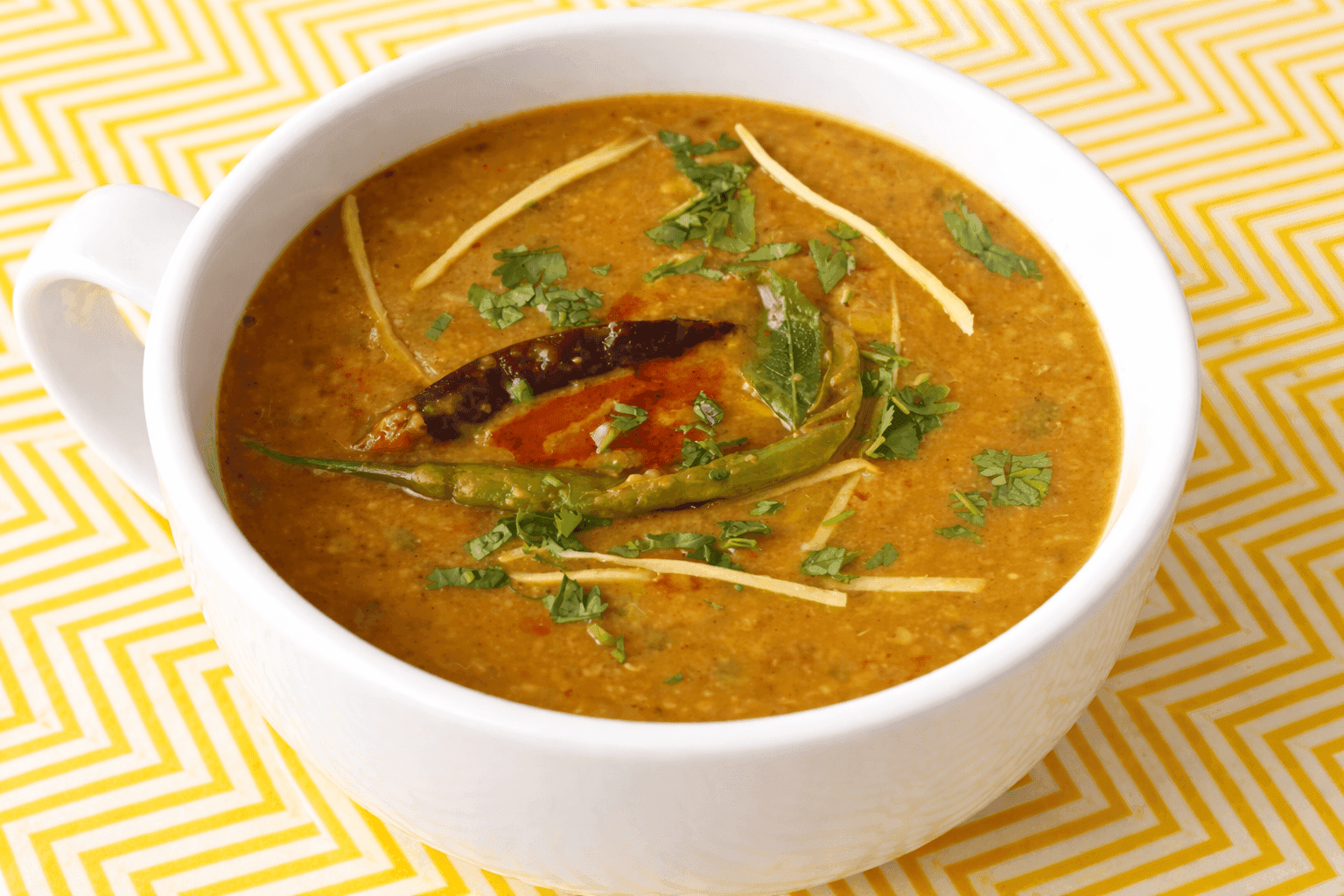
The best bowl of dal you will ever eat is not made from one lentil. Panch means five, mel means mixed, and together they describe a dish where each lentil plays a different role: one for creaminess, one for lightness, one for body, one for richness, one for sweetness and together they produce a depth and complexity that no single lentil can achieve alone.
Food Fusion's Panchmel Dal is built on the same technique that defines their best recipes: a properly bhunai'd onion-tomato masala, cooked long enough for the oil to separate and every ingredient to fully break down and combined with a finishing ghee tadka of whole spices that transforms the finished dal from a simple lentil dish into something deeply aromatic and restaurant-worthy.
Why This Recipe Works Better Than Others
Five Lentils in Perfect Balance
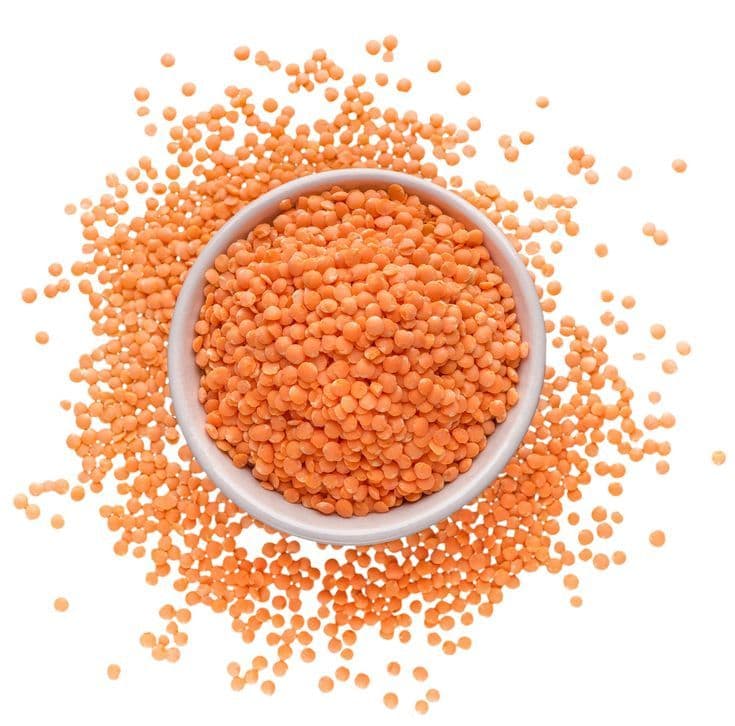
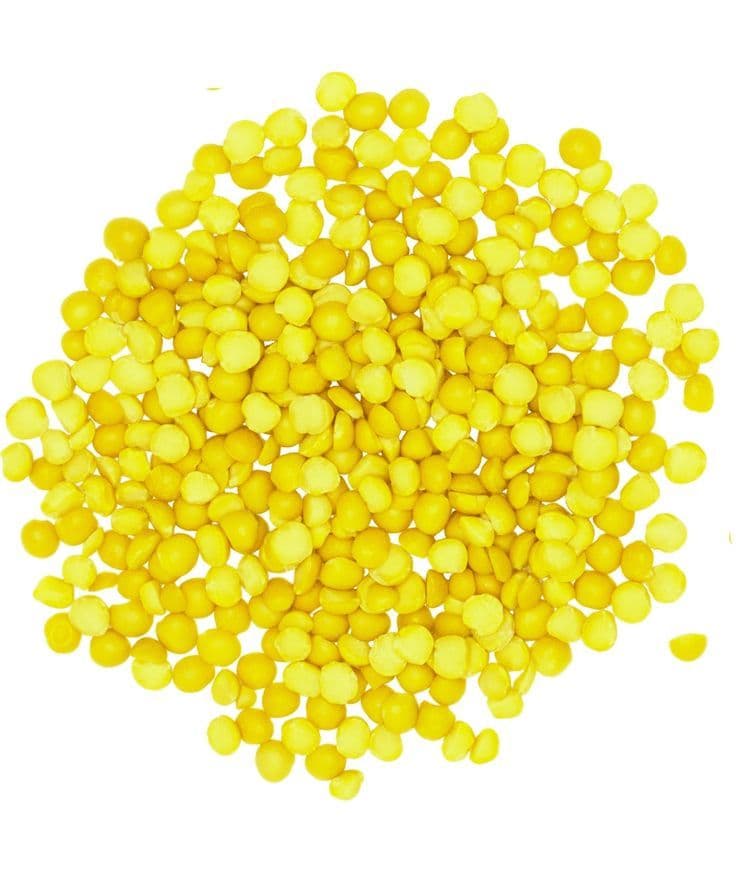
Each of the five lentils in this recipe has been chosen for a specific textural and flavour contribution. Masoor dal (red lentils) dissolves quickly and creates the creamy base. Moong dal (yellow split) adds lightness and prevents the dal from becoming heavy. Chana dal (split chickpeas) holds its shape and adds a satisfying bite and body. Urad dal (split black gram) brings a subtle richness and viscosity. Toor dal (pigeon peas) contributes a mild natural sweetness that rounds the overall flavour. Using all five in the right ratio means every spoonful has complexity, some smooth, some textured, some sweet, some earthy.
Pakistani-Style Bhunai Masala
Most mixed dal recipes use a light tadka (quick tempering of whole spices in oil) as the only masala. Food Fusion's Panchmel uses a full onion-tomato bhunai masala, onions fried to deep golden, ginger-garlic cooked out, tomatoes broken down completely, and powdered spices fried until the oil separates. This is the same technique used in a proper karahi or curry and it produces a completely different level of flavour compared to a simple tadka-only approach.
Double Fat Technique, Oil for the Masala, Ghee for the Finish
Cooking oil is used for the long bhunai masala stage (where fat needs to withstand extended high heat), while ghee is reserved for the finishing tadka of whole spices added at the very end. This approach extracts the best from both fats, the oil provides a neutral base for the masala to develop in, while the ghee delivers its full nutty, aromatic character in a quick bloom right before serving. Using ghee throughout the entire cook would waste its delicate flavour; using oil throughout would produce a flatter, less aromatic finish.
prep time
15 min
soak time
30 min
cook time
40 min
Total Time
1h 25m
servings
5
Ingredients
 Masoor dal (red lentils)3 tbsp
 Moong dal (yellow split)3 tbsp
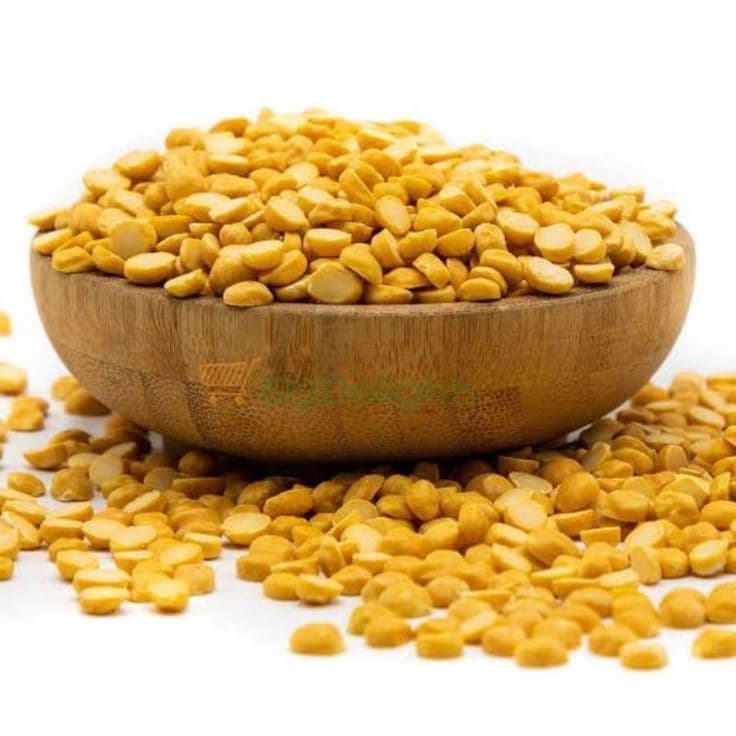 Chana dal3 tbsp
 Urad dal (white split)2 tbsp
mash dall
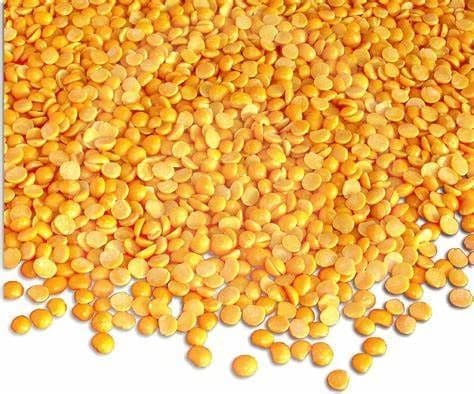 Toor dal (pigeon peas)2 tbsp
yellow arhar dall
Method
SOAK THE CHANA DAL
Chana dal takes the longest to cook of the five lentils. Measure 3 tbsp of chana dal into a small bowl, rinse under cold water, and soak in fresh cold water for 30 minutes before you begin cooking.
The other four lentils do not need soaking, simply rinse them thoroughly under cold running water, swirling and draining 2–3 times until the water runs clear, and set aside.
Chef Tip:
Chana dal that is not soaked will remain slightly hard even after extended cooking, creating an unpleasant textural contrast with the softer lentils. The 30-minute soak is a small investment that guarantees even cooking across all five lentils.
COMBINE & BOIL ALL FIVE LENTILS
Drain the soaked chana dal and combine with the rinsed masoor, moong, urad, and toor dal in a medium saucepan.
-Add 3 cups of fresh water, ½ tsp salt, and ¼ tsp turmeric.
Bring to a full boil over high heat, skimming off any white foam that rises in the first few minutes. Reduce to medium heat.
Cook uncovered for 20–25 minutes, stirring occasionally, until all the lentils are completely soft and the mixture has thickened into a creamy, slightly textured consistency.
Masoor and moong will dissolve; chana and urad will hold some shape. If using a pressure cooker, cook for 2–3 whistles on medium heat.
Chef Tip:
Do not stir the dal during the first 5 minutes of high heat boiling. This is when the foam rises and removing it gives you a cleaner, less cloudy finished dal. After skimming, stir freely as needed.
FRY THE ONION TO DEEP GOLDEN
Heat 3 tbsp cooking oil in a wide, heavy-bottomed pan over medium-high heat.
Add the finely chopped onion and fry, stirring regularly, for 10–12 minutes until it reaches a consistent deep golden-brown colour.
Reduce heat to medium if the edges start darkening too fast. Do not settle for pale or light golden.
The depth of the final masala colour and flavour comes entirely from how well the onion is fried at this stage.
Chef Tip:
A finely chopped onion fries more evenly and faster than a roughly chopped one. If you want to speed the process slightly, add a small pinch of salt to the onion as soon as it hits the oil. Salt draws out moisture and speeds up the browning.
ADD GINGER, GARLIC & GREEN CHILLIES
Add ½ tsp ginger paste and 1 tsp garlic paste to the golden onion.
Stir continuously for 2 minutes until the raw smell is completely gone. Add 2–3 slit green chillies and stir for a further 1 minute.
The paste will darken slightly and the pan will smell deeply aromatic.
Chef Tip:
Stay at the pan and stir without pause after adding the ginger-garlic paste. On a hot pan with fried onion already in it, ginger-garlic paste burns within 60 seconds of being left unstirred. Continuous movement is the only safeguard.
ADD TOMATOES & COOK TO OIL SEPARATION
Add the 2 finely chopped tomatoes. Stir well to combine with the onion mixture.
Cook on medium heat for 10–12 minutes, pressing and mashing the tomatoes with the back of the spoon, until they have completely broken down and the oil is visibly separating and pooling at the edges of the masala.
The mixture should look dark, thick, and glossy and not wet. Do not proceed to the spices until the oil has clearly separated.
Chef Tip:
Adding tomatoes as a very fine chop, almost a rough paste. It dramatically speeds up breakdown time and ensures the masala reaches oil-separation in 10 minutes rather than 15–18 minutes. A sharp knife and a few extra seconds of chopping pays off at this step.
ADD ALL POWDERED SPICES & BHUNAI
Add ½ tsp red chilli powder, ¼ tsp turmeric, 1 tsp coriander powder, and ½ tsp cumin powder to the oil-separated masala.
Stir immediately and continuously for 1–2 minutes on medium heat, allowing the spices to fry in the oil.
Add 2 tbsp of water if the mixture begins to stick. The masala will darken further and smell intensely fragrant.
Cook until the oil separates again after the spice addition. Then add ½ tsp garam masala, stir for 30 seconds, and proceed immediately.
Chef Tip:
Garam masala is always added last among the powdered spices and cooked for the shortest time. Its aromatic compounds are the most volatile and prolonged cooking on high heat drives them off and leaves only bitterness behind.
ADD COOKED DAL TO THE MASALA
Pour the cooked panchmel dal directly into the masala pan.
Add 1 tsp salt, taste, and adjust. Stir well to fully combine the dal with the masala.
Add ½ to 1 cup of hot water to adjust consistency to your preference.
Food Fusion style is medium-thick, pourable but not watery.
Bring to a gentle boil, then reduce heat and simmer for 5–8 minutes to allow the dal and masala to integrate and the flavours to meld.
Chef Tip:
Always taste after combining the dal and masala, before adjusting salt. The masala already contains salt, and the boiling water also had salt, adding a full teaspoon on top without tasting first often results in an over-salted dal.
ADD KASURI METHI
Take 1 tsp of kasuri methi and rub it firmly between both palms over the dal. The rubbing crushes the dried leaves and releases their essential oils directly into the dal.
Stir through and simmer for 1 final minute. Taste one last time and adjust seasoning if needed.
Chef Tip:
This step seems small but its impact is disproportionately large. Kasuri methi provides the distinctive aromatic background note that separates restaurant-style dal from home-cooked. Do not skip it and always rub, never just sprinkle.
PREPARE THE GHEE TADKA
Heat 1 tbsp of ghee in a small pan over high heat until it shimmers and is just beginning to smoke.
Add ½ tsp cumin seeds and wait for them to crackle, about 15 seconds. Add the thinly sliced garlic and cook, stirring, until the slices turn golden and crispy in 30 to 40 seconds.
Add the 2 whole dried red chillies and cook for 10 seconds. Remove from heat.
Immediately add ¼ tsp Kashmiri red chilli powder off the flame (it burns instantly on live heat). The tadka will sizzle dramatically. Pour the entire tadka, ghee and all, over the finished dal without stirring.
Chef Tip:
Pour the ghee tadka in the last possible moment just as the bowls are being set on the table. The crispy garlic softens within minutes of being added to hot liquid. The dramatic sizzle, the vivid colour, and the crispy texture all belong to that first serving. Prepare it fresh for reheated dal as well.
Master Tip: The Five-Lentil Ratio
Do not substitute all five with just one or two lentils thinking the result will be similar. Each lentil dissolves and contributes at a different rate and in a different way. Masoor without chana dal is flat. Chana dal without moong is heavy. The balance of all five is the entire point of Panchmel. If one lentil is unavailable, substitute in small amounts only and adjust cooking time accordingly
People Also Ask
Yes, pressure cooker is actually the preferred method in most Pakistani homes for mixed dal because the different lentils cook at different rates, and the pressure cooker equalises them. Add all five rinsed and soaked lentils to the pressure cooker with 2.5 cups of water, salt, and turmeric. Cook for 2–3 whistles on medium heat and then allow the pressure to release naturally. Check for doneness, all lentils should be completely soft. Build the masala separately on the stovetop while the pressure releases, then combine.
The most important three to have are masoor dal, moong dal, and chana dal. They provide the creaminess, lightness, and texture that define the dish. Urad and toor dal are supporting roles. If urad is unavailable, increase moong to 3 tbsp. If toor is unavailable, increase masoor to 4 tbsp. Avoid substituting chana dal with anything else. It is the only lentil that holds shape and provides textural contrast. If chana dal is genuinely unavailable, the dish becomes a simpler four-lentil dal rather than a true Panchmel.
Add hot water a few tablespoons at a time, stirring well after each addition, until the consistency loosens to your preference. Always add hot water, cold water can cause the texture to become slightly gluey by shocking the starch. Panchmel dal thickens considerably as it cools and also thickens further in the refrigerator overnight. When reheating, always add a small amount of hot water and stir before serving.
Yes, replace the ghee in the finishing tadka with coconut oil or a neutral cooking oil. The result will be slightly less rich and the nutty, aromatic character of ghee will be absent, but the tadka will still work and the dal will still taste excellent. For the masala stage, cooking oil is already specified. If you want a fully oil-light version, reduce the masala oil to 2 tbsp and use a non-stick pan to prevent sticking.
The terms are often used interchangeably, but strictly speaking Panchmel always means five specific lentils in a deliberate ratio. The word panch (five) is the defining feature. Regular 'mix dal' can mean any combination of two or more lentils in any ratio, often just whatever is available.
Panchmel is also associated with Rajasthani and Pakistani cooking traditions that use the specific five-lentil combination described in this recipe, while generic mix dal recipes vary widely by region and household.