
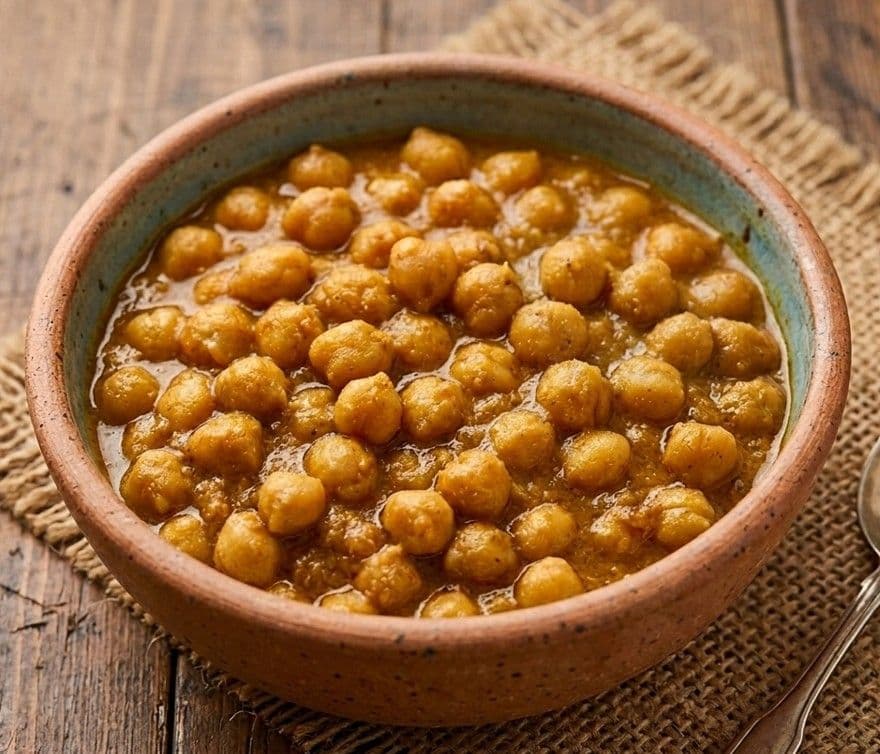
Lahori Cholay

Cook with Faiza
Chef
“Faiza Riaz, known globally as Cook with Faiza, is a prominent Pakistani culinary instructor and YouTube personality based in the UK. Since 2012, she has earned millions of followers by sharing authentic, step-by-step traditional recipes. Her clear teaching style makes complex South Asian dishes accessible to home cooks worldwide.”

Aarif
Food Journalist
Aarif is a devoted content writer at Regional Heritage Food (RHF), passionate about cooking and travel. He shares his culinary experiences and discoveries, inspiring others to explore new recipes and flavours.
Dark, Tangy & Unapologetically Bold | A True Taste of Lahori Chole (Step-by-Step)
If you have ever had cholay from a Lahori dhaba early in the morning, dark in color, tangy enough to wake your senses, served with hot puri, fresh onion rings, and a squeeze of lemon, then you already know that this taste is hard to find anywhere outside Lahore.
What makes Lahori Chole truly different from other chole or chana masala recipes is a unique balance of flavour and texture. The deep dark color comes from tea and black cardamom, the tanginess from tamarind and dried pomegranate seeds, and the dish is cooked with very little gravy so the spices stay concentrated. The use of whole spices adds a strong, traditional aroma that defines its identity, and this recipe captures all of these elements without cutting corners.
Cook with Faiza is widely loved for her simple, authentic recipes that reflect true Pakistani home cooking. Her Lahori cholay has been tried and appreciated by home cooks not only in Pakistan but also in the UK, Canada, and the Middle East, especially by those who miss the flavours of home.
Why This Recipe Works Better Than Others
Tea for the Signature Dark Colour
Many Lahori cholay recipes cheat the dark colour with food dye or excessive amounts of red chilli. Faiza's recipe uses black tea bags (or loose tea wrapped in muslin) cooked directly with the chickpeas during the boiling stage. This does two things simultaneously: it turns the chickpeas a deep, dark brown and adds a gentle tannin bitterness that balances the tanginess of the tamarind and the richness of the spices. No artificial colour, no shortcuts, exactly the way it is done in the original Lahori dhaba kitchens.
Anardana: The Ingredient That Defines the Taste
Dried pomegranate seeds (anardana) are the single ingredient that most home cooks leave out when making cholay and it is the single ingredient that makes Lahori cholay taste unmistakably like Lahori cholay. Anardana provides a fruity, sour, slightly astringent tartness that is completely different from lemon juice or tamarind alone.
Whole Spices Cooked with the Chickpeas
Most chole recipes add all the spices only to the masala. Faiza's technique adds a set of whole spices (bay leaves, black cardamom, cinnamon, cloves) directly to the boiling water with the chickpeas. This means the chickpeas themselves absorb the flavour of the spices from the inside during cooking, not just on the surface from the gravy later. The result is a depth of spiced flavour throughout every chickpea, not just on the outside coating.
Dry Gravy — The Street-Style Finish
Lahori cholay from a proper dhaba are not a curry with a flowing gravy. They are almost dry, a thick, dark masala that clings to and coats every chickpea without pooling at the bottom of the bowl. Faiza's recipe achieves this by cooking the masala down on high heat at the end until the oil clearly separates and virtually all the liquid has evaporated. Served this way, they hold their temperature longer, absorb into the puri without making it soggy, and taste more concentrated and intense than a wet version.
prep time
15 min
soak time
10h
cook time
1h 15m
servings
6
Ingredients
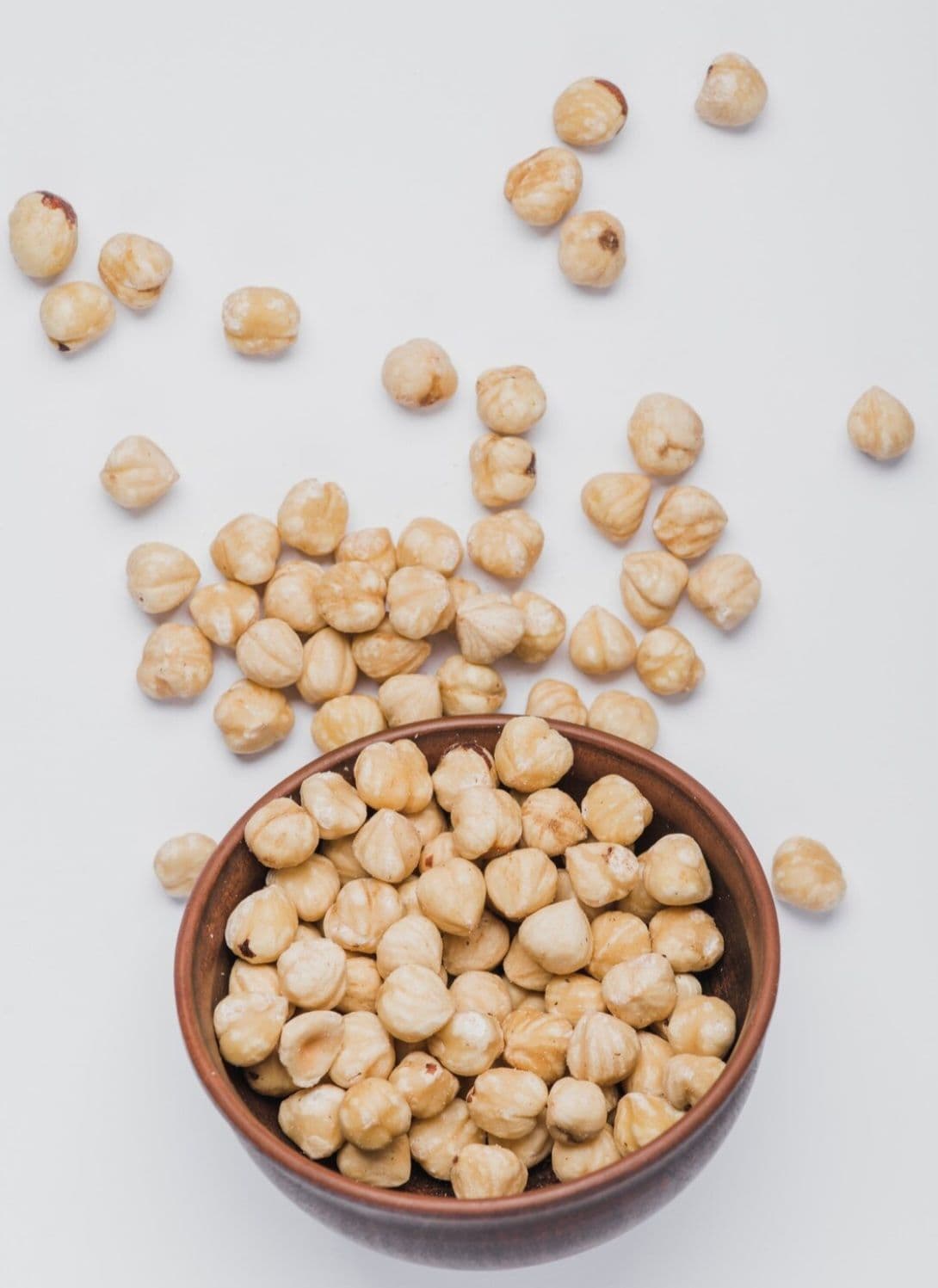 White chickpeas500 g
Soaked overnight, doubles to ~1 kg after soaking
 Water2 Liter
Enough to cover by 3 inches
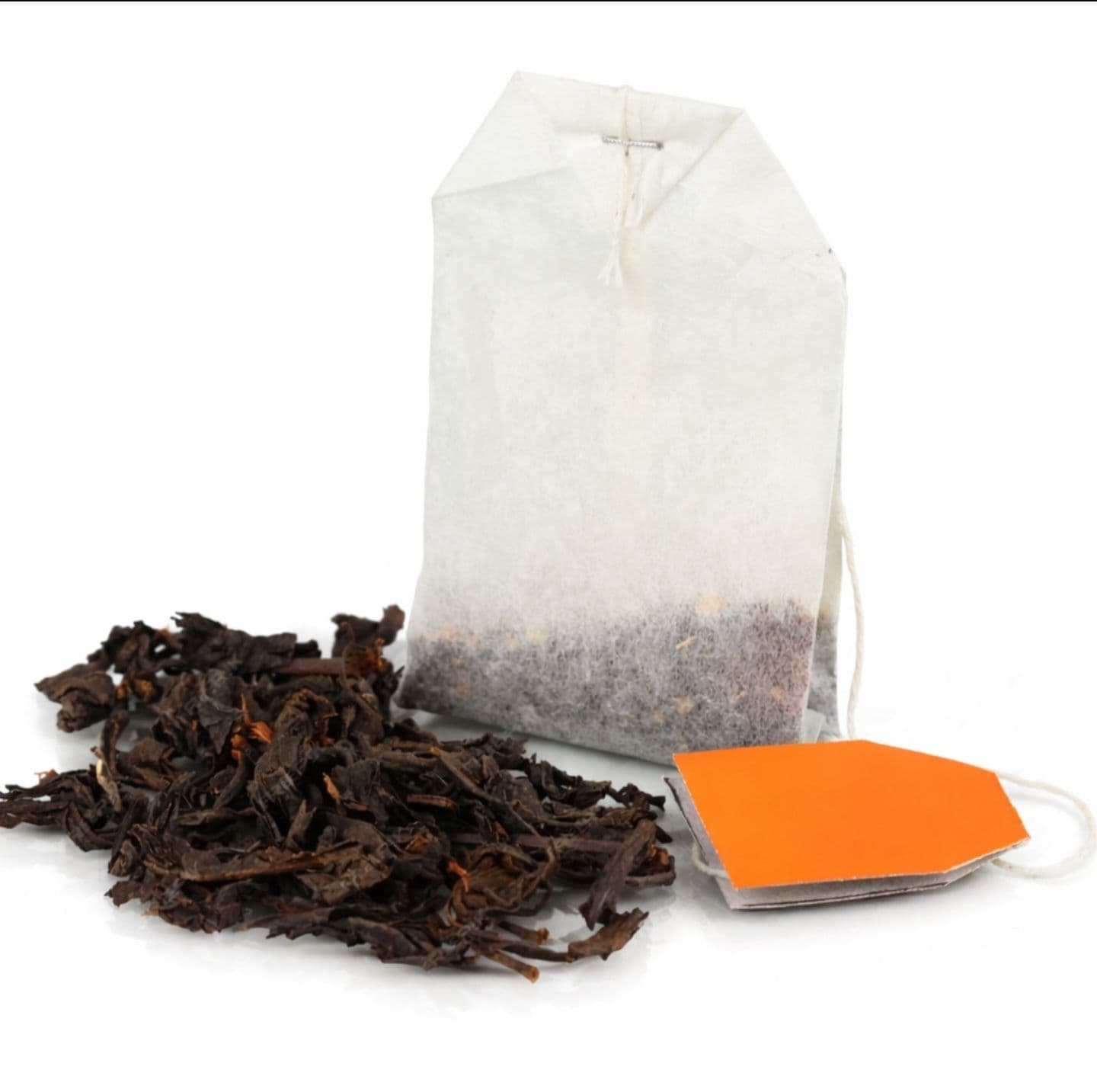 Black tea bags2 bag
1 tbsp loose tea in muslin
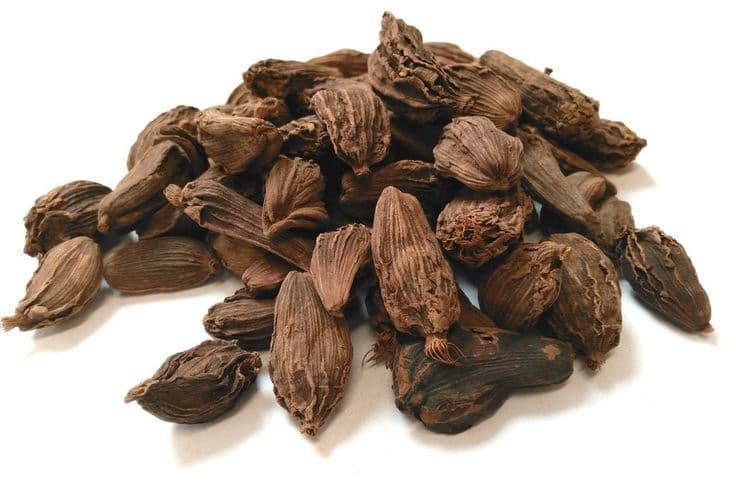 Black cardamom3 Pods
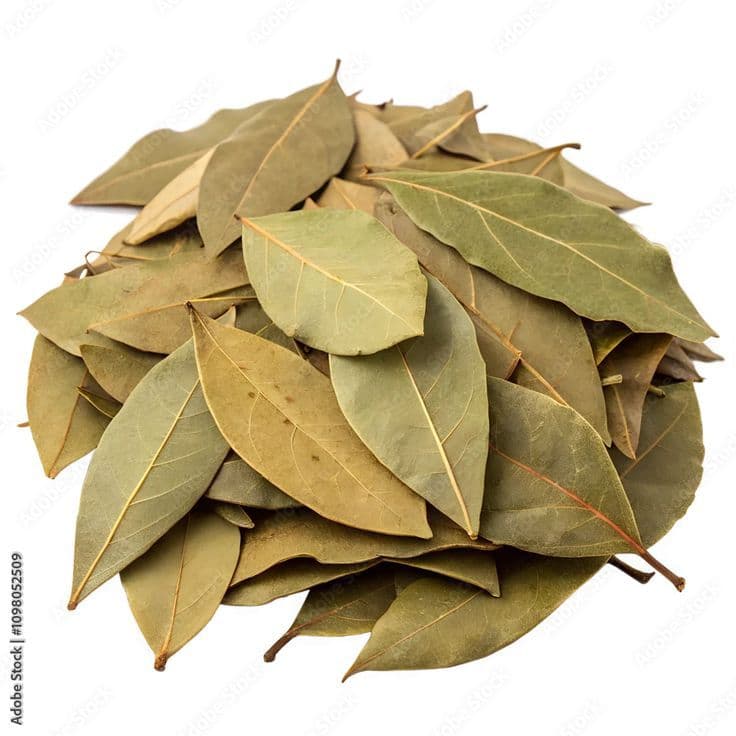 Bay leaves3 piece
Method
OVERNIGHT SOAKING
Place 500g of dry white chickpeas in a large bowl. Rinse thoroughly under cold running water until the water runs clear.
Cover with at least 3 inches of fresh cold water, the chickpeas will swell to nearly double in size overnight. Soak for a minimum of 8 hours, ideally 10–12 hours.
Drain and discard the soaking water completely before cooking.
Chef Tip:
Never cook chickpeas in their soaking water. Soaking water contains oligosaccharides (the compounds responsible for digestive discomfort) that are drawn out of the chickpeas during soaking. Discarding it and using fresh water makes the cholay easier to digest and produces a cleaner flavour.
BOIL WITH SPICES & TEA
Place the soaked, drained chickpeas in a large pot. Cover with fresh water by at least 3 inches.
Add both tea bags (or a muslin pouch of loose tea), 3 black cardamom pods (lightly cracked), 3 bay leaves, 1 inch cinnamon, 4–5 cloves, 1.5 tsp salt, and ¼ tsp baking soda.
Bring to a vigorous boil over high heat, skimming off any foam that rises in the first 5 minutes.
Reduce to medium heat, cover, and cook for 45–55 minutes until the chickpeas are completely soft and can be mashed easily between two fingers with no resistance.
Remove and discard the tea bags and whole spices after cooking.
Chef Tip:
Test chickpea doneness by pressing one between your thumb and index finger. It should crush completely with minimal pressure and feel smooth inside with no grainy or chalky centre. Undercooked chickpeas are the single most common reason homemade cholay fall short as they never fully absorb the masala flavour.
FRY THE ONIONS TO DEEP GOLDEN
Heat ½ cup of oil in a large, wide, heavy-bottomed pan over medium-high heat.
Add the 3 large finely sliced onions. Fry, stirring regularly, for 15–18 minutes until the onions are a deep, even golden-brown colour, not pale yellow, not burnt, but a consistent deep amber throughout.
This is the longest single step and the most important. The depth of the final masala colour and flavour is entirely determined by how well the onions are fried at this stage.
Chef Tip:
Patience at this step cannot be rushed by raising the heat. The high heat browns the edges while leaving the centre undercooked. Medium-high, consistent heat with regular stirring is the only correct approach. If the onions begin to stick, add a tablespoon of water, not more oil.
ADD GINGER, GARLIC & GREEN CHILLIES
Add 1 tbsp ginger paste and 1 tbsp garlic paste to the golden onions.
Stir immediately and continuously for 2 minutes until the raw smell disappears completely and the paste turns a light golden colour. Add the 4–5 whole or slit green chillies and stir for 1 more minute.
Chef Tip:
Adding the ginger-garlic paste to hot fried onions causes it to sizzle and cook very quickly. If you step away for even 30 seconds at this stage, it can burn and turn bitter. Stay at the pan and stir continuously for the full 2 minutes.
ADD TOMATOES & BREAK DOWN COMPLETELY
Add the 3 chopped tomatoes to the pan. Stir well and cook on medium heat for 10–12 minutes, pressing and mashing the tomatoes regularly with the back of the spoon.
Cook until the tomatoes have fully broken down, the mixture is dark and thick, and the oil has visibly separated and is pooling at the edges of the masala.
Do not proceed until the oil has clearly separated, this is the quality check for the masala.
Chef Tip:
Finely chopped tomatoes break down faster and more evenly, reaching oil-separation point in less time than large chunks which can take double the time.
ADD ALL POWDERED SPICES
Add 1.5 tsp red chilli powder, 2 tsp coriander powder, 1 tsp cumin powder, ½ tsp turmeric, 1 tsp garam masala, 1.5 tsp cholay/chana masala powder, and 1 tsp anardana powder.
Stir immediately and continuously for 2 minutes on medium heat, allowing the spices to fry in the oil-separated masala.
The mixture will darken further and smell intensely fragrant. Add 2–3 tbsp of water if it sticks. Cook until the oil separates again after the spice addition.
Chef Tip:
Add all the powdered spices together in one go rather than one by one. This ensures they all cook for the same amount of time and integrate evenly into the masala, preventing any single spice from dominating.
ADD TAMARIND & WHOLE ANARDANA
Add 1 tbsp of tamarind paste and 1 tsp of whole anardana seeds to the masala. Stir well and cook for 2–3 minutes.
The masala will darken further and develop a sour, fruity aroma. Taste at this point, the masala should be deeply spiced, quite sour, and intensely flavoured. It will mellow slightly once the chickpeas are added.
Chef Tip:
If using tamarind block instead of paste, soak a walnut-sized piece in 3 tbsp of warm water for 10 minutes, then squeeze and strain the liquid. The flavour of tamarind block is more authentic and deeper than commercial paste.
ADD CHICKPEAS TO MASALA
Drain the boiled chickpeas, reserving approximately 1 cup of the dark cooking liquid.
Add the chickpeas to the masala pan. Stir thoroughly to coat every chickpea with the dark masala.
Add the reserved cooking liquid gradually, start with ½ cup — to help the masala coat and bind. Stir well and cook on medium heat for 8–10 minutes, mashing 2–3 tbsp worth of chickpeas against the side of the pan with the back of a spoon to naturally thicken the consistency.
Chef Tip:
The reserved tea-spiced cooking liquid is flavoured, dark, and valuable. Use it instead of plain water when adjusting consistency. Mashing a small portion of chickpeas directly in the pan is the traditional Lahori technique for achieving a thick, clinging gravy without any added starch or flour.
DRY OUT ON HIGH HEAT
Increase the heat to high. Cook the cholay uncovered, stirring frequently, for 5–8 minutes until virtually all excess liquid has evaporated and the masala is thick, dark, and clinging to each chickpea.
The oil will be visibly separated and the mixture will look glossy and concentrated.
Lahori cholay should not have a flowing gravy, it should be thick and almost dry at the edges. Taste and adjust salt and sourness at this stage.
Chef Tip:
Do not rush the drying stage by using maximum heat with no stirring, this causes the bottom to burn while the top remains wet. High heat with continuous stirring every 30 seconds is the correct approach for even evaporation.
GARNISH & SERVE
Transfer the cholay to a serving dish.
Scatter fresh ginger julienne, slit green chillies, raw onion rings, and chopped coriander generously over the top. Arrange lemon wedges around the edge.
For the finishing colour drizzle, heat 1 tbsp oil in a small pan until smoking, add ½ tsp Kashmiri red chilli powder off the heat, and drizzle the vivid orange oil over the cholay.
Chef Tip:
Serve Lahori cholay with the garnishes on the side as well as on top. Traditional Lahori style involves each person adding extra raw onion, lemon juice, and green chilli to their own portion at the table. This interactive element is part of the authentic street-food experience.
Master Tip: Use The Tea-Spiced Chickpea Cooking Water
whenever you need to adjust the consistency of the masala. This liquid is already dark, already salted, already flavoured with whole spices and tannins from the tea. Adding it back to the masala deepens the colour, reinforces the spice notes, and maintains the dark tone of the finished cholay. Discarding it and using plain water is the single most common mistake home cooks make with this recipe.
Nutritions
Per Serving (~210g)
People Also Ask
Yes, with some adjustments. Canned chickpeas are already cooked, so skip the soaking and boiling stages entirely. However, you will miss the tea-darkening step, which is what gives Lahori cholay their signature dark colour.
To compensate, add a strong brewed cup of black tea (without milk) directly to the masala along with the canned chickpeas and cook for 10–15 minutes to allow colour absorption. The flavour will be slightly lighter but the result is still very good for a faster weeknight version.
Yes, a pressure cooker significantly reduces the boiling time. Add the soaked chickpeas, water, tea bags, whole spices, salt, and baking soda to the pressure cooker. Cook for 3–4 whistles on medium heat, then allow the pressure to release naturally. Check the chickpeas for doneness , they should be completely soft. The tea-infused colour will develop just as well in a pressure cooker as on the stovetop.
Cholay masala (also sold as chana masala powder) is a pre-blended spice mix specifically formulated for chickpea dishes. It typically contains amchoor (dry mango powder), anardana, pomegranate, cumin, coriander, black salt, and various whole spices in a pre-ground blend. Popular brands's Chana Masala are widely available. If unavailable, substitute with 1 tsp amchoor powder plus ½ tsp additional anardana powder. The result will be very close.
Three possible causes. First, the tea bags may not have been left in long enough or the tea was too weak. Use good quality black tea (any strong breakfast tea) and ensure the bags are fully submerged and cook with the chickpeas for the full 45–55 minutes.
Second, the onion may not have been fried dark enough, pale golden onion produces a pale masala.
Third, insufficient anardana and tamarind produce a lighter coloured final dish. Correct all three and the darkness comes naturally.
You can reduce the oil to ¼ cup (from ½ cup), but understand the trade-off. A significant amount of oil is what allows the onion to fry properly to deep golden rather than steaming. Less oil means slower, less even onion browning and a masala that is less rich and glossy. If reducing oil, use a non-stick pan and stir more frequently to compensate for the reduced fat. The finished dish will be lighter but the characteristic Lahori richness will be reduced proportionally.