
Chana Dal

Ranveer Brar
Chef
“Ranveer Brar is a celebrated Indian chef, author, and MasterChef India judge from Lucknow. Known for his soulful storytelling and expertise in regional cuisine, he became India’s youngest executive chef at 25 and now inspires millions through his popular YouTube channel.”

Aarif
Food Journalist
Aarif is a devoted content writer at Regional Heritage Food (RHF), passionate about cooking and travel. He shares his culinary experiences and discoveries, inspiring others to explore new recipes and flavors.
Slow-Cooked, Coal-Smoked & Deeply Spiced | The Highway Dhaba in Your Kitchen
There is a specific moment on a long highway drive when you see a dhaba, with smoke rising from a clay tandoor, string cots lined up outside, and the smell of something deeply spiced drifting across the road. You stop, you sit, they bring you a steel plate with roti and a bowl of dal that has been simmering since morning, and in that first bite you understand why no restaurant in a city quite matches it.
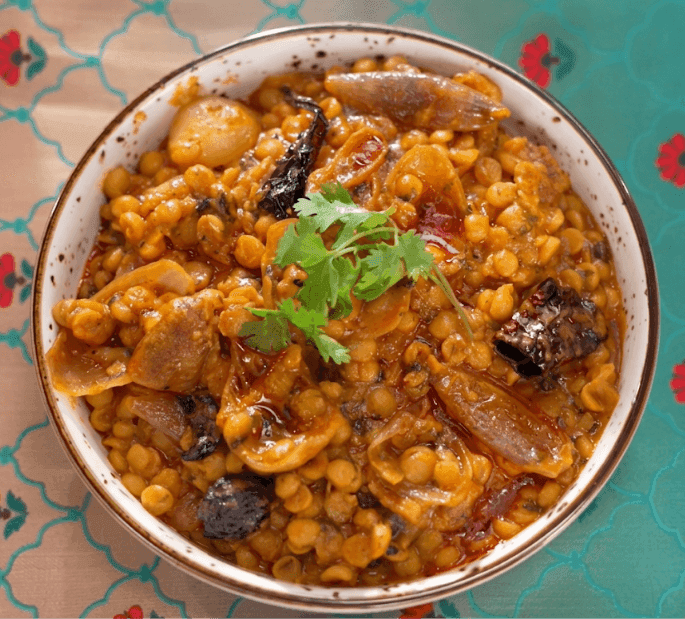
Ranveer Brar is one of India's most respected and widely followed chefs. His approach to chana dal is not a simplified home recipe. The recipe uses three elements that most home versions of chana dal completely miss: a whole-spice-based masala built on properly bloomed aromatics rather than just powdered spices; slow-cooking the dal in the spiced water rather than combining them only at the end; and most distinctively, a coal dhuan (smoke infusion) finish that adds a layer of smoky, outdoor-fire aroma that is the single defining characteristic of real dhaba cooking.
Why This Recipe Works Better Than Others
Whole Spices Bloomed in Ghee.
Ranveer Brar's masala is built on whole spices bloomed in ghee: cumin, bay leaves, dried red chillies, cloves, and black cardamom before any other ingredient enters the pan. Whole spices bloomed in fat release their essential oils completely and create a complex, layered aromatic base that powdered spices simply cannot replicate.
The Coal Dhuan
The coal smoke technique (dhuan) is the single most distinctive element of this recipe and the one that separates it from every other chana dal you will find online. A small piece of natural charcoal is heated until glowing, placed in a small foil cup in the centre of the finished dal, drizzled with ghee, and the pot is immediately covered for 3–5 minutes. The burning ghee-coal smoke infuses the entire dal with an outdoor, wood-fire aroma that cannot be achieved by any other method. This is how dhaba cooks replicate the effect of open-flame cooking in a home setting. It takes 5 minutes and transforms the dish completely.
Dal Cooked in Spiced Water
Most chana dal recipes boil the dal in plain water and then add it to a separately cooked masala. Ranveer Brar cooks the soaked dal in water that already contains whole spices and salt, so the chickpeas absorb spice flavour from the inside during the cooking process. When the spiced dal is later combined with the masala, the flavour integration is seamless and every chickpea is spiced through, not just coated on the outside. This is a professional kitchen technique that makes a significant and immediate difference to the depth of the finished dish.
Slow Cooking & Resting
Ranveer Brar does not shortcut the cooking time. Chana dal requires extended cooking to fully soften and develop its characteristic nutty, slightly sweet flavour. The recipe calls for low-flame cooking until the dal is completely tender and just beginning to break at the edges, not crunchy, not dissolved, but holding shape while being completely soft inside. Resting the finished dal for 10–15 minutes before serving allows the spices to settle and the flavours to integrate in a way that immediate serving does not achieve. This patience is professional technique, not tradition for its own sake.
prep time
15 min
soak time
8h
cook time
1h
servings
4
Ingredients
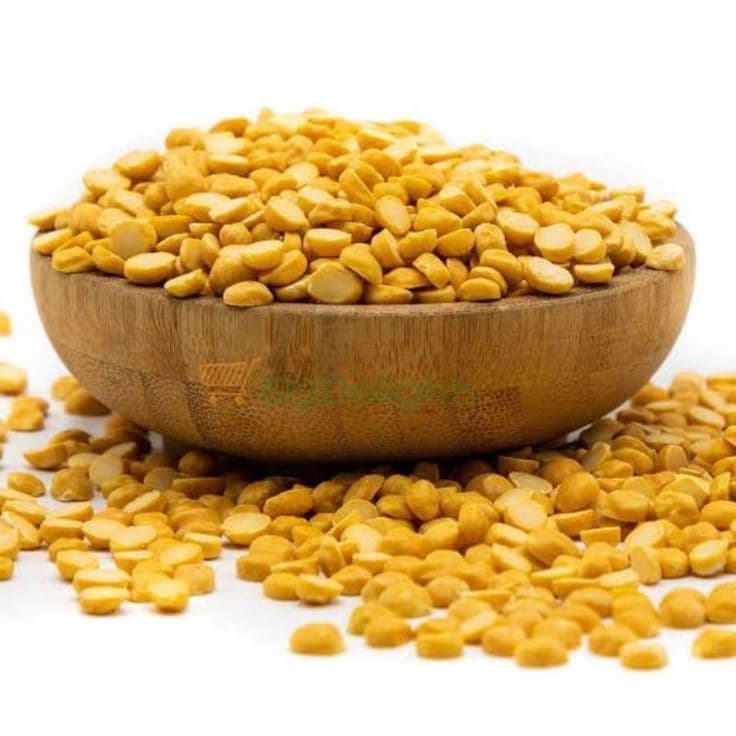 Chana dal200 g
1 cup
 Water3.5 cup
for boiling
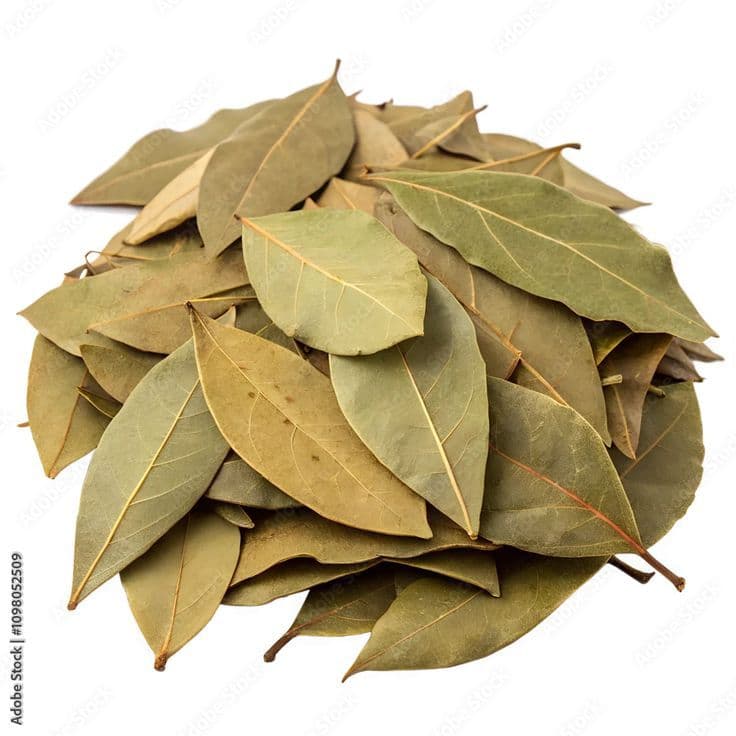 Bay leaves2 pieces
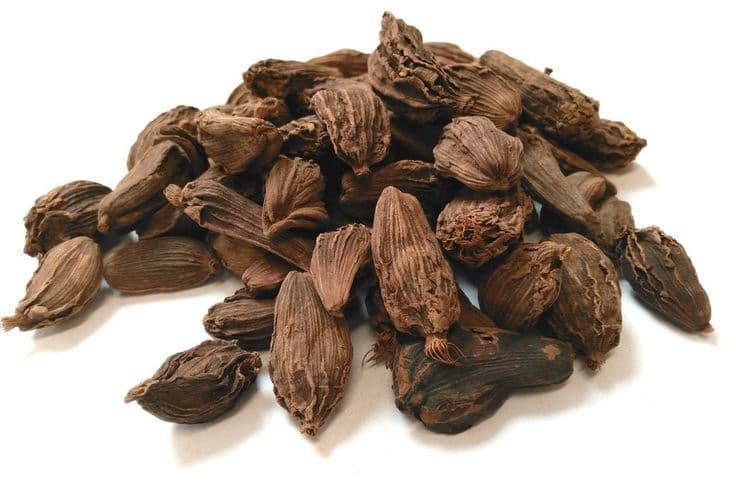 Black cardamom2 pods
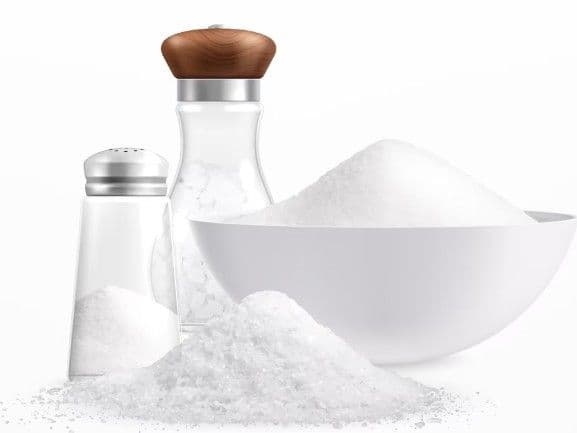 Salt0.5 tsp
adjust to taste
Method
SOAK THE CHANA DAL
Measure 1 cup (200g) of chana dal into a large bowl. Rinse under cold running water 3–4 times until the water runs completely clear. Cover with at least 3 inches of fresh cold water and soak for a minimum of 4 hours or overnight (8 hours) is ideal.
Chana dal has a tough outer membrane that soaking softens significantly, reducing cooking time and ensuring even, complete cooking throughout. Drain and discard the soaking water entirely before cooking.
Chef Tip:
Test whether chana dal is sufficiently soaked by splitting one piece between your fingernails. A properly soaked piece splits cleanly with minimal resistance and looks uniformly pale inside with no dark centre. A dark centre means more soaking time is needed.
COOK DAL IN SPICED WATER
Place the drained chana dal in a medium heavy-bottomed pot. Add 3.5 cups of fresh cold water, 2 cracked black cardamom pods, 2 bay leaves, ¼ tsp turmeric, and ½ tsp salt.
Bring to a vigorous boil over high heat, skimming off any white foam that rises in the first 3–4 minutes.
Reduce to medium-low heat, partially cover, and cook for 35–40 minutes, stirring occasionally, until the dal is completely tender and can be mashed between two fingers with no resistance.
The dal should hold its shape but be completely soft inside — not chalky or grainy. Remove and discard the whole spices. If using a pressure cooker, cook for 3–4 whistles on medium heat.
Chef Tip: Partially covering (not fully) during boiling allows excess steam to escape, preventing the pot from boiling over while maintaining enough heat for proper cooking. A fully covered pot of chana dal almost always boils over within 5 minutes.
BLOOM WHOLE SPICES IN GHEE
Heat 2 tbsp of ghee in a wide, heavy-bottomed pan over medium-high heat until it shimmers.
Add 1 tsp cumin seeds and wait for 15–20 seconds until they crackle and darken slightly.
Immediately add 3 whole dried red chillies, 4 cloves, 3 cracked green cardamom pods, and 1 bay leaf. Stir once and cook for 20–30 seconds until the spices are fragrant and the cloves have puffed slightly.
Add ¼ tsp asafoetida (hing), stir immediately, and cook for 5 seconds. The entire kitchen should smell deeply aromatic at this point.
Chef Tip: The order of adding whole spices matters. Cumin goes first because it takes longest to bloom. The smaller spices (cloves, cardamom) go next and need less time. Hing always goes last among the whole spices because it burns almost instantly in 5 seconds in hot ghee is sufficient. Burnt hing turns bitter and ruins the entire masala.
COOK ONION TO DEEP GOLDEN
Add the finely chopped onion to the spice-infused ghee. Stir to coat with the spices. Cook on medium-high heat, stirring every 2 minutes, for 12–15 minutes until the onion is a deep, consistent golden-brown, not pale, not burnt, but a rich amber throughout.
This is the longest active step and cannot be rushed without sacrificing the depth of the final masala. Reduce heat to medium if the edges darken too fast.
Chef Tip:
Ranveer Brar specifically uses finely chopped fresh ginger and garlic (not paste) in this recipe. The texture of fine chop integrates differently into the masala than paste. It creates small pockets of roasted ginger-garlic flavour rather than a smooth background note. This textural decision is deliberate and worth following.
ADD GINGER, GARLIC & GREEN CHILLIES
Add the finely chopped ginger (1 inch piece) and finely chopped garlic (5–6 cloves) to the golden onion.
Stir continuously for 2–3 minutes until the raw smell is completely gone and the mixture has turned a deeper golden colour.
Add 2–3 slit green chillies and cook for 1 more minute, stirring.
Chef Tip:
If the pan becomes too dry at this stage and the ginger-garlic begins to stick, add 1–2 tbsp of the reserved dal cooking liquid rather than plain water. The spiced cooking liquid adds flavour where plain water adds none.
ADD TOMATOES & COOK TO OIL SEPARATION
Add the 2 finely chopped tomatoes to the pan. Stir well and cook on medium heat for 10–12 minutes, pressing and mashing the tomatoes continuously with the back of a spoon, until they have completely broken down, the oil has visibly separated and is pooling at the edges, and the masala is dark, thick, and glossy.
This oil-separation point is the quality check, do not proceed until it is clearly achieved.
Chef Tip:
After the tomatoes fully break down, increase the heat to medium-high for 2 minutes before adding the powdered spices. This brief high-heat step drives off the last traces of tomato moisture and creates a drier, more concentrated masala base that absorbs powdered spices more evenly
ADD POWDERED SPICES & BHUNAI
Reduce heat to medium. Add ¾ tsp red chilli powder, 1.5 tsp coriander powder, ½ tsp cumin powder, and ¼ tsp turmeric to the masala. Stir immediately and continuously for 90 seconds.
Add ½ tsp amchoor (dry mango powder) and stir for 30 more seconds. If the mixture sticks, add 2 tbsp of dal cooking liquid and continue stirring.
The masala should smell intensely fragrant and the oil should separate again after the spice addition. Add ½ tsp garam masala last, stir for 20 seconds, and proceed immediately.
Chef Tip:
Amchoor (dry mango powder) is Ranveer Brar's specific addition to this recipe and is what distinguishes his version from standard chana dal recipes. It provides a fruity, tangy sourness that is more complex than lemon juice. It does not taste like mango but creates a bright, layered tartness in the background. Do not substitute with lemon juice, which is sharper and less integrated
COMBINE DAL WITH MASALA
Add the cooked chana dal and cooking liquid into the masala pan. Stir thoroughly to combine.
Add 1 tsp salt, taste, and adjust. If the consistency is too thick, add hot water a few tablespoons at a time.
Bring to a gentle boil, then reduce heat and simmer uncovered for 8–10 minutes, stirring occasionally.
The dal should be medium-thick, not watery, not paste-like. A few pieces can be gently mashed against the side of the pan to help thicken the gravy naturally.
Chef Tip:
Add the dal along with its spiced cooking liquid. That liquid is flavoured with black cardamom and bay leaf and is far more valuable than plain water for adjusting consistency. Draining it and using fresh water discards both flavour and colour that took 40 minutes to develop.
SMOKE INFUSION
This is the step that defines the dish. Using tongs, hold a small piece of natural wood charcoal directly over a gas flame until it is glowing red on all sides.
While it is heating, create a small cup from aluminium foil. Once the charcoal is fully lit and glowing, place the foil cup in the centre of the finished dal (directly on the surface).
Place the glowing coal into the foil cup. Drizzle 1 tsp of ghee over the hot coal, it will immediately begin to smoke intensely.
Cover the pot with a tight-fitting lid instantly. Leave covered for 3–5 minutes.
Remove the lid, discard the coal and foil cup, and stir gently. The dal will have absorbed a subtle, unmistakable smoky aroma.
Chef Tip:
Use only natural wood charcoal for the dhuan (smoke), never commercial briquettes, which contain chemical binders that produce toxic fumes and a harsh, chemical smoke. Natural wood charcoal is available at most grocery stores and barbecue shops. The entire coal process takes under 5 minutes and the impact on the dish is dramatic and immediate.
FINAL TADKA, GARNISH & SERVE
Heat 1 tbsp oil in a small pan until smoking. Remove from flame, add ¼ tsp Kashmiri red chilli powder off the heat, and stir.
Ladle the smoked chana dal into deep serving bowls.
Drizzle 1 tsp of fresh ghee over each bowl. Pour the Kashmiri chilli oil over the top in a thin drizzle.
Garnish with fresh ginger julienne, slit green chillies, and chopped coriander.
Chef Tip:
The final ghee drizzle directly onto the bowl which is separate from the cooking ghee is Ranveer Brar's specific finishing touch. It adds a fresh, aromatic top note that cuts through the spice and smoke and gives the dal a restaurant-level richness in the last moment. Do not skip this step
Secret Ingredient: Asafoetida (Hing) and Amchoor (Dry Mango Powder)
Asafoetida (hing) is a resin spice with a pungent, sulphurous raw smell that transforms completely when bloomed in hot ghee and becoming savoury, deeply umami, and subtly garlicky. It is the single most distinctive aromatic in dhaba cooking and the reason why dal from a roadside dhaba smells different from anything cooked at home without it. A quarter teaspoon in hot ghee is all it takes and its presence in the finished dish is unmistakable.
Dry mango powder provides a fruity, layered sourness that integrates into the masala during cooking, unlike lemon juice, which sits on top as a sharp, bright acidity. Amchoor gives Brar's chana dal its characteristic gentle tang that builds slowly as you eat and makes the dish feel more complex and complete than versions that rely on tomato acidity alone.
Nutritions
Per Serving (~210g)
People Also Ask
Asafoetida is a resin extracted from the roots of Ferula plants, dried and ground into a pale yellow powder. It has an extremely pungent raw smell often described as sulphurous that transforms completely into a savoury, umami-rich, mildly garlicky aroma when added to hot ghee. It is available at virtually any South Asian grocery store in small jars and is very inexpensive. If completely unavailable, omit it, do not substitute with garlic powder, which has a completely different flavour profile.
Yes, 3 to 4 whistles on medium heat with the same spiced water described in step 2. Allow the pressure to release naturally rather than forcing it. This allows the dal to finish cooking in the residual steam and produces a more evenly cooked result. Check for doneness after natural release; if not fully soft, return to pressure for 1 more whistle. Build the masala in a separate pan while the pressure releases.
Almost certainly insufficient soaking time. Chana dal that has not soaked for at least 4 hours has a tough outer membrane that resists water penetration during boiling. If you are mid-cook and the dal is still firm, continue boiling, add hot water as needed to keep the dal submerged and check every 10 minutes. It will eventually soften but may take up to 60–70 minutes total. For future batches, always soak overnight (8 hours) for the most reliable and fastest cooking.
You can use oil, but the whole-spice blooming stage is where ghee matters most in this recipe. Ghee has a nutty, dairy-derived richness that neutral cooking oil does not have, and the whole spices bloom differently in ghee than in oil more fully, with a more complex aromatic result. If ghee is unavailable, use unsalted butter as a partial substitute (1.5 tbsp butter in place of 2 tbsp ghee) which gives some of the same dairy richness. Neutral cooking oil works but produces a noticeably flatter aromatic base.