
Daal ka Halwa
Sonia Khan
Chef
“Sonia Khan is the founder of Sonia Khan Kitchen, one of Pakistan’s most trusted home cooking platforms. Known for her warm teaching style and precise, replicable recipes, she has helped generations of Pakistani home cooks master traditional mithai and desserts.”

Aarif
Food Journalist
Aarif is a devoted content writer at Regional Heritage Food (RHF), passionate about cooking and travel. He shares his culinary experiences and discoveries, inspiring others to explore new recipes and flavors.
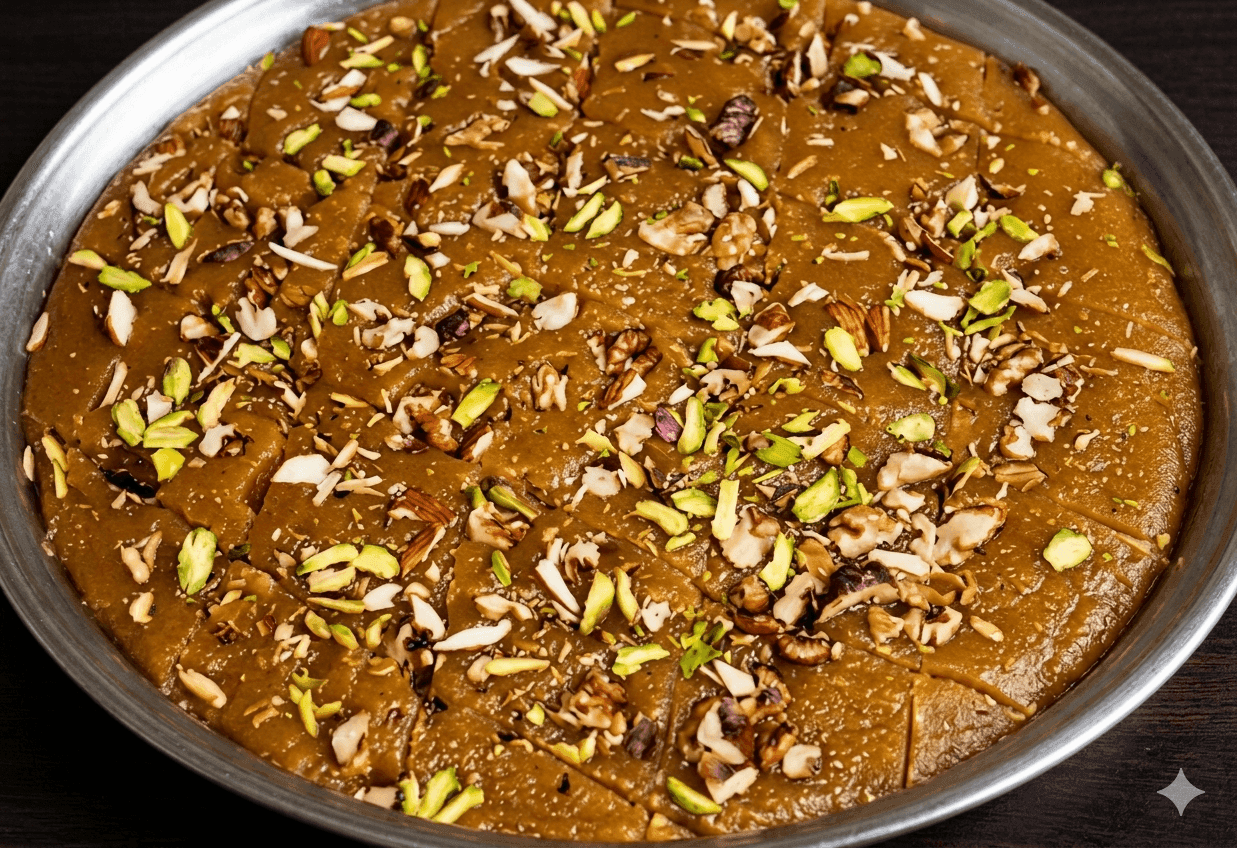
Chane ke Daal ka Halwa | Soaked, roasted, slow-cooked in ghee and finished with rich khoya
Halwa in Pakistan is not a single dish. It is a whole vocabulary of textures and occasions. Sooji halwa is the fastest, ten minutes from start to plate, made for guests who arrive unannounced or for a Sunday morning that needs something warm and sweet. Gajar ka halwa is the one that marks winter, made in large pots when the red carrots arrive at the sabzi mandi in November and December. And then there is chane ke daal ka halwa, the one nobody makes by accident, the one that announces the cook understood patience before they understood anything else about the kitchen.
Split chickpea halwa is not difficult. It is exacting. The daal must be soaked long enough that it blends without graininess but not so long that it ferments. The blended paste must be roasted in desi ghee for long enough that the raw legume smell disappears entirely and is replaced by something nutty and fragrant and deep. The sugar syrup must be at the correct stage before it meets the roasted paste. The khoya, stirred in at the end, must melt fully into the halwa without leaving visible lumps. Each of these steps is a decision, not a step, and each one made correctly produces a halwa that is smooth, rich, fragrant, and impossible to stop eating.
Sonia Khan’s recipe is trusted by Pakistani home cooks precisely because it describes all four of these decisions with the exactness they deserve. The soaking time is specified in hours, not as a vague ‘overnight.’ The roasting stage is described by smell and colour, not just by time. The sugar syrup stage is given a visual checkpoint. The khoya addition comes with instructions for what happens if you cannot find fresh khoya.
Why This Recipe Works Better Than Others
The Soaking Time Controls the Texture of the Entire Halwa:
Chane ki daal that has not soaked long enough blends to a coarse, gritty paste that no amount of roasting can fully smooth out. Daal that has soaked too long in warm conditions begins to ferment slightly, producing a sour note that persists through cooking and ghee and sugar alike. Sonia Khan’s recipe specifies 4 to 6 hours in cold water, enough for the lentils to absorb water fully and soften to the core, but short enough that fermentation is never a risk. Blended after this period, the paste is silky and fine without any raw coarseness.
Dry Roasting in Ghee Is a Two-Stage Smell Test, Not a Timer:
Roasting the daal paste in ghee is the central technical challenge of this recipe. Under-roasted paste smells of raw lentil and produces a heavy, starchy halwa with a flat flavour. Over-roasted paste burns the sugars in the lentil and produces a bitter halwa that no amount of sweetness can fix. Sonia Khan instructs the cook to roast until the paste smells nutty and toasted and the ghee visibly separates from the daal. These are smell and sight checkpoints, not time checkpoints, because every stove and every pan reaches this point at a slightly different pace.
One-String Sugar Syrup Is the Precise Stage This Halwa Requires:
Adding sugar directly to the roasted daal creates an uneven distribution that produces grainy patches in the finished halwa. Adding sugar dissolved in too much water produces a halwa that must cook much longer to expel the excess liquid, risking over-cooking the daal paste in the process. A one-string syrup as sugar dissolved in exactly the right amount of water and cooked to the stage where a drop pulled between thumb and finger forms a single thread — provides the correct amount of sugar in the correct concentration. It incorporates smoothly into the roasted paste in minutes.
Cardamom and Kewra Water Are Added After the Heat Is Off:
Both cardamom powder and kewra water (screwpine essence) contain volatile aromatic compounds that evaporate rapidly under heat. Added to a hot pan still on the flame, most of their fragrance cooks off before it can be tasted in the finished halwa. Sonia Khan adds both after the pan has been removed from heat, stirring them into the halwa while it is still warm but no longer cooking. This single decision is what makes her halwa smell the way it does fragrant, floral, with a cardamom note that lingers rather than having cooked away.
Khoya Stirred in at the End Adds Richness That Ghee Alone Cannot:
Ghee provides fat-based richness. Khoya reduced whole milk solids provides a different quality: the caramelised milk proteins and lactose that develop during the long milk-reduction process. Stirred into the finished halwa while it is still hot, khoya melts completely and distributes through the mass, adding a depth of dairy richness and a slight grainy texture at the surface that is characteristic of traditional Pakistani mithai. A halwa made without khoya is good. A halwa made with khoya is the one guests ask for the recipe to.
prep time
15 min
soak time
6h
cook time
1h 15m
servings
6
Ingredients
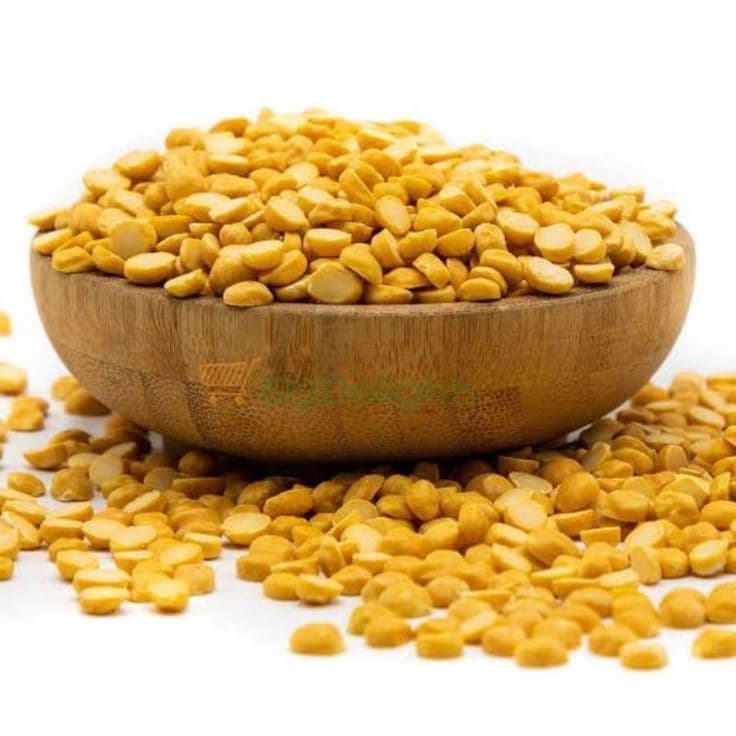 Chane ki daal250 g
yellow split chickpea
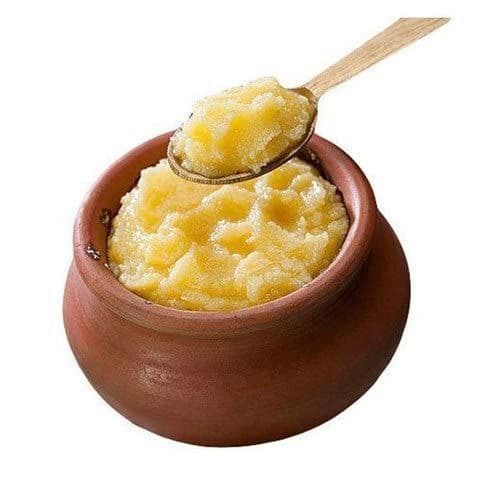 Desi Ghee5 tbsp
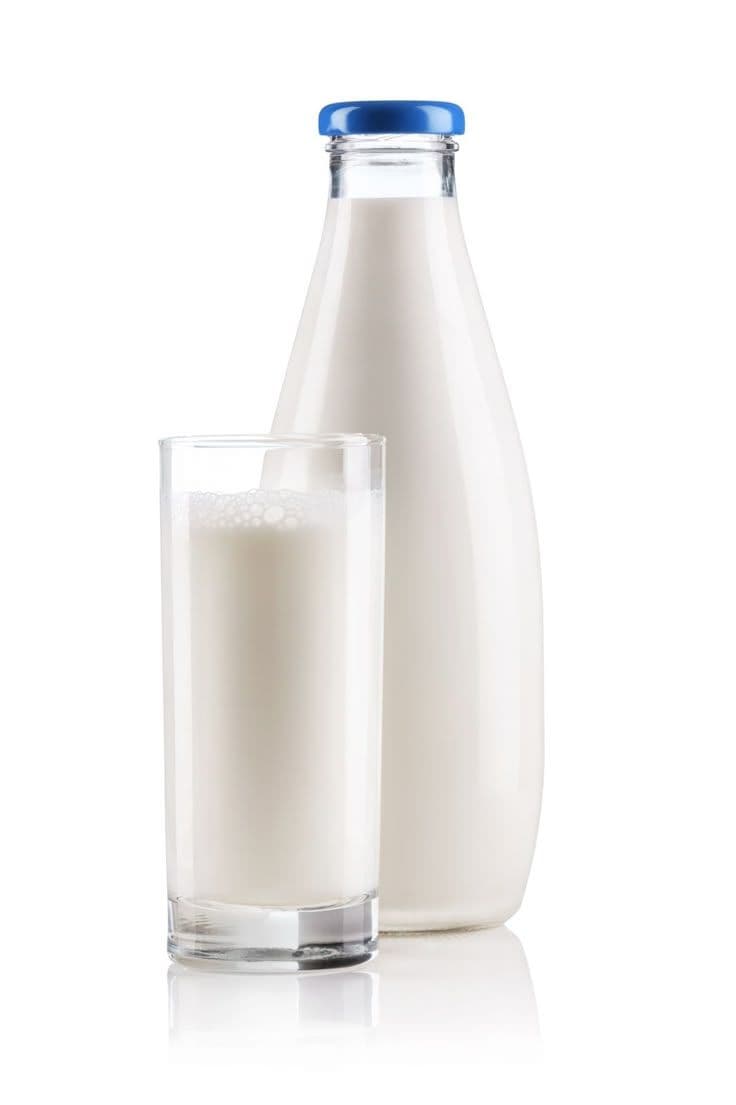 Milk4 tbsp
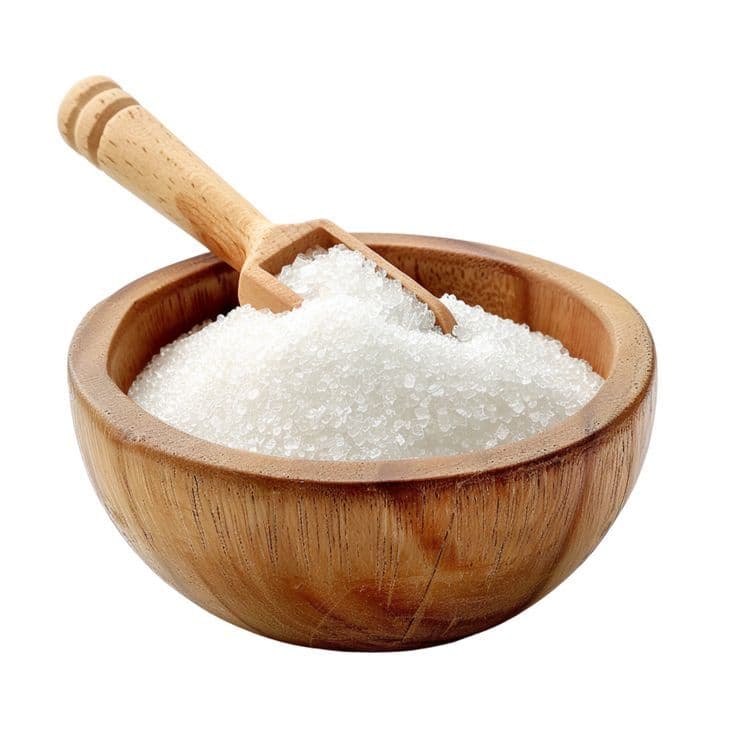 sugar175 g
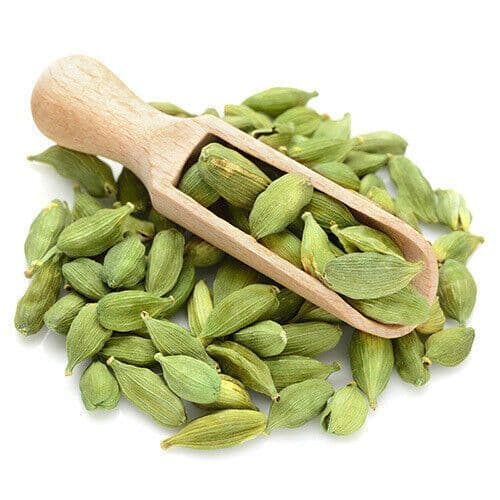 Green cardamom6 pods
finely crushed
Method
Soak The Daal
Rinse 250 g of chane ki daal in three changes of cold water, agitating each time to remove surface starch. The water will run cloudy at first and clear progressively with each rinse. Continue rinsing until the water runs nearly clear.
Place the rinsed daal in a large bowl and cover with cold water by at least 5 cm. The daal will expand significantly during soaking. Leave at room temperature for 4 to 6 hours. After 4 hours, press a lentil between your fingers, it should crush easily without any hard centre remaining.
After soaking, drain the daal completely and discard the soaking water. Do not use the soaking water for cooking, it contains surface starches and enzyme inhibitors that can produce flatulence and dull flavour
Chef’s Tip
Do not soak chane ki daal overnight in warm weather. At temperatures above 25 degrees Celsius, a soaking period beyond 6 to 7 hours risks early fermentation, especially in summer kitchens. Fermented daal has a faintly sour smell when drained if you detect this, discard the batch and begin again with fresh daal and a shorter soak. In winter kitchens, an 8-hour soak is generally safe because the cooler ambient temperature slows fermentation significantly.
Blend The Daal To A Smooth Paste
Drain the soaked daal and transfer to a blender. Add 4 tablespoons of full-fat milk. Blend on high speed for 90 seconds, scraping down the sides once halfway through, until the paste is completely smooth with no visible grain or texture remaining.
The correct consistency is thick, thicker than a batter, closer to a very stiff yoghurt. It should fall off a spoon in a slow, heavy mound rather than flowing freely. If the paste is too stiff for the blender to work smoothly, add an additional tablespoon of milk and blend again.
Transfer the blended paste to a bowl. It will be a pale cream-yellow colour with a raw, slightly beany smell. Both the colour and smell will transform completely during the roasting stage.
Chef’s Tip
A high-powered blender produces a noticeably smoother paste than a standard kitchen blender. If using a standard blender, blend in two or three batches rather than overloading the jar, and extend the blending time to 2 to 3 minutes total. The smoothness of the paste directly determines the smoothness of the finished halwa. Any visible grain or coarseness in the blended paste will remain as a textural imperfection in the finished halwa regardless of how long the mixture is cooked
Roast The Daal Paste In Ghee
Heat 5 tablespoons of desi ghee in a heavy-bottomed karahi or wide pan over medium heat until the ghee is fully melted and shimmering. A heavy-bottomed pan is not optional, thin pans develop hot spots that scorch the daal paste at the edges while the centre remains undercooked.
Add the blended daal paste to the hot ghee all at once. The paste will spit and sizzle immediately on contact with the hot fat. Stir vigorously and continuously from the moment the paste enters the pan.
Cook over medium heat, stirring continuously and scraping from the bottom, for 25 to 35 minutes. The paste will go through distinct visual stages: first it will loosen slightly as the moisture evaporates, then it will tighten and begin to look drier, then it will begin to change colour from pale cream to a deeper golden-yellow, and finally the ghee will begin to separate visibly around the edges of the paste.
The roasting is complete when three conditions are met simultaneously: the paste is a deep golden colour throughout, it smells strongly nutty and roasted with no raw lentil note remaining, and the ghee has separated cleanly and is visible at the sides and bottom of the pan.
Chef’s Tip
This is the stage that defines the halwa. Under-roasting by even 5 minutes produces a halwa with a flat, slightly starchy flavour and a heavy texture. Over-roasting by even 3 to 4 minutes beyond the oil-separation stage produces a bitter, dry halwa that cannot be corrected. Watch for the ghee separation as your primary checkpoint, verify it with the smell test, and remove from the heat or add the syrup immediately when both indicators are met. Do not leave the pan unattended during this stage.
Prepare The One-String Sugar Syrup
While the daal paste is in its final roasting minutes, combine 175 g of sugar and 120 ml of water in a separate small saucepan. Stir to dissolve the sugar roughly and place over medium-high heat.
Bring the syrup to a boil without stirring. Once boiling, reduce the flame to medium and cook for 5 to 7 minutes until the syrup reaches the one-string stage. To test: dip a clean spoon into the syrup, allow it to cool for 10 seconds, then press a small drop between your thumb and index finger and pull them apart slowly. A single thread should form and hold before breaking. If no thread forms, cook for another 2 minutes and test again.
Remove the syrup from heat the moment the one-string stage is confirmed. It will continue to cook from residual heat in the saucepan for a brief period even off the flame. Have the roasted daal paste ready in the pan before the syrup is done.
Chef’s Tip
The one-string syrup stage is approximately 107 to 110 degrees Celsius if you are using a cooking thermometer. This is softer than the two-string stage used for barfi and firmer than a simple sugar solution. If the syrup goes past one-string to two-string, the halwa will set too firmly and lose its soft, fudgy texture. If this happens, add 2 tablespoons of warm water to the syrup, stir, and re-test before adding to the daal paste.
Combine Syrup With Roasted Daal
Return the pan of roasted daal paste to medium-low heat. Pour the one-string sugar syrup into the roasted daal paste in a slow, steady stream, stirring continuously as you pour. The mixture will splutter as the hot syrup hits the hot fat, stand back slightly and use a long-handled spoon.
Stir vigorously and continuously for 3 to 4 minutes as the syrup incorporates into the paste. The halwa will initially loosen as the liquid enters, then tighten progressively as the mixture cooks together and the water evaporates.
Continue cooking and stirring over medium-low heat until the halwa pulls away cleanly from the sides of the pan when stirred, a mass that moves as a single unit rather than sticking to the sides. This takes approximately 8 to 12 minutes after the syrup is added.
Chef’s Tip
The moment the halwa begins to pull cleanly from the sides is the moment to add the khoya. Do not continue cooking beyond this point before adding the khoya, as the halwa will set as it cools and become difficult to incorporate the khoya evenly. The pull-from-sides test is the visual confirmation that the water from the syrup has cooked out and the halwa has reached the correct sugar concentration for a soft, fudgy set.
Add Khoya And Finish Off The Heat
Crumble 100 g of fresh khoya directly into the halwa while it is still hot and on medium-low heat. Stir continuously for 2 to 3 minutes until the khoya melts completely and no visible lumps remain. The halwa will become visibly richer in colour and the texture will shift from slightly grainy to smoother and more cohesive.
Remove the pan from heat completely. Add half a teaspoon of kewra water and the freshly ground cardamom. Stir well to incorporate both aromatics throughout the halwa.
Taste the halwa at this stage. It should be sweet, rich, deeply fragrant with cardamom and kewra, and smooth with a slightly sticky, fudgy texture. Adjust sweetness only by increasing the sugar in future batches, adding more sugar at this stage will create graininess as it cannot dissolve properly into the finished halwa.
Chef’s Tip
Adding both kewra water and cardamom after the pan has left the heat is not a preference, it is the correct technique. Both aromatic compounds are heat-sensitive and evaporate rapidly when exposed to a hot cooking surface. Added off the heat into a warm but no longer cooking halwa, they disperse through the mass and remain present in the finished dish. Added on the flame, most of their fragrance will have cooked off before the halwa reaches the serving plate.
Set, Garnish, And Serve
Transfer the finished halwa to a greased serving tray or individual bowls while it is still warm and pourable. Spread evenly with the back of a spoon if using a tray. The halwa will firm slightly as it cools but should remain soft and yielding not hard or brittle.
Scatter the lightly toasted slivered almonds and pistachios over the surface generously. If using silver varq, apply sheets now while the surface is still slightly warm and adhesive.
Serve warm for the best experience of the fragrance and soft texture. The halwa can also be served at room temperature. To reheat, warm in a heavy pan over very low heat with a small splash of milk, stirring gently to restore the soft texture.
Chef’s Tip
Chane ke daal ka halwa keeps very well at room temperature in a covered container for 2 to 3 days in cool weather and refrigerated for up to a week. The ghee content preserves it naturally. If storing in the refrigerator, the halwa will firm considerably when chilled, this is normal. Always bring it back to room temperature or warm gently before serving. Cold halwa straight from the refrigerator is dense and the fragrance of the kewra and cardamom is significantly muted by the cold.
Master Tip: The Ghee Is Not the Problem
I have received the same message from home cooks hundreds of times: ‘My halwa is dry and it has a raw taste. I reduced the ghee to make it healthier.’ Chane ke daal ka halwa cannot be made healthier by reducing the ghee. The ghee is not in the recipe to add calories, it is there because the daal paste will not roast correctly in insufficient fat. Insufficient ghee means the paste sticks, burns on the bottom, and never develops the nutty depth that defines this dish. Use the full quantity. This is a special-occasion halwa. Make it properly.
Nutritions
Per Serving (~ 120g halwa with garnish)
People Also Ask
No. Desi ghee is not substitutable in chane ke daal ka halwa. The flavour of the roasted daal paste is built almost entirely on the reaction between the lentil sugars and proteins and the desi ghee during the long bhuno stage. Neutral oil produces a flat, bland roasted paste that does not develop the nutty, caramelised depth that defines this dessert. Vegetable ghee is a closer substitute but still significantly inferior. If desi ghee is genuinely unavailable, unsalted butter can be used as a last resort, it produces a similar flavour due to its milk solid content but the texture and fragrance of the finished halwa will be noticeably different.
Graininess in chane ke daal ka halwa has two primary causes. The daal was not blended to a completely smooth paste before roasting, any texture in the paste is permanent and cannot be cooked out later. Or the sugar syrup was past the one-string stage and had already crystallised partially when added to the daal. A syrup that has gone too far introduces crystalline sugar particles into the halwa that do not dissolve during the final cooking stage. Test the syrup stage carefully and add it to the daal immediately when confirmed.
Yes, though the richness and surface texture of the finished halwa will be slightly different. The most reliable substitute for 100 g of fresh khoya is 4 tablespoons of full-fat milk powder mixed with 2 tablespoons of heavy cream worked into a smooth paste before adding. This replicates the milk solids and fat content of khoya reasonably well. Condensed milk can also be stirred in, use 3 tablespoons and reduce the sugar by approximately 20 g to compensate for the sweetness of the condensed milk. Neither substitute produces an identical result to fresh khoya but both produce a very good halwa.
Three simultaneous indicators confirm the roasting is complete. First, the colour: the paste should have changed from its original pale cream-yellow to a deep, warm golden colour throughout, not just at the surface but when you scrape from the bottom of the pan. Second, the smell: the raw, beany smell of the uncooked lentil paste should have disappeared entirely, replaced by a warm, nutty, toasted aroma. Third, the ghee separation: the desi ghee should be visibly separating around the edges and bottom of the pan and the paste should no longer be absorbing it. All three must be present simultaneously. One or two indicators without the third means more roasting is needed.