
Cold Brew Coffee

Jamie Oliver
Chef
“Jamie Oliver is a British chef and restaurateur known for simple, healthy cooking. Rising to fame with The Naked Chef, he champions fresh ingredients, school food reform, and accessible recipes, becoming one of the world’s most influential culinary figures.”

Aarif
Food Journalist
Aarif is a devoted content writer at Regional Heritage Food (RHF), passionate about cooking and travel. He shares his culinary experiences and discoveries, inspiring others to explore new recipes and flavors.
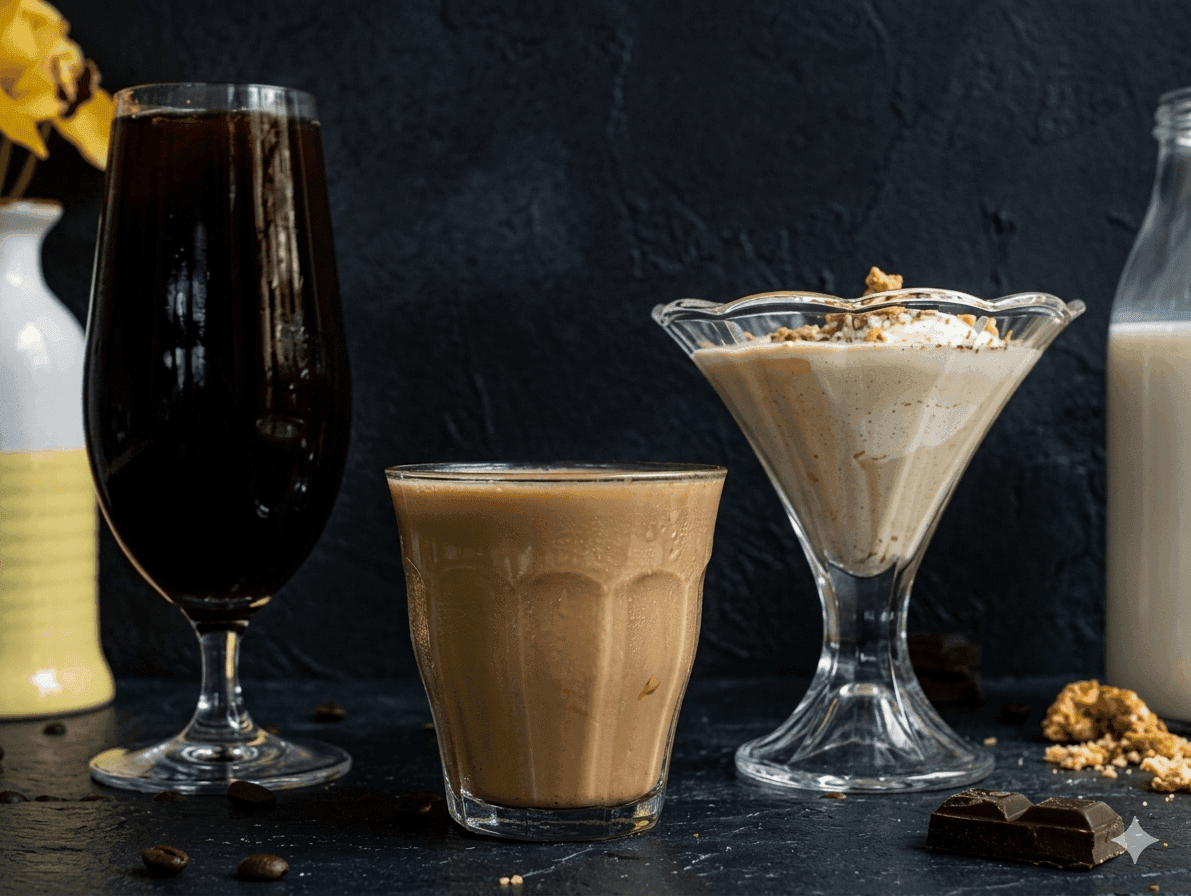
The Smoothest, Sweetest Cold Coffee You Will Ever Make at Home.
Cold brew is not iced coffee. Cold brew is the original form, the patient form, the form that rewards you with something genuinely different. The difference between cold brew and iced coffee is not a matter of temperature preference, it is a matter of chemistry.
When coffee grounds steep in cold water for 18-24 hours, the extraction is slow and selective, the gentler process draws out the aromatic and sweet compounds while leaving more of the harsh acids and bitter elements behind. This is why cold brew coffee is naturally lower in acidity and tastes sweeter than hot-brewed coffee of the same bean, without any added sugar.
Jamie Oliver's cold brew recipe is built on three decisions: a 1:8 coffee-to-water ratio, a coarse grind and a multi-stage straining process.The result is a clean, clear, deep brown liquid that keeps in the refrigerator for up to a month and costs a fraction of a daily cafe order
Why This Recipe Works Better Than Others
The 1:8 Ratio Produces a Versatile Concentrate
A 1:8 coffee-to-water ratio, 125g of coffee grounds to 1 litre of water produces a concentrate that is strong enough to dilute with milk, water, or ice without losing its coffee character, but not so concentrated that it tastes overwhelmingly intense. This is the ratio Jamie Oliver specifies and it is the sweet spot between a too-weak brew that tastes thin and watery, and an overly strong concentrate that feels medicinal.
Coarse Grind Prevents Bitterness and Cloudiness
The specific instruction to grind coffee to the consistency of breadcrumbs, not fine espresso powder, not medium filter grind, but coarse breadcrumb-sized particles is the most technically important detail of the recipe. Fine particles over-extract during the long steep, releasing the bitter compounds that cold water normally avoids. They also pass through the straining cloth and create a murky, sediment-heavy drink. A coarse grind extracts slowly and cleanly, producing a smooth, clear cold brew. This is why Jamie Oliver specifies checking the grind output before committing the full batch.
Multi-Stage Straining Creates a Clear, Sediment-Free Drink
The recipe calls for straining two to three times, first through a sieve to remove the larger grounds, then through muslin cloth or paper towel, repeated until the pour shows no murky residue at the bottom. Each pass of straining removes progressively finer particles. A single-strain cold brew always has a slightly cloudy, silt-like quality at the bottom of the glass. The multi-strain method produces a drink that is as clear and clean as bought cold brew at a fraction of the cost.
No Equipment Required Beyond Kitchen Basics
Unlike pod coffee machines, espresso equipment, or dedicated cold brew devices, this recipe uses only a large mason jar, a sieve, and muslin or paper towel, items available in any home kitchen. Jamie Oliver explicitly addresses this: 'You don't actually need to buy anything to brew cold coffee at home, as you probably already have everything you need.' This is why the recipe has been adopted so widely. The barrier to entry is purely time, not money or equipment.
prep time
5 min
Steep Time
24h
Strain Time
10 min
servings
6
Ingredients
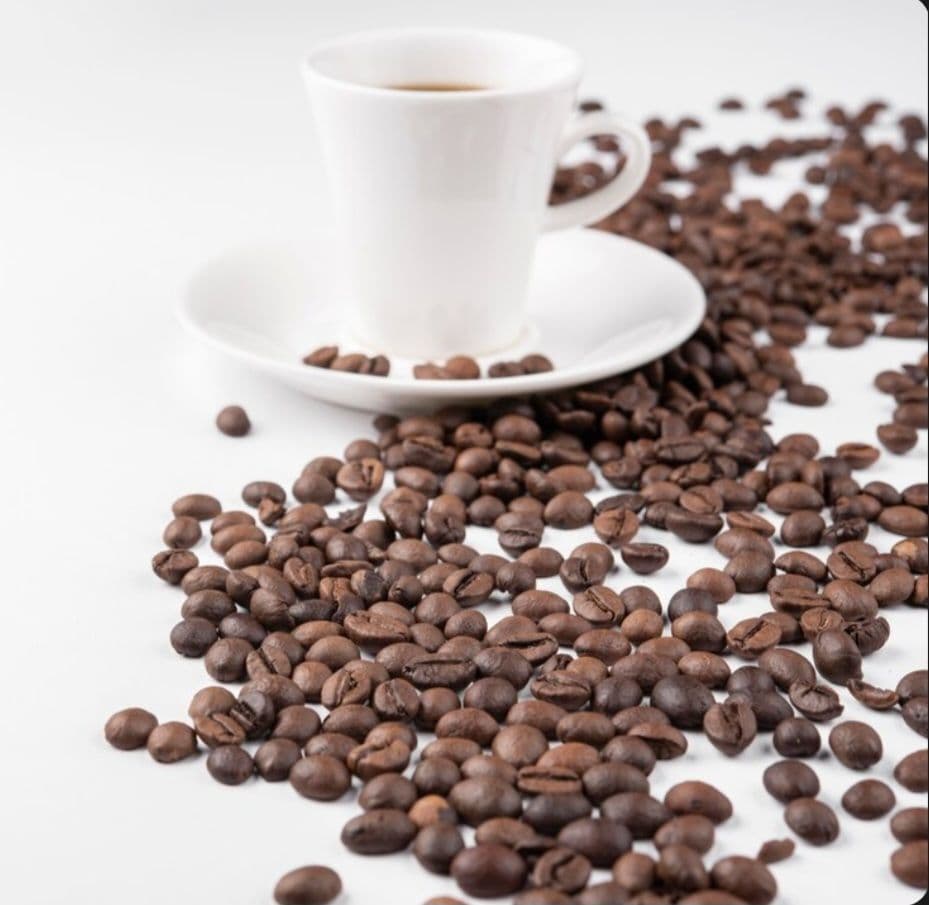 Coffee beans125 g
coarse ground (large, chunky particles)
 Cold Water1 litre
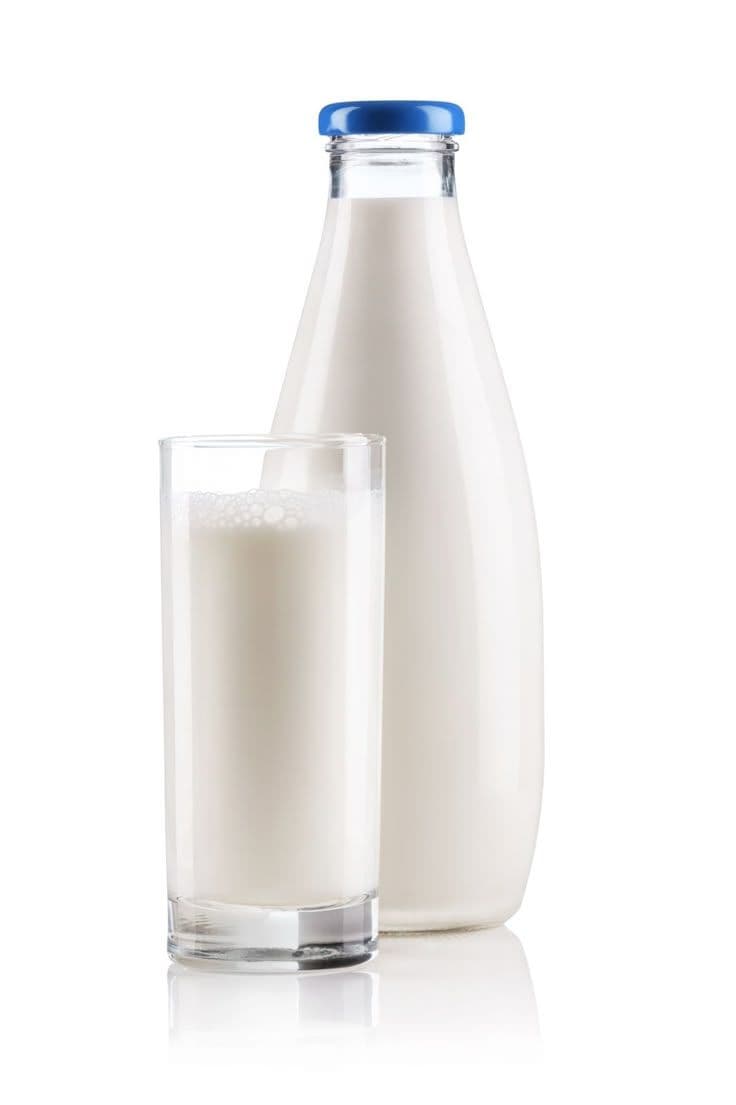 Milk0.25 cup
optional, cod milk or oat milk
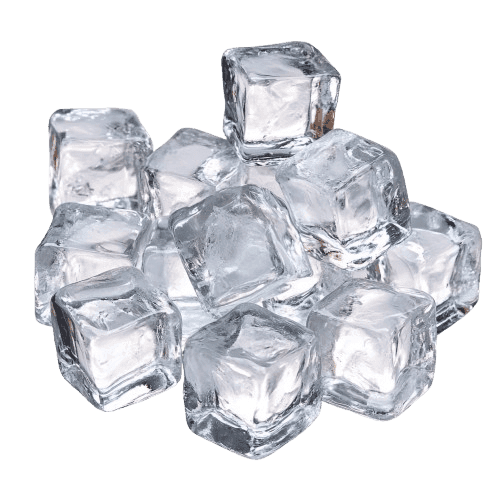 Ice cubes1 Cup
per glass or adjust to taste
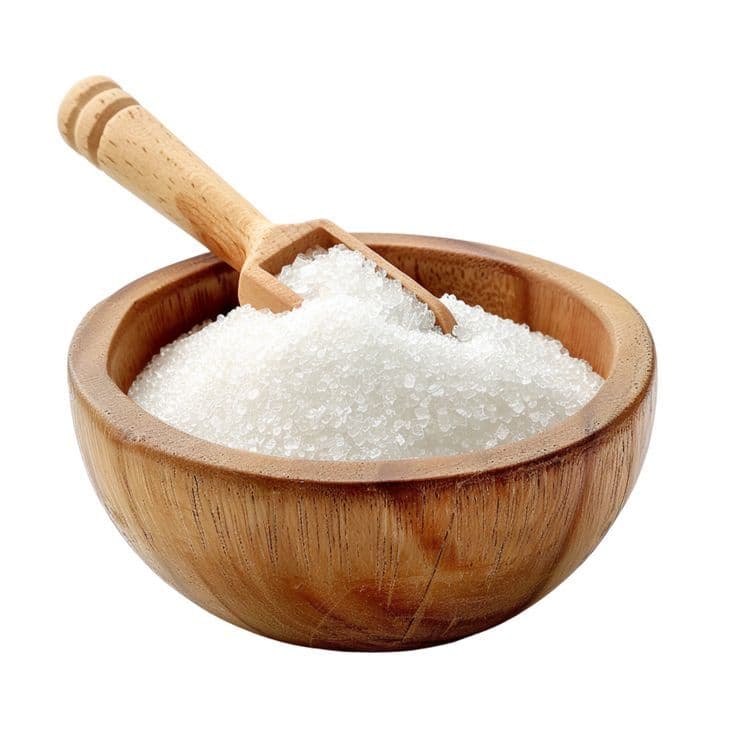 Sugar1 tsp
Sugar is optional, adjust to taste
Method
Grind the Coffee Beans to a Coarse Consistency
Set your coffee bean grinder to its coarsest setting.
Grind a small test amount first and examine the output. The grounds should look and feel like coarse breadcrumbs.
Individual particles should be visible and distinct, roughly 2-3mm in size.
They should not look like fine powder (espresso grind), nor like a fine sandy texture (filter grind).
If the grind is too fine, increase the coarseness setting and test again before grinding the full 125g.
If you do not have a grinder, ask your coffee supplier to grind the beans on the coarsest setting, or purchase pre-coarsely-ground coffee labelled as suitable for French press or cold brew.
Chef's Tip:
Check the grind before committing the full batch. Grinding too fine is the most common cold brew mistake and the only one you cannot correct after the fact. Fine grounds over-extract during the long steep and also pass through the straining cloth, creating a murky, bitter drink. 30 seconds checking the test grind prevents hours of wasted steeping time.
Sterilise the Mason Jar
Wash a large mason jar or lidded container thoroughly with hot soapy water, rinse well, and allow to air dry completely or sterilise by filling with boiling water for 30 seconds and emptying.
Sterilising is especially important because the cold brew will sit at room temperature or in the fridge for 18-24 hours.
Any residual bacterial contamination in an unsterilised jar can affect the flavour and safety of the finished cold brew.
A 1.5-litre mason jar is ideal for this recipe, large enough to hold the grounds and water with room to stir.
Chef's Tip:
A French press can replace the mason jar entirely and simplifies the straining step significantly. Add the grounds to the French press, cover with cold water, place the lid on top (do not press the plunger), and steep for 18-24 hours. When brewed, press down the plunger slowly to separate the grounds, then pour the strained coffee into a clean storage jar. One straining pass through a paper towel after pressing produces a clean, clear cold brew.
Combine Coffee Grounds and Cold Water
Place the 125g of coarsely ground coffee in the bottom of the sterilised mason jar.
Pour 1 litre of cold filtered water over the grounds, covering them completely.
Using a long spoon, stir gently for 30-45 seconds until all the grounds are saturated and evenly dispersed through the water.
There should be no dry islands of grounds floating above the water surface.
Secure the lid on the jar.
The mixture will look dark, murky, and cloudy. This is completely normal at this stage.
The straining process will produce the clear liquid later.
Chef's Tip:
Use cold filtered water rather than tap water if possible. The minerals and chlorine treatment in tap water affect coffee flavour noticeably in cold brew because there is no heat to drive them off during brewing. Filtered water produces a cleaner, more neutral base that allows the coffee character to come forward. If only tap water is available, fill the container and leave uncovered in the refrigerator overnight first to allow chlorine to dissipate before using.
Steep for 18-24 Hours
Leave the sealed jar to steep at room temperature or in the refrigerator for 18-24 hours.
Both locations work, at room temperature the extraction is slightly faster and the flavour is marginally more pronounced; in the refrigerator the extraction is gentler and the flavour profile is a little cleaner and lighter.
Jamie Oliver specifies that either is acceptable. Do not stir or disturb the jar during steeping.
The grounds will settle gradually over the steeping period. This is normal and is part of the process , do not mistake the settling for a sign that the brew has failed.
Chef's Tip:
18 hours is the sweet spot. Steeping for 12 hours produces a light, under-extracted cold brew that lacks the depth and sweetness of the finished recipe. Steeping for more than 24 hours begins to extract more of the bitter compounds that the cold water process normally avoids. The coffee will still be drinkable but will be slightly more astringent. If your schedule means the jar will be unattended for 24+ hours, steep in the refrigerator rather than at room temperature to slow the extraction naturally.
First Strain: Remove the Large Grounds
After steeping, place a fine-mesh sieve over a large clean bowl.
Pour the entire contents of the mason jar slowly through the sieve.
The large coffee grounds will be caught by the sieve.
Once drained, discard the spent grounds, ideally into a compost bin, as used coffee grounds are an excellent garden fertiliser.
The strained liquid in the bowl will still appear slightly murky and may have a fine powdery residue.
Do not skip the second straining stage. Wash and dry the mason jar for reuse in the next step.
Chef's Tip:
Pour slowly and steadily during the first strain. Pouring too quickly forces fine particles through the mesh of the sieve along with the liquid, defeating the purpose of the first straining pass. Let gravity do the work and resist pressing or squeezing the grounds to extract more liquid. The grounds retain some liquid but pressing them releases the over-extracted bitter compounds you have worked the last 18-24 hours to avoid.
Second and Third Strain: Remove Fine Particles
Line the cleaned sieve with a sheet of muslin cloth, or fold 3-4 sheets of paper towel to fit and tuck them into the sieve.
Place this lined sieve over the cleaned mason jar.
Pour the once-strained liquid from the bowl slowly through the lined sieve back into the jar.
As the last pour finishes, examine the bottom of the bowl, if you see any murky residue or fine dark particles, repeat the straining process with fresh muslin or paper towel.
Repeat until the pour shows no residue at all. The finished cold brew should be clear, deeply dark brown, and almost transparent when held to the light.
Chef's Tip:
Paper towels are the most accessible straining material and work excellently. 3-4 sheets folded and laid in the sieve produce a tight enough barrier to catch fine particles. Coffee filters (paper ones) work even better and produce an exceptionally clear cold brew, though they are slower to drain. Muslin cloth is reusable and sustainable, making it the environmentally preferable option. Whichever material you use, do not squeeze or press it to speed drainage — allow the liquid to filter through under its own weight
Store and Serve
Seal the strained cold brew concentrate in the clean mason jar with a tight lid.
Label it with the date. Store in the refrigerator.
To serve, fill a glass with ice and pour 75-100ml of cold brew concentrate over the ice.
Add milk (dairy or plant-based) to taste, or dilute with cold water if you prefer a lighter, black cold coffee.
Sweeten with sugar, a simple syrup, or a splash of vanilla or hazelnut syrup if desired.
The concentrate is strong enough that 75-100ml in a 300ml glass with ice and milk produces a well-balanced cold coffee drink.
Sip immediately or keep cold.
Chef's Tip:
For the Jamie Oliver iced coffee hack method (ideal for busy mornings): freeze leftover cold brew concentrate in an ice cube tray overnight. In the morning, add a little fresh hot coffee to allow the cubes to begin thawing, then top with your milk of choice. The coffee ice cubes chill the drink without diluting it as they melt. Every sip stays full-flavoured to the last drop, unlike regular ice cubes made of water.
Master Tip: Cold Brew Can Be Served Hot.
Cold brew coffee isn't just for summer, you can also enjoy it hot. Simply mix your cold brew concentrate with boiling water (1 part cold brew to 2–3 parts hot water) and you get a smooth, sweet hot coffee with none of the bitterness of regular brewed coffee. This works because cold brew has no grounds left in it, so the gentle flavours hold up perfectly even when mixed with hot water.
Nutritions
Per Milk Glass (~300ml) | Per black (no sugar ~5 Kcal)
People Also Ask
Iced coffee is hot-brewed coffee poured over ice. Cold brew is coffee grounds steeped in cold water for 18-24 hours. The chemical difference is significant: hot water rapidly extracts all soluble compounds including bitter acids and harsh compounds, which is why iced coffee often tastes sharp. Cold water extracts much more slowly and selectively, drawing out sweet and aromatic compounds while leaving more of the harsh acids behind. The result is that cold brew is naturally sweeter, less bitter, and less acidic than iced coffee made from the same beans without any added sugar.
Properly strained and stored cold brew concentrate keeps in the refrigerator in a sealed jar for up to 2-4 weeks. The key is that the grounds must be fully strained out, residual grounds continue to extract and will make the cold brew increasingly bitter and murky over time. A well-strained cold brew in a sterilised, sealed jar at consistent refrigerator temperature will remain fresh, clean, and flavourful for at least 2 weeks.
Technically yes, but the result is a fundamentally different drink. Instant coffee dissolves rather than steeping, so it does not require 18-24 hours, it dissolves immediately in cold water. The flavour will not have the same sweetness or depth as cold-steeped ground coffee because instant coffee is already pre-extracted and does not benefit from the slow cold-water extraction process. If you want a quick cold coffee with instant coffee, dissolve 2 teaspoons of good instant coffee in 1 cup of cold water, add ice and milk, and serve. It is decent but it is not cold brew in the Jamie Oliver sense.
Almost certainly a grind that was too fine. Fine grounds pass through the straining cloth and create exactly this cloudy, gritty result. For future batches, increase the grind coarseness and check the breadcrumb consistency before steeping. For the current batch, strain through additional layers of paper towel or a coffee filter, this will remove much of the fine sediment. The flavour may also be slightly more bitter than intended due to over-extraction from the finer grind. This batch is still drinkable, just dilute it more with milk or water than you normally would
Yes. Most supermarkets and coffee shops will grind beans to your specification at no extra charge specify the coarsest setting available, typically labelled as 'French press' or 'cold brew.' Whole beans cannot be used unground for cold brew; the water has no way to extract the coffee through the intact bean surface. Pre-ground coffee sold as 'coarse grind,' 'French press grind,' or 'cold brew grind' can also be used directly. Standard medium or fine pre-ground coffee (the most commonly sold type) is too fine for cold brew, it will produce a cloudy, bitter result.