
Tandoori Chargha

Mubashir Saddique
Chef
“Mubashir Saddique is the visionary behind Village Food Secret, showcasing traditional Punjabi rural cooking from Shahpur, Pakistan. Launched in 2017, his channel highlights organic, wood-fired recipes and family values. His signature catchphrase, "Zindabad Abbu Jaan," has earned him millions of global fans and national recognition.”

Aarif
Food Journalist
Aarif is a devoted content writer at Regional Heritage Food (RHF), passionate about cooking and travel. He shares his culinary experiences and discoveries, inspiring others to explore new recipes and flavors.
Bone-Deep Marinade, Steamed Until Butter Soft & Charred Until Crispy | This Is Why Chargha Is the Only Whole Chicken Recipe You Need.
Tandoori Chargha is one of those dishes that does not need introduction in a Pakistani home. Everyone knows the smell. Everyone knows the sound of the coating hitting hot oil or the heat of a tandoor. And everyone has eaten a version that looked right on the outside but was undercooked at the joint or dry through the breast. The gap between a good Chargha and a great one comes down to a single decision most home recipes never mention.
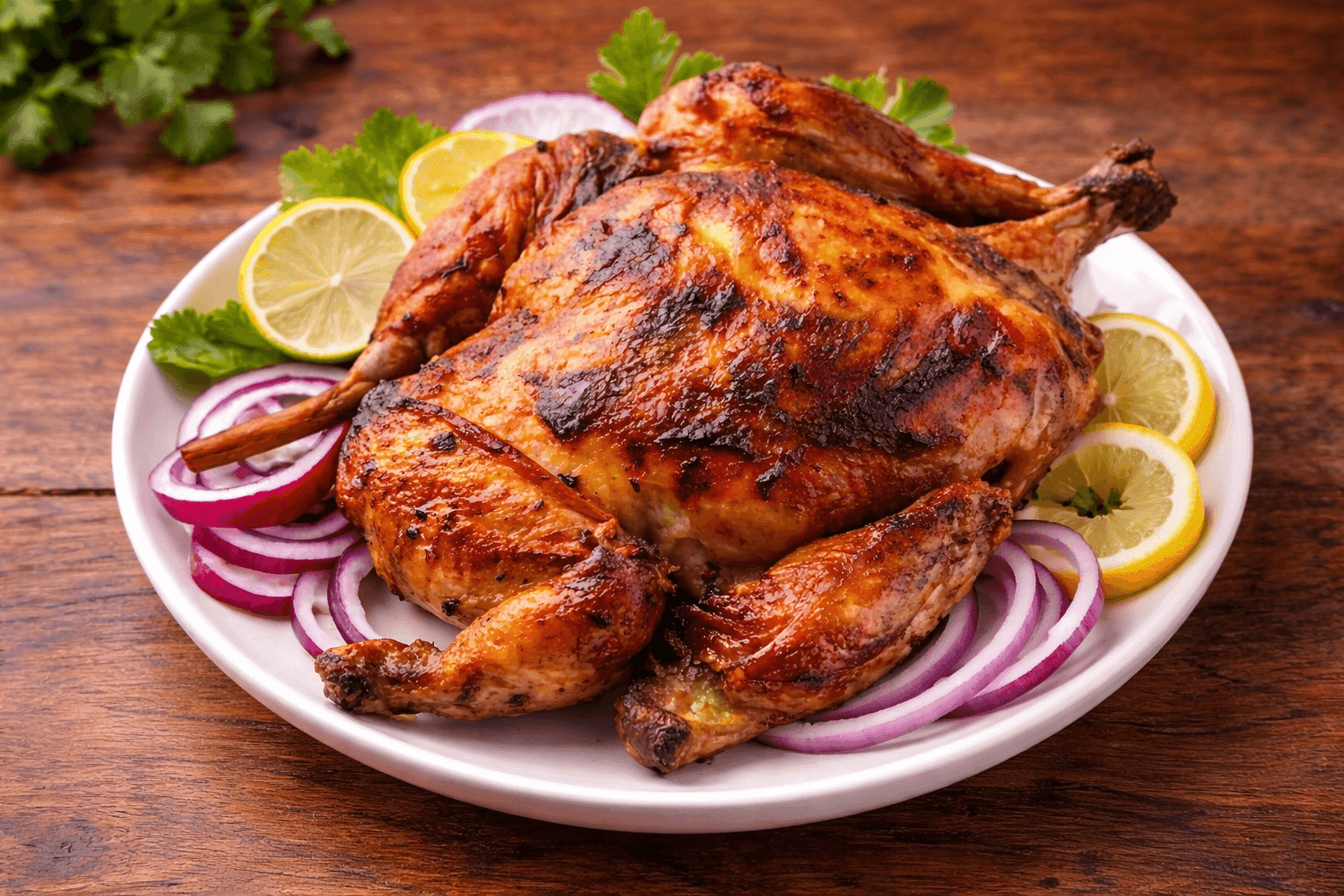
The Village Food Secrets method steams the chicken to 90 percent doneness before it ever meets a tandoor or hot oil. This is not a shortcut. It is the opposite of a shortcut. By the time the chicken reaches high heat, the inside is already butter soft and fully cooked through. The exterior then needs only three to four minutes to char, crisp, and caramelize. The result is a chicken that is simultaneously the crispiest and the most tender thing on the table, because the crisp and the tender were achieved at two different temperatures at two different times. No other whole chicken method produces both at once.
This recipe covers the full method: the overnight marinade with nutmeg and mace, the steam step explained in full, and all three finishing options including tandoor, deep fry, and oven so anyone can make this regardless of equipment.
Why This Recipe Works Better Than Other
Steam First to Solve Uneven Cooking
A whole chicken has thin breasts that cook fast and dense thigh joints that take longer. Direct heat chars the outside before the thick parts are done. Steaming surrounds the entire chicken with uniform heat for 25 to 30 minutes, bringing every part to 90 percent doneness at the same time. When it meets high heat after that, only a few minutes are needed to finish and nothing dries out.
Nutmeg and Mace Change the Marinade
Most tandoori marinades use yogurt, ginger garlic, chili, and a standard spice mix. This marinade adds one third teaspoon each of nutmeg and mace. These two spices share a warm, slightly floral character that adds a background depth to the blend that no other spice produces. The quantity must stay at one third teaspoon each because more than this overpowers everything else.
Egg and Cornflour Keep the Marinade on the Chicken
Steam can wash the marinade off the surface before it sets. The egg forms a film around the spice coating and the cornflour fills the gaps and creates additional adhesion. Together they bond the marinade to the skin so the full coating is still in place after steaming, ready to char and caramelize when the heat is applied.
Deep Cuts Carry the Flavour to the Bone
Without cuts that go all the way to the bone, the marinade stays on the skin and the outer surface. The interior remains unseasoned no matter how long the marination. Bone-deep cuts allow the marinade to be pushed manually into the meat, and steam drives the spices further inward during cooking so every bite carries the full flavour.
Overnight Marination Produces a Different Result
Lemon juice and yogurt both contain acids that break down the surface proteins over time. After eight hours the spices have moved well below the skin into the muscle fibers. The texture is more tender, the flavour is more uniform throughout, and the surface colour is deeper because the acids have allowed the spices to fully penetrate and react with the meat.
Prep time
15 min
marinate time
2h
STEAM TIME
30 min
servings
4
Ingredients
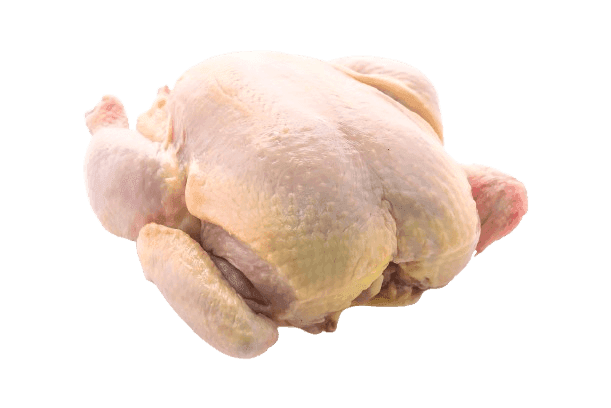 Whole chicken1.5 kg
cleaned, skinless or skin-on both work. Deep cuts made all the way to the bone across breast, thighs, and legs before marinating
 Yogurt3 tbsp
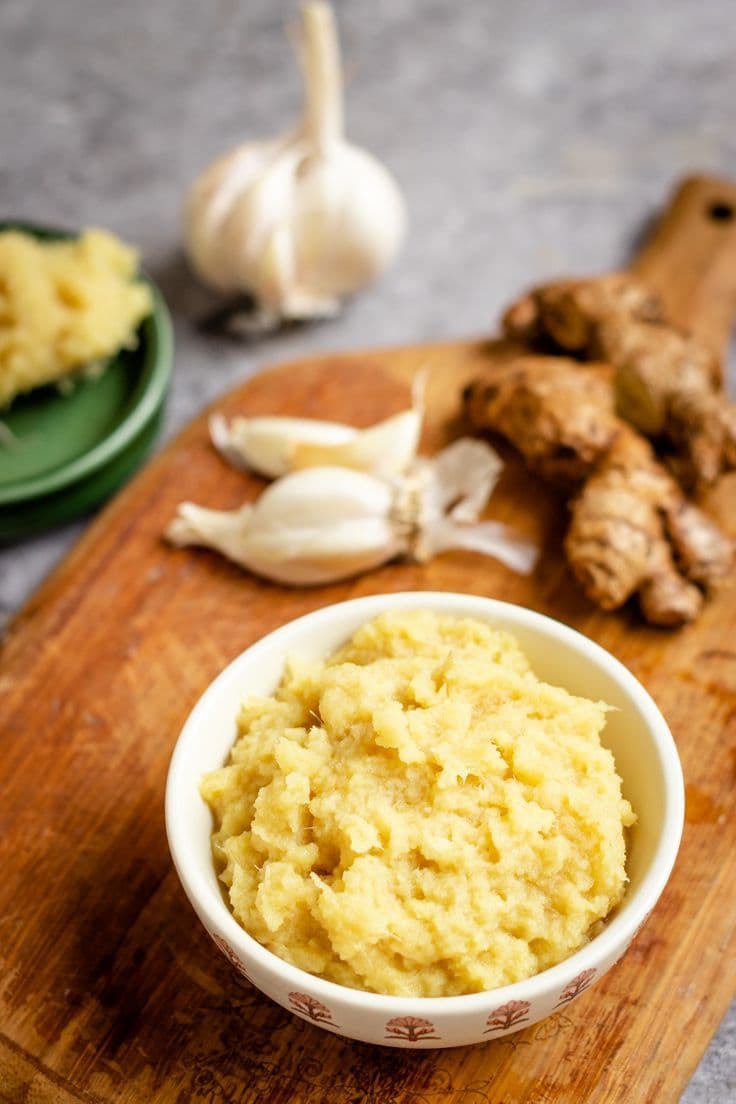 Ginger garlic paste1 tbsp
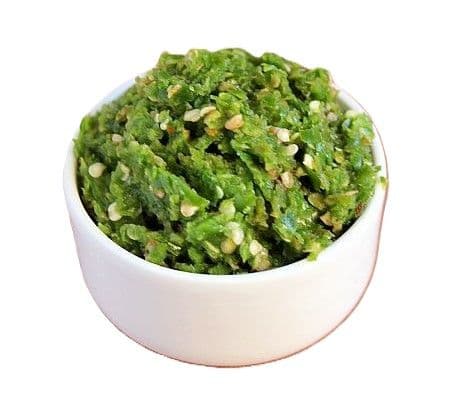 Green chili paste2 tsp
4 to 5 green chilies, ground to a paste.
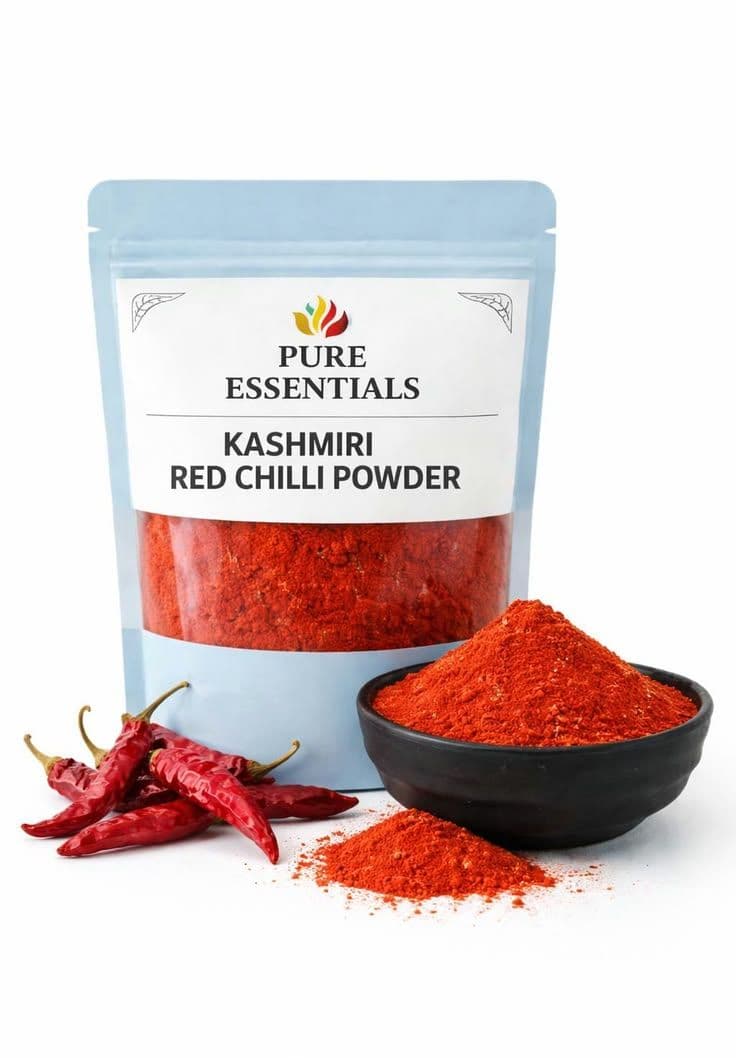 Red chili powder1 tsp
Method
SCORE THE CHICKEN
Take the whole cleaned chicken and pat it completely dry with kitchen paper. Moisture on the surface dilutes the marinade and prevents it from adhering.
Using a sharp knife, make deep diagonal cuts across every thick part of the chicken: 3 to 4 cuts per side of the breast, 2 cuts per thigh, and 2 cuts per drumstick.
Every cut must go all the way down to the bone, not just through the skin and the first layer of meat. Hold the knife at a slight angle and press firmly until you feel the blade reach the bone.
The cuts should be clearly visible and deep enough that you can push a fingertip into them.
Chef's Tip:
After cutting, run your fingers into each incision and stretch it slightly open. This matters because the marinade you push in during the next step will contract back when the chicken is cold. Opening the cuts slightly wider before marinating means more marinade can be pushed deeper before the flesh tightens. This is the preparation step most home cooks rush past and it is the most important one for flavour
MAKE THE MARINADE
In a large bowl, combine the yogurt, ginger-garlic paste, green chili paste, red chili powder, turmeric, cumin powder, black pepper, nutmeg powder, mace powder, and lemon juice.
Add the pinch of food color if using. Mix thoroughly until all the spices are fully incorporated into the yogurt base with no dry patches or streaks.
Add 1 whole egg and 2 tbsp of cornflour. Mix again firmly until the marinade becomes a thick, uniform paste with no lumps of cornflour or streaks of egg white visible.
The finished marinade should be thick enough to coat a spoon and hold its shape when spread.
Chef's Tip:
Taste the marinade before applying it to the chicken. It should be assertively spiced, noticeably saltier, spicier, and more complex than you think it needs to be, because the marinade will be diluted by the moisture in the meat and then further muted during steaming. If it tastes perfectly seasoned at this stage, it will taste flat on the finished chicken. The nutmeg and mace should be detectable as a background warmth and floral note but should not dominate.
MARINATE THE CHICKEN
Place the scored chicken in a large tray or bowl. Using your hands, rub the marinade over the entire surface of the chicken, working methodically from top to bottom.
When the outside is coated, begin pushing the marinade into every cut. Use your fingers firmly to press and push the paste down into each incision until you can see the spiced paste inside the cut, not just sitting on top of the skin around it. Push into the cavity as well.
Every surface, every cut, and every fold must be covered. Wrap the chicken tightly in cling film or transfer to a sealed container.
Refrigerate for a minimum of 2 hours. Overnight marination of 8 to 12 hours is strongly recommended and produces a noticeably better result.
Chef's Tip:
If time only allows 2 hours of marination, leave the chicken at room temperature for those 2 hours rather than in the refrigerator. The marinade works faster at ambient temperature and 2 hours at room temperature is roughly equivalent to 4 hours in the fridge in terms of penetration depth. For overnight marination the refrigerator is essential to prevent spoilage. Remove the chicken from the refrigerator 20 minutes before steaming to let it come closer to room temperature
STEAM THE CHICKEN
Bring water to a rolling boil in a large pot wide enough to hold the whole chicken.
Place a steaming rack inside the pot so the chicken will sit above the waterline. If you do not have a rack, an inverted bowl or a few balls of aluminium foil work equally well.
Lift the marinated chicken from the bowl and place it on the rack breast-side up.
Cover the pot tightly. If the lid does not fit snugly, press a sheet of aluminium foil around the rim to seal it before the lid goes on.
A tight seal keeps all the steam inside the pot and ensures even cooking. Steam on medium heat for 25 to 30 minutes.
To check doneness, pierce the thickest part of the thigh with a skewer. The juices should run nearly clear. The chicken will look fully cooked and slightly pale, this is correct and expected.
Chef's Tip:
Do not be alarmed by the appearance of the chicken at the end of steaming. The marinade will have lightened in colour slightly and the chicken will look soft and undramatic. This is exactly right. All the flavour is locked inside the meat and the coating. The colour, the char, and the crispness come entirely from the next step. A chicken that looks disappointing after steaming can look spectacular after 4 minutes in the tandoor or hot oil. Do not skip or shorten the steam step. It is the entire technical foundation of this recipe
CHOOSE YOUR METHOD
TANDOOR METHOD:
Heat the tandoor to high temperature. Thread the steamed chicken onto the tandoor skewer through the cavity.
Lower into the tandoor and cook for 10 to 12 minutes, rotating once halfway, until the skin is charred in spots, blistered, and deeply caramelized all over.
The smoke from the tandoor walls infuses the chicken during this short cook. Remove and rest for 2 minutes.
DEEP FRY METHOD:
Heat oil in a deep kadai or wok to approximately 180 degrees Celsius.
Test with a drop of marinade, it should sizzle immediately.
Carefully lower the steamed whole chicken into the oil and fry for 3 to 4 minutes per side, turning once, until the skin is deep golden-brown and the coating is crisp all over.
Handle very gently as the meat is fully cooked and falls apart easily. Drain on a wire rack.
OVEN METHOD:
Preheat the oven to its highest setting, ideally 220 to 230 degrees Celsius.
Place the steamed chicken on a wire rack over a baking tray. Brush lightly with oil or melted butter.
Roast for 15 to 18 minutes, turning once at the halfway point, until the skin is deeply coloured.
Finish under the grill or broiler for 2 to 3 minutes for char.
Chef's Tip:
For the deep fry method, if handling a whole steamed chicken in hot oil feels difficult, halve the chicken down the backbone after steaming. Two halves are considerably easier to manage in the pan, sit flatter in the oil for better contact, and char more evenly than a whole bird. The flavour and texture are identical. For the oven method, placing the chicken as close to the top heating element as safely possible during the broiler stage is the most important thing for achieving genuine char rather than just browning.
FINAL TOUCH AND SERVE IMMEDIATELY
The moment the Chargha comes off the heat, immediately sprinkle 1 tsp of chaat masala evenly across the entire hot surface.
Do not wait even 30 seconds. The residual heat of the just-cooked chicken blooms the chaat masala, activating the dried mango powder inside it and releasing its sharp, sour fragrance into the fat on the surface. Applied to cold chicken, the same chaat masala tastes flat and dusty.
Squeeze fresh lemon juice generously over the top immediately after the chaat masala. Serve the moment it is plated.
Chargha is not a dish that improves with resting. The contrast between the crispy charred outside and the butter-soft juicy inside is the entire point of the recipe and it is at its best in the first five minutes off the heat.
Chef's Tip:
Serve on a large platter over a bed of thinly sliced raw onion rings with wedges of lemon on both sides. Place the mint-coriander chutney in a separate bowl rather than spooning it over the chicken. The green chutney against the deep red-gold of the Chargha skin is part of the visual presentation.
Master Tip: The Steam Step Is Not a Shortcut, It Is the Entire Recipe
The steam-first technique appears in Mubashir's recipe as a practical step with a clear purpose: cook the chicken through before the high-heat finishing so that the finishing only needs to handle the exterior. But the more you understand what it does, the more you realize it is not simply convenient.
It is what makes Tandoori Chargha possible as a home recipe at all. Without pre-steaming, cooking a whole 1 to 1.5 kg chicken through in a tandoor or in deep oil requires sustained high heat for 25 to 30 minutes. The exterior of the chicken, exposed to that heat for the full duration, will be charred beyond edibility long before the joints are cooked through. This is why restaurant tandoori whole chicken so often arrives with dry breast and a burnt skin.
The steam step separates the two jobs entirely. Steam handles the interior, gentling the meat to perfect tenderness over 25 to 30 minutes of even, moist heat. High heat then handles only the exterior, and it needs only 3 to 4 minutes to do its job. Two different cooking environments, two different temperatures, two different purposes and the result is a chicken that is simultaneously the most tender and the most crisply charred thing you can put on the table.
People Also Ask
The steam-first method solves the fundamental problem with whole tandoori chicken: the outside chars long before the thick joints and the breast interior cook through. By steaming the chicken to 90 percent doneness first, every part of the bird is guaranteed to be cooked and tender before it meets high heat. The tandoor or hot oil then only needs 3 to 4 minutes to produce the crispy charred exterior. Without pre-steaming, the same chicken would need 25 to 30 minutes in the tandoor, and the exterior would be burnt beyond eating long before the inside was done.
The most common cause is excess moisture on the surface of the chicken before it enters the oil. After steaming, place the chicken on a wire rack and allow it to air-dry for 5 minutes before frying. Pat any visible moisture from the surface. Also ensure the frying oil is fully up to temperature before the chicken goes in. Cold or inadequately heated oil produces a greasy, soft skin rather than a crispy one. The cornflour in the marinade contributes directly to crispiness, if it was omitted or the quantity was reduced, the crust will be soft.
You can, but the result will be significantly different. Without pre-steaming, a whole 1 to 1.5 kg chicken requires 25 to 30 minutes of intense tandoor heat to cook through completely. The exterior will be charred and overcooked before the interior is done. The breast will be dry and the joints may still be undercooked at the center. The steam step is not optional if you want the butter-soft interior that defines this recipe.
For the closest result to a real tandoor, use the oven at its highest setting (220 to 230 degrees Celsius) with the grill or broiler on for the last 3 to 4 minutes. Place the chicken as close to the top heating element as safely possible during the broiler stage. This produces genuine charring on the skin. Deep frying produces the best crust of all three home methods. An air fryer at 200 degrees Celsius for 12 to 15 minutes after steaming also works well and produces a convincing crispy exterior without the oil.
The egg proteins and cornflour starch form a physical binder that glues the spiced marinade coating to the chicken skin throughout the moist steaming environment. Without them, the steam gradually strips the marinade off the surface and the finished chicken comes out of the steamer pale, coating-free, and without the spiced crust that produces colour and crispness during the finishing step. The egg and cornflour are what ensure every spice in the marinade survives the steam and makes it to the final dish.
Yes. Bone-in leg quarters, thighs, or drumsticks all work well with the same method. Reduce the steaming time to 15 to 18 minutes and the frying time to 2 to 3 minutes per side. Pieces also marinate faster as 1 hour is sufficient if using pieces rather than a whole bird. The logic of the recipe remains exactly the same regardless of the cut: marinate, steam to 90 percent doneness, finish with high heat for color and crispness.