
Seekh Kabab
Kun Foods
Chef
“Afzal Arshad, creator of Kun Foods, is a Pakistani chef known for his YouTube channel where he teaches viewers to recreate famous restaurant dishes at home. His clear, educational videos and focus on food safety have earned him millions of followers across YouTube, Facebook, and TikTok, making him a leading figure in Pakistan’s food vlogging scene”

Aarif
Food Journalist
Aarif is a devoted content writer at Regional Heritage Food (RHF), passionate about cooking and travel. He shares his culinary experiences and discoveries, inspiring others to explore new recipes and flavors.
High Protein, Zero Carb, Full Flavour, The Smarter Meal for Serious Diets | Home Kitchen Precision
There is a point in every serious protein diet where grilled chicken breast stops being food and starts being a punishment. The texture is wrong, the flavour is gone, and eating the same thing every day quietly kills the motivation that started the diet in the first place. This is the moment most people either give up or go looking for something that actually fits their macros without making every meal feel like a compromise.
Seekh Kabab is that answer. A single full-fat beef seekh kabab carries between 18 and 22 grams of protein, virtually zero carbohydrates, and a fat content that keeps you full for hours without the energy crash that follows a carb-heavy meal. For anyone eating keto or following a high protein diet, it is one of the most nutritionally complete things you can put on a plate. It requires no bread, no rice, no starch of any kind to be a satisfying and complete meal. A few kababs with sliced onion, green chutney, and a squeeze of lemon is a dinner that hits every macro target without feeling like a compromise.
The deeper advantage is that seekh kabab is built almost entirely from whole ingredients. The mince is beef. The aromatics are fresh ginger, garlic, and green chilli. The spices are ground from whole seeds. There is no filler, no breadcrumb, no egg, no binder of any kind that adds unnecessary carbohydrates to the mixture. What holds the kabab together is the protein structure of the mince itself, developed through kneading. This makes it one of the rare high protein foods that is also genuinely clean by the standards of any serious diet
Why This Recipe Works Better Than Others
The 80/20 Fat Ratio Keeps the Kabab Juicy
Most recipes use lean mince and produce dry, crumbly kababs as a result. Fat is not optional in seekh kabab. It keeps the interior moist while the outside browns, protects the protein fibres from drying out under high heat, and carries spice flavour throughout the kabab rather than leaving it on the surface. The 80/20 ratio is what every serious dhaba kitchen uses. A leaner mixture is harder to shape, falls off the skewer easily, and produces a kabab dry enough to need chutney not as a side but as a rescue.
Long Pepper and Lime Powder Explain the Restaurant Difference
Most recipes use a generic spice list and produce a generic result. This one includes long pepper, known as lungi mirch, and lime powder. Long pepper produces a warm, earthy, faintly sweet heat that sits beneath all the other flavours, giving the kabab an aromatic depth that regular black pepper cannot match. It is the fingerprint of the restaurant version. Lime powder adds a mild tartness that cuts through the richness of the beef fat without introducing any moisture that would destabilise the mixture.
Baking Soda Tenderises the Meat Before Cooking
Half a teaspoon of baking soda raises the pH of the meat surface before any heat is applied. This weakens the bonds between muscle protein fibres so they set more gently when the kabab hits the heat, producing a noticeably softer texture. A kabab made with baking soda and one made without, using the same mince and same spices, are clearly different when eaten side by side. Use exactly half a teaspoon. More than this leaves a soapy aftertaste that cannot be corrected.
Kneading for 5 to 7 Minutes Builds the Natural Binder
Kneading the mince for five to seven continuous minutes develops the myosin proteins into long, sticky, connected strands. These strands are what hold the kabab together on the skewer during cooking. Under-kneaded mince has no cohesion and the kabab slides off, breaks apart when turned, and crumbles rather than holding its shape. The mixture is ready when it feels smooth, dense, slightly sticky, and slightly elastic when stretched between two fingers. This test is more reliable than a timer because different mince textures reach this point at different speeds.
Squeezing the Onions Dry Removes the Biggest Risk
Onions add essential flavour and natural enzymes to the mixture but their moisture is the most common reason kababs fail at home. Too much liquid makes the mixture soft, causes kababs to slide off the skewer, and creates steam instead of a crust on the surface. Squeezing finely chopped onions in a clean cloth before adding them to the mince removes this moisture completely while keeping all the flavour. This step takes thirty seconds and is the single most important reason some kababs hold their shape perfectly on the grill while others fall apart at the first turn.
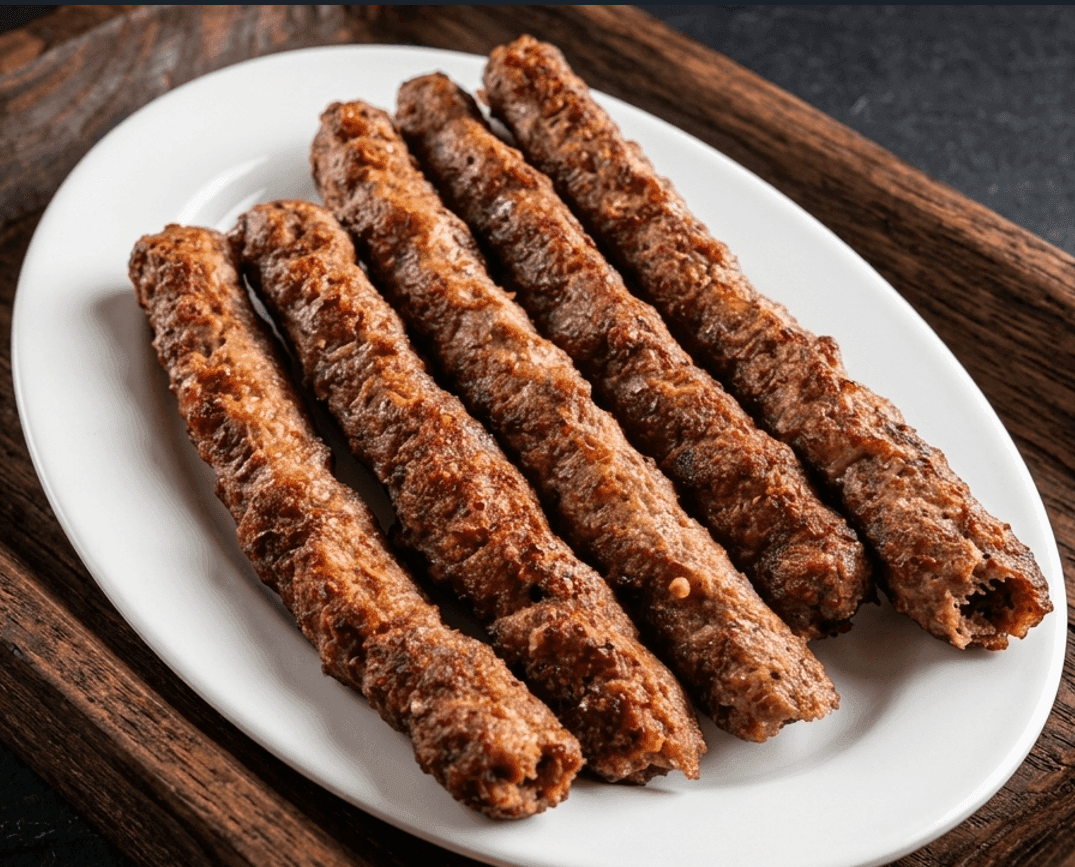
prep time
15 min
rest time
2h
cook time
10 min
kababs
10
Ingredients
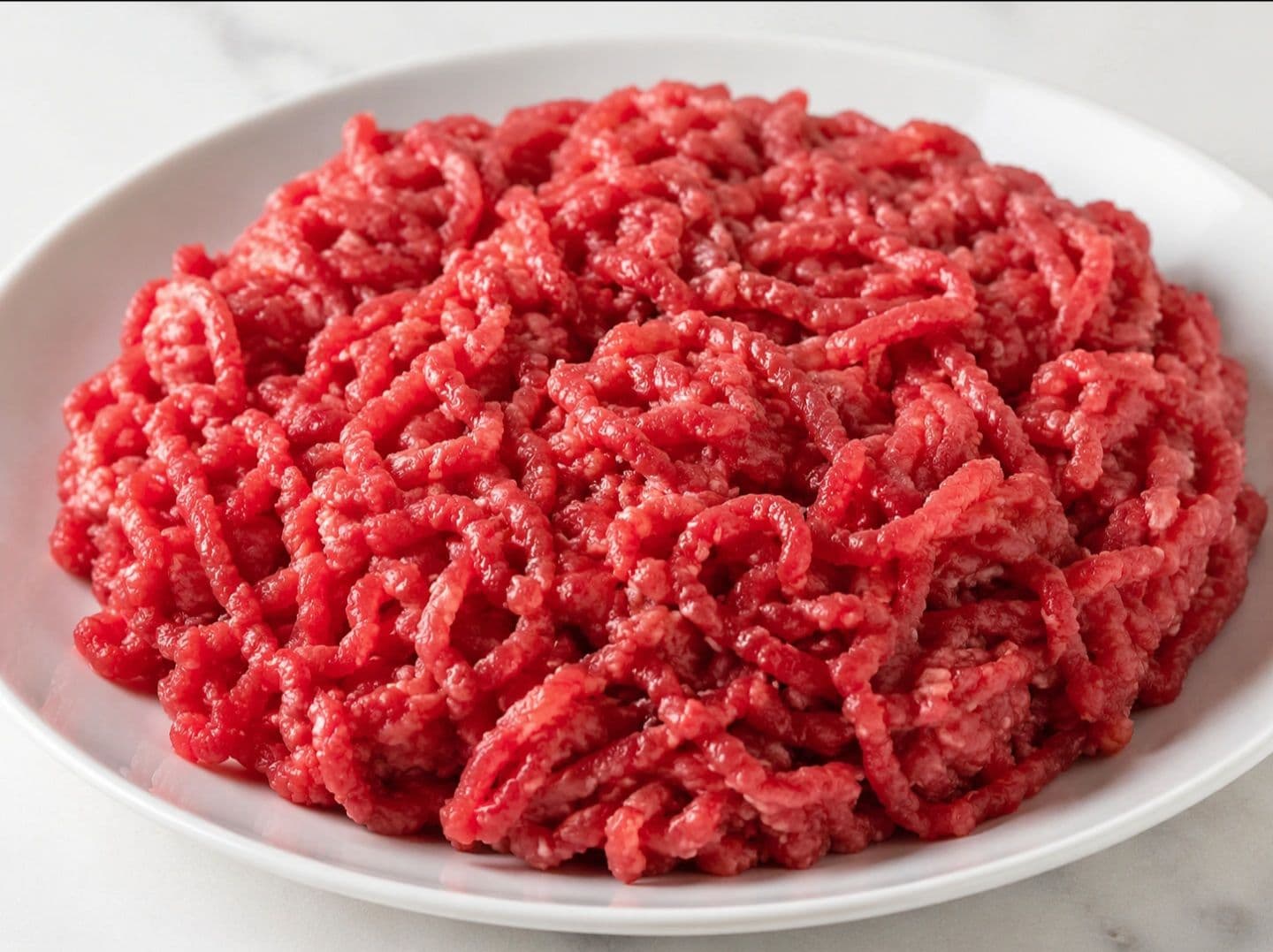 Beef mince1 kg
1 kg at 80/20 lean-to-fat ratio
 Onion5 pieces
medium, finely chopped
 Green chilies5 pieces
finely chopped
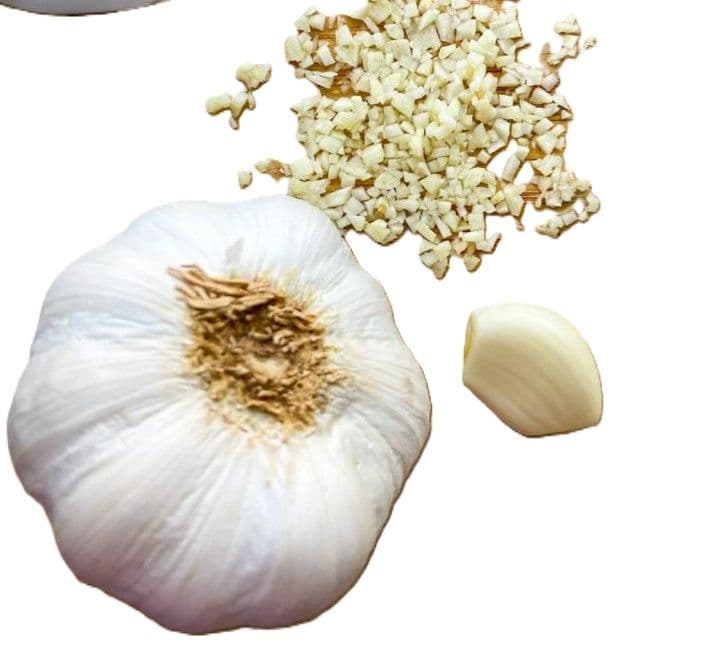 Garlic5 cloves
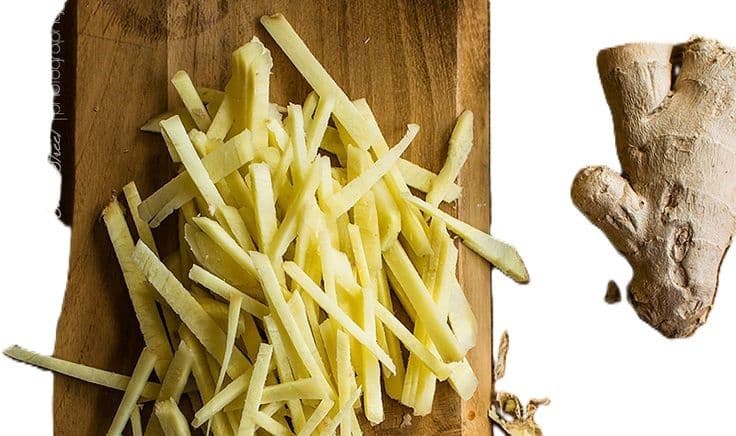 Ginger2 inch
finely grated or ground to a paste
Method
Prepare The Mince And Aromatics
Place 1 kg beef mince in a large mixing bowl.
Finely chop or pulse the 5 onions until very fine but not blended to a paste, visible texture is fine, a wet uniform paste is not.
Gather the chopped onion in a clean dry cloth and twist firmly to squeeze out all excess moisture.
Keep squeezing until no more water comes out. This takes 30 to 40 seconds of firm pressure and it is worth every second.
Add the squeezed onion to the mince along with the finely chopped green chilies, garlic, and ginger. Add 1 tbsp salt.
Mix everything together with your hands until evenly combined.
Chef's Tip:
The squeezing step is the single most important preparation step in the recipe. Onion releases a surprising amount of water when squeezed. A properly squeezed handful of chopped onion loses between 30 and 50 percent of its weight in water. That water, if it goes into the mince, makes the mixture too wet to hold on a skewer. Some cooks salt the onion and let it sit for 10 minutes before squeezing, which draws out even more moisture. Either method works. The result must be onion that feels dry and crumbly in your hand before it goes into the bowl.
Add The Homemade Seekh Kabab Masala
Add all the spices directly to the mince and onion mixture in the following order: red chili powder, cumin, coriander seeds, black pepper, long pepper, red chili flakes, lime powder, and garam masala.
Mix briefly to distribute. Add the baking soda last.
Mix again until all the spices are evenly incorporated throughout the mince with no visible concentrations of any single spice.
Chef's Tip:
The order of addition does not affect the final flavour significantly but adding the baking soda last makes it easier to judge whether it has been fully mixed in. Baking soda does not dissolve in fat the way it dissolves in water, so it needs to be physically distributed throughout the mince by mixing and kneading rather than assuming it will disperse on its own. A pocket of concentrated baking soda in the finished kabab produces a very noticeable soapy bite. Add it last and ensure it is fully incorporated before proceeding.
Knead For 5 To 7 Full Minutes
Begin kneading the entire mixture using both hands simultaneously.
Use a folding and pressing motion, gathering the mince from the sides of the bowl, folding it inward, and pressing down with the heel of the palm.
Set a timer for 5 minutes minimum and knead continuously without pausing.
At the end of 5 minutes, stretch a small portion of the mixture between two fingers.
If it stretches without immediately tearing and feels smooth, sticky, and slightly elastic, it is ready.
If it tears instantly or still feels granular, knead for another 2 minutes and test again.
Chef's Tip:
Most failed seekh kabab comes from under-kneading, not from wrong spices or wrong fat ratio. The kneading develops myosin, a protein in beef that becomes sticky and fibrous when mechanically worked. This myosin network is what holds the kabab as a single unit on the skewer. Without it, the mince is a collection of separate particles with no cohesion. With it, the mince behaves like a soft, pliable dough that grips the skewer firmly and stays on it through turning and cooking. Five minutes feels long. The result justifies every second.
Rest In The Refrigerator
Transfer the kneaded mixture into a clean bowl.
Cover tightly with cling wrap, pressing the wrap against the surface of the mince to prevent a dry crust from forming.
Refrigerate for 1 to 2 hours. During this time three things happen simultaneously:
the salt draws into the protein fibers and seasons the mince evenly throughout rather than only on the surface;
the baking soda continues its tenderizing effect on the protein bonds;
the cold firms the mixture to a consistency that is significantly easier to shape and that grips the skewer more securely than room-temperature mince.
Chef's Tip:
Do not skip the rest. A freshly kneaded mixture at room temperature is softer, stickier, and harder to shape than the same mixture after refrigeration. If you are short on time, 30 minutes in the refrigerator is better than no rest at all, but 1 to 2 hours produces a noticeably better result. For advance preparation, the mixture can rest in the refrigerator for up to 24 hours. Beyond that, the onions release more moisture into the mixture and it becomes harder to work with.
Shape The Kababs With Wet Hands
Fill a small bowl with cold water and keep it next to your work surface.
Wet both hands thoroughly before picking up any mince.
Take a generous portion of the chilled mixture, approximately 80 to 100g, and press it firmly around a flat metal skewer.
Work from the center outward, pressing and smoothing with wet fingers to form a cylinder approximately 10 to 12 cm long and of consistent thickness throughout.
Press firmly enough to eliminate any air pockets inside the cylinder.
Re-wet your hands between every two or three kababs.
Lay the shaped kababs on a tray as you go.
Chef's Tip:
Flat skewers are strongly preferred over round ones. A flat skewer has two edges that bite into the mince and prevent the kabab from spinning when turned during cooking. A round skewer provides no grip and the kabab rotates freely around it, making even cooking across all surfaces difficult. If flat skewers are unavailable, shape the mixture into oval flat patties approximately 1.5 cm thick and cook on a tawa. The flavour is identical and the patty shape is actually easier to manage for beginners
Cook On A Tawa Or Grill
Pan or Tawa Method:
Heat a thin layer of oil in a flat heavy pan over medium heat until the oil shimmers.
Place the skewered kababs in the pan and cook undisturbed for 2 minutes until a golden crust forms on the bottom.
Turn once and cook for another 2 minutes. Continue turning every 1 to 2 minutes for a total of 6 to 8 minutes until all sides are evenly golden and the kabab is cooked through with no pink at the center.
Grill or BBQ Method:
Preheat the grill to medium-high.
Place kababs over the heat and turn every 2 to 3 minutes for a total of 8 to 10 minutes.
Coal grilling adds a traditional smoky dhaba character that a tawa cannot replicate.
Oven Broiler Method:
Preheat the broiler to maximum.
Place kababs on a wire rack over a foil-lined tray, 10 to 12 cm from the element.
Grill 4 to 5 minutes per side, turning once.
Chef's Tip:
Do not press down on the kababs with a spatula at any point during tawa cooking. Pressing forces the fat and juices out of the mince and onto the pan surface where they burn rather than staying inside the kabab where they keep it moist. Let the kabab cook undisturbed between turns and the fat will render slowly and baste the inside of the kabab throughout cooking. The difference between a pressed kabab and an unpressed kabab after 7 minutes of cooking is the difference between a juicy interior and a dry one
Secret Ingredient: Baking Soda, That Changes Everything
Baking soda in a meat mixture is a technique that has been used in Chinese restaurant cooking for decades under the name velveting and it works the same way in seekh kabab. When baking soda is mixed into raw mince, it raises the surface pH of the meat. This higher pH weakens the cross-links between the muscle protein fibers. When the kabab is exposed to heat during cooking, these pre-weakened proteins set more gently and at a lower temperature than untreated proteins would. The result is a noticeably softer, more tender texture that holds moisture better and does not firm up into a rubbery mass even if slightly overcooked.
The refrigeration rest is what gives the baking soda time to do this work. Mixed in and cooked immediately, the effect is limited. Mixed in and rested for an hour or two in the refrigerator, the tenderizing effect is at its maximum. Use exactly half a teaspoon. This is the calibrated amount that produces the tenderizing effect without introducing any detectable change in flavour. A full teaspoon creates a faint soapy note in the finished kabab that no amount of spice can mask.
Nutritions
Per 1 Seekh Kabab (~85g)
People Also Ask
The three causes are almost always the same and almost always occur together. Too much moisture in the onions — squeeze them completely dry before adding. Under-kneading the mince must be kneaded for 5 to 7 full minutes until smooth, sticky, and elastic. Skipping or shortening the refrigeration rest, cold mince holds its shape on a skewer far better than room-temperature mince. All three of these conditions must be met simultaneously. Fixing only one or two of them improves the result but does not fully solve the problem.
Baking soda raises the surface pH of the raw mince, which weakens the muscle protein bonds before cooking. When the kabab cooks, these pre-weakened proteins set more gently and produce a noticeably softer, more tender texture. Half a teaspoon in 1 kg of mince is a small amount that is entirely safe and has no detectable effect on flavour when used at this quantity. Using more than this creates a faint soapy aftertaste. The resting period in the refrigerator is when the baking soda does most of its work, which is why the rest and the baking soda are equally important to the final texture.
Yes, and it works very well. Shape the chilled mixture into oval cylindrical patties approximately 2 cm thick and 10 cm long using wet hands. Cook on a lightly oiled flat tawa or heavy frying pan over medium heat for 3 to 4 minutes per side, turning once or twice. The shape is different and the grill marks are absent but the flavour, the spicing, and the texture are identical. This is actually the easier method for beginners and it produces excellent results with no special equipment.
Yes. Chicken seekh kabab works well with this spice blend but needs two adjustments. Add 1 to 2 tablespoons of oil to the chicken mince mixture because chicken mince is significantly leaner than 80/20 beef and will produce dry kababs without added fat. Reduce the cooking time to 5 to 6 minutes as chicken cooks faster than beef and overcooks quickly. All other quantities and methods remain the same.
Yes, and seekh kabab freezes exceptionally well in both its uncooked and cooked forms. To freeze uncooked, shape the kababs on skewers or as patties, place on a parchment-lined tray, freeze until solid, then transfer to sealed freezer bags. Cook directly from frozen with 2 to 3 additional minutes of cooking time. To freeze cooked kababs, cool completely, store in airtight containers, and use within one month. Reheat in a dry pan over medium heat for 3 to 4 minutes, turning once.
Long pepper, known as lungi mirch or pippali, is an ancient South Asian spice that predates black pepper in the regional spice trade. It looks like a small elongated dark pine cone and has a warm, earthy, slightly sweet heat that is distinctly different from the sharp directness of black pepper. It is available at South Asian grocery stores and spice markets and is not expensive. If completely unavailable, a small additional pinch of black pepper plus a tiny pinch of ground cloves approximates the depth, but the specific aromatic character of long pepper cannot be fully replicated.
Press the thickest part of a kabab firmly with your finger. Undercooked seekh kabab feels soft and gives easily under pressure. Fully cooked seekh kabab feels firm and springy, with some resistance and a slight bounce when released. The surface colour should be an even deep golden brown with faint darker char at the edges, not pale or light tan. For 80 to 100g kababs cooked at medium heat, 6 to 8 minutes total on a tawa and 8 to 10 minutes on a grill is sufficient. If in doubt, make a small cut at the thickest part. The meat should be uniformly brown with no visible pink.
The raw mixture can be stored safely in an airtight container in the refrigerator for up to 24 hours. Shaping and cooking on the same day as the rest produces the best results. Beyond 24 hours the onions release additional moisture into the mixture and it becomes progressively stickier and harder to work with. For longer storage, freeze the kneaded and portioned mixture in sealed bags for up to one month and thaw overnight in the refrigerator before shaping and cooking.
Yes. Preheat the oven broiler to its maximum temperature and allow it to heat for at least 5 minutes before the kababs go in. Place the skewered kababs on a wire rack set over a foil-lined baking tray. Position the rack 10 to 12 cm from the heating element. Grill for 4 to 5 minutes per side, turning once. The result is significantly closer to a charcoal grill than pan frying in terms of surface colour and slight char. The smoky dhaba character is absent without coal, but the oven broiler produces a better crust than a tawa and is the recommended indoor method when a grill is unavailable.