
Grilled Chicken

Spice Eats
Chef
“Sushanta and Bebonika are the husband-and-wife duo behind Spice Eats, a popular digital culinary brand. They are celebrated for providing high-quality, easy-to-follow Indian recipes with a focus on authentic flavors and techniques.”

Aarif
Food Journalist
Aarif is a devoted content writer at Regional Heritage Food (RHF), passionate about cooking and travel. He shares his culinary experiences and discoveries, inspiring others to explore new recipes and flavors.
Honey-Soy Glazed, Four Ingredients, One Pan, Under 20 Minutes | Juicy, Charred, Restaurant-Quality Grilled Chicken
There is a specific Tuesday-evening situation that most home cooks know well. It is late, you are hungry, the fridge has chicken fillets and a few condiments, and you want something that actually tastes good rather than something that is merely cooked. Not a one-hour marinade. Not a dish that needs four pots. Just grilled chicken that has a proper crust, stays juicy inside, and has enough flavour to make you want the last piece even when you are already full.
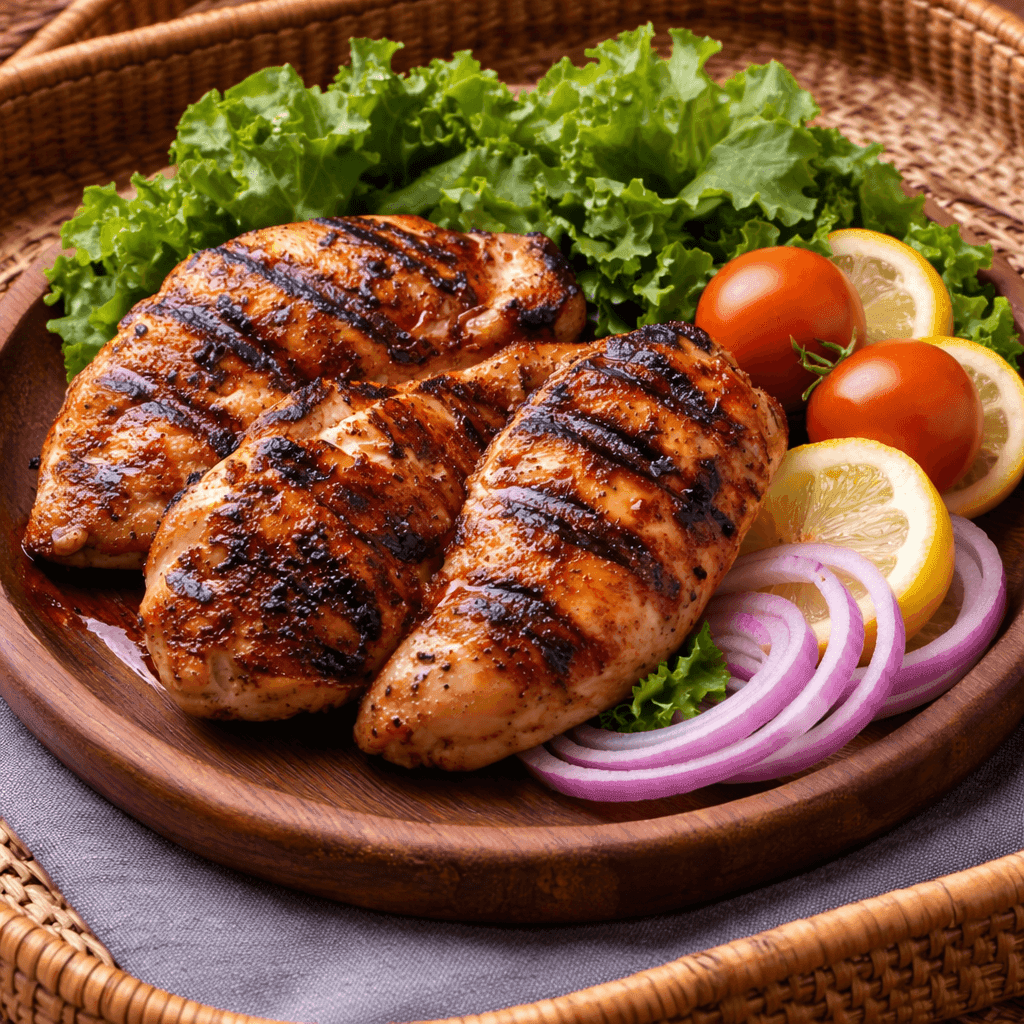
Spice Eats' Honey-Soy Glazed Grilled Chicken was made for exactly that situation. Four chicken fillets, crushed garlic, a handful of pantry spices, and a three ingredient glaze of honey, soy sauce, and butter. One grill pan. Under twenty minutes from the moment the marination starts to the moment it is on the plate.
Why This Recipe Works Better Than Others
Why a Short Marinade Is Enough:
Most recipes build flavour through a long, complex marinade, but this one keeps it simple: salt, pepper, oil, and garlic. Their job is to season the surface, coat the meat in fat so it sears instead of steams, and begin softening the fibers. The full flavour comes from the cooking itself, through the crust, the garlic butter, and the glaze. This is why fifteen minutes is enough.
Glaze Last for a Glossy Finish:
The honey-soy-butter glaze goes on only in the final two minutes, one minute per side. Honey sugars caramelize very quickly on a hot surface, so applying the glaze too early turns it dark and bitter before the chicken is cooked through. Applied at the end, it has just enough time to turn glossy with light char at the edges, which is why the finished chicken looks restaurant-quality on the plate.
Skin-On Crushed Garlic for Roasted Depth:
Minced garlic burns in under thirty seconds on a hot pan and turns bitter in a marinade. Garlic crushed with the skin still on solves both problems. The skin protects it from direct contact with the pan while it slowly releases its oils into the butter, infusing the entire cooking fat with a warm, rounded garlic flavour from start to finish.
Two Heat Levels for the Perfect Cook:
High heat for the first three minutes builds the golden crust through the Maillard reaction. The heat then drops to medium and a spatula presses each fillet down for ten seconds, pushing the meat into full contact with the pan so the center cooks through without the outside burning. Cooking at one temperature the whole way through gives you either a raw center or an overcooked crust. Two stages gives you both right.
One Pan:
The garlic infuses the butter, the chicken sears in that butter, and the glaze caramelizes on the same surface. When the chicken is done and resting, vegetables go straight into the same pan and pick up all the residual garlic butter and glaze without any extra seasoning. One set of flavours building throughout the cook, and one pan to wash at the end.
prep time
5 min
marinate time
30 min
cook time
10 min
servings
4
Ingredients
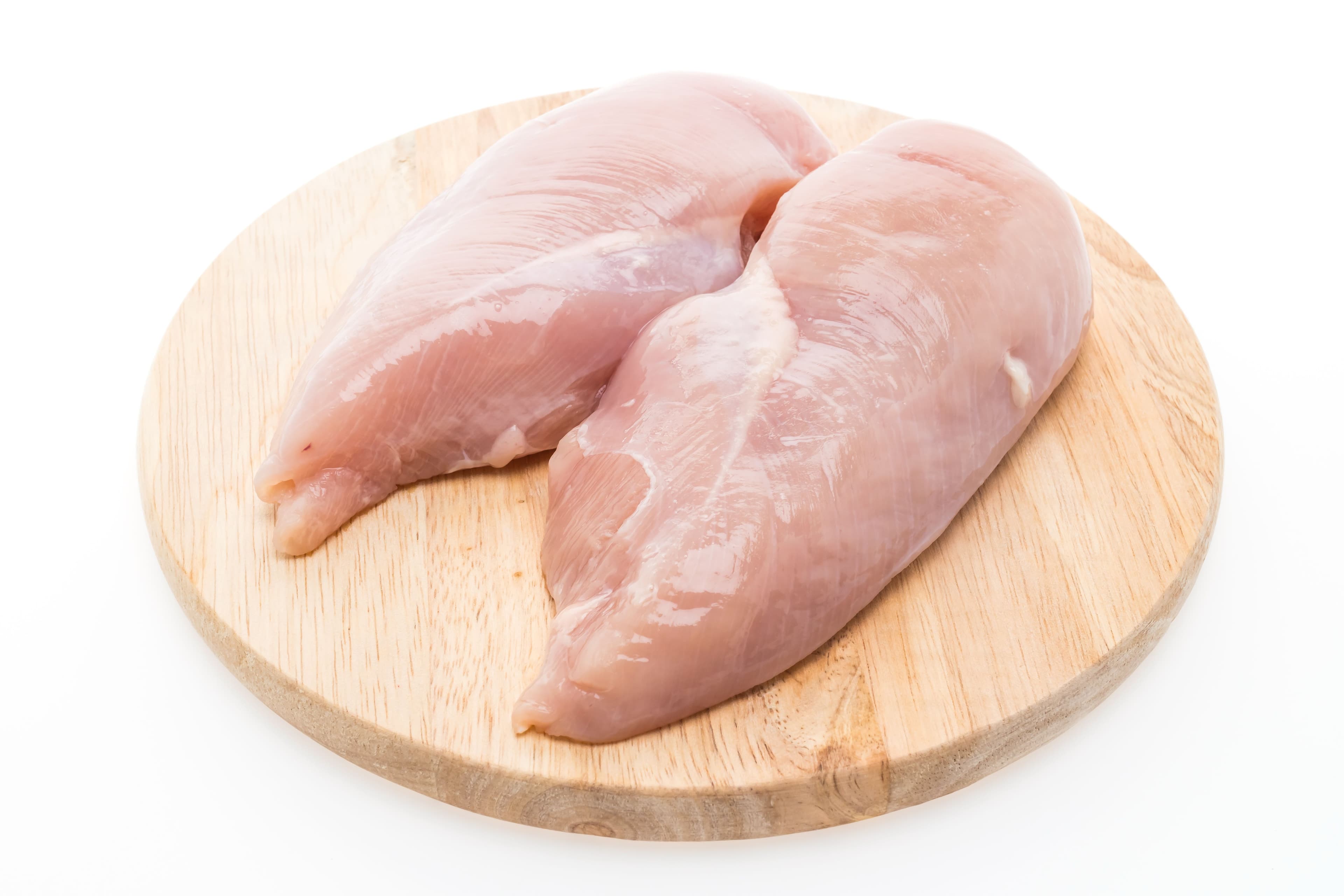 Chicken fillets4 pieces
approximately 100g each, boneless, skinless
 Salt1 tsp
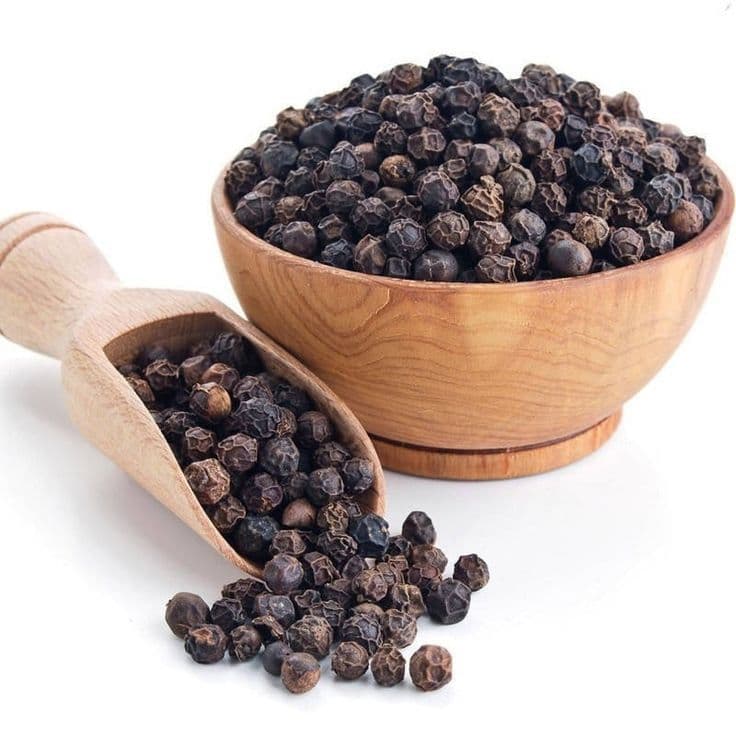 Black pepper1.5 tsp
coarsely crushed, not fine powder. Visible flecks on the surface add texture and flavour
 Oil3 tsp
olive oil if available
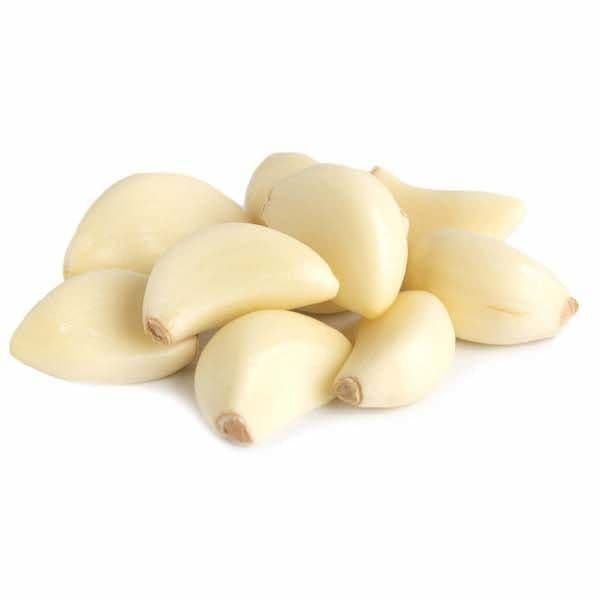 Garlic pods6 cloves
crushed flat with the side of a knife, skin left on. Do not peel, do not mince
Method
MARINATE THE CHICKEN
Place the 4 chicken fillets on a flat tray or in a bowl. Sprinkle 1 tsp salt and 1.5 tsp coarsely crushed black pepper evenly over both sides of each fillet. Drizzle with 3 tsp olive oil. Add all 6 garlic cloves, crushed flat with the skin still on. Turn the fillets to coat both sides evenly in the oil and seasoning. Cover and set aside to marinate at room temperature for 20 minutes. If time is short, 15 minutes still makes a meaningful difference. Do not marinate for longer than 2 hours.
Chef's Tip:
Pound any fillet that is noticeably thicker at one end than the other before marinating. Place between two sheets of cling wrap and press down firmly with a rolling pin or the flat side of a heavy knife until the thickness is even throughout. A fillet with a thick end and a thin end will have the thin end dry and overcooked before the thick end is done, regardless of how carefully you manage the heat. Even thickness is the foundation of even cooking.
MIX THE HONEY-SOY GLAZE
In a small bowl, combine 3 tsp honey, 1 tsp soy sauce, and 1 tsp of softened or melted butter. Stir until fully smooth and well combined with no streaks of unmixed honey remaining. Place the bowl near the stove within easy reach. You will be brushing this onto the chicken in the last two minutes of cooking, which means you need it ready before the chicken goes into the pan, not after. If using a substitute instead of honey, prepare it according to the substitutes table in the ingredients section.
Chef's Tip:
If your honey has crystallized and gone solid in the jar, place the jar in a bowl of hot water for two minutes or microwave for 15 seconds. Crystallized honey does not mix into the soy sauce evenly and will apply to the chicken in uneven clumps rather than as a smooth coating. Liquid honey brushes on in a thin, even layer that caramelizes uniformly across the surface.
HEAT THE PAN AND INFUSE THE BUTTER
Place a grill pan or heavy cast-iron skillet over high heat and allow it to heat for 1 to 2 minutes until very hot. Add 1 tsp of butter and allow it to melt and begin to foam. Add all the garlic cloves from the marinade directly into the pan, skin side down. They will sizzle immediately on contact. Let them sit in the butter for 30 to 45 seconds, pressing once with a spoon, until the butter is fragrant and faintly golden. The garlic is now infusing the butter with roasted flavour. Leave the garlic cloves in the pan throughout the entire cooking time.
Chef's Tip:
The pan must be genuinely hot before the butter goes in, not just warm. A hot pan ensures the butter foams immediately and the garlic sizzles on contact. A pan that is not hot enough will cause the chicken to steam in the butter rather than sear in it. To test: hold your palm 3 to 4 inches above the surface. You should feel intense heat within two seconds. If the surface just feels warm, wait another thirty seconds
SEAR ON HIGH HEAT FOR THREE MINUTES PER SIDE
Place the marinated chicken fillets into the hot pan, shaking off any excess oil as you lay them in. Do not move them once placed. Let them sit completely undisturbed for 3 full minutes. You should hear a strong, consistent sizzle from the moment they go in. If the sizzle sounds weak or quiet, the pan was not hot enough. After 3 minutes, flip each fillet using tongs. Cook the second side for another 3 minutes without touching. At the end of this step the chicken should have clear grill marks or a golden-brown crust and be approximately 70 percent cooked through.
Chef's Tip:
Resist the urge to move, press, or lift the fillets during the initial sear. Every time you move the chicken it breaks contact with the hot surface and the crust starts over from scratch. The grill marks and golden crust develop from sustained contact between the meat and the hot pan. Lift one edge after 3 minutes to check the colour before flipping. Deep golden brown is right. Pale means more time. Dark brown approaching black means flip now.
REDUCE HEAT AND PRESS FOR EVEN COOKING
After both sides have had their 3-minute sear, reduce the flame to medium. Using a wide flat spatula, press down firmly on each fillet for a count of ten seconds. You are pressing the meat into full contact with the pan surface to deepen the crust and ensure the heat penetrates the center. Release, move to the next fillet, and repeat. Once all fillets have been pressed, cook on medium heat for 1 more minute per side without pressing. The internal temperature at this stage should be approaching 70 to 72 degrees Celsius.
Chef's Tip:
Press firmly but do not scrape or slide the spatula. The goal is downward pressure that increases contact between the fillet and the pan, not lateral movement that would tear the crust. A ten-second press per fillet is enough. Longer pressing forces juices out of the meat and can make it dry. If you do not have a wide spatula, the back of a large spoon works, but press in two or three spots across each fillet rather than trying to cover the whole surface at once.
BRUSH WITH HONEY-SOY GLAZE
Keep the heat at medium. Using a pastry brush or a spoon, brush the honey-soy glaze generously over the top surface of each fillet. Cook for 1 minute and watch the glaze. It will begin to caramelize, turn darker, and become glossy and sticky. Flip each fillet carefully with tongs and brush the second side immediately. Cook for 1 final minute. The fillets are ready when the glaze is sticky, shiny, and slightly darkened at the edges with faint caramelization lines where it has pooled. Remove from the heat immediately.
Chef's Tip:
Watch the pan without walking away during the glaze stage. Honey caramelizes rapidly and can cross from perfectly glossy to burned in under thirty seconds, especially if the pan is running hot. If you see the glaze darkening too quickly, slide the pan partially off the heat or lift it slightly from the flame for a few seconds. The glaze should sizzle gently, not aggressively. A gentle sizzle produces a glossy finish. An aggressive sizzle at this stage produces a burned, bitter coating.
REST FOR TWO MINUTES THEN SERVE
Remove the fillets from the pan and place on a clean plate or cutting board. Do not cut into them immediately. Allow them to rest for 2 to 3 minutes undisturbed. During this rest the juices that were pushed to the center of the meat during cooking redistribute back throughout the entire fillet. Cut immediately and those juices run out onto the board, leaving the chicken noticeably drier. Serve with sauteed vegetables cooked in the same pan while the chicken rests, steamed rice, or a fresh salad. Garnish with fresh coriander leaves or a wedge of lemon.
Chef's Tip:
Use the resting time productively. While the chicken rests, add a small amount of butter to the same grill pan, drop in any vegetables you are serving alongside, season with salt and pepper, and toss on medium-high heat for 3 to 4 minutes. The residual garlic butter, chicken juices, and caramelized glaze still in the pan will season the vegetables automatically without any additional work. By the time the chicken has rested, the vegetables are done.
The Spatula Press at Medium Heat
The moment the heat drops from high to medium and the spatula goes down on each fillet is the step that most people either rush or skip entirely. It takes ten seconds per fillet and it changes the result noticeably. The reason is straightforward. Chicken fillets are rarely perfectly flat. Even after pounding, there are slight variations in the surface that mean only some parts of the fillet are in contact with the pan at any given time. Parts that are not touching the hot surface are cooking through convection from the surrounding hot air, which is slower and less reliable than direct conduction from the pan. Pressing the fillet firmly for ten seconds increases the contact area between the meat and the hot surface, accelerates the cooking of the center, deepens the existing crust without burning it, and produces grill marks that are darker, more defined, and more even. Ten seconds of pressure is all it takes and the difference in the finished fillet is visible from across the table.
Nutritions
Per Fillet (approx. 100g cooked)
People Also Ask
The glaze was either applied too early or the heat was still on high when it went on. The glaze should only be applied in the very last two minutes of cooking, one minute per side, and only after the heat has been reduced to medium. If your pan is running very hot even on medium, slide it partially off the burner for thirty seconds to let it cool slightly before brushing on the glaze. Honey caramelizes very quickly and needs a surface that is hot enough to produce a glaze but cool enough not to burn the sugars. If the sizzle when the glaze hits the pan sounds aggressive rather than gentle, the pan is too hot.
Yes. A regular non-stick frying pan or cast-iron skillet works perfectly. You will not get the signature grill mark lines, but the flavour, the crust, the glaze, and the garlic butter is identical. Cast-iron holds heat more evenly than a thin non-stick pan and will produce a better overall crust. For oven cooking, place the marinated fillets under a hot broiler at the highest setting for 5 to 6 minutes per side, then brush with the glaze and broil for 1 more minute. Watch closely during the glaze stage as broiler heat varies significantly between ovens.
Press the thickest part of the fillet firmly with one finger. Raw chicken feels soft and gives easily under pressure. Fully cooked chicken feels firm and springs back when you release. You can also make a small cut in the thickest part of one fillet. The juices should run completely clear with no pink colour in the meat. For 100g fillets following this recipe's timing exactly 3 minutes high heat per side, 1 minute medium per side, 1 minute glaze per side, the chicken reliably cooks through. If your fillets are larger than 100g, add an extra minute on medium heat per side before the glaze stage.
For this specific recipe, overnight marination is not recommended. The salt in the marinade draws moisture out of the meat over time. Beyond two hours, the chicken surface can become dense and slightly dry, working against the juicy interior the recipe is built around. If you want to prepare ahead, marinate for up to one hour in the refrigerator, then remove the chicken and allow it to come to room temperature for twenty minutes before grilling. Room-temperature chicken cooks more evenly than cold chicken straight from the fridge.
Yes. The 3:1:2 ratio of honey to soy sauce to butter in teaspoons is a reliable base that works on salmon fillets (reduce cooking time to 2 to 3 minutes per side), large prawns, and even firm vegetables like halloumi, asparagus, or grilled corn. For variety, a small amount of freshly grated ginger added to the glaze gives it a sharper, more Asian-inspired note. A pinch of dried chili flakes adds a gentle heat that balances the sweetness well.
Bell peppers of any colour, zucchini, mushrooms, baby corn, and cherry tomatoes all work well and cook in the same 3 to 4 minutes, the chicken needs for resting. Add a small amount of butter to the pan after the chicken is removed, add the vegetables, season with salt and pepper, and toss on medium-high heat. The residual garlic butter and caramelized glaze already in the pan will season the vegetables automatically without any additional work. The vegetables pick up all the remaining flavour from the pan surface and become the most effortless, most flavourful side dish of the evening.