
Keema Naan
Aqsa
Chef
“Aqsa's Cuisine Kitchen is a Pakistani home cooking platform founded by Aqsa, a passionate home chef known for sharing authentic, practical recipes rooted in traditional Pakistani and South Asian cuisine. Her approachable teaching style and reliable, tested recipes have earned her a loyal following among home cooks across Pakistan and beyond.”

Aarif
Food Journalist
Aarif is a devoted content writer at Regional Heritage Food (RHF), passionate about cooking and travel. He shares his culinary experiences and discoveries, inspiring others to explore new recipes and flavors.
Tandoor Flavour, Tawa Method, Spiced Mince | No Oven, No Tandoor| Khan Baba Style
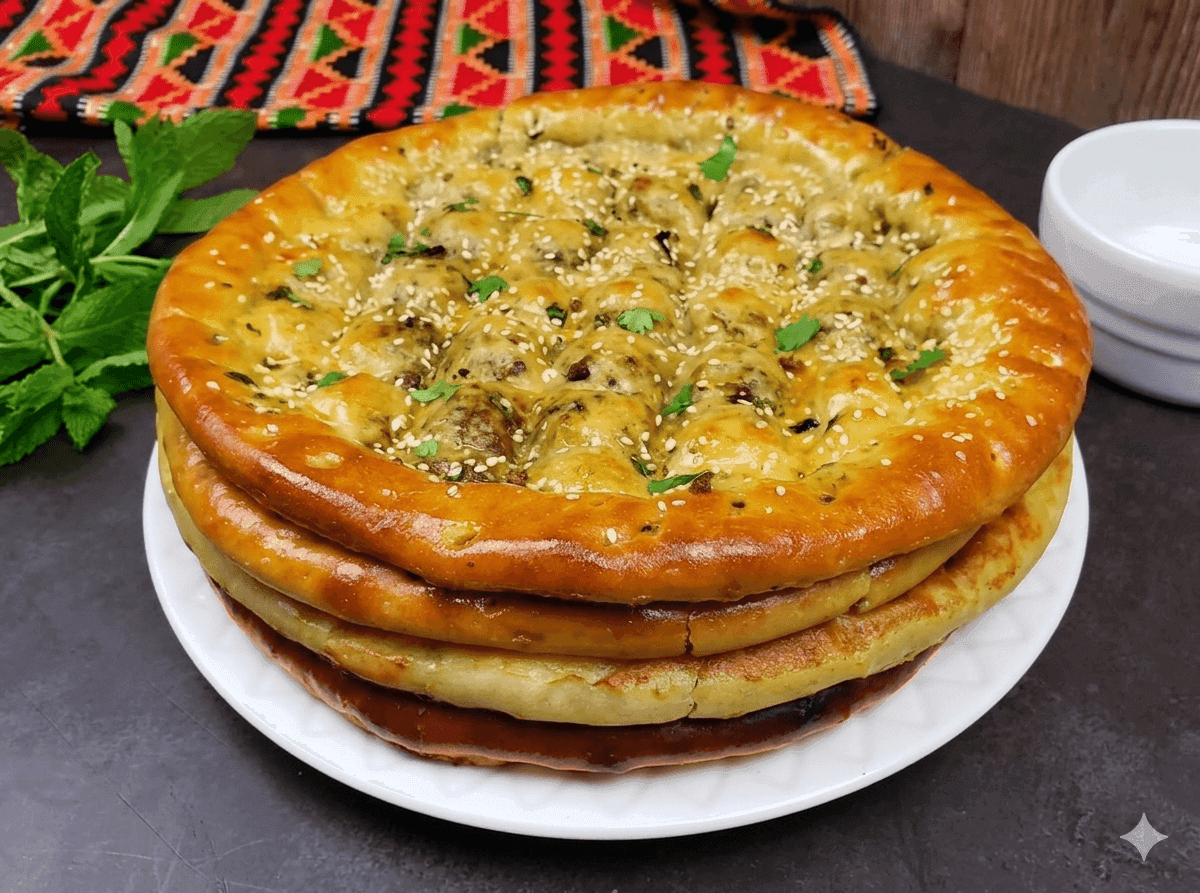
Keema Naan is the definitive Pakistani stuffed flatbread: a pillowy, yeast-leavened dough sealed around a fiercely spiced mince filling of beef or mutton, fresh mint, coriander, crushed cumin, chilli flakes, and fenugreek leaves, then cooked on a flat iron tawa until the bottom blisters and the top blooms into golden patches under a butter brush.
In Lahore's dhabas and old-city restaurants, this naan is baked by pressing dough to the vertical wall of a clay tandoor. The wall scorches the underside while the radiant heat above bakes the top. Aqsa replicates this two-zone cooking entirely on a tawa with one genius move: inverting the pan over a direct flame to expose the top of the naan to dry heat, mimicking the tandoor's dome without a single piece of specialist equipment.
The result is soft on the inside, charred in patches outside, intensely flavoured from the mint-and-fenugreek-spiked mince, and finished with a ghee brush and scattered fresh coriander. This is Lahore street food at home, on any weeknight, with no oven required
Why This Recipe Works Better Than Others
Ghee in the Dough Produces a Genuinely Soft Naan
Most home naan recipes use oil or skip fat in the dough entirely. Aqsa's Cuisine uses melted clarified butter (ghee) worked into the flour before adding milk. Ghee coats the gluten strands during mixing, resulting in a dough that is soft and extensible rather than tough and rubbery. The finished naan stays pliable and tender even after cooling, unlike oil-based dough that stiffens within minutes.
Fenugreek and Mint Together Create the Khan Baba Flavour Profile
The keema filling uses both fresh mint and dried fenugreek leaves (methi) simultaneously, a combination specific to the restaurant-style naan tradition of Lahore. Mint provides brightness and coolness. Fenugreek provides a slightly bitter, nutty undertone that is the unmistakeable mark of street-stall keema naan. Most home recipes include one or the other. Using both together at the correct ratio is what separates this filling from a generic spiced mince.
The Tawa Inversion Technique Replaces the Tandoor
After cooking the naan flat on the tawa until the bottom sets, the tawa is inverted directly over the gas flame, the naan stays on the pan, now facing downward toward the fire. The direct flame chars the top surface in seconds, creating the dark blistered patches characteristic of tandoor naan. This technique requires no oven, no broiler, and no special equipment. It works on any gas burner with any standard iron tawa with a handle.
Raw Mince Filling Stays Juicier Than Pre-Cooked
The filling goes into the dough uncooked. As the naan cooks on the tawa and under the inverted flame, the mince steams inside the sealed dough pocket in its own juices. This keeps the filling moist, tender, and deeply flavoured. Pre-cooked keema, by contrast, loses moisture during both the cooking and the re-heating stages, producing a drier, more granular filling that presses into the dough rather than melting into it.
prep time
20 min
Dough rise
2h
bake time
30 min
servings
6
Ingredients
 Flour (maida)500 g
 Salt1 tsp
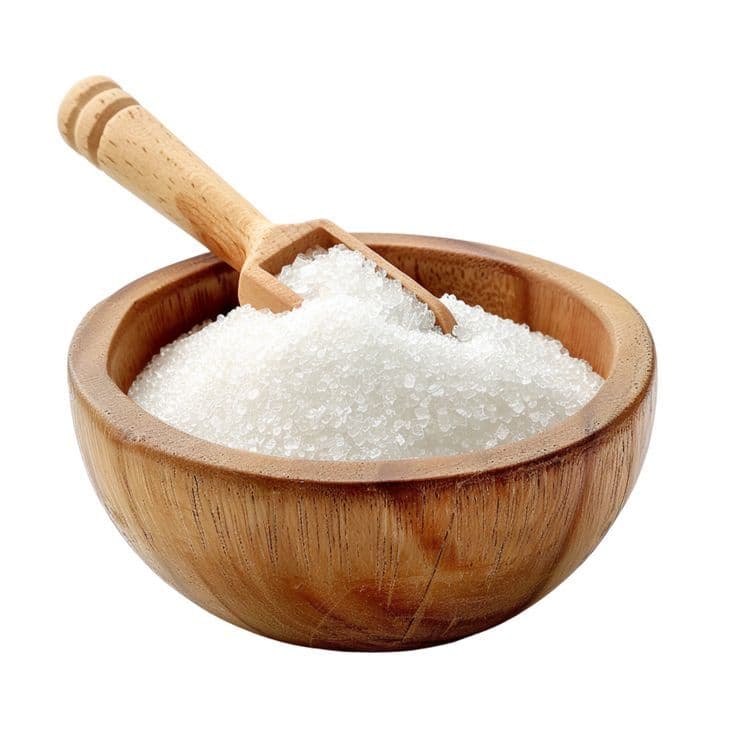 Sugar1 tsp
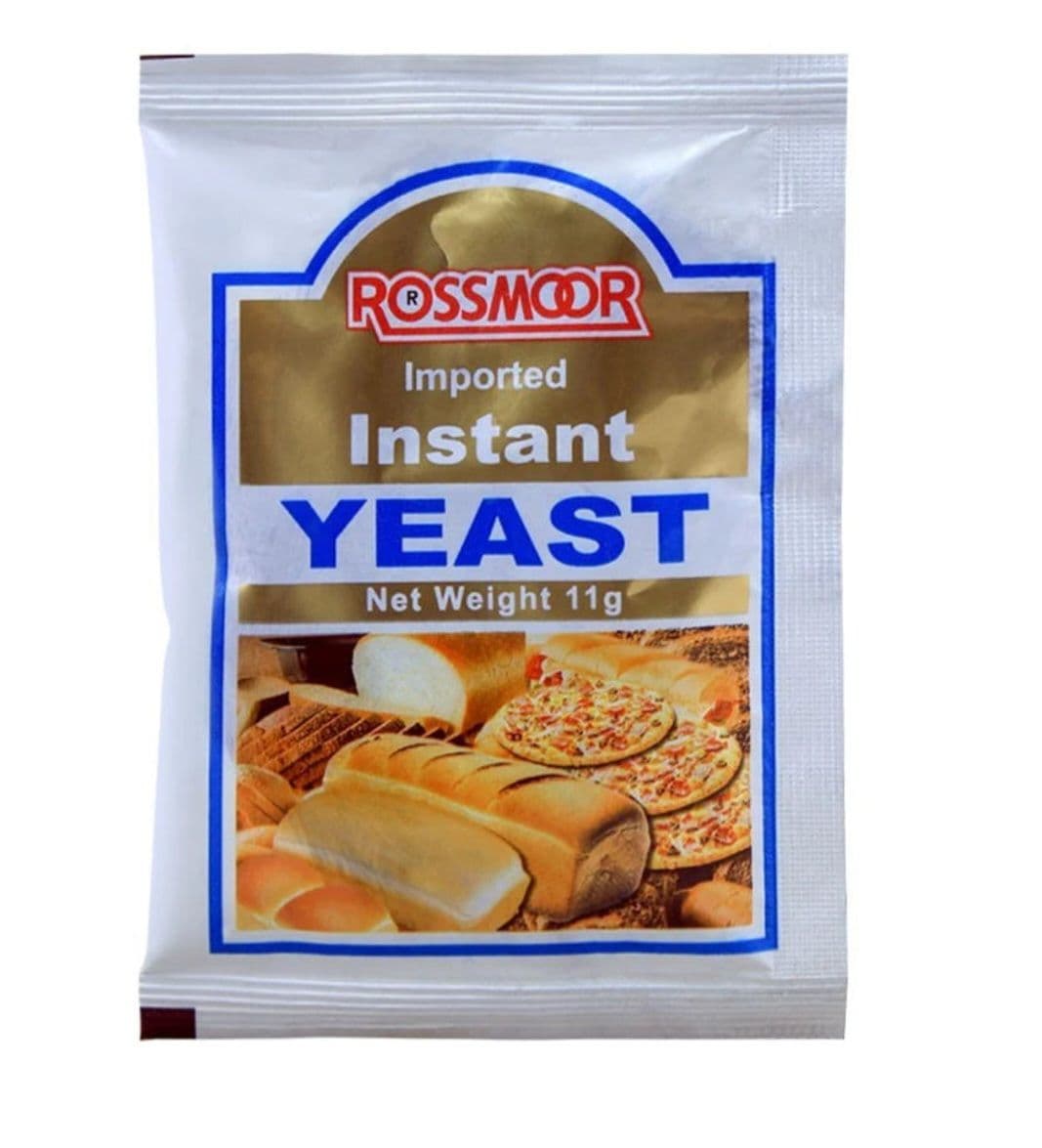 Instant yeast0.5 tsp
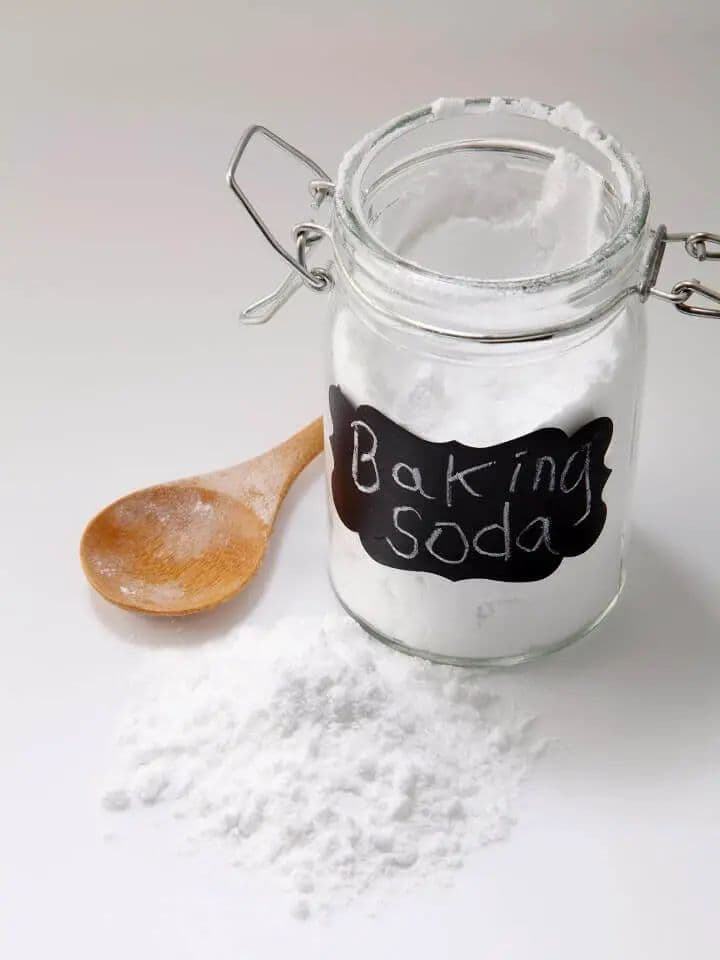 Baking soda0.5 tsp
Method
Mix and Knead the Naan Dough
In a large bowl combine 500 g all-purpose flour, 1.5 tsp salt, 0.5 tbsp sugar, 0.5 tbsp instant yeast, and 0.5 tsp baking soda. Whisk together.
Add 1/4 cup room-temperature yogurt and 1.5 tbsp melted ghee. Mix with your fingers until the fat and yogurt are distributed through the flour and the mixture looks crumbly.
Gradually add 1.25 cups lukewarm milk, a little at a time, mixing as you go, until a soft, slightly sticky dough forms.
Turn onto a lightly floured surface and knead firmly for 8-10 minutes until the dough is smooth, elastic, and springs back slowly when poked.
Shape into a ball, place in a lightly oiled bowl, cover with a damp cloth or cling wrap, and leave in a warm place to rise for 1-2 hours until doubled in size.
Chef's Tip:
The dough should feel softer than bread dough and slightly stickier than roti dough, do not add extra flour to dry it out. This softness is what produces the pillowy texture of the finished naan. If the dough is too stiff the naan will be dense and bread-like rather than light and stretchy.
Prepare the Keema Filling
Heat 2 tbsp oil in a pan over medium-high heat.
Add 500g beef or mutton mince and 1.5 tbsp ginger-garlic paste.
Fry on high heat for 5-7 minutes, breaking up any lumps, until all the moisture from the mince has evaporated and the meat begins to brown.
Add 0.5 tbsp salt, 1.5 tbsp crushed coriander, 1.5 tsp crushed cumin, 1.5 tbsp chilli flakes, 1-2 tsp garam masala, and 0.5 tsp turmeric. Mix well and fry for another 2 minutes.
Remove from heat. Add 1 tsp lemon juice. Allow to cool completely. Once cooled, mix in the finely chopped onion, fresh mint leaves, fresh coriander, green chilli, and dried fenugreek leaves.
The filling is raw onion and fresh herbs combined with the cooked mince. this is intentional and creates the Khan Baba flavour profile.
Chef's Tip:
The cooked mince must be completely cool before the onion and fresh herbs are added. Adding them to hot mince wilts the mint and coriander immediately, turning them dark and bitter. The filling should be room temperature or cooler before it goes anywhere near the dough.
Divide the Dough and Filling
Once the dough has doubled, punch it down gently to release the gas.
Transfer to a lightly floured surface and divide into 6-8 equal balls depending on the size of naan you prefer.
Similarly divide the keema filling into the same number of portions, one portion per dough ball.
Keep the dough balls covered with a damp cloth while you work so they do not dry out and form a skin.
Chef's Tip:
Weigh the dough portions on a kitchen scale for consistent sizing, approximately 100-110 g per ball for a large naan that covers a standard tawa. Uneven balls produce naans that cook at different rates, with thinner ones over-browning before thicker ones are cooked through.
Stuff and Seal the Naan
Take one dough ball and flatten it by hand or with a rolling pin into a disc approximately 15-17 cm in diameter.
Place one portion of the cooled keema filling in the centre, leaving a 2 cm border of clean dough around the edge.
Gather the edges of the dough up and over the filling, pinching them together firmly at the top to create a fully sealed ball.
Press the sealed side down, dust lightly with flour, and roll or flatten gently by hand to a round or oval shape approximately 20-22 cm, thick enough that the filling cannot tear through the dough. Repeat for all portions.
Chef's Tip:
Seal the dough edges with dry fingers, wet or oily fingers will not grip and the seam will open during cooking, releasing the filling into the pan. If a small tear appears, pinch it shut immediately before rolling. A thicker dough wall at the edges is better than a thin one; thin edges dry out and become crisp rather than soft.
Apply the Egg Wash
In a small bowl, whisk 1 egg yolk with 2-3 tbsp milk until combined.
Using a pastry brush, lightly coat the top surface of each shaped naan with the egg wash.
This is the surface that will face upward during the initial tawa cook, the egg wash goes on this side only at this stage.
If using kalonji (nigella seeds) or sesame seeds, sprinkle them over the egg-washed surface now and press gently so they adhere.
Chef's Tip:
Brush the egg wash thinly, a thick coat pools at the edges and creates a yellow, doughy crust rather than a golden glaze. One thin pass with the brush is sufficient. The egg yolk specifically is used rather than whole egg because yolk gives a deeper golden colour without the white creating a rubbery film on the surface.
First Cook on the Tawa (Bottom Side)
Heat a heavy iron tawa or flat pan over medium heat until hot, hold your palm 5 cm above the surface and you should feel strong heat within 2-3 seconds.
Place the naan on the tawa with the plain, un-egg-washed side facing down.
Cook on medium heat for 3-4 minutes until the bottom is firm, set, and has golden-brown patches visible.
Do not press down on the naan during this stage.
Chef's Tip:
The tawa must be properly hot before the naan goes on, a cool or warm tawa causes the dough to stick and tear rather than set cleanly. Test with a small pinch of dough first: it should sizzle on contact immediately. Cast iron tawa retains heat better than thin steel and produces more even browning.
Invert the Tawa to Cook the Top (Khan Baba Technique)
Once the bottom of the naan is set and golden, carefully grip the tawa handle with a thick cloth or oven mitt and invert the entire tawa directly over the gas burner flame.
The naan will stay on the pan surface, now facing downward toward the flame.
Hold the inverted tawa 5-8 cm above the burner flame and move it slowly in a small circular motion for 1-2 minutes until the egg-washed top of the naan develops dark blistered patches and the colour turns deep golden-brown in places.
Do not hold it still over one spot or the naan will burn in a concentrated circle.
Chef's Tip:
This is the defining step of the no-tandoor technique, do not skip it. The inverted flame exposure creates the signature dark blistering that no flat tawa cook can achieve from one side alone. Keep the tawa moving constantly. If your tawa has no handle, use long tongs to hold the rim. Work quickly as this step takes only 60-90 seconds.
Brush with Ghee, Garnish and Serve
Return the tawa to its normal upright position.
Slide the naan onto a serving board or plate.
Immediately brush the hot top surface generously with melted clarified butter (ghee).
Scatter fresh chopped coriander leaves over the top.
Serve immediately while the dough is still soft and the filling is hot.
Repeat for all remaining naans, reheating the tawa between each one.
Chef's Tip:
The ghee brush must happen the instant the naan comes off the heat, not after 2 minutes of resting. Hot naan absorbs the ghee into its surface immediately, producing a rich, shiny finish and soft exterior. Ghee applied to a cooled naan sits on the surface as a grease slick rather than being absorbed.
Master Tip: The Inverted Tawa Technique
Inverting the tawa over a direct gas flame to finish the top of the naan is Aqsa's Cuisine's key innovation for achieving true tandoor-style blistering without specialist equipment. A standard flat cook on a tawa produces an even, pale gold top that looks more like a paratha than a naan. The 60-90 seconds of direct flame exposure produces irregular dark patches, puffed blisters, and a slight smokiness on the surface that is unmistakeably restaurant-style. No other tawa technique produces this result.
Nutritions
Per Naan (~200g)
People Also Ask
Khan Baba is a famous naan restaurant on Lower Mall, Lahore, known for its keema naans cooked in a traditional clay tandoor. The defining characteristic of their naan is the blistered, dark-patched top surface produced by tandoor radiant heat, and the rich ghee finish applied the moment it is removed. Aqsa's Cuisine replicates this by inverting the tawa over a direct gas flame after the bottom is set, the open flame blisters the top in the same way the tandoor's heat would. Without this inversion step, a tawa-only naan will have a paler, flatter top that lacks the visual and textural character of the original
Yes. Chicken mince (keema) works well and produces a lighter, milder filling. Reduce the oil for cooking the mince to 1 tbsp as chicken mince releases more fat during frying. Reduce the chilli flakes to 1 tbsp as the milder meat makes the spice more prominent. All other filling ingredients and quantities remain the same. Chicken mince cooks faster than beef or mutton, fry for 4-5 minutes rather than 5-7.
Three causes: the dough was not rested long enough after rising and is not relaxed enough to stretch, the filling portion is too large for the dough ball, or the dough was rolled too thin before stuffing. Solutions: after shaping each ball, rest it covered for 5 minutes before rolling; reduce the filling portion slightly; and roll the base disc to a minimum 5mm thickness before adding filling. If tears appear during rolling, pinch them immediately with dry fingers, wet fingers cannot grip.
Yes. The keema filling keeps refrigerated in an airtight container for up to 2 days — in fact it improves as the spices continue to meld. The dough can be made the night before: after kneading, place it in an oiled bowl, cover tightly with cling wrap, and refrigerate. The cold slows the yeast activity and the dough rises slowly overnight. Remove from the refrigerator 30 minutes before shaping to allow it to come to room temperature and relax before rolling
Yes, but the inverted flame step requires modification. On an electric or induction hob, cook the naan on the tawa on both sides as you would a paratha, first side 3-4 minutes, flip and cook second side 2-3 minutes. Alternatively, after the first tawa side is cooked, transfer the naan to a baking sheet and place it under a hot oven broiler/grill at maximum heat for 2-3 minutes until the top blisters. The broiler method produces a closer result to the gas-flame inversion than a flat double-sided tawa cook.